


Ever wonder if your tires could make your drive even smoother? I sometimes think about how a good ride really boosts your day. New tire mixes bring some cool benefits you might not expect. They use smart chemistry to give you extra grip on both wet and dry roads while cutting drag by about 15% (that’s the force slowing you down). And with treads that last as long as your car and quieter highway rides, every trip feels safer and comfier. Let's explore how these improvements give you better control, boost efficiency, and offer peace of mind on every mile.
How Tire Compound Innovations Translate to Vehicle Performance Gains

New tire compounds mix smart chemistry with tough performance. These blends use silica (a natural mineral) in the treads to get better grip on wet and dry roads. They also lower rolling resistance by about 15%, which means less drag while you drive. Some tires even last as long as your car thanks to advanced polymers (materials that help the tire wear slower). In simple terms, every mile feels steady and safe with these tires.
Engineers have worked hard to improve the tire mix so you get a smoother ride. Variable pitch patterns and 3D sipes (small cuts in the tire for extra grip) help cut road noise by nearly 20%, making your drive quieter. Plus, these new formulas can boost fuel efficiency by 3–5% thanks to lower rolling resistance. It’s like getting a bit more mileage while enjoying a peaceful ride.
- Better grip on both wet and dry roads
- Lower rolling resistance for a smoother drive
- Treads that can last the full life of the car
- Quieter rides on highways
- Fuel savings of 3–5%
Tests on roads confirm these benefits. In trials, cars with these tires handled corners better, accelerated faster, and produced less noise at high speeds. The numbers show that modern tire chemistry not only meets tough performance marks but also gives drivers the reliable ride they expect every day.
Material Evolution in Tire Compounds and Performance Outcomes

Modern tire compounds start with a basic mix that sets the stage for great performance. By blending natural rubber with synthetic polymers (man-made rubber that stays flexible in all kinds of weather), tire makers create a mix that stays soft even when temperatures drop to -30°F or rise to 150°F. Additives, fillers, and strengthening agents all work together to make tires tougher and easier to handle in all kinds of conditions. For example, carbon black fillers (a type of fine black powder) boost the tire’s strength and protect it from the sun’s harmful rays, which can extend a tire’s life by 10–30%. The right mix of these parts also helps lower rolling resistance (how hard a tire has to work to keep moving) and can boost fuel efficiency.
- Natural rubber gives the tire a strong, grippy foundation.
- Synthetic polymers keep the tire flexible, no matter if it’s freezing cold or very hot.
- Carbon black fillers strengthen the tire and act like a shield against UV damage.
- Other additives and reinforcers enhance overall durability and make handling smoother.
Each ingredient in the tire compound plays its own important role. The well-balanced mix not only makes your ride smoother but also gives you steady traction, better mileage, and safe handling even in tricky driving conditions. Advances in how these materials are refined and studied are key to creating modern tires that meet the demands of today’s roads and help your vehicle perform at its best.
Rubber Innovation Assessment: From Silica-Reinforced Treads to Next-Level Elastomer Dynamics

New mixes that include silica (a powder that helps improve grip) are changing the game for tire performance. These silica-infused treads give you about a 30% boost in wet grip, meaning your tires stick better on wet roads. They also lower rolling resistance (the energy tires lose while rolling) by roughly 10%, making your ride smoother and more fuel efficient.
Lab tests back up these benefits, showing that adding silica really makes a difference in both grip and efficiency. And there’s more good news for electric vehicles. Special blends of sticky silica are now being used to handle the extra torque that EVs produce. This not only helps with better traction but also makes the ride quieter overall, something every driver can appreciate.
New nanocomposites (ultra-tiny materials that strengthen the tire) have jumped into the mix too, adding about a 5% boost in abrasion resistance. This means the tires can handle everyday wear and tear much better, staying reliable for longer.
| Benefit | Description |
|---|---|
| Wet Grip | 30% improvement with silica infusion for better road hold |
| Rolling Resistance | 10% reduction for a smoother, more efficient drive |
| Abrasion Resistance | 5% increase thanks to emerging nanocomposites |
| EV Torque Handling | Enhanced traction from sticky silica blends for electric vehicles |
| Heat Resistance | Improved performance under high-stress, high-speed conditions |
Composite Reformulation Effects on Traction and Lap Times
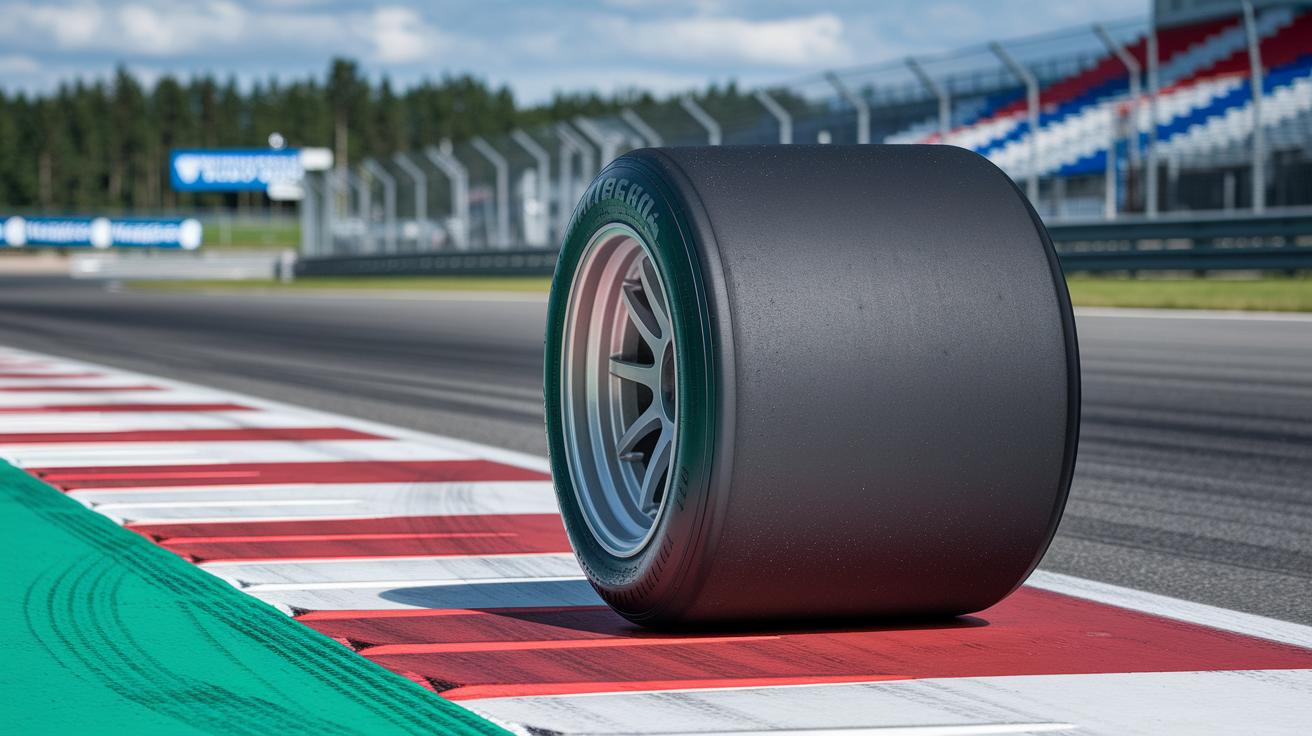
Motorsports really push tires to their limits, and on the track, every second matters. Shaving off even one second per lap can change the whole race. Racing tires are built with special ingredients that quickly react under tough conditions. When a tire uses these new compounds, every part, from the basic rubber to the tiny patterns on the surface, is carefully designed for top performance during speedy stretches and tight corners.
- Racing compounds that help cut lap times by 1–2 seconds over a 1.5-mile track.
- High-grip formulas that boost side-to-side (lateral) acceleration by up to 0.2 g in corners.
- Special channel designs and siping patterns (small cuts in the tire surface to improve grip) that lower the risk of hydroplaning by 25%.
- Tweaks in the tire materials that improve grip and speed, making quick turns easier.
On the track, these changes mean drivers will feel more in control and see faster reactions when taking corners. The better grip, along with less rolling resistance and faster acceleration, can be the secret to beating the competition. Every small update in the tire compound helps the car run better, showing just how far we can push performance on high-speed circuits.
Advanced Tread Design and Dynamic Compound Results in All-Weather Control
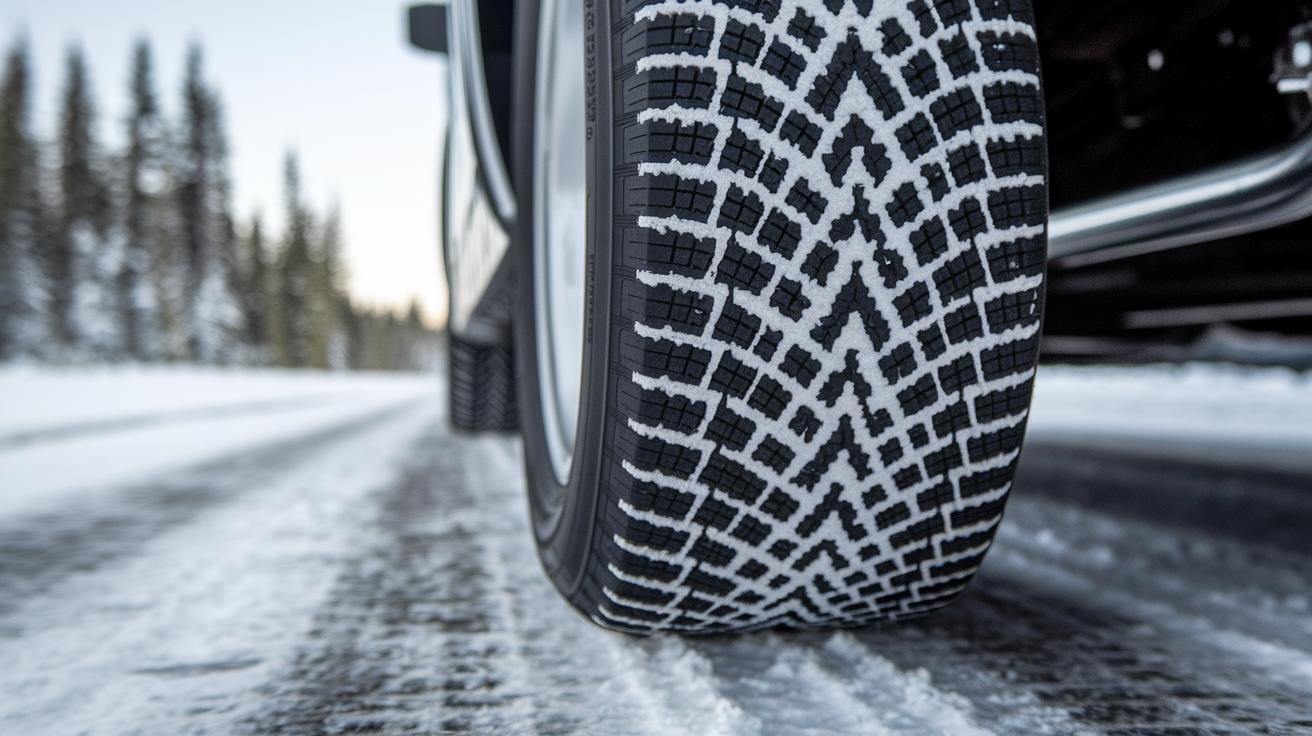
It’s pretty cool how clever tread design and a special mix of rubber work together like a well-rehearsed team. Modern tire designs come with smart features that not only help your tires stick to the road (better grip) but also make your ride more comfortable. The mix of 3D sipes (tiny cuts that improve grip) and carefully shaped tread blocks means your tires adjust easily to different road conditions. Imagine tires that hold firm on snowy, slushy roads yet let you cruise quietly on the highway. It’s all about keeping your ride dependable, no matter the weather.
- 3D sipes boost biting edges by about 20% in snow and slush, giving you extra grip when roads are slippery.
- Variable pitch blocks help lower road noise by around 15 decibels on highways, so your drive feels peaceful.
- All-season patterns balance water resistance on wet roads while keeping steady cornering on dry roads, putting safety first.
- Optimized tread grooves are shaped to move water away from the tire, lowering the chance of skidding in heavy rain.
- A refined blend of compounds works with the tread design to keep performance steady even when the temperature changes.
- Carefully engineered block layouts give consistent traction whether you’re driving around town or off-road.
Tests show that these advanced designs work well in rain, slush, or on dry pavement, ensuring safety and comfort behind the wheel. With this smart combination, you enjoy better traction, reduced noise, and a balanced ride that’s ready for everyday adventures.
Experimental Testing and Prototype Synthesis Outcomes

In our labs, we give new tire compounds a real-world run, using smart, tech-based methods to see how they perform. We rely on TPMS (tire pressure monitoring system, a tool that checks tire pressure and temperature in real time) to keep a close eye on each tire’s health. We also test run-flat sidewalls (tires designed to support your car even after a puncture) to see if they can let you drive 50 miles at 50 mph until you can get them fixed.
We’re also checking out self-sealing gels in the tread. These gels need to close up 90% of tiny punctures under about 5 mm, proving they can hold things together under pressure. All these tests mimic everyday driving to ensure our innovations are safe and ready for real roads.
| Test Type | Parameter Measured | Key Result |
|---|---|---|
| TPMS Monitoring | Pressure and Temperature | Real-time accuracy |
| Run-flat Endurance | Load Support | 50 miles at 50 mph |
| Self-sealing Performance | Puncture Closure | 90% sealed under 5 mm |
These test results guide us step by step, making sure each prototype is road-ready and built to handle everyday challenges.
Environmental and Efficiency Gains from Next-Generation Polymer Agility

Next-generation polymer agility is making a big difference for both performance and the planet. New eco-friendly ways to make tires are cutting CO₂ emissions by around 20% per tire, so each one leaves a lighter footprint on nature. Special low-rolling-resistance blends even boost highway fuel economy by up to 4%, meaning you spend less at the pump. Manufacturers are getting creative with sustainable blends that not only work great but also help protect our environment.
Smart use of advanced composite controls plays a big part too. For example, airless tire prototypes now perform almost as well as regular tires at speeds up to 80 mph. That means no more constant pressure checks and tires that stick around longer. These new compounds do more than just improve grip or reduce road noise, they’re changing how we think about green driving. They pave the road for cleaner tire designs that cut emissions and save energy.
| Innovation | Key Benefit |
|---|---|
| Airless tire designs | No more pressure checks |
| Smart sensor integration | Real-time performance tracking |
| Low-rolling-resistance blends | Better fuel economy |
| Sustainable manufacturing | Lower CO₂ emissions |
| Advanced eco materials | Minimal environmental impact |
Final Words
In the action, our discussion covered everything from base materials to advanced tread designs that drive performance gains. We touched on how innovations boost grip, enhance tire lifespan, and reduce noise.
We discussed real-world testing and efficiency results that prove the impact of tire compound innovations on performance. It’s clear that these advances help deliver a safer, more confident ride for everyone out on the road.
Keep rolling safely and with confidence.
FAQ
Q: What is the 3% rule for tires?
A: The 3% rule for tires implies that a slight drop of around 3% in tire pressure can noticeably affect fuel efficiency and wear. It advises vigilant pressure checks for consistent performance.
Q: Do new tires improve performance?
A: New tires boost performance by incorporating advanced compounds and innovative treads that improve grip, lower rolling resistance for better fuel efficiency, and reduce road noise for a smoother drive.
Q: What is the long-term effect of uninflated tires?
A: The long-term effect of uninflated tires results in uneven tread wear and reduced traction, which can lead to decreased fuel efficiency and increased safety risks over time.
Q: What are the biggest innovations in tire technology?
A: The biggest tire technology innovations include silica-reinforced treads for enhanced grip, advanced polymers that extend tire life, and dynamic tread designs that reduce noise and improve all-weather handling.

