


Ever thought that a small mistake in tightening your lug nuts might mess with your ride? Getting them just right is a bit like fitting a puzzle perfectly. A tiny error today can end up causing extra wear or even create unexpected risks tomorrow. In this post, we'll show you why keeping the correct torque is so important for a safe tire install and how following the manufacturer's guide helps your wheels share the load evenly. A simple, careful twist now means a smoother and safer ride every time you hit the road.
Correct Lug Nut Torque: The Foundation of Safe Tire Installation

Getting the lug nut torque right is really the heart of putting on tires safely. It holds your wheels snugly to the hub so you don't risk them coming off while you drive. Following the proper tightening order helps each lug nut share the load evenly, keeping your wheel perfectly aligned. This simple step can stop mechanical problems before they start. Just remember, before long trips, always check that your lug nuts are tightened to what the manufacturer recommends.
Every car comes with its own set of torque values, measured in foot-pounds (ft-lb, a way to tell how much turning force you need). Using these numbers makes sure the lug nuts aren’t too loose, which could cause vibrations or shifting, and not too tight, which might stretch studs or even snap parts. When technicians install tires, they carefully follow these guidelines to get a smooth and secure fit between the tire and hub.
Getting the torque wrong can lead to serious issues on the road. Too little torque might let lug nuts loosen over time, while too much torque can damage threads or brake parts. This imbalance can cause extra wear and create risky driving conditions. Keeping your lug nuts at just the right tightness is a key part of keeping your ride safe every time you hit the road.
Manufacturer Torque Specifications and Tire Installation Guidelines

Before you put on your tires, take a moment to check your vehicle’s owner manual for the right lug nut tightness. The manual lists the torque numbers (how tight your lug nuts should be) that the maker recommends. For many passenger cars, you'll see numbers from about 80 to 100 ft-lb, while light trucks often need around 100 to 120 ft-lb. It’s kind of like checking your oil before a long drive.
| Vehicle Category | Typical Torque Range (ft-lb) |
|---|---|
| Sedan | 80 – 100 |
| Compact Car | 75 – 95 |
| SUV | 90 – 110 |
| Pickup Truck | 100 – 120 |
| Minivan | 80 – 100 |
Following these torque numbers is a key part of a good tire installation. Sticking to the manufacturer’s advice helps keep the wheel aligned and snug against the hub. This even tightening makes sure every lug nut holds the same force, so your ride stays safe and smooth.
Torque Wrench Use and Calibration for Accurate Lug Nut Torque

Using a well-calibrated click-style torque wrench is your best bet for keeping your lug nuts just right. This handy tool gives you a clear, exact reading, so you can avoid the risk of over-tightening the nuts like you might with an impact gun. It’s like having a trusted buddy at your service center, checking each nut for you.
Keeping your torque wrench in top shape is important. Make sure it stays dry and clean, free from any dirt or leftover grease that might mess up its reading, kind of like wiping your glasses before you read. A little regular cleaning helps it work at its best.
Regular calibration is key to keeping the tool accurate within about 4% of what it should be. The guidelines recommend that you calibrate your torque wrench regularly, especially when it sees a lot of use. I remember a mechanic once skipped his yearly check and later noticed a small change in his readings. That little hiccup made him realize how important calibration is for catching tiny errors before they turn into bigger issues during tire installation.
Tightening Process and Sequence in Wheel Mounting
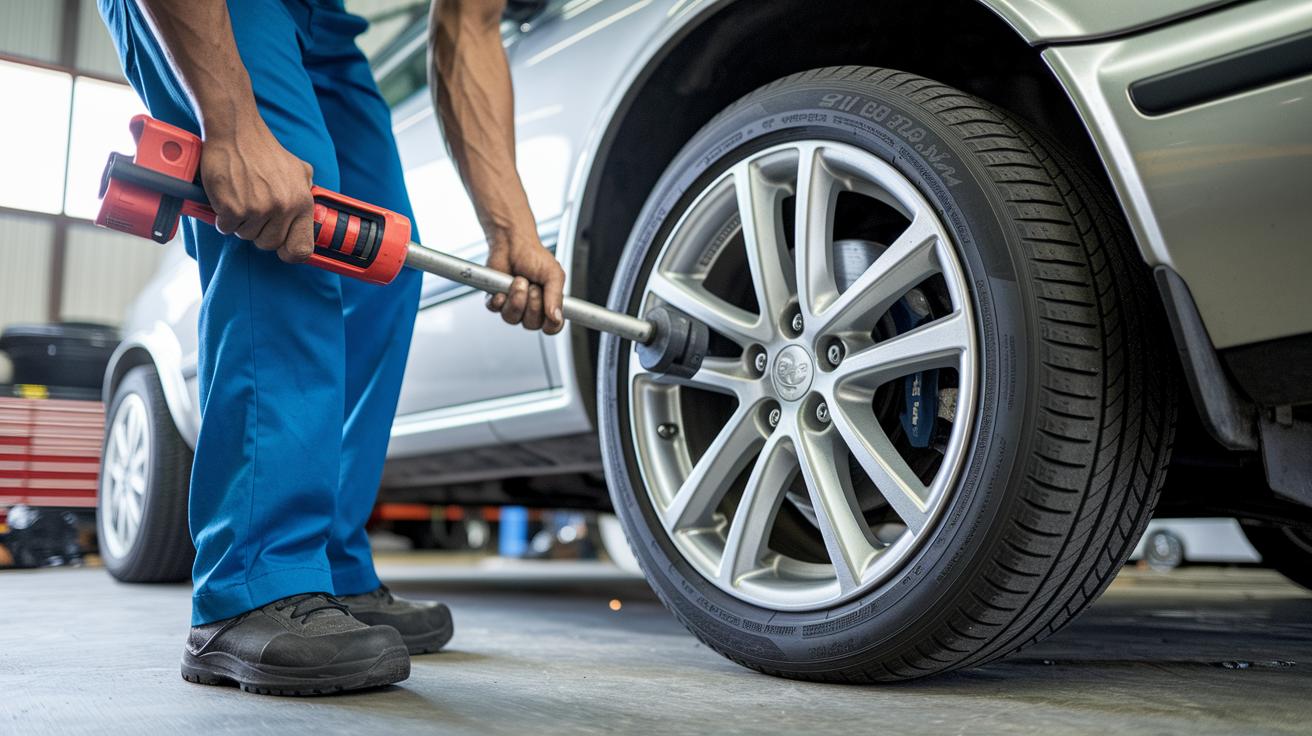
When you install a tire, using the right tightening steps is a must for safety. Getting it right means the force is shared equally between all lug nuts (the little bolts that hold the wheel on), so the wheel fits snugly against the hub. This even pressure helps keep things in line and avoids any long-term damage. By alternating between the top and bottom nuts, mechanics make sure the wheel stays true despite its weight. A two-step process, first a basic torque, then a final tightening pass, ensures every lug nut is set with the same force.
- Clean and hand-start lug nuts
- Seat wheel flush
- Apply 30% of final torque
- Tighten opposing nuts in a star pattern to 50%
- Torque to 100% of spec
- Visual check for flush fit
Each step matters a lot. Checking that every tire is installed the same way improves both safety and performance. Following this sequence lets the wheel form a firm, flush connection with the hub, ready to handle your everyday drives. This method cuts down on vibrations or possible damage from uneven force. Using a star or crisscross pattern along with a two-step tightening approach is like double-checking your work before a long drive. When you take your time with these steps, you help ensure your ride stays smooth and dependable, keeping you, your car, and everyone on the road safe.
Over-Tightening vs Under-Tightening: Lug Nut Torque Risks

Sometimes, tightening your lug nuts too much can lead to a bunch of problems. When you apply too much torque (the force used to tighten bolts), the wheel studs (those small metal pins holding your wheel) can stretch, the threads might get stripped, and brake rotors (the flat discs that help slow your car) could warp. In some cases, parts might even break off, making it really tough to take the wheel off later. For instance, using an impact gun without a proper gauge can easily overdo it, which could end up weakening the secure bond between the wheel and its hub. This extra force not only puts the wheel connection at risk but might even cause the wheel to separate while you’re on the road.
On the flip side, not tightening the lug nuts enough comes with its own dangers. When lug nuts aren’t tight, they can gradually loosen, causing the wheel to vibrate and the hub to shift ever so slightly. Over time, this loose fit might lead to the wheel detaching while you’re driving. Even a small shortfall in torque can spoil the secure fit needed for safe driving. Some tire shops still use high-torque air tools, and that can sometimes result in uneven pressure and inconsistent torque, making the whole setup less reliable.
Torque Recheck Procedure and Tire Installation Inspection

After driving 50 to 100 miles and letting your wheels cool down to room temperature, it's a good time to recheck your lug nuts. This quick check is important to make sure your tire installation stays safe and secure over time.
When you've been driving, the heat can make the metal expand, which might change how tight your lug nuts feel. Think of it like your car getting a little check-up. Look at each lug nut carefully and tighten them if needed. Stick closely to your tire change steps, because even a tiny change in torque can affect how well the wheel stays mounted.
By using the proper torque method every time, you're taking a smart step to prevent issues like uneven tire wear or other safety hazards on the road. Don't forget to record the updated torque readings in your maintenance log to keep track of everything.
Lug Nut Torque Best Practices and Safety Checklist
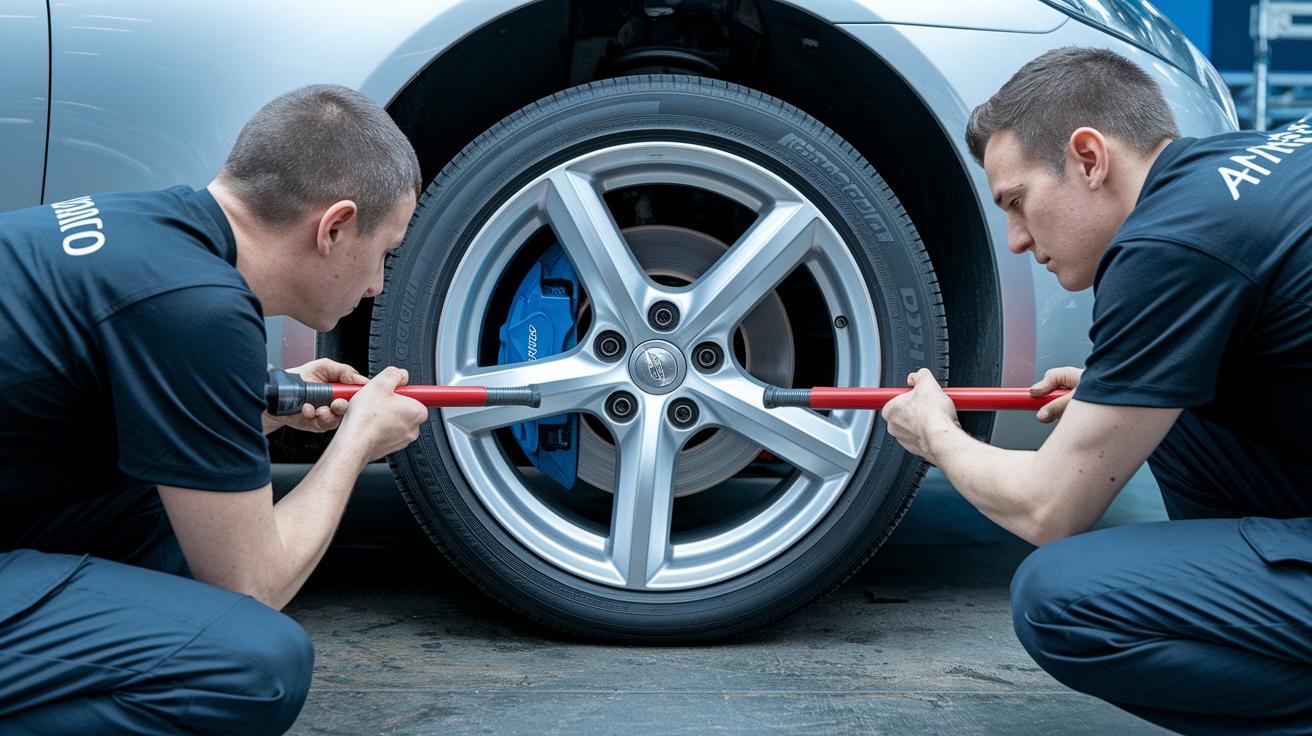
Working with skilled technicians, like the ones from our professional tire installation service, can help you skip over steps you’ve already seen. This handy checklist sums up the main points without repeating too much.
- Start by confirming the torque values given by the manufacturer.
- Give your lug nuts and wheel studs a good clean and check them for any issues.
- Use a torque wrench that’s been properly calibrated (set to the right accuracy).
- Look over the calibration records on your tools to make sure everything’s in check.
- Follow the right tightening order, as it really makes a difference.
- Tighten in two steps to ensure you get the perfect hold.
- Do a quick check after you finish the installation.
- Finally, after a short drive and once the wheels have cooled, re-torque them for extra safety.
Final Words
In the action, we explored how proper lug nut torque keeps wheels secure and driving safe. We broke down manufacturer specs, tool calibration, and even the step-by-step tightening process.
Each part of the guide shows how following set steps and checking retorque can prevent vibrations, wheel misalignment, and other hazards. Remember, the importance of correct lug nut torque in tire installation is key to driving confidently every day.
FAQ
Q: Why is correct lug nut torque important in tire installation?
A: Correct lug nut torque ensures wheels stay securely attached and prevents safety issues like vibrations or component damage by meeting manufacturer-specified values.
Q: What is a wheel nut torque chart?
A: A wheel nut torque chart provides recommended force values for tightening lug nuts, helping technicians keep wheel installations safe and consistent.
Q: What does wheel nut torque Nm mean?
A: Wheel nut torque Nm refers to force measured in newton meters, ensuring lug nuts reach the right tightness to avoid issues from over- or under-tightening.
Q: What is a wheel nut torque chart PDF?
A: A wheel nut torque chart PDF is a digital document that lists manufacturer torque values for different vehicles, offering an easy reference for secure tire installation.
Q: What is a lug nut torque wrench?
A: A lug nut torque wrench is a tool designed to apply precise force when tightening lug nuts, preventing the risks associated with inaccurate hand-tightening.
Q: How do wheel nut torque wrench settings work?
A: Wheel nut torque wrench settings determine the exact force applied during tightening to match manufacturer recommendations, ensuring safe and secure wheel attachment.
Q: How tight should lug nuts be by hand?
A: Hand-tightened lug nuts should feel snug to keep the wheel in place, but final tightening with a torque wrench guarantees they meet the correct manufacturer-specified force.
Q: What does 19mm wheel nut torque refer to?
A: A 19mm wheel nut torque specifies the proper force for tightening 19mm lug nuts, and you should check your vehicle manual to apply the correct torque.
Q: Why is it important to properly torque lug nuts?
A: Proper torque secures the wheel to the vehicle and minimizes risks like wheel loosening or stripped threads, promoting a safe driving experience.
Q: What happens if I don’t retorque my tires?
A: Failing to retorque can lead to lug nuts loosening from heat-induced changes post-installation, increasing risks of vibration or unsafe driving conditions.
Q: Is a 50-mile retorque necessary?
A: A retorque after around 50 miles is recommended because heat expansion can alter initial torque readings, helping maintain proper lug nut tightness.
Q: Is it always necessary to retorque?
A: Retorque is often advised since temperature changes can affect lug nut tightness, ensuring the wheels remain securely mounted over time.

