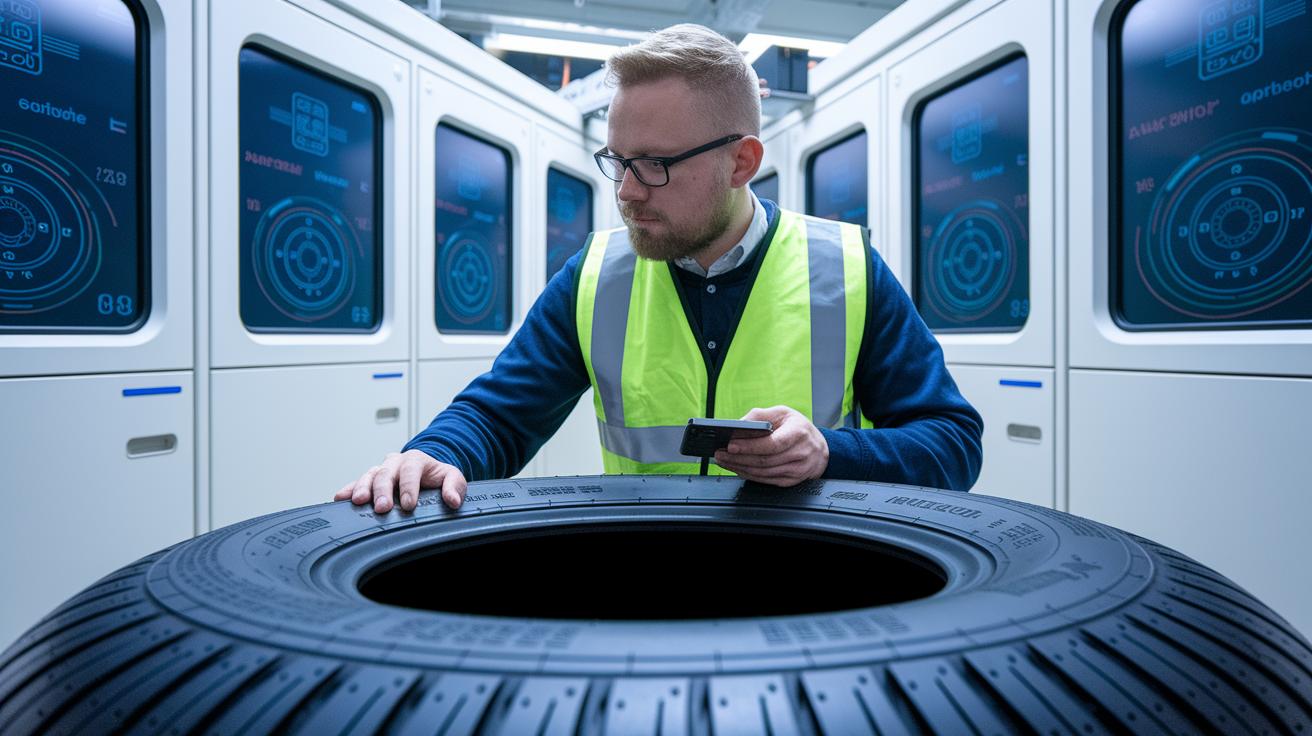


Ever wonder if your tires could fix themselves while you drive? New tire technology uses smart sensors and special materials that repair small cuts as you go (self-healing compounds). Tiny devices check your tire’s temperature, pressure, and how fast the surface wears down right away.
This breakthrough gives you a better grip on the road, a smoother ride, and a safer drive overall. It’s not just about rubber now, it’s about driving smarter and safer. Pretty amazing, right?
How Innovative Tire Engineering Technology Transforms Performance and Safety

Modern tire tech is changing the way we drive safe. Tiny sensors built into your tires now keep track of things like tire pressure, temperature, and tread wear (how fast the tire’s surface wears down). This real-time info helps make sure your ride grips the road well no matter the weather.
Plus, new self-healing polymers work like a mini repair crew. They quickly fix small cuts and punctures as they happen, almost like a fast patch-up that keeps you moving without a hitch.
Here are some of the cool innovations behind this technology:
- Smart sensors that give live updates on tire performance
- Self-healing polymers that mend minor damage
- Airless tire designs that offer steady reliability
- EV-specific compounds (materials made for electric vehicles) that boost energy efficiency
- Advanced pneumatic research (looking at air flow for better weight balance) for improved stability
- Digital performance analytics that adjust and fine-tune based on real-time data
These advances help make tires that are good at handling road challenges and even stopping issues before they get serious. By balancing tire weight and tread design with smart materials, drivers get the grip and durability they need. And with digital tools in play, every sensor reading and quick fix leads to a smoother, safer ride.
By 2025, these improvements are set to grow even more, guiding us toward a driving experience that is both safer and more efficient.
Advanced Rubber Compound Innovations in Tire Engineering Technology
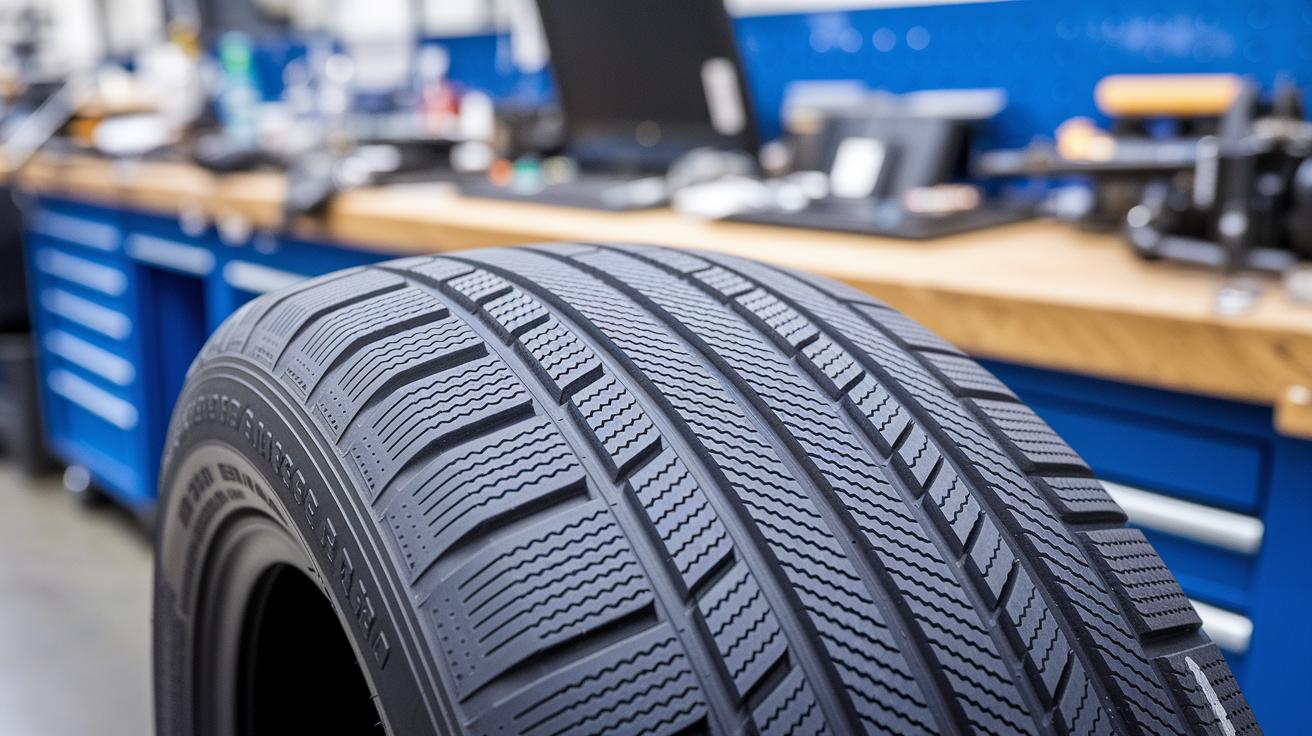
Today’s tires get a real boost from smart rubber mixes that make your ride safer and smoother. For instance, silica-reinforced compounds (mixes with added silica to improve how tires grip the road and cut down on energy loss) not only help your tires stick better to the road but also lower the energy needed to keep going. And then there are self-healing polymers that fix small nicks all by themselves, plus durable additives that keep the tire wear slow and steady.
| Compound Innovation | Key Benefits |
|---|---|
| Silica-Reinforced Compounds | Better grip, less energy loss, and improved fuel use |
| Self-Healing Polymers | Repairs tiny damages on its own and sticks around longer |
| Durable Compound Additives | Fights wear and tear to keep performance steady |
These breakthroughs are changing how tires meet everyday driving needs. Silica mixes give you a firmer hold on the road, making every drive feel a bit safer. And, when a minor puncture happens, self-healing polymers act like a little repair crew right inside your tire. Durable additives mean your tires can take a beating on rough roads and still perform reliably. All in all, these new rubber formulas mean that when you hit the road, your tires are ready to keep you safe and smooth, no matter what comes your way.
Computational Design and Simulation Techniques in Tire Engineering Technology

Digital modeling and simulation are making tire design faster by cutting down on the need for endless physical tests. With virtual prototypes and digital twin platforms (exact copies used for testing in a computer), engineers can easily play around with different designs. They use tools like advanced reports and finite element analysis (a method that checks how tire parts react under pressure) to see how tires handle stress and heat just like they would on the road.
Digital Modeling and Virtual Prototyping
Finite Element Analysis (FEA) gives a clear look at how each part of a tire deals with force. It shows where stresses build up and how the tread might change shape. Then, using multibody simulation along with digital twins, engineers can adjust tire designs in a virtual setting. This means they spend less time in development. It’s a bit like testing a small toy car on your computer to check if it rolls smoothly before you take it out for a spin.
Predictive Analytics and Performance Forecasting
Machine learning gathers and sorts through simulation data to spot patterns in tire wear and grip (how well the tire sticks to the road). With this digital test data, experts can predict how different design tweaks might affect the tire’s longevity and safety. Think of it like checking a weather forecast; you get a hint of what to expect without having to try every road condition in real life.
Overall, combining real-time analytics with virtual tests is changing the way tires are designed. This fresh approach not only speeds up the design process but also makes it easier to predict how the tires will perform when you hit the road.
Smart Sensing and Digital Performance Analytics in Tire Engineering Technology
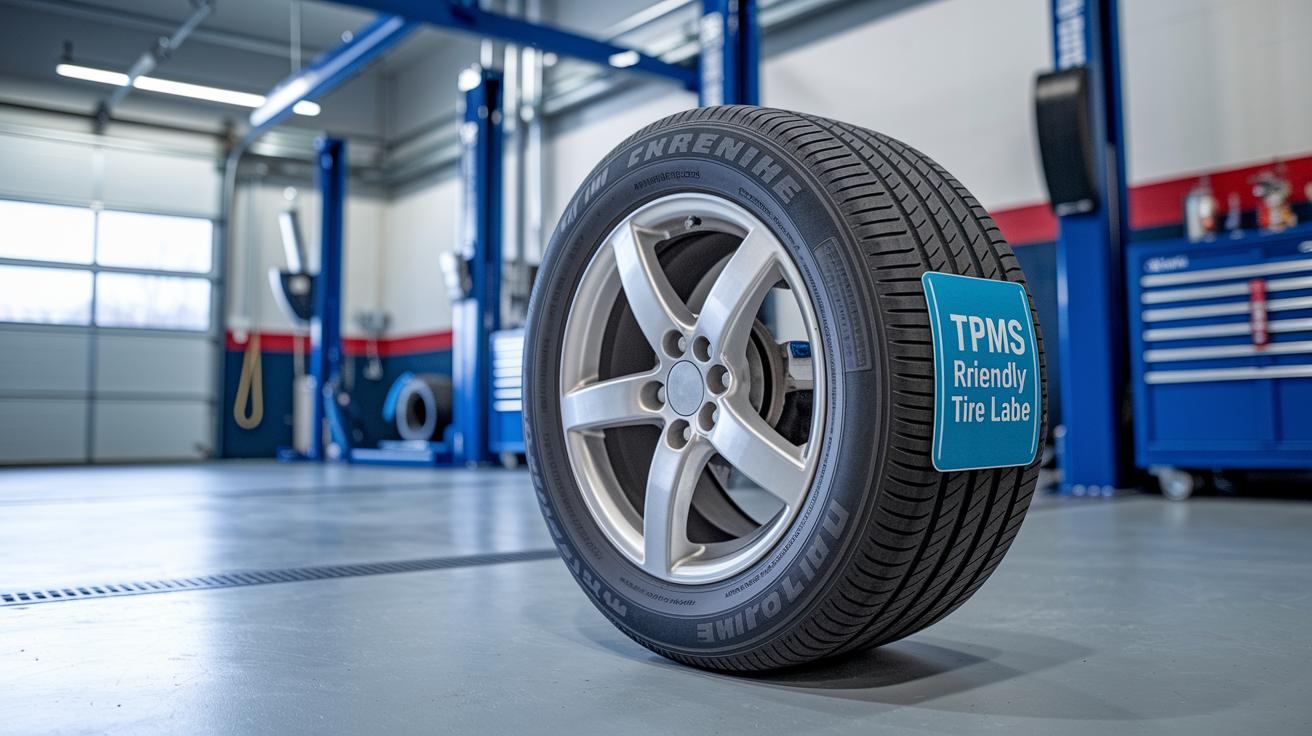
Smart tires come with little sensors inside that keep an eye on key details like tire pressure, temperature, and tread wear (that’s how fast the tire’s surface is fading). They work together with digital tire monitors, sometimes called TPMS, to send live updates about how your tires are doing. This real-time check helps you know when your tires might need a little extra care, especially in tough driving conditions that demand a firm grip on the road. Thanks to built-in sensors and wireless connections, tire data is shared instantly, kind of like having a tire expert riding along every moment. Take Smart Tire Technology for example; it shows just how sensor tools can lift tire safety and performance to a whole new level.
The digital upgrade gets even cooler with Internet of Things connectivity, which ties your tires directly into your car’s network. Experts say billions of devices will soon be chatting with each other, letting each tire sensor fine-tune its performance as you drive. This constant flow of data even helps predict issues ahead of time, giving you a heads-up before a small problem grows into a bigger one. With digital performance analytics, like what Car Tech offers, you can make precise tweaks that boost traction, manage wear (that’s the rate at which your tire’s surface wears down), and even improve fuel efficiency. In short, by pairing smart sensors with network connectivity, tire engineering now serves up real-time insights that keep every ride safer and more efficient.
Sustainable Materials and Eco-Friendly Innovations in Tire Engineering Technology
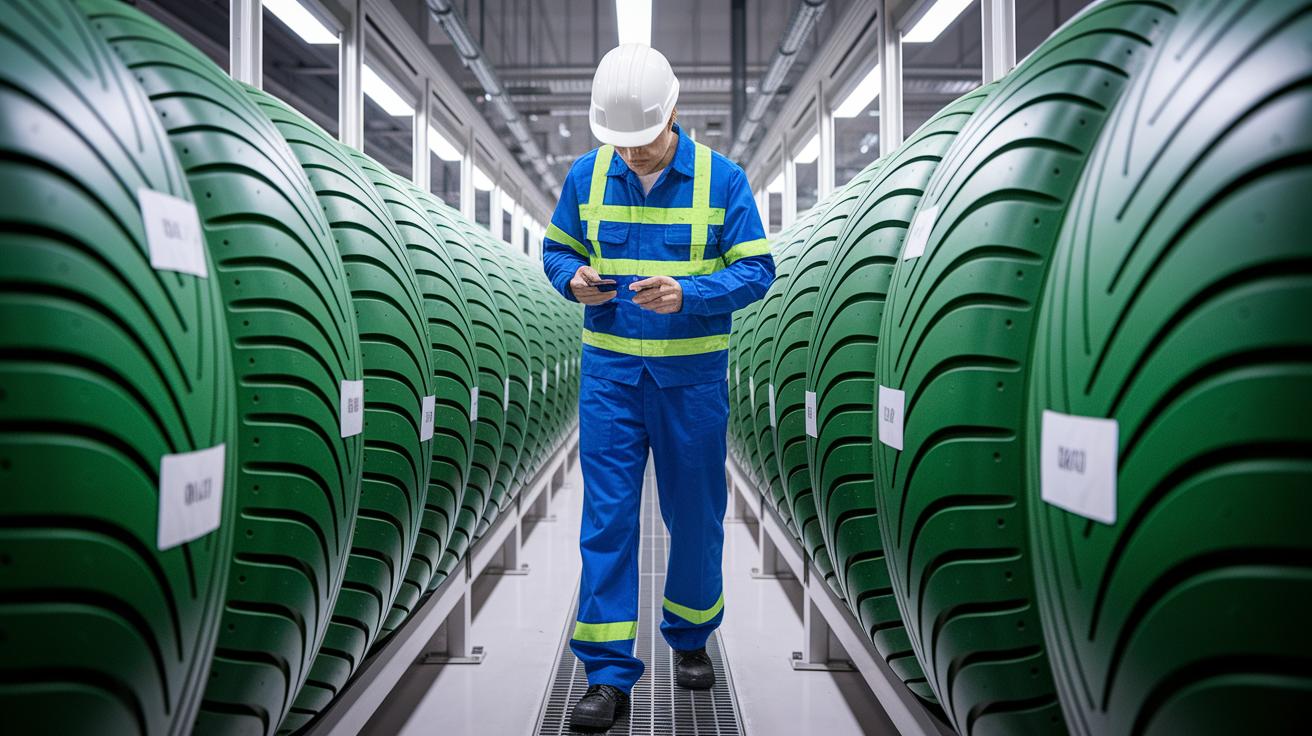
Today, tire makers are turning to greener methods by using plant-based and recyclable rubbers (rubbers made from natural sources instead of oil). They work hard to mix their materials in a way that not only holds up under pressure but can also be recycled over and over in a circular economy. These green building techniques help tires roll easier on the road, cutting down on fuel use and carbon emissions, all while keeping your ride smooth and safe even at high speeds.
On top of that, innovative production processes are pushing tire performance to new heights. Manufacturers are excited about new recyclable materials that let old tires be turned into new ones with very little waste. By using cleaner, renewable resources, the industry sets higher standards for safety and efficiency. This eco-friendly approach shows that going green can mean better driving experiences and a brighter future for tire technology.
High-Speed Durability Testing and Structural Dynamics in Tire Engineering Technology

When it comes to testing tires at high speeds, engineers put them through real-life challenges on dynamic tracks where speeds soar. They use special high-speed systems to see how tires handle the stresses of fast racing. In these tests, real-world simulators mimic hard braking, quick starts, and different temperatures to check how the tire surface wears (the gradual loss of the tire's grip and pattern) and how friction (the tire's ability to grip the road) changes. Fun fact: even at top speeds, tires can keep a steady grip, even when forces are at their peak.
In the lab, controlled tests on X3 platforms measure how much a tire bends, how forces spread out, and how its overall structure reacts. Researchers carefully apply loads that feel like normal driving to see how the tire flexes and recovers. These tests cover everything from slow wear to sudden bumps, giving great insights into how the tire’s friction changes with each condition. They even track tiny shifts in the material, which helps the engineers tweak the design for better wear resistance.
Real-world case studies, including run-flat tests (tests that show how a tire works even after it gets punctured) and evaluations of tougher sidewalls, prove tire durability in everyday conditions. These studies show that even after small punctures, tires can still hold up the weight of a vehicle safely. By repeating these stress tests, engineers gain a clear picture of how tires perform under pressure. Every test reinforces the tire’s ability to handle tough road conditions, showing that careful high-speed testing and checking the tire’s structure are key to building safe and reliable tires.
Future Manufacturing: Robotic Automation and Digital Fabrication in Tire Engineering Technology

Have you noticed how robotic tech is changing everything? Tire makers are now using smart machines and digital printing to build tires in ways we never thought possible. Manufacturers are turning to 3D-printed tire methods (imagine a printer that builds tires layer by layer) to craft custom designs faster. This not only speeds things up but also helps make every tire just right. Robots work hand-in-hand with clever computer programs to keep quality high while cutting back on manual labor.
Then there are some really exciting ideas unfolding in tire design. Picture self-inflating tires that fill up on their own with built-in pressure sensors, no more constant upkeep. And even wilder are prototypes that might let your car hover or even climb stairs. It sounds like something out of a sci-fi movie, but these innovations show us just how far digital fabrication techniques can take tire engineering. The future of tires is set to keep evolving with creativity and smart tech leading the way.
Final Words
In the action, we explored how innovative tire engineering technology is making roads safer and rides smoother. The article touched on breakthrough design strategies, smart sensors, sustainable materials, structural tests, and forward-thinking production.
Every section highlighted how advanced methods are working together to boost tire performance and safety. With these cutting-edge improvements, driving becomes a more confident and secure experience. Here's to a bright future on the road ahead!
FAQ
Q: What is a tyre technology PDF?
A: A tyre technology PDF presents detailed info on tire design and engineering, covering topics like smart sensors, polymer repair, and digital testing. It helps you understand modern tire innovations.
Q: What are tyre technology courses?
A: Tyre technology courses teach you about tire design and performance. They cover advanced rubber compounds, smart sensors, and digital analytics, giving useful insights for both professionals and enthusiasts.
Q: What are airless tires?
A: Airless tires use sturdy materials instead of air to keep their shape. They reduce maintenance, help prevent punctures, and maintain reliable grip, making your ride safer in many conditions.
Q: What are tires and what functions do they serve?
A: Tires are the rubber parts fitted to wheels that support vehicle weight and provide grip. They help absorb shock and maintain traction, ensuring a smooth and safe drive on various road types.

