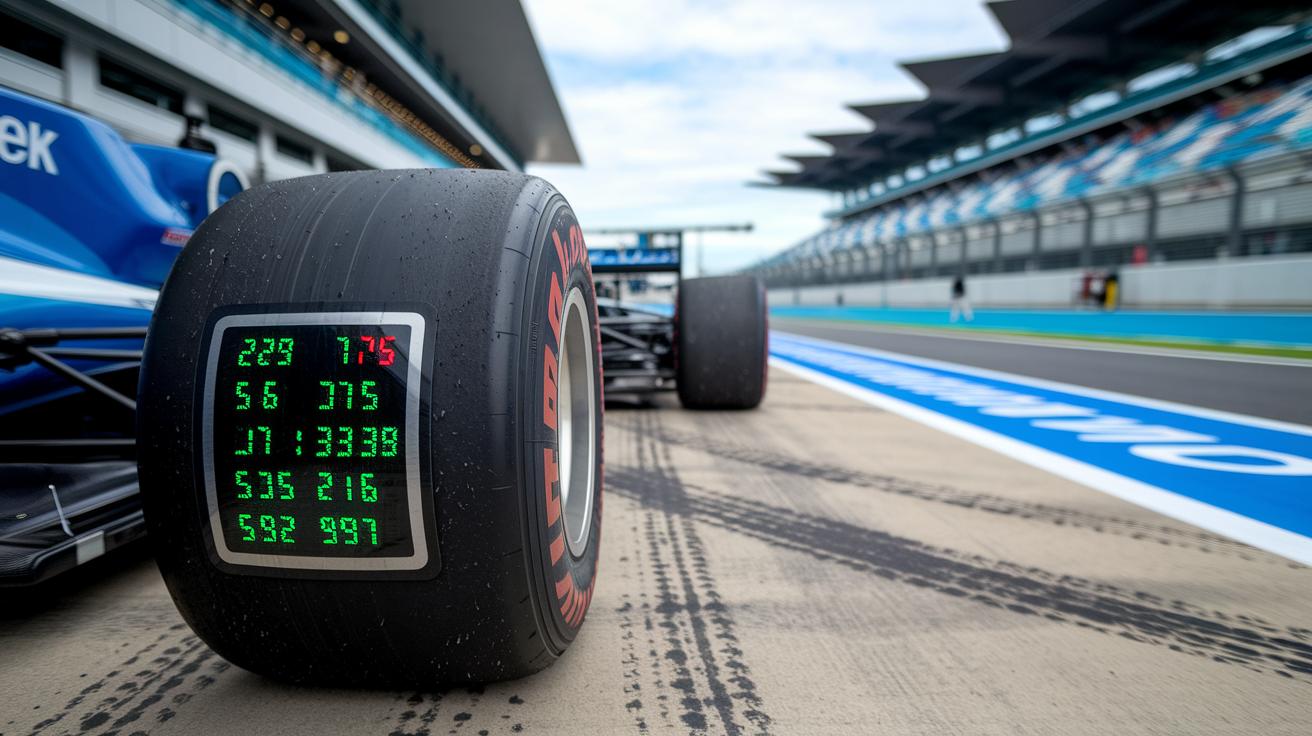


Have you ever wondered if tiny sensors could make your sports tires work even better? These small devices keep an eye on things like tire pressure, temperature, and grip (that’s how well your tires stick to the road). They quickly send all this info to your car’s control system so it can adjust on the fly for a smoother and safer ride.
In short, putting these sensors on your tires means better handling and more control every time you hit the road. Imagine feeling reassured knowing that your car is ready to tackle every curve and change in the weather. It's like having a little helper keeping watch under the hood, making sure your journey is as safe and enjoyable as possible.
Achieving Real-Time Sport Tire Performance Monitoring with Smart Sensors

Smart tires these days come with built-in sensors that keep an eye on key details like tire pressure, temperature, load distribution (how weight spreads across the tire), tread wear (how fast the tire’s surface wears out), tread depth (how deep the tire grooves are), friction (how much force helps the tire grip the road) and overall grip, all in real time. This constant check helps the car adjust its braking, speeding up, and turning when road conditions change. For example, if the sensors show that friction is dipping, the car’s control system tweaks settings to keep you secure. Fun fact: top race teams monitor tire data down to the very millisecond to fine-tune grip even on wet tracks.
Wireless sensor networks send all this important data using Bluetooth, Wi-Fi, or cellular links so it reaches your car’s control unit without delay. The onboard system then reviews these details to adjust traction control and optimize tire performance. The sensors update the car quickly so that any sudden change, like a spike in temperature, can trigger fast adjustments in how the car handles.
The data flows from sensor to control unit and even connects with external traffic systems, letting the car calculate performance on the fly. This setup works perfectly whether you’re blazing around a track or cruising on the street, ensuring every second counts for safety and comfort. For more details on how these smart tire sensors work, check out how do smart tire sensors work.
With smart sensors giving quick feedback and making on-the-spot changes, your tires are ready to deliver top performance whether you’re pushing limits on a lap or simply enjoying a smooth drive.
Selecting and Embedding Sensors for Sport Tire Integration

Modern sport tires pack tiny sensors inside the tread or sidewall that measure things like rolling resistance (how much energy is lost when the tire rolls), friction, temperature, tread wear (how fast the tire’s surface gets worn down), and pressure. These sensors deliver key info so you can adjust your driving style on the fly. When picking sensors, you want ones that check pressure, temperature, and even deformation (changes in shape when the tire is stressed) reliably. For example, a good temperature sensor should catch quick heat spikes during hard braking, much like noticing a sudden warm-up when you slam the brakes.
Wireless modules using Bluetooth, Wi-Fi, or cellular links send this data to your car’s system or mobile app without delay. Onboard microprocessors in the tire help sort out the data right there, so the main computer gets only the most important bits quickly. It’s like having a helpful friend filter out the noise for you. Making sure these modules are placed just right in the tire is key to keeping sensor performance steady and ensuring accurate readings.
- Fit sensors in both the tread and sidewall.
- Test sensor spots to keep interference to a minimum.
By avoiding a flood of raw data, your car can make smooth, real-time performance adjustments.
High-Speed Data Acquisition and Logging in Sport Tire Monitoring

Sport tire sensors work really fast, sampling data thousands of times every second. They catch quick bursts of heat, sudden wear on the tire surface (how fast the tire's outer layer wears down), and even slight shifts in load when you take a sharp turn or hit the brakes hard. It's a bit like a camera snapping pictures in rapid succession, you never miss a moment of the action.
On board, small computers inside the tire work with smart algorithms. These simple programs filter out extra data and shrink the important bits so that only the key details make it through. Imagine looking through a batch of photos and keeping only the ones that show the best moments of your day.
After that, mobile telemetry systems step in. They send the clean, useful data to dashboards or cloud platforms where people can check it live or save it for later. Think of it like a pit crew watching real-time stats on a tablet to fine-tune the car's setup during a race.
- Measure rapid changes in tire behavior.
- Use smart algorithms to trim the extra data.
- Send the key info smoothly to the dashboard.
Communication Protocols and Low-Latency Data Transmission
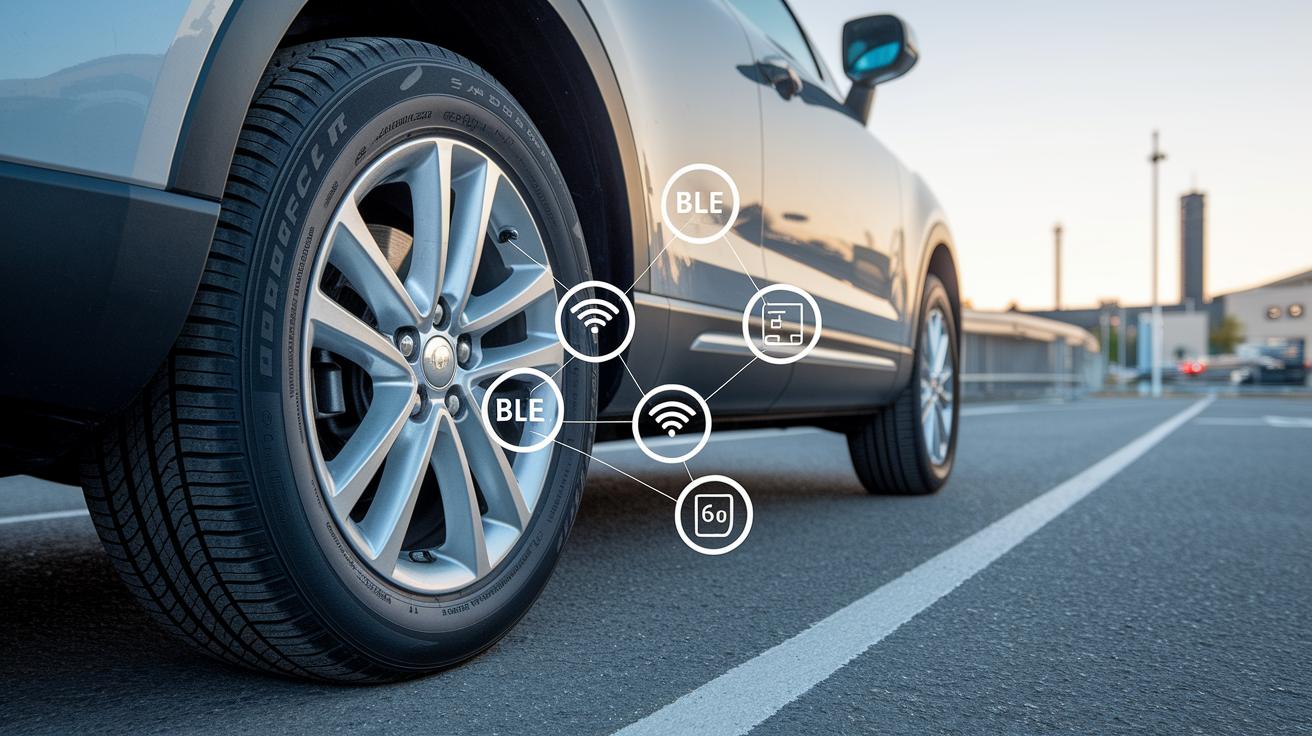
Wireless modules like Bluetooth Low Energy, Wi-Fi 6, and cellular IoT each bring their own perks. Bluetooth Low Energy works best when you need to save power, while Wi-Fi 6 is all about handling heavy data loads quickly. Cellular IoT is the choice when you need a wide area to be covered.
These devices use smart software methods like packet-level acknowledgments and prioritization queues. In simple words, important tire info gets sent super fast to your car’s control system. Onboard microprocessors in the tire even do a bit of early work by shrinking raw data before it goes out. This step cuts down on the amount of information traveling over the air, keeping delays to a minimum.
- Use Bluetooth for short-range, efficient transmission.
- Prioritize key data packets for real-time alerts.
- Employ onboard microprocessors to reduce load.
Together, these techniques ensure that any quick changes in your tire’s performance are communicated right away. Fast response time is really the name of the game on the road.
Onboard Analytics and Adaptive Grip Optimization in Sport Tires

Modern sport tires come with built-in sensors that work together to give you a smooth stream of performance data. The system watches key details like tire pressure, temperature, and friction (that’s just a simple way of saying how your tire’s grip might wear down). This lets the car adjust things like suspension and power delivery on the fly, keeping your ride steady no matter what the road throws your way.
A handy dashboard shows live updates, including maps of tire pressure and color-coded tread temperatures. Imagine checking a display that gives you a play-by-play of how every bit of your tire grips the road. With this clear view, both you and the engineers can quickly adapt your driving style to match the tire’s condition.
It also balances rolling resistance (how hard it is for the tire to roll) with grip, saving energy and shaving off a few crucial seconds on the track. By smartly merging data from several sensors, the system tweaks your car’s settings in real time for the best possible grip every time.
- Keep an eye on tire condition in real time.
- Adjust suspension and power delivery for a secure grip.
- See live data on an interactive dashboard.
Calibration and Predictive Maintenance for Sport Tire Sensors

When you're out on the track, you need your sensors to be spot on. Routine calibration is like checking your fuel gauge, it makes sure each sensor reading is compared with trusted conditions, keeping the data sharp and reliable. Think of it as giving your tire a quick look-over before a long drive.
Then, predictive maintenance steps in to help you avoid surprises. Trend analysis watches for signals like pressure shifts and tread wear (the gradual wearing down of a tire’s surface) over time. This way, problems can be spotted before they turn into big issues, maybe even preventing a blowout. It’s like getting a friendly nudge when something seems off, so you can check in early.
- Calibrate your sensors by comparing their readings to known loads.
- Use smart algorithms to catch any readings that go out of the normal range.
- Regularly check data and monitor how the tire handles different loads to spot changes early.
These steps work together to keep everything running smoothly, just like having a trusted co-pilot on your next adventure.
On-Track Case Studies of Smart Sensor-Equipped Sport Tires

Bridgestone Potenza SportTech is all about keeping you connected with your car through a blend of pressure, temperature, and deformation sensors (which check how the tire is changing under pressure). These smart sensors are built right into the tire, constantly sending clear data to the car’s control unit so that the suspension can be adjusted on the fly. In both lab work and real on-track trials, drivers saw lap times improve by up to 1.2% when the car settings were fine-tuned using this live sensor data. So, when you’re speeding through a tight corner, the sensors notice even tiny changes in pressure and temperature, helping your car adapt quickly and keeping you in control.
Michelin Pilot Sport Connected takes a different route by focusing on strong, real-time communication within your car. This tire sends important messages like pressure changes and temperature shifts straight to a handy in-vehicle display. That way, both engineers and drivers can check out the live stats, like temperature maps and how the pressure is spread out across the tire. It’s a bit like having a dashboard that tells you exactly how your ride is handling, so you can tweak your driving style and keep the suspension perfectly in tune with the track.
The innovative spirit doesn’t stop there. Some prototypes, like the Pirelli Cyber Tire, have also shown big wins. In endurance racing tests, their smart system predicted wear so accurately that unscheduled pit stops dropped by 25%. Imagine slowing down your pit stops just by keeping an eye on your tire’s heartbeat!
- Lap-time improvements of up to 1.2% were seen with real-time sensor feedback in the Bridgestone Potenza SportTech.
- Endurance races enjoyed a 25% reduction in unscheduled pit stops thanks to the Pirelli Cyber Tire’s predictive maintenance.
Final Words
in the action, our blog showed how precise sensor data helps optimize sport tire grip and control. We explored tire sensors that measure pressure, temperature, and tread wear while onboard analytics convert that information into live feedback for better performance. Integrating smart sensors for real-time sport tire performance monitoring makes your ride safer and more responsive. This smart approach ensures you get the most out of your tires under various conditions. Enjoy the smooth ride ahead and the boost in confidence that comes with top-notch tire performance.
FAQ
How do smart sensors provide real-time sport tire performance monitoring?
The real-time sport tire performance monitoring uses smart sensors that continuously track pressure, temperature, and friction, feeding this data to onboard systems that immediately adjust braking, acceleration, or cornering.
Can you program your own tire sensors or add a tire pressure monitoring system?
Programming your own tire sensors usually requires specialized tools and expertise, so adding a tire pressure monitoring system is best done by professionals to guarantee accurate calibration and safe operation.
What are the three types of tire pressure monitoring system sensors?
The three types are direct sensors that measure pressure itself, indirect sensors that infer pressure using wheel speed data, and hybrid systems that combine both methods for more precise readings.
Do TPMS sensors automatically sync?
TPMS sensors typically sync automatically during installation or after a calibration process, allowing them to start transmitting tire data to your in-vehicle system without extra steps.
How is sport tire sensor integration different from truck or commercial tire systems?
Sport tire sensor integration emphasizes rapid, on-the-fly performance adjustments for track and street use, whereas truck and commercial systems focus on monitoring load, wear, and pressure over longer distances.
What does installing a Continental TPMS sensor involve?
Installing a Continental TPMS sensor involves embedding the sensor into the tire structure to capture key data such as pressure and temperature, then linking that data to the vehicle’s monitoring system for real-time updates.
How do manufacturers choose sensors for smart tire systems?
Manufacturers select sensors based on factors like accuracy, durability, and wireless compatibility so that the smart tire system delivers precise, fast feedback for performance-enhancing adjustments.
What details are available about the Continental Tire Clinton, MS salary?
Salary information for positions at Continental Tire in Clinton, MS isn’t covered in the technical details here; you can find current figures by checking local job listings or company career pages.

