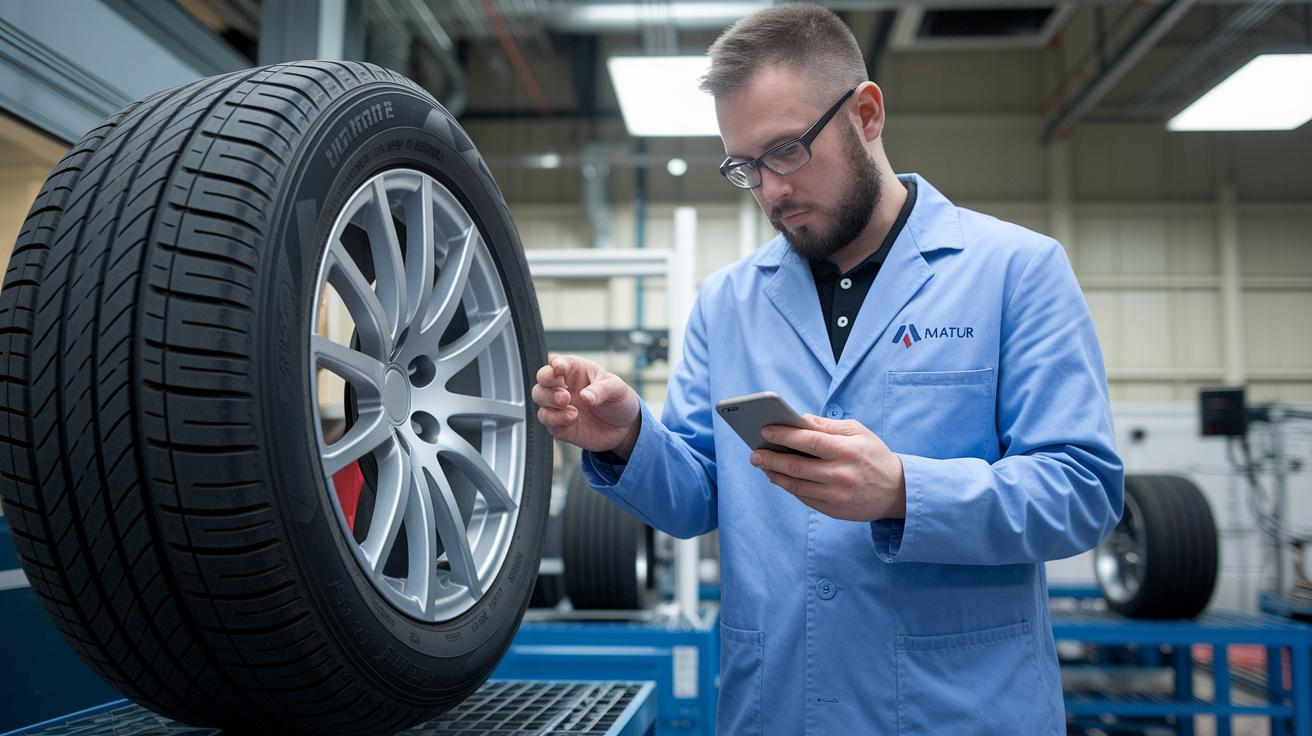


Ever thought about how smart computers are changing tire tests? These clever systems use easy-to-understand codes and computer models (simulations) to check how a tire does in a digital lab. They let engineers do tests that feel like a real drive.
Imagine a tire that tells you when its grip is good or when it starts to wear down on wet or uneven roads. It's like having a tiny sensor that keeps an eye on your safety for you.
In this blog, we're diving into how these AI tools are speeding up tests to help make tires last longer and perform better. You might even wonder if tire testing will ever be like it was before.
How AI Transforms Tire Performance Analysis: An Overview
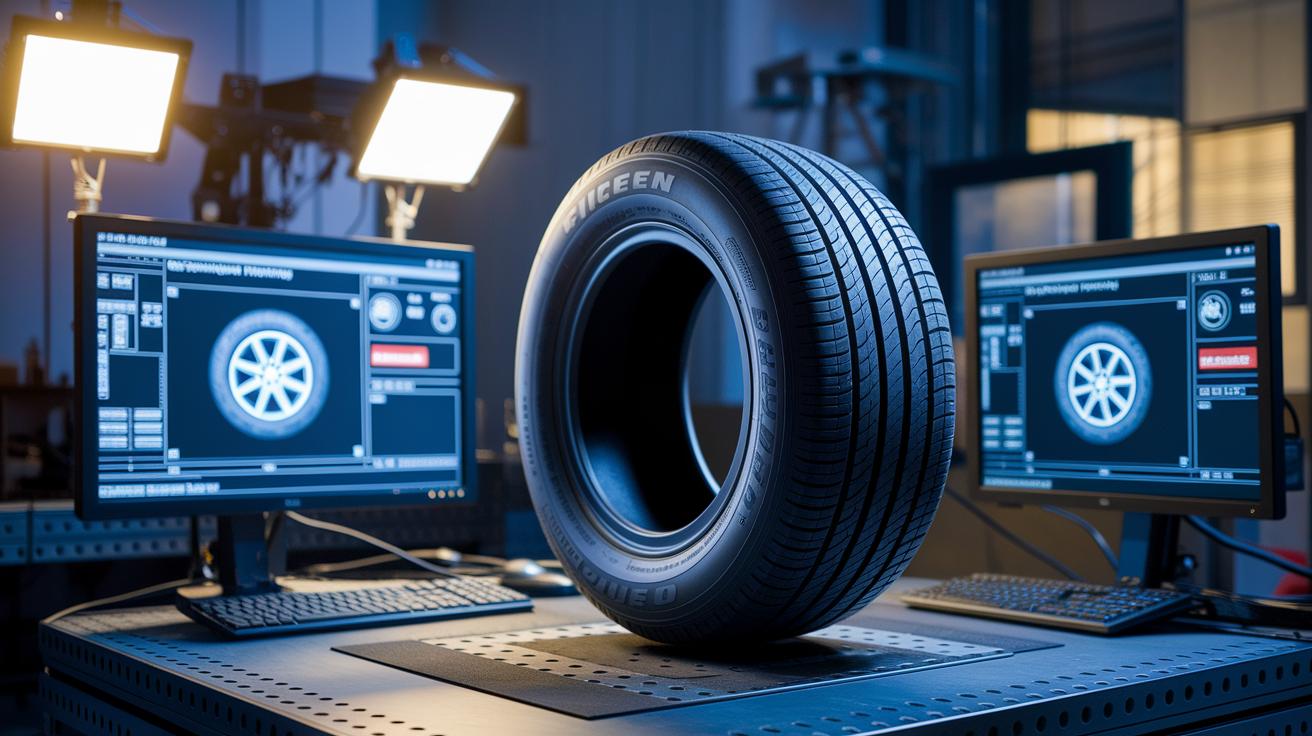
Have you ever wondered how AI is changing the way we look at tire performance? With smart algorithms and detailed simulations, engineers are now testing tires in a virtual world. Imagine a tire running through different scenarios, varying loads, changing temperatures, and slippery roads, right on your computer screen. One cool fact: during prototype tests, engineers found that these digital tests could predict tread wear (that is, how quickly the tire surface erodes) almost as accurately as real-life tests, cutting trial cycles by more than 30%.
Next, this digital transformation brings data right up front, so adjustments can be made even before a tire is built. AI tools simulate everything from everyday city driving to high-speed highway conditions. Picture this: advanced software crunches the numbers to show how a tire handles extreme braking, a process that used to take weeks in the lab. This approach not only speeds up testing but also means we get tires that hold up better and last longer.
Even the latest models, like the ReCharge tire and other high-performance designs, are benefiting from these innovations. Detailed virtual tests mimic different road grips and temperature changes, helping manufacturers meet high safety and quality standards every time. In truth, thanks to AI, the process of making tires is becoming as smooth as a well-tuned engine, ready to take on any road ahead.
Machine Learning Enhanced Tire Testing in AI-Driven Performance Analysis
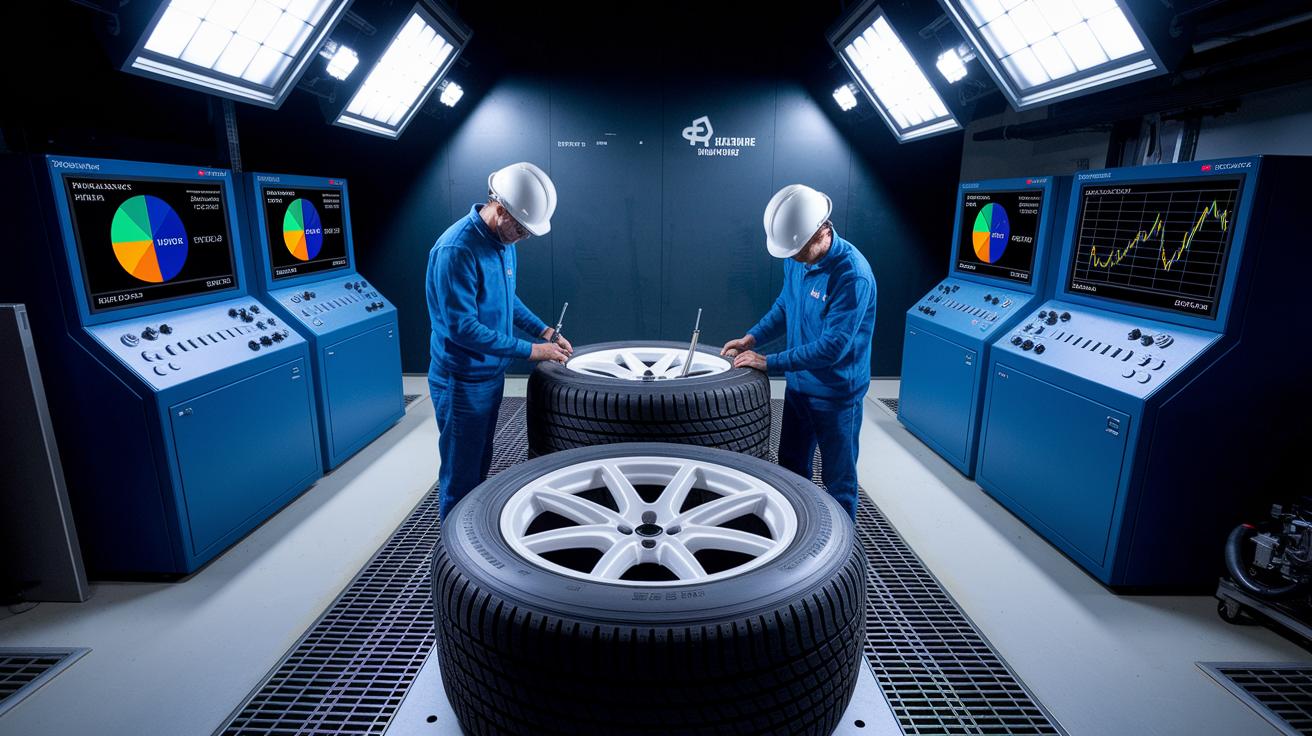
One tire test lab shaved nearly a week off its standard testing time by fine-tuning its predictive models with fresh analytics methods.
Recent pilot tests are showing us how manufacturers beat everyday hurdles. For example, one lab used a smart detection tool (an anomaly detection algorithm, which means it spots patterns that don’t belong) together with digital tire performance data to find issues before any real tests began. This study shows teams have to handle tricky tasks like setting up sensors correctly (sensor calibration) and mixing data smoothly.
Engineers are now trying out new techniques like multi-variable regression and unsupervised clustering (a way to group similar information without extra help). These methods change raw numbers into clear, useful simulation models, even catching tiny stress patterns that older methods usually missed.
Deep learning still plays a big part in checking tire tread wear (how quickly a tire’s surface gets worn down). In one case, a lab found that by using better training data, they fixed early overestimations in wear, which sped up their testing cycle and boosted overall efficiency.
Sensor Fusion and Real-Time Monitoring in AI Tire Performance Analysis

Tires these days come with built-in sensors that let you know how they’re doing. Manufacturers are adding sensors for pressure, temperature, and even changes in the tire’s shape (deformation sensors) so you can get live updates on how your tire is feeling. Imagine driving in the rain and getting a little alert when your tire’s grip shifts, it’s like a quick message from your car.
This smart sensor data goes straight into AI programs that mix signals from all these sensors. These programs give a clear view of the road grip and tire performance in real time. It’s like having a friend constantly checking on you as you drive.
The system keeps track of your tire every moment. Data is sent non-stop for analysis, whether you're cruising down the highway or navigating a curvy, wet road. Picture your vehicle turning a bend with a steady hum and your tire quietly telling you if a slight change in pressure or temperature means you need to adjust your drive.
Key sensor types include:
| Sensor Type | Description |
|---|---|
| Pressure sensor | Checks the air pressure inside your tire |
| Temperature sensor | Keeps an eye on how hot the tire is getting |
| Deformation sensor | Monitors any changes in the tire’s shape (like bending) |
Each sensor plays its part in feeding data to the fusion system, which helps keep your ride safe. Advanced tools, like TireTech’s 3D AI inspection tool, show how real-time tracking can extend tire life by keeping close tabs on tire health. Next time you’re interested in how this all works, check out more on Automotive sensor technology at https://unionno.com?p=1182.
Predictive Analytics for Tire Maintenance and Longevity in AI Performance Analysis

Using data to check tire wear is changing how we know when to rotate tires or replace them. By studying past tire wear (that slow thinning of the tire’s top layer), these insights tell us when a tire might be ready for a swap. This means drivers get solid, data-backed advice to keep their rides running smoothly without unexpected stops.
Imagine tire sensors working like little detectives. They send clues into smart computer models that spot wear issues weeks before they become real problems. This method finds early signs of tire damage that even keen eyes might miss. And as your car keeps rolling, fresh data updates the system, making sure maintenance tips stay in tune with how your tires actually perform.
Plus, these smart checks not only help avoid surprises on the road but also make tires last longer by fine-tuning when they need a check-up. By matching what’s happening now with past trends, drivers and fleet managers get fewer mishaps and a more reliable ride. In short, predictive analytics brings a steady, smart approach to tire care, mile after mile.
Digital Modeling and Neural Simulation for Tire Performance Analysis
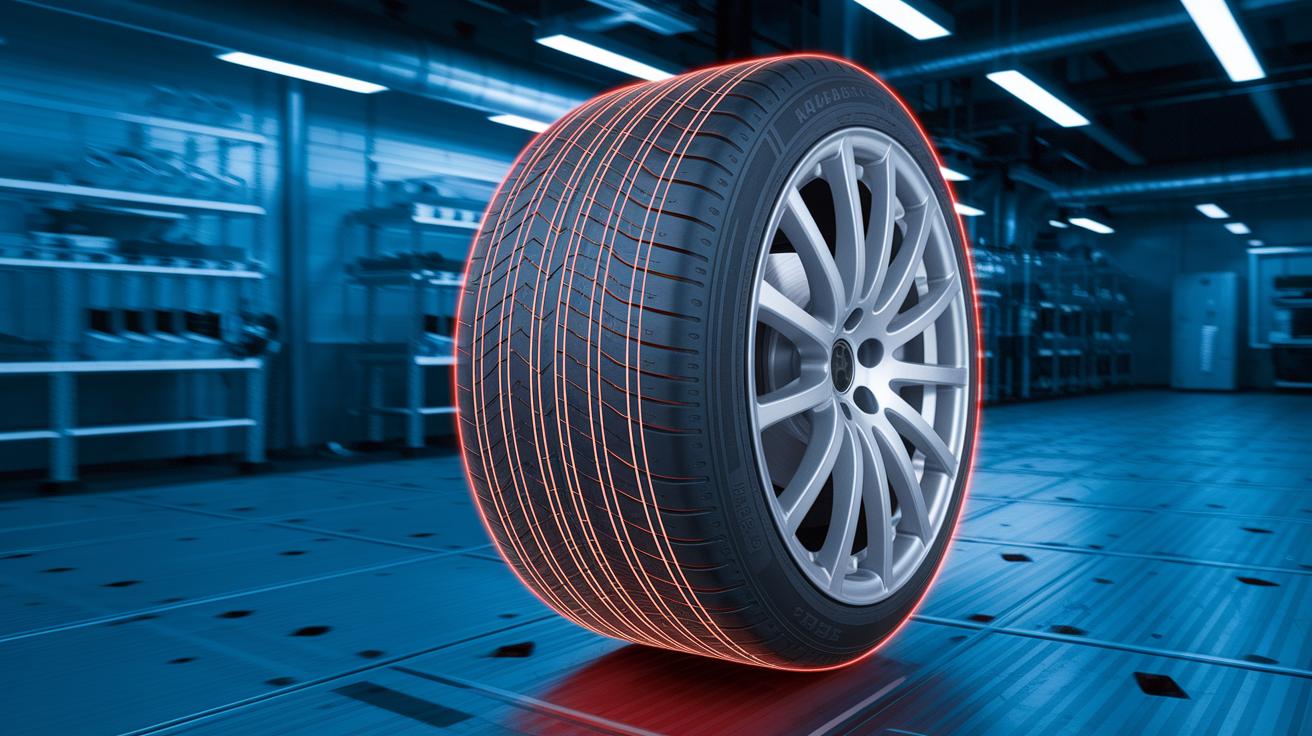
Picture this: digital twin tools let you watch a tire's reaction to cornering, hard braking, and heavy loads. They simulate how the rubber bends and heats up, almost like you’re seeing a live show of friction and flex. Fun fact: digital twins can even show the tire's behavior during strong braking, picking up stress points that might slip past even the most experienced engineers.
Then there’s neural network optimization. In simple terms, computers learn from thousands of lab tests to fine-tune tire materials and tread designs (the patterned part on tires that touches the road). Manufacturers use these tips to perfect the tire design before making a single one. This smart process not only boosts performance but also saves time and money by cutting down on trial-and-error. Imagine a neural simulation suggesting tiny tweaks in the tread so your tire gets better grip on wet roads, all in just a few hours.
Digital twin technology also creates a virtual testing ground. It’s like having a digital playground where new tire designs are pushed to the limit, predicting real-road results without a ton of physical trials. Using computer models, engineers can see how weight spreads out across the tire in different conditions, making design tweaks faster and more accurate.
| Key Feature | Benefit |
|---|---|
| Digital Modeling | Simulates tire behavior in both everyday drives and extreme conditions |
| Neural Network Optimization | Speeds up design changes and improves performance |
| Digital Twin Testing | Offers quick, cost-effective checks in a virtual setting |
Manufacturers now harness tire design simulation technology to perfect these virtual models, ensuring every tire meets the high standards of performance and safety.
AI-Driven Quality Control and Defect Detection in Tire Performance Analysis
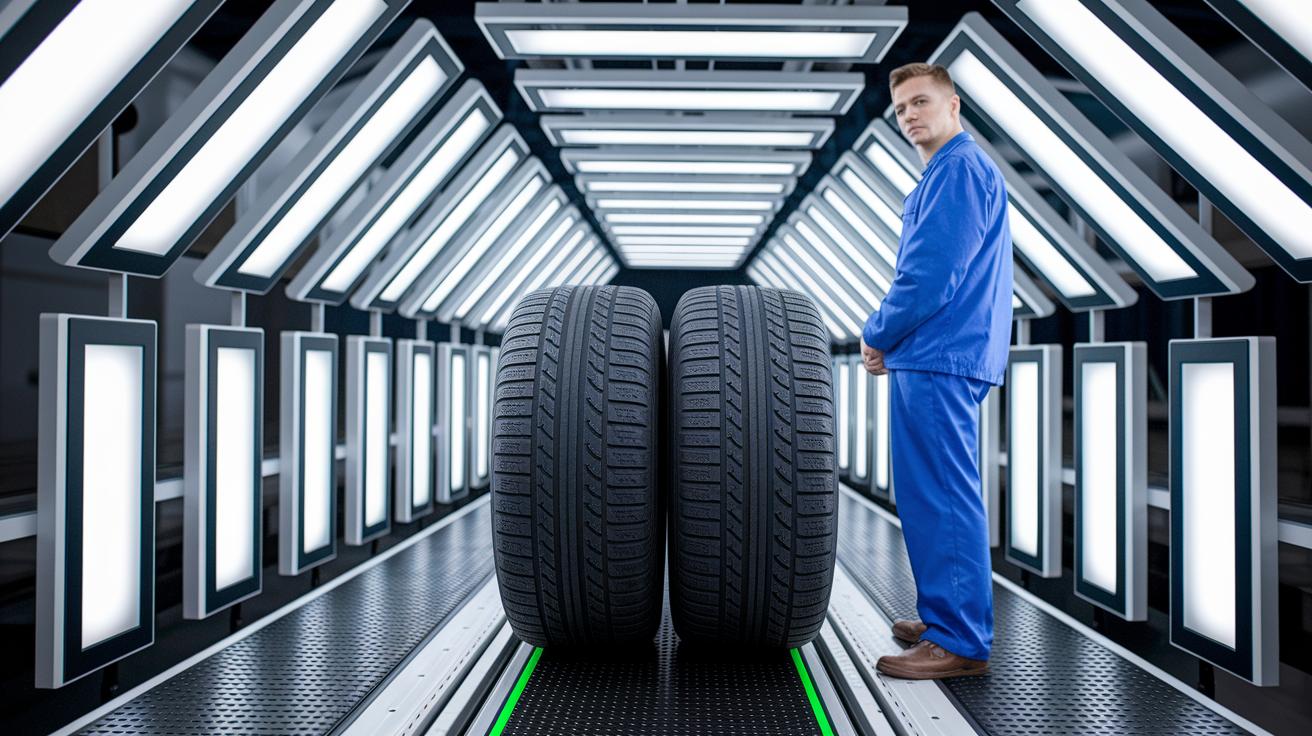
Imagine a tire factory that never sleeps, where every tire is looked over all day and night. AI tools work like extra-sharp eyes, using picture checks to spot tiny bumps and uneven wear on the tire surface almost as soon as they appear. Did you know one system once caught small defects with over 98% accuracy during nonstop checks? These smart systems notice even the tiniest flaws, much better than when someone just glances over.
Then there’s another cool trick. The machines use tests like X-rays and laser scanning (these are safe ways to see inside a tire without breaking it) to check each tire’s inner parts. They learn from each scan to catch hidden issues that are hard to see with the naked eye. By mixing these smart tests with computer predictions about tire behavior, manufacturers can even spot weak spots before the tire leaves the line.
In truth, when all these methods join forces, the production line gets really close to perfection. The ongoing checks make sure every tire meets top safety and durability standards. With these AI-powered tools, tire makers can reduce mistakes and deliver tires you can count on every time you hit the road.
Future Outlook and Case Studies in Integration of AI in Tire Performance Analysis
Before using AI, tire performance tests were slower and less accurate, but now they can predict wear patterns almost instantly.
In Germany, TireTech is blending 3D scanning and AI to decide if a tire should be remanufactured or recycled into tiny granules. It’s a smart, high-tech check-up that helps factories choose the best path for each tire. Imagine a tire being scanned from every side, spotting even the smallest flaw, just like getting a quick health exam at the doctor’s.
Coming up next are virtual trials using AR and VR that let manufacturers see how a tire handles rain or snow without it ever leaving the lab. Picture slipping on a VR headset and watching a tire take on different weather conditions. This new approach not only makes designs more precise but also builds the future of predicting tire wear and tear with confidence instead of guesswork.
There are still a few bumps on this high-tech road. Companies need to secure clean data and blend modern AI with older machines not built for today’s technology. Engineers are running pilot projects where AI simulates stress and load patterns early on, helping factory teams adjust their maintenance and boost tire reliability.
Final Words
In the action of exploring how AI transforms tire performance analysis, we took a look at advanced tire testing, sensor fusion, and digital modeling. We saw how machine learning and real-time monitoring help predict tread wear and extend tire life. With insights on quality control and predictive analytics, what stands out is the great impact of the integration of AI in tire performance analysis on maintaining safety and boosting performance. It’s all about making smart, confident choices on the road.
FAQ
What is an example of integration of AI in tire performance analysis?
The integration of AI in tire performance analysis is seen when advanced algorithms and simulations, such as those used in the ‘ReCharge’ tire prototype, optimize durability and predict real-world performance.
How many AI use cases is Continental Tires developing?
The information indicates that Continental Tires is developing four main AI use cases to enhance aspects like performance prediction, sensor fusion, testing efficiency, and quality control.

