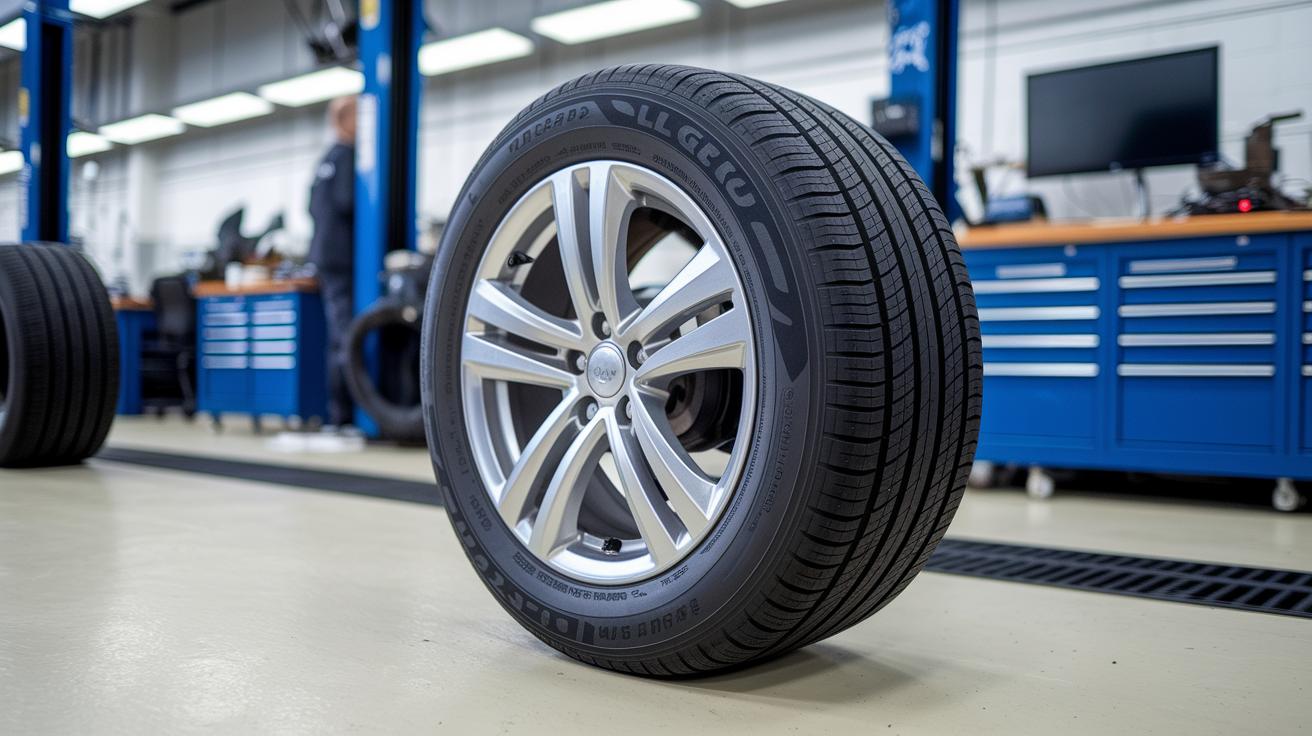


Ever wonder if your tires could give you a heads-up before a problem strikes? Smart tires now work with tire pressure monitoring systems that do more than just check your air pressure. They also track things like temperature, tread wear (that is, how quickly the tire's surface wears away), and even signs of overheating.
This smart setup means you get alerts early on, helping you stay safe on the road while keeping your vehicle in top shape. In truth, it's like having a friendly pit crew riding along, making sure you're ready for any surprises along the highway.
Smart Tire Integration with TPMS: Core Mechanisms and Benefits

Smart tire integration gives your tires a boost by adding built-in sensors. These little helpers check tire pressure, how fast the tread is wearing (that’s how quickly the tire surface erodes), temperature, and even if the tire is getting too hot. They work hand in hand with your TPMS (tire pressure monitoring system), catching issues early. Imagine driving along and seeing a message like "Warning: Tire tread is uneven", it’s like a friendly nudge saying, "Hey, check your tires before it turns into a bigger problem."
Since 2008, U.S. law has required TPMS to keep an eye on tire pressure and alert you when it drops too low. But smart tires go further. They don’t just watch pressure; they check several things that can signal trouble ahead. Studies even suggest that tires running at 75% of the right pressure can reduce fuel efficiency by 2–3%. And if the pressure falls to about 50%, your fuel efficiency might dip by 5–10%. Pretty eye-opening, right?
These sensor networks also help extend tire life by letting you know when they’re getting worn out. This means you can avoid unexpected blowouts and lengthy tire disposal periods. It’s like getting a heads-up before a pit stop, so you’re not caught off guard. This proactive approach makes driving safer and can even boost how well your vehicle runs on the road.
Sensor Technologies in Smart Tire and TPMS Integration
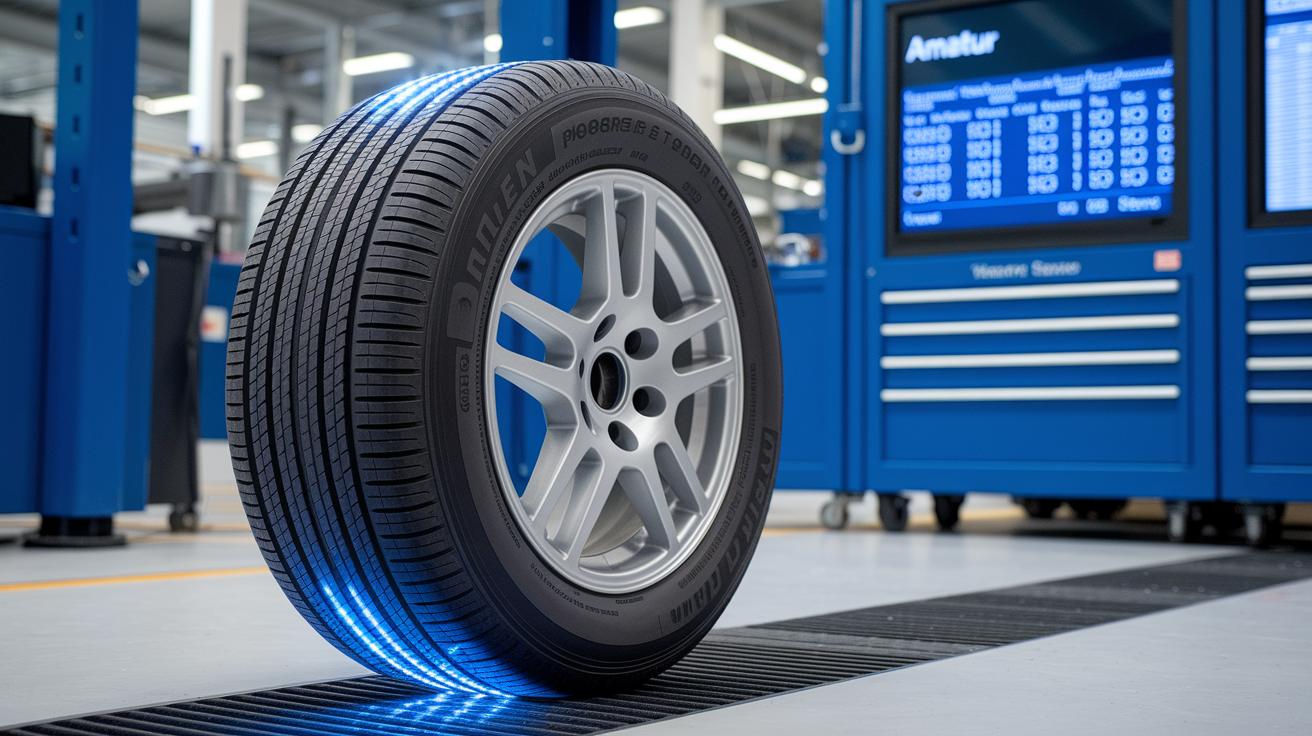
Smart tires have built-in modules that work with a special sensor mesh inside the rubber. They gather key data like air pressure, temperature, tread wear (which shows how quickly the tire's surface wears out), and even the road's condition. Manufacturers fine-tune these sensors so the information sent to your car’s computer or phone app is spot-on and up-to-date.
Wireless signals, often through Bluetooth or something similar, act as the backbone of these sensor networks. This setup means you get instant updates, so if something feels off, you're alerted right away. The sensor pieces are cleverly placed inside the tire, usually along the inner liner or near the valve stem, so they blend in naturally without messing with performance. Imagine getting a quick text saying, "Temperature rising fast – check your tire." It gives you time to act before any trouble grows.
Older TPMS sensors usually need to be replaced or recalibrated every 5 to 10 years, which shows how important a solid sensor design is. With smart sensors, you enjoy constant monitoring that not only boosts safety but also helps your tires last longer. It’s a win-win for every driver, making your ride smoother and safer overall.
Data Transmission and Calibration in Smart Tire TPMS Integration

Smart tire systems use a bunch of sensors that keep track of your tire pressure, temperature, and tread wear (how quickly your tire's surface wears down). These sensors send the info straight to your car’s computer or a connected app, thanks to wireless tech like Bluetooth. Imagine cruising along and getting a quick message on your dash, "Temperature rising – check tire now." It’s like having a friendly reminder while you drive.
The magic behind these alerts is in the advanced pressure algorithms. They mix data from all the sensors, sort of like putting together pieces of a puzzle, to give you clear warnings. One minute, your display might pop up with a note saying, "Brake performance could be affected by low tire pressure!" All these pieces coming together help you see what's ahead, like icy patches or bumpy roads.
All this data keeps flowing, so the system needs to handle a lot of information while keeping it secure and private. Just as your phone updates its apps to stay sharp, smart tire systems recalibrate their sensors regularly to keep accuracy. And with new AI tech joining the ride, these systems are starting to predict problems before they happen, giving you smart alerts to keep your journey safe and smooth.
Comparative Analysis: Traditional TPMS vs Smart Tire Integration

Old-school TPMS keeps an eye on your tire pressure and lights up a warning if it drops too low. It’s a simple, one-way signal that something isn’t right but leaves you guessing about the root cause.
On the other hand, smart tire integration really steps it up. It not only checks air pressure but also watches tire temperature, tread wear (how fast the tire surface wears down), and overall tire health. Imagine getting a detailed heads-up from your car, like, "Hey, your tire temperature is rising and the tread is starting to wear unevenly." That kind of early warning lets you get it checked before a small issue turns into a big, expensive problem.
Plus, smart systems use two-way digital communication. This means they talk back and forth with your vehicle’s onboard systems to adjust wheel pressure settings and monitor smart inflation more precisely. While the cost to set up a smart system might be higher at first, it helps prevent early tire wear and reduces replacement expenses over time, saving you money in the long run.
Industry Applications and Case Studies of Smart Tire Integration with TPMS

Fleet operators enjoy a smoother ride thanks to smart tire tech that gathers real-time tire info. They get details like tire pressure and are alerted when it’s time for a check, think of it as your car’s friendly nudge to keep you safe. Imagine getting a note that says, "Tire pressure low – schedule a check soon." It helps avoid those unexpected bumps on the road.
Electric vehicles also get a big boost. Smart tires keep a close watch on pressure and temperature, kind of like checking the weather before a long drive. One study even showed that this careful monitoring can trim energy waste, much like glancing at your fuel gauge to know when you’re running low.
In the fast-paced world of high-performance racing, every second counts. Racers use detailed tread-wear data (the rate at which the tire surface wears down) to plan quick tire changes during pit stops. This proactive approach ensures they have the best grip on the track, making each pit stop count.
And when it comes to fleet maintenance, these insights are a game changer. Maintenance teams can line up tire repairs or replacements right when needed, skipping those unexpected delays. It’s like setting a reminder for yourself, so you’re always ready to hit the road safely and efficiently.
Challenges and Future Innovations in Smart Tire-TPMS Integration
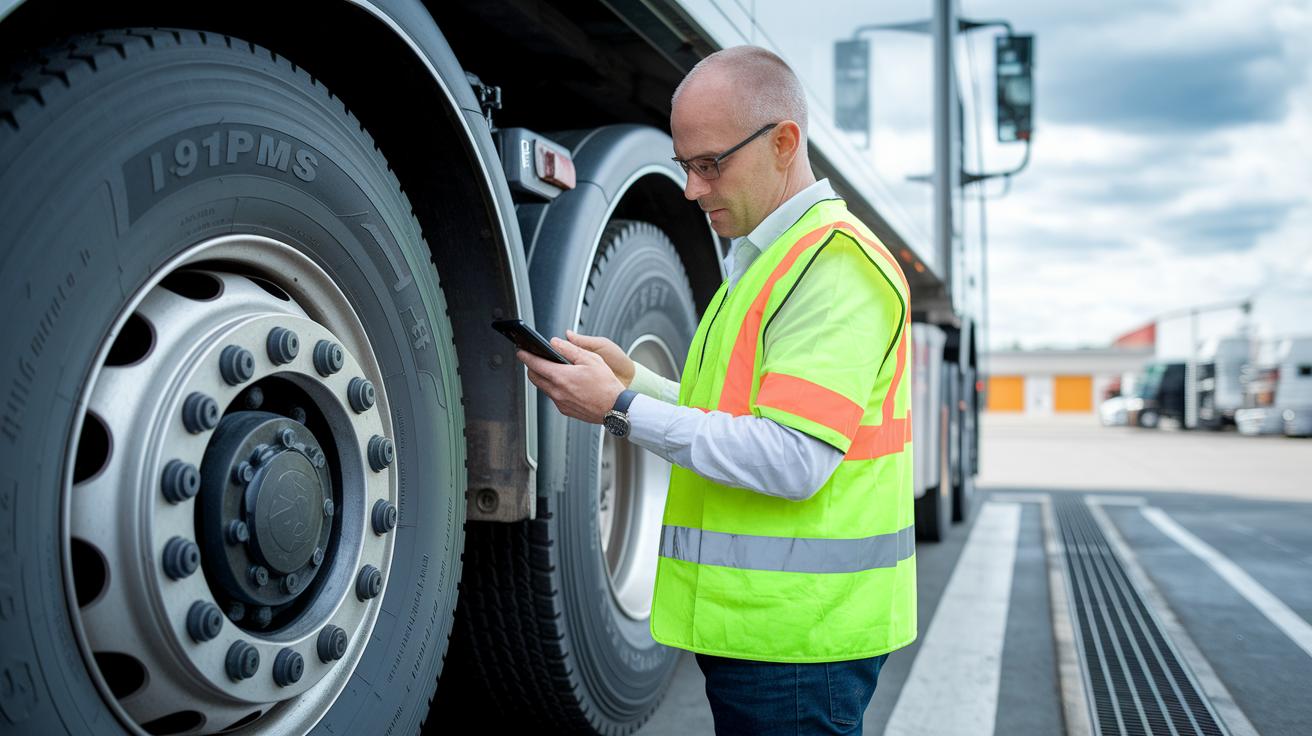
Many drivers and fleet operators face the high upfront cost of smart tires. Advanced sensor technology drives the price up, and TPMS sensors (those are the devices that keep an eye on tire pressure) need replacement or recalibration every 5 to 10 years, which adds to the overall cost. Plus, wireless data transmission brings its own set of issues like storage, privacy, and handling data properly. For example, a fleet manager might get a message saying, "Data usage exceeding optimal thresholds – check system settings." It shows just how tricky it can be to balance advanced monitoring with data security.
On the bright side, the industry is making steady progress toward better standards that help different systems work together. This means that smart tire systems and older TPMS setups could soon communicate more easily. Imagine your car’s system syncing perfectly with an external data hub to provide real-time insights with fewer glitches.
Car makers are also leaning into cloud-connected data to predict tire performance issues before they become big problems. Future sensor trends point to smarter calibration practices where firmware (the built-in software in the devices) gets optimized so that recalibration happens less often while still boosting performance accuracy.
Drivers with high mileage and fleets that need constant readiness will likely see the biggest benefits as these improvements roll out. For everyday driving, the standard TPMS still does the job, but the promise of integrated smart systems is clear. For fleets, EVs, and high-mileage drivers, a high return on investment hints that we’re only at the start of a new era in tire technology.
Final Words
In the action, we explored how smart tires with tire pressure monitoring systems go beyond basic alerts. We talked about built-in sensors, real-time data sharing, and the benefits of knowing tire health from pressure to tread wear. The article compared older systems with these modern innovations that offer a closer watch on safety and fuel use. Each point helps you see how updated auto tech can keep your ride running smoothly.
May your wheels always roll safe and sound.
FAQ
A: The integration cost refers to the price of adding smart sensors into tires that work with TPMS. Prices vary by design, vehicle type, and brand, impacting safety and efficiency.
A: A semi TPMS uses a simpler sensor setup to check tire pressure and alert drivers when levels drop. It provides basic warning functions with a lower cost than full systems.
A: Continental intelligent tires include sensors that measure pressure, temperature, and tread wear. This technology helps drivers keep tabs on tire health and maintain safe driving conditions.
A: Tire pressure sensor replacement is needed when the sensor shows signs of calibration drift or reduced accuracy after 5–10 years, ensuring your TPMS remains reliable.
A: A truck TPMS provides real-time pressure alerts on heavy vehicles, helping operators catch low pressure early to improve safety and reduce tire wear during long hauls.
A: A TPMS sensor is a small device in each tire that measures air pressure and temperature, sending data to alert drivers of any safety risks while driving.
A: Intelligent tires feature built-in sensors that track pressure, temperature, and tread wear. This added insight helps prevent tire-related issues and supports proactive vehicle care.
A: A Continental sensor tire has embedded technology to measure critical metrics like tire pressure and temperature. It sends real-time data to a vehicle’s monitoring system for enhanced safety.

