


Ever wonder if your tires might be giving you a little heads-up about how they're doing? When you see that the middle of a tire is wearing out faster than its edges, it might be a signal that it’s time for a rotation (swapping the tires around so they wear more evenly).
Catching these signs early can help keep your ride smooth and might even save you money down the road. In this post, we’ll show you how to spot the different wear patterns and figure out when your tires need a little extra care.
Stick with us, it’s an easy way to make sure your tires get the attention they deserve.
How Tire Wear Patterns Reveal Ideal Rotation Timing
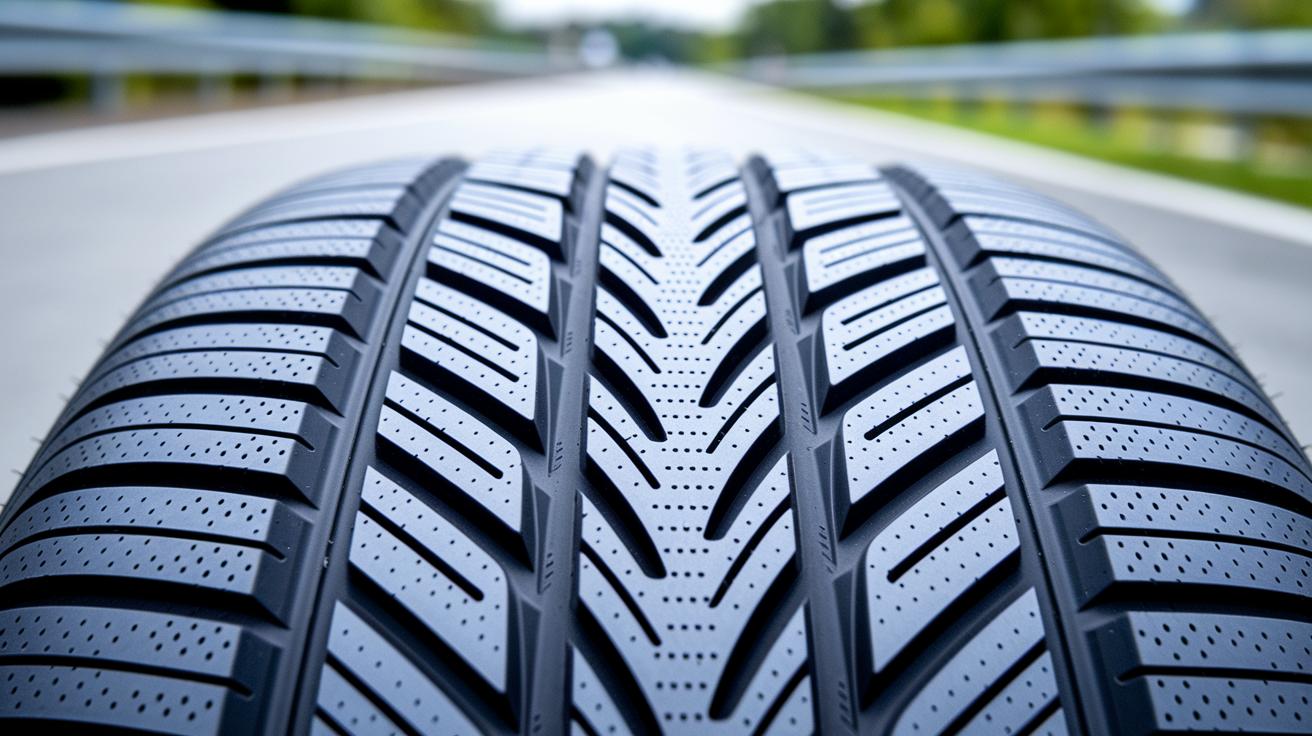
Your tires are one of the most important parts of your car, keeping you safe and making sure your ride feels smooth. When you give your tires a look-over, start by checking how the rubber is wearing down. For example, if you see that the center of the tire wears out more than the edges, it might mean the tire is getting too much air. Rotating your tires every 5,000 to 7,500 miles spreads out the wear, helps your gas mileage, and makes your ride feel more balanced.
When you check the tread, keep an eye out for four main types of wear:
| Wear Type | What It Means |
|---|---|
| Center wear | The middle wears down too fast because of too much air. |
| Edge wear | The sides wear out quicker when there isn’t enough air. |
| Cupping / Scalloping | Small cup-shaped dips in the tread that might cause a thumping sound, possibly from suspension issues. |
| Camber wear | Uneven, slanted wear on one side that could mean your wheels are misaligned. |
Noticing these signs can help you decide the right time to rotate your tires for even wear. Also, watching how your tires grip the road, whether it’s wet or dry, can guide you in spotting early signs of wear.
Remember, you can stick with a regular schedule or adjust it based on what you see. Here's a neat fact: when tires start showing uneven wear, a simple rotation might add months to their overall life. This little maintenance step keeps your tires in top shape and your car performing like new.
Common Tire Wear Patterns and Diagnostic Clues

It’s a good idea to check your tires often so you can catch small problems before they get bigger. When the middle of the tire wears out faster than the edges, it might mean the tire is filled with too much air. On the other hand, if the edges wear down quickly, that often shows the tire isn’t getting enough air. Sometimes you might see little dips along the tread, known as cupping or scalloping, which usually means the parts of your car that absorb bumps (suspension parts) may be worn out. If one side of a tire wears more than the other, it’s a sign the wheels could be out of alignment. And if you notice random spots of extra wear, think of it like hitting unexpected potholes, the tire is likely out-of-balance and needs a check.
Below is a handy table that lays out these wear patterns along with what they might mean:
| Wear Pattern | Diagnostic Clue |
|---|---|
| Center Wear | May show over-inflation (too much air). |
| Edge Wear | Often indicates under-inflation (not enough air). |
| Cupping / Scalloping | Points to worn suspension parts that aren’t absorbing bumps well. |
| Camber Wear | Hints at misaligned wheels. |
| Patchy Wear | Means the tire is likely out-of-balance. |
Table footnote: For extra details and diagrams on tire rotation patterns, check out https://tityres.com?p=378.
Inspecting Tire Wear: Essential Tools and Techniques

Kick off your tire check with the right tools in hand. A tread depth gauge (a simple tool to see how deep the grooves are) is a must. A tire pressure gauge helps you make sure your tires have the right air according to your car’s manual. And don’t forget a good, old-fashioned look-over can reveal things like cupping, uneven wear, or differences between the inner and outer sides of your tire.
Here’s how to do it:
- Test the tread depth on different parts of each tire to catch any early signs of wear.
- Check both the inner and outer shoulders so you can spot any differences, which could point to alignment or pressure issues.
- Make sure the tire pressure is right by comparing it to your car’s manual. Too much or too little air can cause the tire to wear out in the center or on the edges.
- Look out for cupping. These little dips or uneven spots can mean there’s a problem with your suspension.
Doing these simple checks regularly is a key part of basic car care. Noticing when a tire starts to wear unevenly or if there are any dips can help you fix problems before they get worse. By keeping an eye on these signs, you stay in control and help keep your ride safe.
Timing Rotations Based on Wear Signals and Mileage
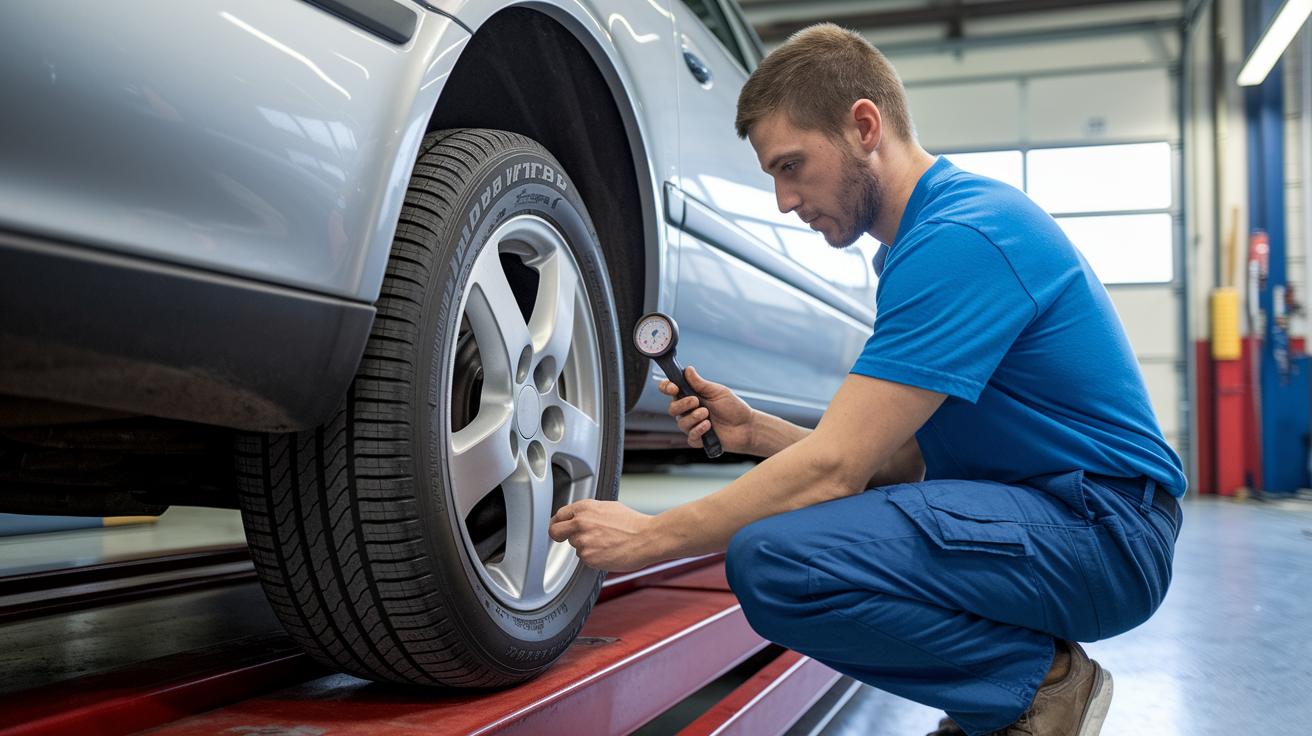
Most folks change their tires every 5,000 to 7,500 miles. But it’s important to look for signs on your tires. If you see the center wearing out about 1,000 miles before your next checkup, your tires might be over-inflated and need a sooner switch. And if the edges look worn, it could mean they’re under-inflated, which wears them out faster.
Different types of tires need different rotation methods. For tires made to roll in one direction, try a forward or rearward cross pattern. If you have an all-wheel-drive car, using an X-pattern spreads out the wear evenly. One driver even found that a simple rotation saved his tires for months. Isn’t it amazing how a small change can make a big difference?
Your driving style, the load you carry, and the roads you take all play a part in when you should swap your tires. Instead of sticking to just a mileage number, keep an eye on how your tires are wearing. By mixing the mileage guidelines with what you see on the tires, you can plan your rotations for better results.
Doing this not only helps your tires wear evenly, but it can also boost your fuel efficiency and keep your car feeling solid on both dry and wet roads. Keep checking your tires, and you’ll always know when it’s time for a rotation.
Preventive Maintenance: Alignment and Inflation for Even Wear

Taking care of your tires is a lot like staying on top of your favorite routine. When you check your alignment, keep the right tire pressure, and rotate them regularly, you're helping them last longer and wear evenly. Regular alignments make sure each tire gets an even workout, while checking the pressure, like you’d glance at your fuel gauge before a long drive, stops your tires from wearing out too fast in the middle or on the edges.
Follow these simple steps for steady tire care:
- Check your tire pressure often and adjust it to what your car’s manual says.
- Notice any wear on the inner and outer edges when you inspect your tires.
- Get your alignment checked during regular service visits.
- Rotate your tires when you spot uneven wear.
For more details on balancing and rotation, check out tire rotation and balance and for preventive checks, visit preventative car maintenance.
Extending Tire Lifespan: Combining Regular Rotation and Wear Monitoring

Keeping your tires in top shape is all about checking them often and giving them a little spin. When you see extra wear in the middle, a rotation works just like balancing a seesaw to even things out.
Start by simply noticing if the tread seems off, kind of like shifting gears when the road gets bumpy. Act quick when you spot it.
This simple routine helps your vehicle stay steady and safe. By pairing regular rotations with timely inspections, you're keeping your tires healthy and delaying the need for early replacement. It’s a smart move to keep your ride dependable every time you hit the road.
Final Words
In the action, we talked about how tire wear patterns show us when to rotate tires for even use. We explained clues like center wear, edge wear, and cupping that indicate inflation or alignment issues.
We walked through simple inspection techniques and shared tips on proper rotation timing based on mileage and wear signals.
Remember, understanding and interpreting tire wear patterns for effective tire rotation timing leads to safer, smoother rides. Enjoy the drive and keep those tires rolling strong.
FAQ
Tire wear patterns and causes chart
A tire wear patterns and causes chart shows different wear types such as center wear from over-inflation, edge wear from under-inflation, cupping from suspension issues, and camber wear due to alignment problems.
Tire wear patterns alignment
Tire wear patterns alignment means that uneven wear, especially along the edges, can signal misalignment issues that might require a check on your vehicle’s wheel positioning.
Tire wear patterns pictures
Tire wear patterns pictures provide clear visuals of various conditions like center, edge, cupping, and camber wear, making it easier to spot potential issues at a glance.
Tire wear patterns outside edge
Tire wear patterns outside edge indicate that the outer edges are worn more quickly, most often due to under-inflation or misaligned wheels causing the tire to contact the road unevenly.
Tire wear chart
A tire wear chart organizes common wear types and their causes, helping you quickly see if your tires are suffering from over-inflation, under-inflation, or alignment problems.
Tire wear cupping
Tire wear cupping refers to the cup-like depressions that appear on the tire tread, usually hinting at suspension issues that disrupt smooth road contact.
Tire wear depth
Tire wear depth measures how much tread remains on your tires, and using a tread depth gauge helps you check for safe levels and plan necessary rotations.
Tire wear patterns inside edge
Tire wear patterns inside edge mean that the inside areas of your tires are wearing out faster, often suggesting misalignment or balance issues that need attention.
What is the best pattern for tire rotation?
The best pattern for tire rotation involves methods like forward-cross or X-patterns, chosen based on your specific tire type and drive system to keep tread wear even.
How to rotate tires based on wear?
Rotating tires based on wear means moving them to positions that reduce current wear signs; for instance, swapping tires showing edge wear with those showing center wear to balance tread use.
What is the recommended schedule for tire rotation?
The recommended schedule for tire rotation is typically every 5,000 to 7,500 miles, though you may adjust based on noticeable wear patterns in your tires.
How to interpret tire wear?
Interpreting tire wear involves identifying patterns such as center, edge, cupping, or camber wear to determine if issues like over-inflation, under-inflation, or misalignment are affecting your tires.

