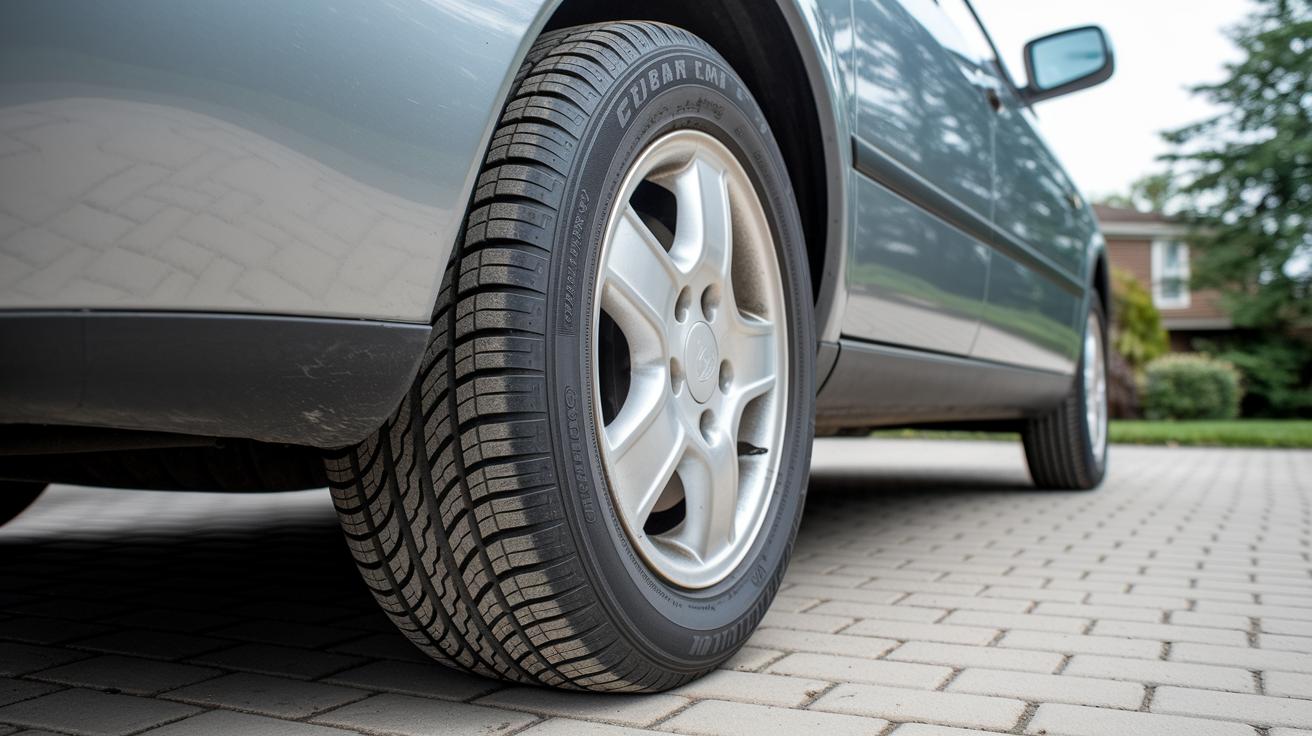


Ever notice a little tug in the steering or that your tires look uneven? It might be your car's way of saying it needs a tire rotation (that’s when you switch the positions of your tires so they wear evenly). In this post, we'll point out clear clues, like uneven tire marks and a bumpy ride at speeds over 45 mph, that signal it's time to act. Keeping up with tire rotations can save you cash and make your ride smoother. So, take a moment to check out the signs and keep your car safe on the road.
Key Indicators That Your Vehicle Needs Tire Rotation!
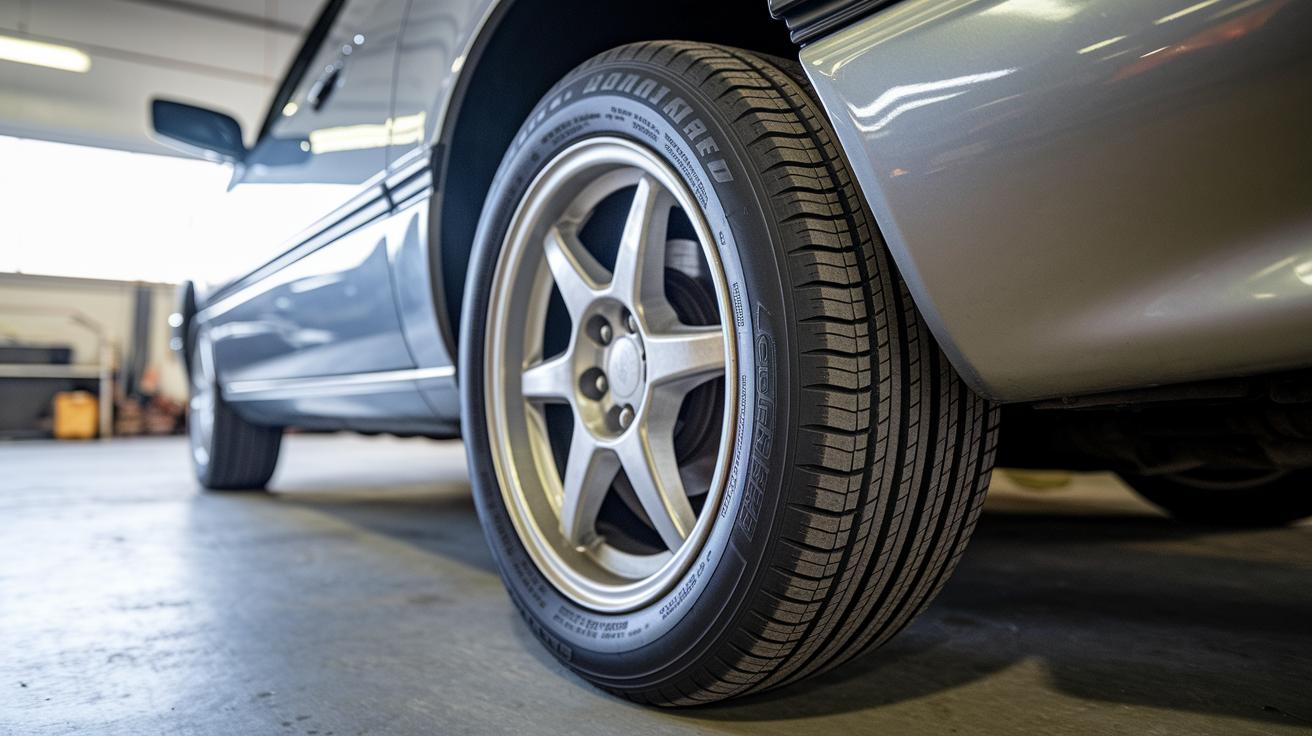
• Uneven Tread Wear: Check your tires for patchy areas or signs that one side wears down faster than the other. When the tread wears unevenly (that's the surface of the tire getting thinner), it means your tires aren’t sharing the work equally, which can hurt performance. For more tips, take a look at this guide on spotting these uneven patterns: interpreting tire wear patterns for effective tire rotation timing.
• Vibration Alerts: Ever notice a steady shake or hum in your steering wheel when you're cruising above 45 mph? This kind of vibration often points to an imbalance caused by uneven tire wear, which can make your ride less smooth and comfy.
• Handling Irregularities: If your car seems less responsive, struggles to keep a steady grip on wet or dry roads, or tends to pull to one side when you brake, these are clear signs it’s time for a tire rotation. It’s a small step now that can keep you safe later.
Tread Wear Patterns That Mean Your Tires Need Rotation
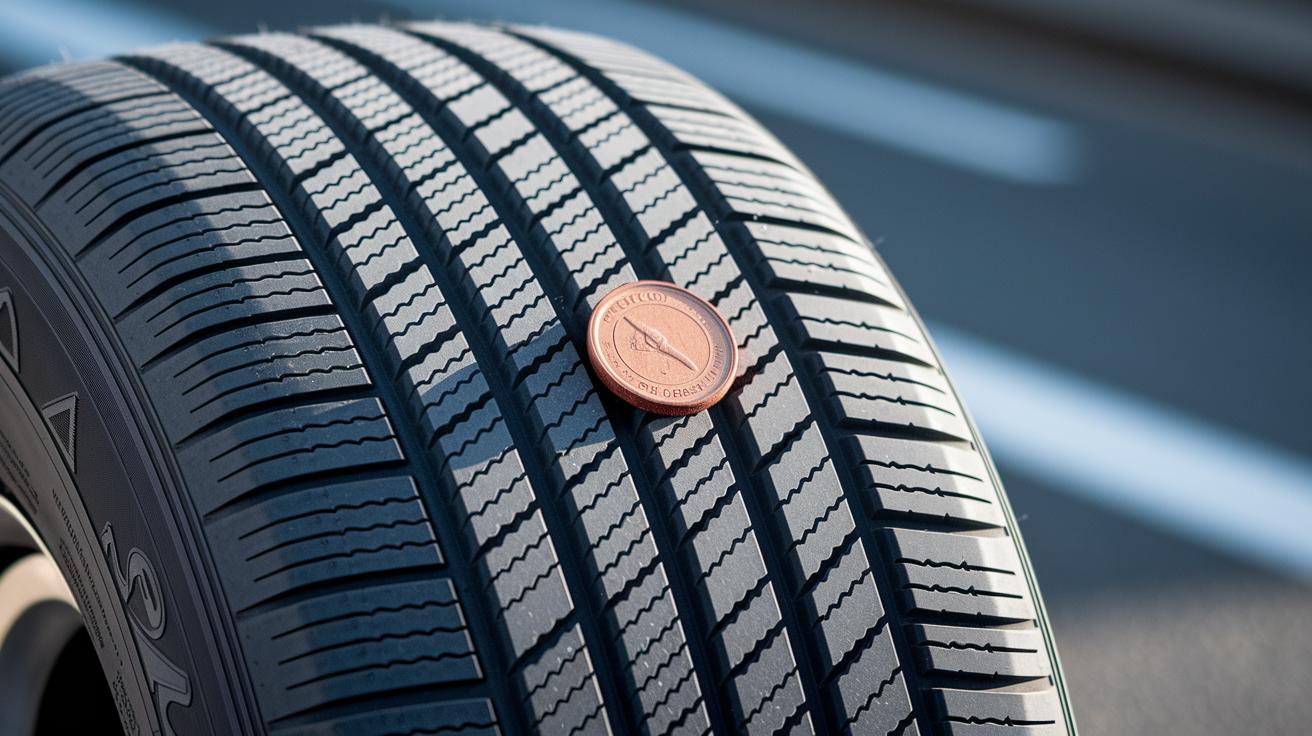
When you check your tires, you might notice some patches where the tread has worn away faster than in other spots. This patchy or uneven wear tells you the tire isn’t handling the load evenly, which usually means it’s time for a rotation.
A quick check is really simple. You can grab a tread depth gauge (a tool that measures how much tread is left) or even try the classic penny test. Just slide a penny into several spots on the tire. If the tread is less than 2/32 inch deep, that's a clear sign that the tire is wearing unevenly. It’s like catching a small crack before it turns into a big problem.
Regular tire rotation helps balance the wear between the front and rear tires. This means you end up with a smoother ride, more miles from your tires, and better control on the road. Keep an eye out for these signs:
| What to Watch For | What It Means |
|---|---|
| Uneven wear on edges or center | Your tires may not be sharing the load evenly |
| Low tread depth (less than 2/32 inch) | Early sign of uneven wear needing rotation |
Paying attention to these cues can help you catch issues early on, saving you money and keeping your drive safe and steady.
Observable Vibration Alerts and Noises That Signal Rotation Time
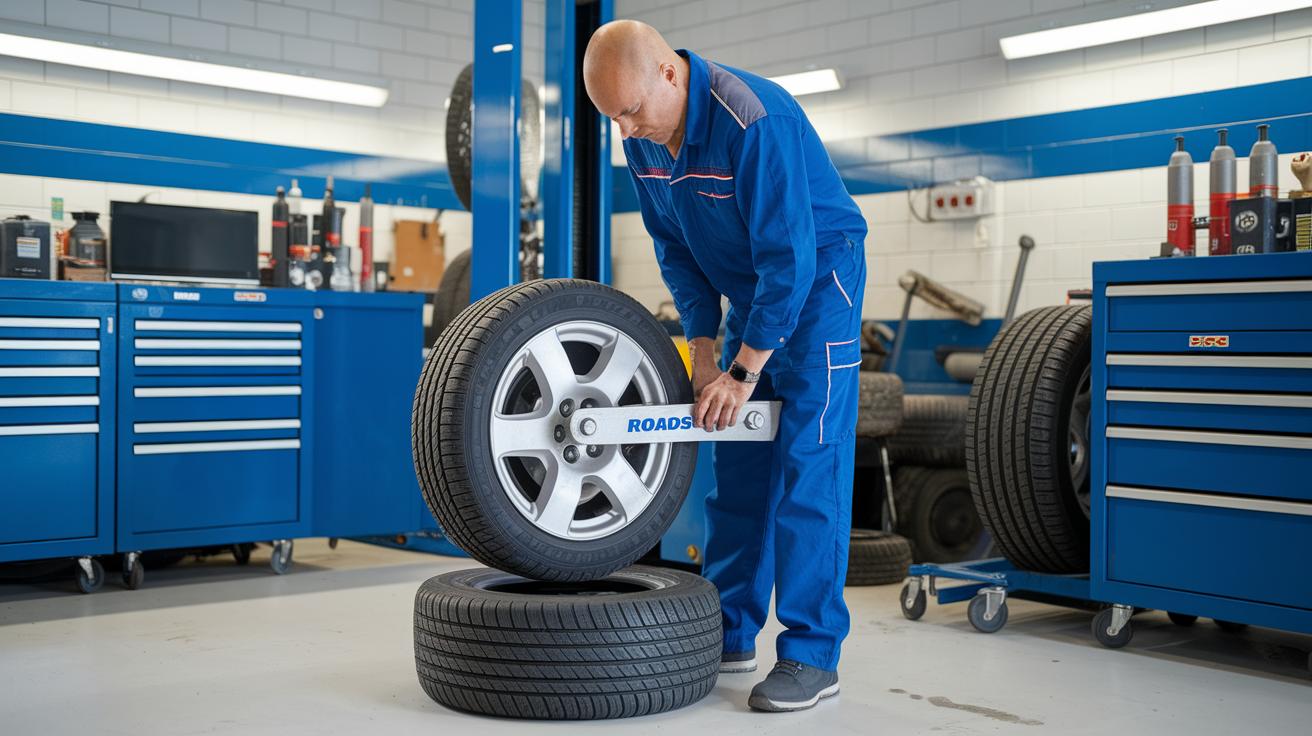
When you feel your steering wheel shake or catch a humming sound at high speeds, it's a sign your tires might be unbalanced or wearing unevenly (uneven wear means one tire is wearing faster than the others). These clues, a soft hum or a noticeable thump, can change how your vehicle grips the road.
Our technicians use a clever tool called Road Force Balancing (special equipment that measures how a tire reacts on the road) to find these issues during a tire rotation. Picture a technician tweaking a tire until the machine shows a smooth, even reading that helps bring back a steady ride.
Curious how these vibrations put your safety at risk? Check out this guide on tire rotation impact on vehicle safety and handling.
Handling and Stability Irregularities Signaling Tire Rotation
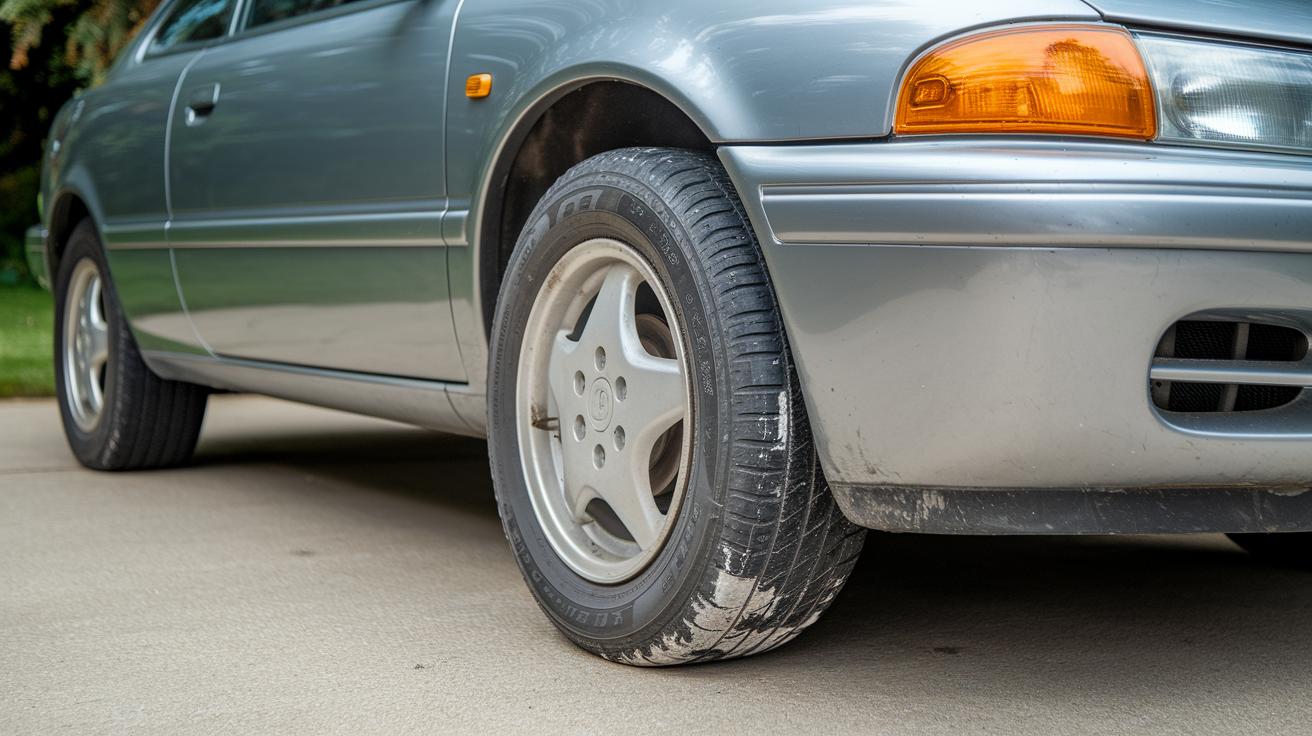
Have you ever noticed your car drifting to one side while driving normally, or that the steering doesn’t feel as sharp as it used to? These signs might mean your tires are wearing unevenly or that your car’s alignment is a bit off. When you feel a slight lag while turning, it could be your tires not gripping the road as well as before, almost like your car is giving you a little nudge to get it checked.
Some clear signs to look out for are:
- Your car pulling to one side during regular driving
- Less responsive steering when making turns
- A generally wobbly or unsteady feel behind the wheel
Catching these early can help you decide if it’s time for a tire rotation or alignment check. Staying on top of these issues keeps your tires balanced and your ride safe.
Recommended Tire Rotation Intervals and Maintenance Tips
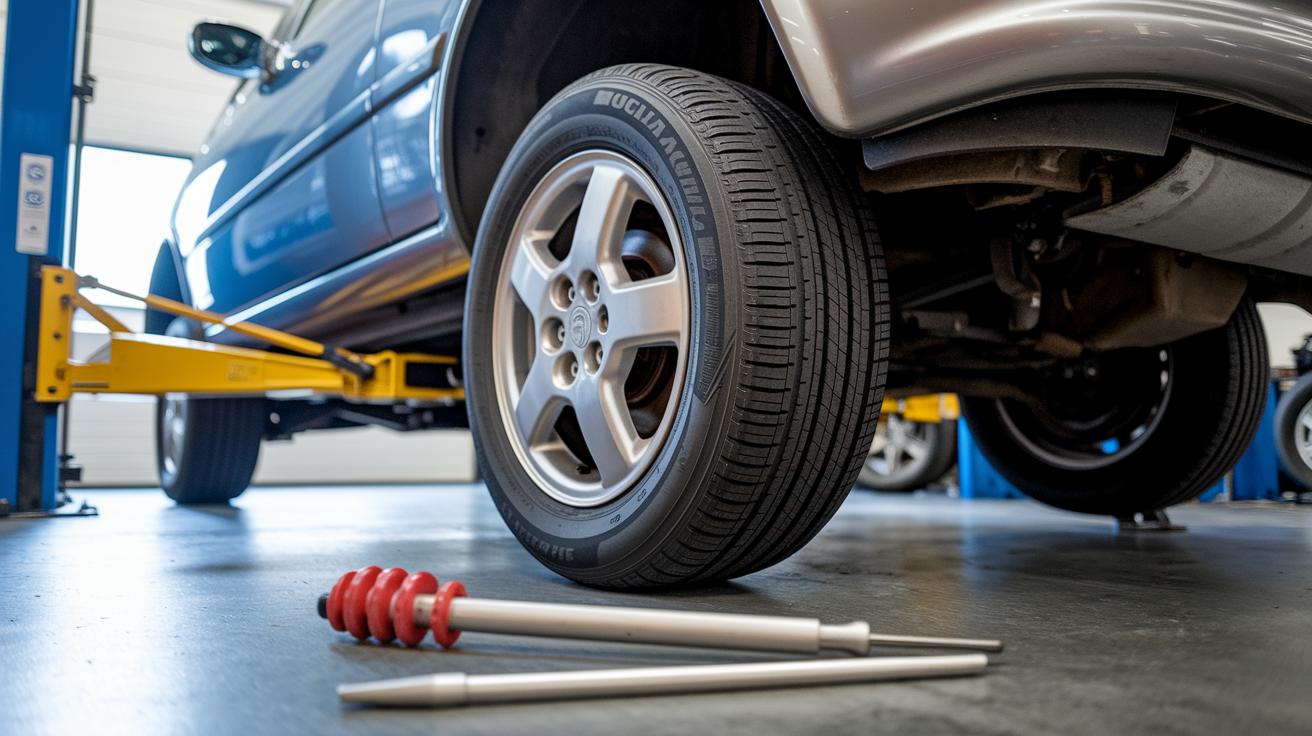
Rotating your tires is a simple way to keep them wearing evenly, which in turn can make your car run smoother and even save you a bit on gas. Experts say you should swap your tires every 5,000 to 8,000 miles, or at least once every two years. This helps even out the wear since the front tires tend to work harder when you steer and brake. Stick with this schedule, and you'll enjoy a more balanced, comfortable ride, kind of like treating your car to a mini tune-up every few months.
If you’re feeling up to do it yourself, be sure you have the right tools on hand. You’ll need a solid jack, a torque wrench (a tool that helps tighten bolts to the correct tightness), and a safe, flat area to work in. It usually works best to use a cross-rotation pattern. That means you lift up the front first, swap the tires to the back in the right order, and then tighten everything back down using the right amount of force.
- Grab your tools, a good jack and a torque wrench are must-haves
- Switch the tires using a cross rotation pattern between front and rear
- Double-check your tire pressure after you finish
Taking a little time for routine maintenance like this not only evens out your tire wear but also keeps your car handling steady and safe. Staying on top of these intervals can help catch small issues early, saving you money and avoiding bigger headaches down the road.
Final Words
In the action, this piece broke down clear signs like uneven tread and noticeable vibrations. We explored how patchy wear (see details on tread wear patterns) and handling changes point to a need for tire rotation. The post emphasized spotting clues and following regular intervals, like every 5,000–8,000 miles, to boost safety and performance. Remember, if you notice red flags, your vehicle needs tire rotation. Keeping these tips in mind makes every drive smoother and stress-free. Stay safe out on the road.
FAQ
What are key indicators that my vehicle, whether Toyota or Chevy, needs tire rotation?
The vehicle shows signs like patchy, uneven tread wear, vibrations at highway speeds, and pulling to one side. These indicators help reveal when tires are wearing unevenly and need rotation for balance.
What signs indicate that my tires need alignment?
When the car consistently pulls to one side, you notice uneven tire wear, or experience reduced steering responsiveness, it can indicate that an alignment is due to maintain proper handling and grip.
How do I know if my tires need balancing?
Observable vibrations, especially at speeds above 45 mph, or thumping noises suggest that your tires might be unbalanced. Addressing this helps ensure a smoother and safer driving experience.
Is tire rotation necessary for all-wheel drive vehicles?
Tire rotation in AWD vehicles is important because it promotes even wear across all tires, ensuring consistent traction, performance, and overall stability during your drive.
Where can I find tire rotation services near me?
Local tire service centers and auto repair shops typically offer tire rotation along with balancing and alignment. A quick online search or call can connect you with a nearby provider.
What is the usual cost of tire rotation services?
Tire rotation generally costs between $20 and $50, though expenses can vary based on location, service packages, and vehicle type. Checking with local providers helps determine accurate pricing.
Should I rotate my tires every oil change?
Many experts recommend rotating tires during each oil change if it aligns with a 5,000- to 8,000-mile schedule, helping balance wear and extend the lifespan of your tires.

