


Ever noticed how your tires feel a bit clever these days? New technology is turning plain tires into ones that give you a smoother, safer ride, and they can even cut your fuel use by as much as 15%.
How do they do it? They use things like special silica compounds (materials that help improve grip), fresh tread designs, and built-in sensors. These features work together to make every drive feel steadier and quieter, even when it’s wet outside.
This change isn’t just about performance. It’s about making your trips safer and more efficient too. Next, we dive into how these upgrades are lighting up the road ahead, so your ride is always ready for whatever comes your way.
Key Innovations Shaping Today’s Tire Technology Trends

Today's tires use special silica-infused compounds that make your ride smoother and save fuel by around 10–15% (that means less burning of fuel and fewer emissions). These smart designs help your tires grip wet roads better, setting a new standard for performance while being kinder to the planet.
New tread designs like 3D sipes (small grooves that improve grip) and variable-pitch patterns (different spaces for better traction) work wonders by cutting road noise by up to 20 dB. They adjust to changing road conditions to keep your drive comfortable, and reinforced sidewalls mean your car can keep going safely for about 50 miles at 50 mph even after a puncture. It’s these kinds of innovations that give you extra confidence on the road.
Then there are self-inflating tires with automatic pressure regulators. For example, tests show that the Hankook iFlex airless tire works well at speeds of up to 80 mph, matching the strength and stability of regular tires. Altogether, these improvements mix performance, durability, and eco-friendliness, making every trip safer, quieter, and more efficient.
Smart Tire Systems and Sensor Integration Trends
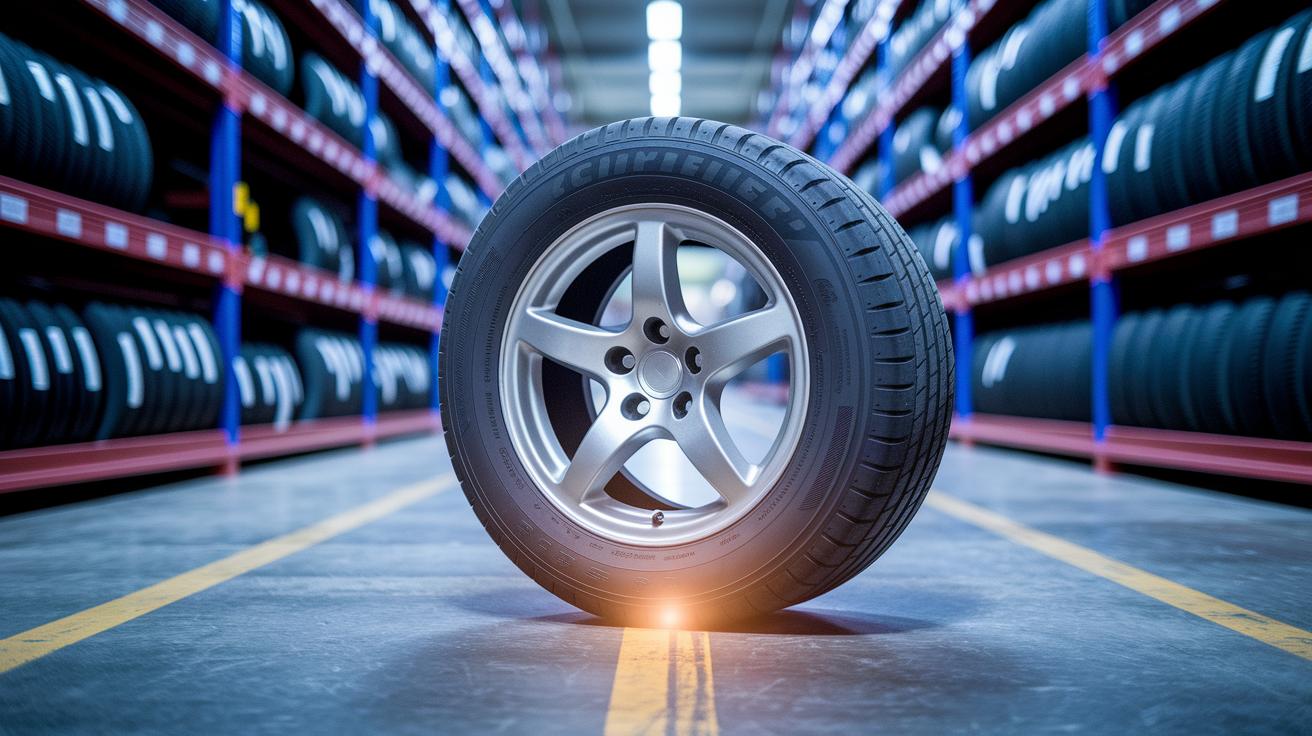
We’re seeing a big shift in how our tires work thanks to smart sensors that check things like pressure (how firm a tire is), temperature (how hot it gets), and load (the weight it carries) , all in real time whether you’re driving or parked. This neat progress not only makes your ride safer but also lets systems use things like AI and IoT (internet connections that let devices talk to each other) to keep everything in check. And guess what? Manufacturers are even using these smart setups, similar to what you’d find at tityres.com, to fine-tune tire performance turn by turn.
Keeping an Eye on Tire Health
Smart tires gather key numbers at different times – about once every second when you’re on the road and less frequently when you’re parked. This steady check-up helps make sure your tire stays in a safe zone and sends out instant pressure alerts that big fleets and everyday drivers can trust during daily trips.
Virtual Models and Remote Updates
Ever heard of a digital twin? It’s like having a virtual copy of your tire that helps improve its performance without slowing you down. Plus, over-the-air updates (think of them like the software updates on your phone) roll in new features and keep security top-notch, even while you’re out on the road.
Mixing constant monitoring with digital simulations, these smart tire systems bring real improvements in safety and efficiency, setting a fresh standard for how we think about tire performance.
Eco-Friendly Materials and Sustainable Manufacturing in Tire Technology

Tire makers are shifting to greener, cleaner ways of building tires. They now use natural rubber alternatives and recycled materials, cutting carbon emissions by 15–20%. New processes like low-emission mixing and water-saving curing (a method that uses less water during tire hardening) can drop factory CO₂ emissions by as much as 30%. It’s great news that benefits both drivers and our environment.
Companies are rethinking how tires are made from start to finish. They are finding smart ways to turn waste into useful stuff. Check out some of the key practices below:
| Key Practices |
|---|
| Bio-based rubber alternatives |
| Recycled-rubber tread integration |
| Low-emission mixing and curing |
| Water and energy reuse systems |
| Closed-loop tire recycling |
Studies show that using eco-friendly materials lowers the overall environmental impact while making tires last longer. In fact, advanced recycling now keeps about 90% of scrap tires out of landfills. New research into greener compound recipes is reducing waste further and boosting the circular economy. All of these efforts set new standards that mix high-quality tire performance with responsible care of our natural resources.
Advanced Tread Designs and Grip Engineering in Modern Tires

Modern tire technology is taking a fresh approach that goes beyond the old-school tread patterns. Now, small built-in sensors keep an eye on tire pressure and temperature in real time, while smart computer systems (AI) help check the overall health of your tires. New materials like bio-based polymers and graphene composites (a super strong, lightweight material) are being used to boost durability and cut down on environmental impact. Think of it like getting a friendly alert saying, "Your tire pressure is low, check it now."
Integrated AI Diagnostics and Emerging Materials
Today’s tires are not just made with pre-set designs; they come with tiny sensors that work with AI to monitor how the tire is wearing over time. This setup is like having a virtual pit stop for your vehicle, giving you a heads-up when something needs attention. At the same time, tire makers are experimenting with new compounds that work well with nature. This means you get tires that are both tough and kind to the environment. Sometimes you might even see a message like, "When sensors spot uneven wear, the AI system instantly adjusts the performance settings."
Real-time monitoring teamed with smart simulation tools is changing the way tires perform. Engineers mix the sensor data with these new materials to predict wear, extend tire life, and help deliver a smoother, quieter ride. This blend of clever diagnostics and fresh material choices takes tire safety and efficiency to a whole new level.
Innovations in Run-Flat and Airless Tire Technologies

New run-flat tire designs now pack layers of strong materials and blended elements that help share the vehicle's weight even when a tire goes flat. This means you can keep control of your car for about 50 miles at 50 mph after losing air. One expert put it simply: think of it as a built-in safety net that holds the tire together until you can reach a service center.
Everyday cars are now getting a boost from self-inflation systems that used to be just for the military. They rely on smart sensors (tiny tools that check tire pressure) and automatic regulators to keep things running smoothly. A specialist explained that these systems tweak the tire pressure automatically, cutting down the chance of more damage and making roadside fixes a lot easier.
The Hankook iFlex tire, which doesn't use air at all, is setting a high bar with tough tests that include quick turns and long drives at speeds up to 80 mph. It uses hardy composite materials to give you the same grip and control as regular tires. In fact, tests show this airless tire often outperforms its traditional counterparts, offering a smooth ride that needs very little upkeep.
Digital Monitoring and Predictive Maintenance Tools for Tire Performance

These days, smart sensors and cloud technology work together to help keep your tires in tip-top shape. The system gathers data from tire pressure monitoring sensors (the ones that check tire pressure and temperature) and sends it to the cloud. Fleet managers then get instant alerts, so they can fix problems before they get worse. For example, one fleet operator in Texas saw fewer delays after switching to this cloud-based setup.
A mid-size trucking firm also found that using cloud technology made a big difference. They used special data models in the cloud to decide the perfect time for a tire rotation. This meant less downtime and lower costs. In short, these tools offer an extra boost by adding smart insights to basic sensor readings.
| Tool | Function | Benefit |
|---|---|---|
| TPMS Sensors | Monitor pressure & temp | Prevent under-inflation |
| AI Wear Model | Forecast tread life | Optimize replacement scheduling |
| Remote Monitoring | Aggregate tire data | Reduce downtime |
Emerging Concepts and Future Directions in Tire Technology Trends

3D printing is really shaking up how tires get designed and made. Tire makers now use 3D-printed prototype tires (test versions they can tweak quickly) to speed up their design process. This way, they can change a tire’s design on the fly to boost performance and safety. It’s much like having a mini tire workshop that can tailor shapes to match different cars and changing road conditions.
Flexible production methods are getting their time in the spotlight too. New flexible molding systems let manufacturers craft special tire shapes on demand. And designers are also using virtual performance simulation tools (digital tests that show how tires will act on wet roads, in heavy loads, or under different weather) to see improvements in grip and fuel efficiency before making a physical tire.
Meanwhile, academic teams are exploring even wilder ideas, think tires that might someday hover or climb stairs. Combined with breakthroughs in smart rubber chemistry, these studies hint at a future where tire technology truly redefines our ride. Every new idea is another step toward a whole new world of mobility for the next decade.
Final Words
In the action we’ve covered how breakthrough tire features like innovative tread designs, sensor integration for real-time updates, and eco-friendly materials are setting new marks in performance and safety. These highlights show how drivers can choose the right tires and keep them in tip-top shape.
We finished with a look at run-flat systems and digital maintenance tools. Embracing the latest tire technology trends gives us the confidence to drive safely and smoothly every time.
FAQ
What information does the latest tire technology trends PDF provide?
The latest tire technology trends PDF provides an overview of innovations in tire performance and efficiency, including new materials and smart sensor integrations that boost safety and driver confidence.
What are the latest tire technology trends in 2022?
The latest tire technology trends in 2022 include new rubber compounds, cutting‐edge tread designs, and energy‐efficient features that improve grip and reduce road noise for a smoother drive.
What did tire technology trends look like in 2020?
Tire technology trends in 2020 focused on advanced sensor integration and eco‐friendly materials, laying the groundwork for further improvements in both safety and overall performance.
Where can I find a Tyre Technology PDF?
A Tyre Technology PDF is available through industry sites and manufacturer resources, offering detailed insights on tire innovations and performance improvements to help drivers stay informed.
What tire technology courses are available?
Tire technology courses educate enthusiasts and professionals on modern tire design, performance monitoring, and sustainable methods, offering practical insights into current and emerging tire solutions.
What should I know about tires?
Tires are built with advanced compounds and innovative tread patterns that deliver improved fuel efficiency, safety, and durability, ensuring a reliable grip on a variety of road conditions.
What are airless tires?
Airless tires use tough materials and modern designs to deliver steady performance without relying on air pressure, reducing the chance of roadside problems and providing worry‐free rides.

