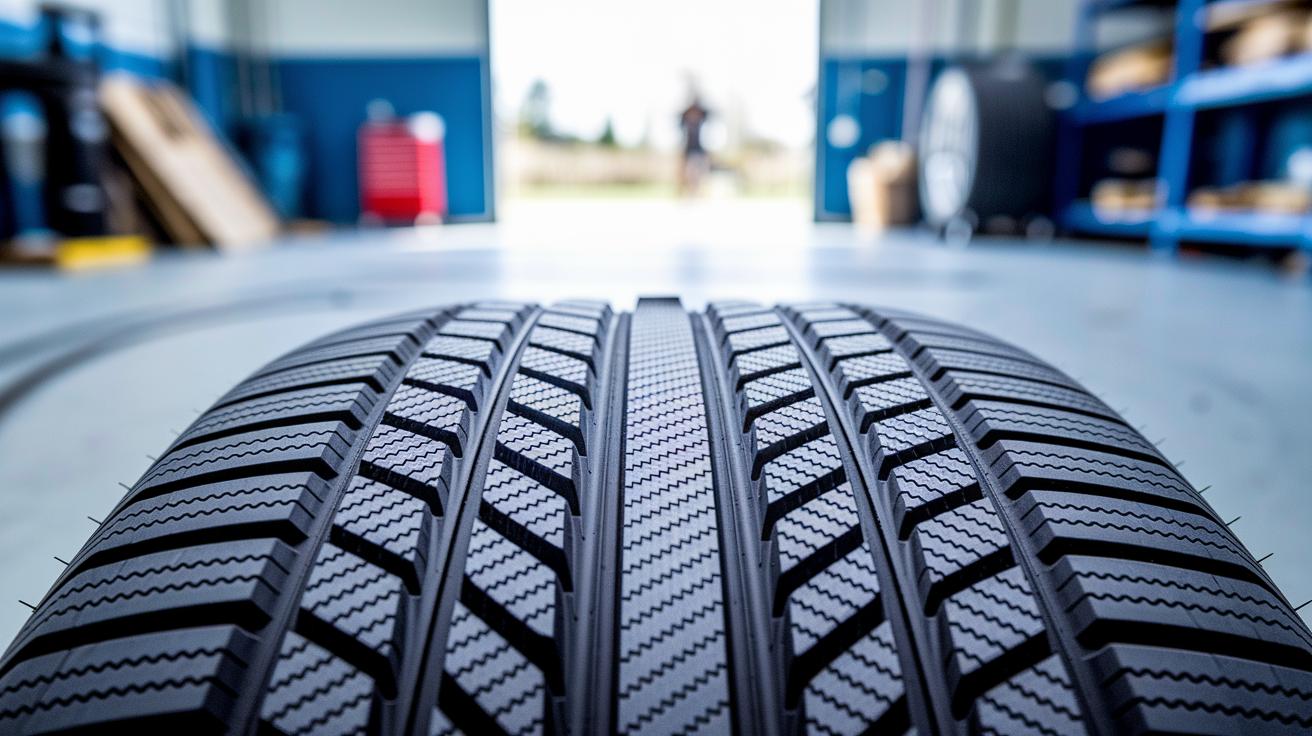


Ever wonder if your smart tire is really telling you the truth? Sometimes, those high-tech sensors mix up worn-out signals with real danger, which can make it tricky to know what's really going on with your tire. Faulty readings can give you unexpected warnings or even hide harmful wear you shouldn’t ignore.
In this post, we take a close look at how small tire issues can fool even the cleverest sensors. We'll share common mistakes and offer tips on what to steer clear of, so you can enjoy a safer and more reliable ride.
Key Lessons from Smart Tire Failures
If your smart tire starts acting up and sending false warnings, it might be a mix of worn-out tires and sensor mix-ups. These smart tires keep an eye on things like tire pressure and wear (that is, how fast the tire’s surface breaks down), and they need solid data to give you a heads-up before things get dangerous. But if you're not taking care of your tires, those sensors can send off alerts that aren’t really right, which can put you at risk.
Not checking your tires regularly can lead to big issues. Little problems like cracks, bulges, or worn-out tread can slip by unnoticed, and then the sensors get confused. They might show that tire pressure is low or miss the fact that wear is uneven, giving you a false picture of your tires’ health. This blend of tire neglect and sensor glitches makes it hard to trust the system, leaving you open to potential hazards.
There are five common mistakes that can throw off your tire sensors. First, not checking your tire pressure regularly can cause the sensors to record lower performance than actually exists. Second, skipping tire rotations leads to uneven wear, which confuses the sensor data. Third, mixing different types of tires creates inconsistent grip results that the system has trouble calibrating. Fourth, overloading the vehicle results in extra heat and stress, which can trigger false warnings. And finally, over-tightening lug nuts can damage wheel components, resulting in misleading sensor signals.
Dissecting Sensor Failures in Smart Tires

Smart tire sensors can sometimes send out warnings because they pick up unusual signals. This can happen when a tire isn't balanced right, causing extra vibrations or shifts in weight during installation. That extra shake can trick the sensor into thinking normal road bumps are a problem. Temperature changes around the tire sometimes make the sensor readings drift, and if the digital connection between the tire and the system falters, you might see signal dropouts.
| Failure Mode | Sensor Impact |
|---|---|
| Vibration Misreadings | False alerts because of unsteady tire balance |
| Temperature Drift | Slow changes in data that can lead to mistakes |
| Signal Dropouts | Lost connection that may miss important warnings |
Regular wheel checks and proper tire rotations are key to keeping calibration drift to a minimum. Keeping your tires balanced not only helps the sensors stay accurate but also gives you a smoother, safer ride.
Design Flaws to Avoid in Smart Tire Systems
Sometimes, different tire wear or materials can confuse the sensors. Even a small change in how the tire looks can make the sensor send a warning when nothing’s really wrong. Imagine driving and suddenly getting a notice that seems off, it could be the sensor reading the tire’s tread in the wrong way.
When the sensor parts don’t match well with these varied tire traits, the system might get the wrong idea about the tire's health. Key design mistakes to watch out for include:
- Mismatched tire mixtures
- Incomplete sensor sealing
- Rigid connector placement
Maintenance Best Practices for Smart Tires

Keeping your tires in top shape starts with regular pressure checks. When your tires are underinflated, your car might not handle as well and you could end up using more gas. Frequent checks let your sensors give you real-time updates on how your tires are doing. Plus, keeping the pressure steady means your tires wear evenly, which saves you money and keeps you safe.
- Check the tire pressure every month and before long trips.
- Rotate your tires on a regular schedule so they wear evenly and your sensors stay accurate.
- Look over how the weight is spread out on your tires to avoid extra stress on one spot, which can give off the wrong sensor readings.
- Make sure that the lug nuts are tightened just right using a good tool, as too tight can mess with sensor calibration.
- Include a quick sensor check during your regular tire maintenance to catch any issues early.
Regular rotations and proper pressure checks help your sensors avoid mixing up uneven tread or minor damage. It’s also a smart move to have a tire specialist check and recalibrate your sensor setup every now and then. This keeps the data on your tire’s condition spot on, so you drive with steady confidence every time you hit the road.
Software and Firmware Pitfalls in Smart Tire Technology
Sometimes, third-party patches can cause unexpected bugs that make tire sensors act funny. Unapproved updates or code changes that haven’t been fully checked might make the system read data wrong, signaling problems even when everything is fine. These issues often pop up when modifications come from outside the original maker, kind of like when an off-brand game controller glitches. Check out the risks of these patches at https://unionno.com?p=2682.
Firmware glitches can add to the confusion too. When a car sits still in shifting temperatures, the tires can develop flat spots (areas where the tire isn’t perfectly round), which might make the ride rough. Instead of seeing this as a temporary issue, the firmware might mark it as an error if the update process isn’t careful enough. Sticking to a trusted firmware update process helps avoid these mix-ups. Having version control and a way to roll back to older settings gives extra peace of mind if a new update causes trouble. For more info, visit https://unionno.com?p=2781.
Real-world Case Studies of Smart Tire Failures

Back in 2019, one car parked in a facility with changing temperatures got a false low tire pressure warning. The sensor was fooled because the tire developed flat spots (areas that lose their smooth shape after sitting too long). After months in variable climates, even the sharpest sensors can misread these flat spots and trigger an alert that doesn’t match the tire’s real condition. It’s a good reminder to keep an eye on where you store your car and to check your tires before you take off.
Then in 2022, during a high-speed test, a smart tire system from Dynamic WheelTech had trouble with its signal. The sensor, already stressed by little shifts in tire balance, got mixed up by the vibrations from the road. Imagine speeding down the highway and suddenly your tire sensor goes silent, it’s like your favorite radio station cutting out right in the middle of your jam. This shows that even the latest systems may struggle with misreads if a tire isn’t properly balanced.
Both of these cases highlight why proper tire storage and regular checks of tire balance are so important. Taking a few minutes to inspect your tires can help keep false alerts at bay and ensure your ride stays safe on every trip.
Recommendations to Prevent Smart Tire Failures
One big risk is overloading your tires or using too much force on the lug nuts. This can make your tires heat up, wear out faster, and cause the sensors to act strangely. We now include an extra check using advanced diagnostic tools to catch small issues that basic checks might miss.
- We balance the load so each tire has even pressure.
- We tighten lug nuts according to the maker's rules to protect the wheels and brakes.
- We combine station firmware checks with advanced tests to catch both early software hiccups and tricky sensor issues.
- We set up regular sensor recalibrations to keep readings accurate.
Our experienced technicians use these methods to tune sensor performance and stop problems before they start.
Final Words
In the action, we saw how neglecting basic tire care can spark sensor issues and design mishaps. Regular pressure checks, proper rotations, and following torque guidelines help keep everything in balance. A mix of tire types or mismatched sensor modules only brings extra confusion.
Our lessons from smart tire failures: what to avoid shine a light on common pitfalls. With mindful maintenance and smart tire choices, you keep your ride safe, steady, and ready for the open road.
FAQ
What is the 3% tire rule?
The 3% tire rule means that if your tire pressure drops more than 3% below the recommended level, it’s a signal to check and adjust your pressure to maintain proper handling and safety.
What are the three major indicators of tire failure?
The three major indicators of tire failure include visible sidewall cracks or bulges, worn-out tread patterns, and unusual vibrations while driving that suggest uneven wear or internal damage.
What is the 7 7 rule for tires?
The 7 7 rule for tires suggests that you should check your tires every 7 days or after about 7,000 miles, which helps catch early signs of issues and keeps your ride safe.
Which of the following actions should you avoid if you experience a tire blowout?
When you experience a tire blowout, avoid slamming on the brakes or making sudden steering changes, as these actions can worsen your control; instead, gradually ease off the accelerator while maintaining a steady grip.

