


Ever wonder if skipping a tire rotation could make your drive less safe and cost you more later? When all your tires share the work evenly, they last longer and help your car steer better, even on a rainy day. It’s a bit like sharing the load with your buddies so that everyone gets a fair turn. In this blog, we'll show you how a simple tire swap routine can save you money and keep you safer on the road. Stick with us, and you’ll see how a small change today can pay off big over time.
Key Benefits of Correct Tire Rotation for Extended Tire Lifespan

Rotating your tires regularly means every tire shares the load, helping them wear evenly. When you swap them from front to back, each one gets used in the same way by turning, braking, or going straight. Ever noticed how balanced wear can make your ride smoother and safer? It’s like giving every tire a fair shot at the road.
Keeping your tires well-rotated stops one tire from losing its grip sooner than the others. When they wear evenly, your car handles better, especially on wet surfaces. It’s a bit like sharing a heavy load between friends, no one gets overwhelmed, and everything runs more smoothly.
Following the 6,000 to 8,000-mile rotation rule can also save you money. With tires wearing down equally, you won’t have to replace a single tire too early. You get more mileage and less hassle. And, during these check-ups, you might spot little issues early on that can be fixed before they become big problems.
Overall, a simple tire rotation routine helps keep your ride safe, comfy, and long-lasting.
Recommended Rotation Intervals and Patterns for Tire Longevity
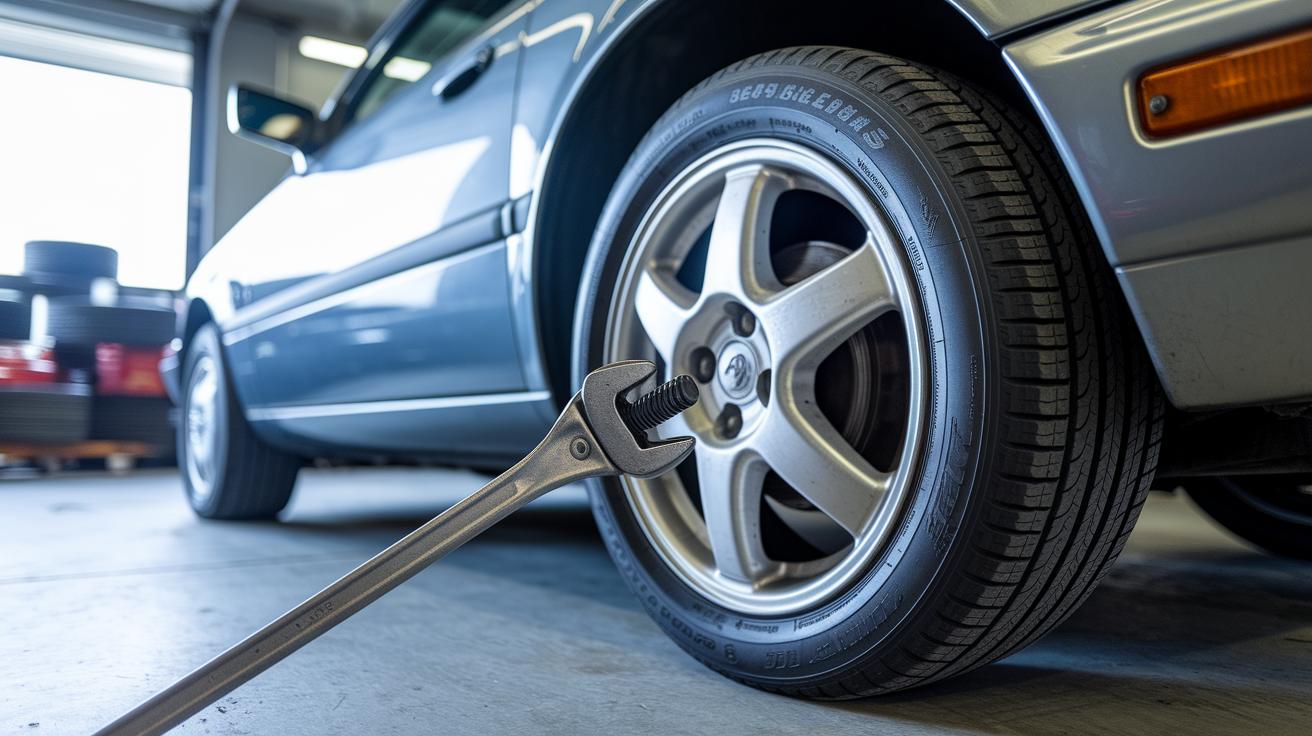
Most experts say you should swap your tires around every 6,000 to 8,000 miles. This simple step helps your tires wear evenly from stopping, turning, and speeding up. Fun fact: for many cars, following a rotation schedule can boost tire life by up to 25% compared to tires that wear unevenly.
Different cars and tire styles need different rotation moves. For example, directional tires (tires made to roll in one set direction) work best with a front-to-back switch. If your car has non-directional tires on a front-wheel-drive, a cross-diagonal rotation is often the way to go. And for cars with staggered tire sizes, switching tires from one side to the other might work best. Each method spreads out the stress on the tires, which can cut down on vibrations and keep the treads wearing evenly.
Your car’s engine setup, the type of tire (like asymmetrical or unidirectional), and even how you drive all play a part in the best rotation plan for you. Keep an eye on your tires, if you notice one side wearing faster or a loss of grip, it’s a good hint that your rotation plan might need a tweak.
For more step-by-step tips on when to rotate your tires, check out this guide. Regular rotations not only keep your ride smooth but can also help save on gas and reduce repair bills.
Achieving Uniform Tread Wear for Long-Term Tire Performance
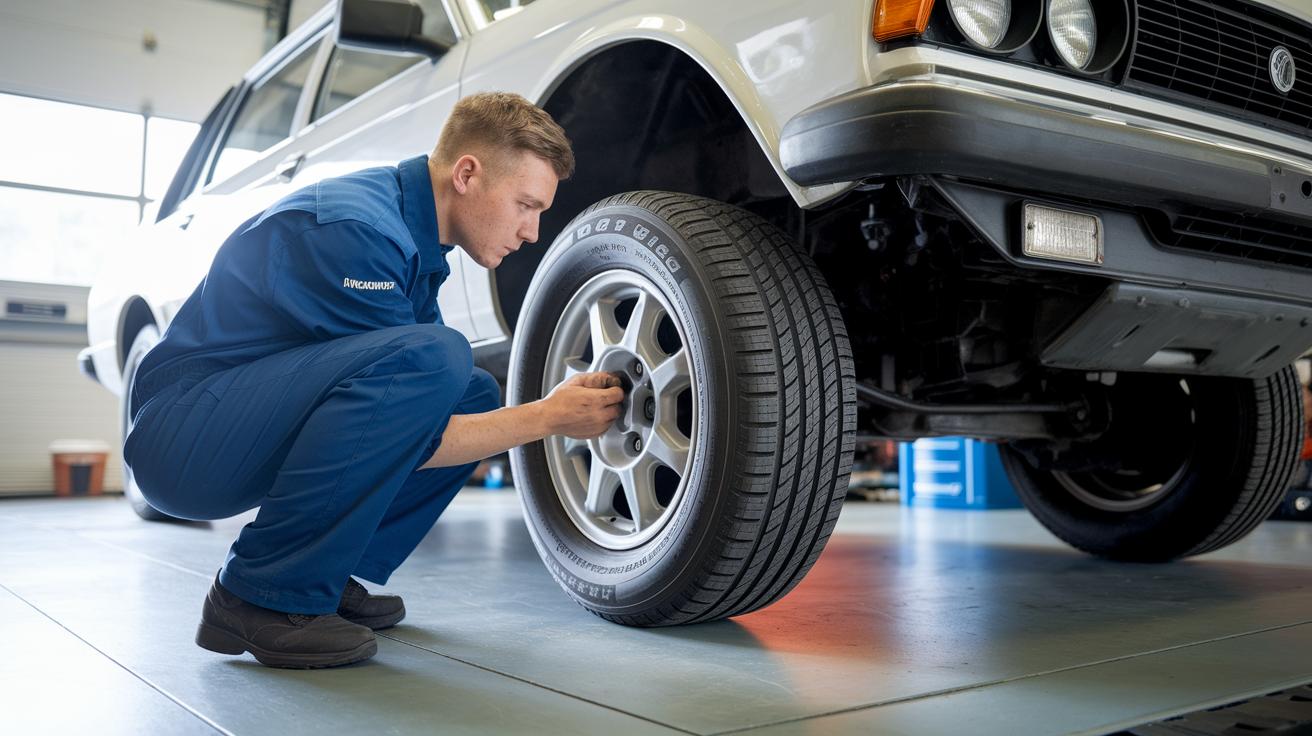
Rotating your tires often is a smart way to help them wear evenly. When you swap their positions, you ease the extra strain on the front tires, which usually work harder because of steering and braking. This simple swap means each tire carries a similar load, keeping the rubber in good shape and making sure your car sticks well to the road.
Having the same tread depth on all your tires can boost your braking by about 10% and gives you balanced handling in all kinds of weather. It’s like your tires are working together as a team, giving you a smoother ride and more control. While you’re checking them, watch out for signs like wavy patterns (sometimes called cupping or feathering) on one tire while the others look even.
Regular tire rotation prevents uneven wear and lets you catch any issues early. This little stop-and-check routine can spot problems before they affect your safety. Try this: look for any odd grooves or differences between the front and back tires. With this easy routine, you help your tires last longer and enjoy a safer, smoother drive.
Fuel Efficiency Gains from Regular Tire Rotation

Ever notice that when your ride feels smoother, you might also be saving on fuel? When your tires wear evenly, they create less resistance (that’s the push your tires fight against) so your engine doesn’t have to strain as much. This lighter workload can boost your miles-per-gallon by around 3%, which means a real difference in your fuel bill over time. Plus, balanced tires help lessen vibrations and drag, letting your car roll along easily without wasting energy.
Keeping your tires in top shape each day means your car uses fuel more wisely. Regular tire rotation not only helps them last longer but also cuts down the chances of needing new ones sooner than expected. It’s like giving your engine a little break so you don’t find yourself running to the gas pump too often. Imagine checking your tire pressure just like you would a fuel gauge, it’s all about staying on track.
Simple steps like rotating your tires every set number of miles can lead to smoother rides and a friendlier fuel bill. Stick with this routine, and you could see savings every month, making every drop of gas count.
Financial Advantages of Systematic Tire Rotation for Tire Longevity!
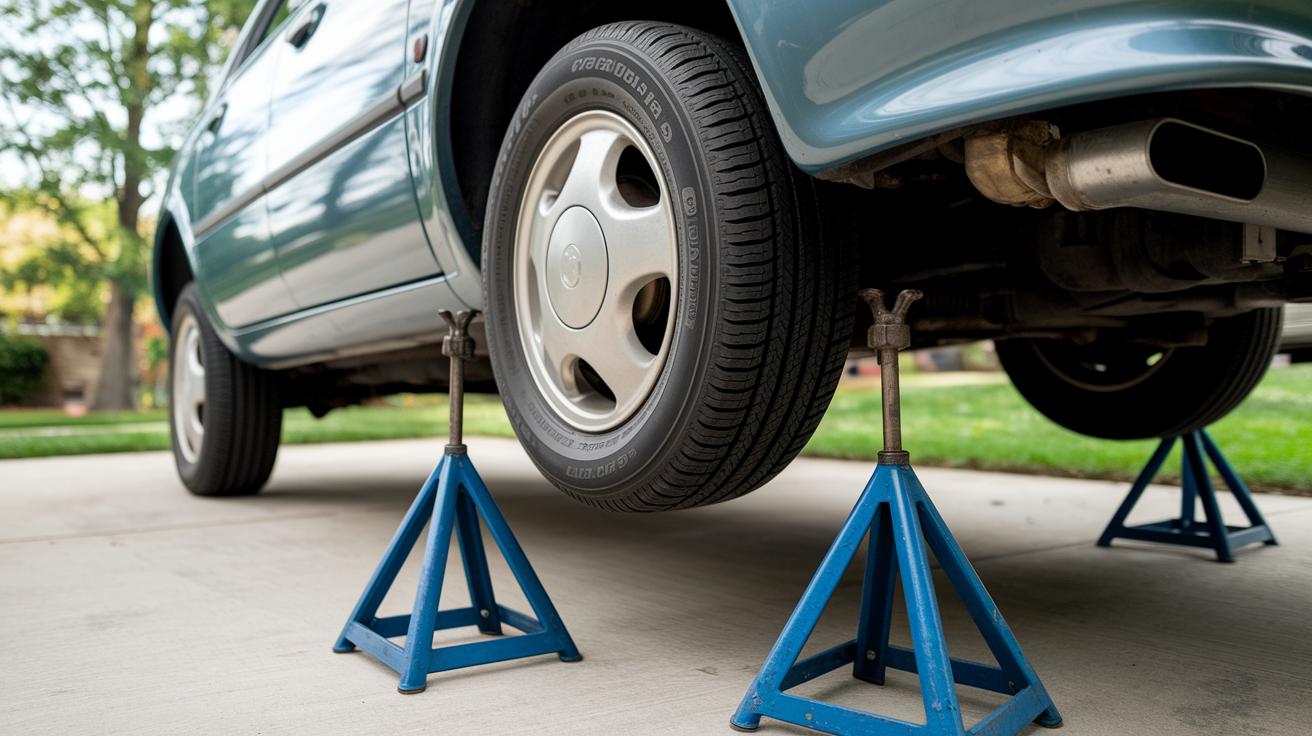
If you make a habit of switching your tires around, it's not just about safety, it can also save you money over time. Regular rotations can delay the need for a whole new set by more than 10,000 miles, which means you could save hundreds of dollars. When your tires wear out evenly, you avoid the extra cost of replacing one tire early, letting each one last its full lifespan.
This easy upkeep helps you steer clear of buying partial sets. Instead of dealing with one worn-out tire, every tire shares the work, preserving the value of your entire set. Over about five years, a steady rotation routine can cut your tire expenses by 20 to 30%. That's a pretty smart saving plan for anyone looking to get the most out of their investment.
Plus, when tires wear evenly, it takes a bit of strain off your engine. Think of it as easing the load so your car runs smoother and uses less fuel, which saves you even more money. In short, regular tire rotations are a simple, cost-effective strategy to keep your car running well and your wallet happy.
Professional vs. DIY Tire Rotation Techniques for Durability

If you're handy with a jack, lug wrench, and torque wrench, doing your own tire rotation can help you save some money. It might take a bit of practice to figure out the right rotation patterns (this makes sure your tires wear evenly over about 6,000 to 8,000 miles). Just treat your torque wrench like you’d check your tire pressure, steady and consistent for the best outcome.
But sometimes, it’s best to let a pro take over. A skilled technician knows the perfect rotation pattern for your car, whether it’s a front-to-back switch or a cross-diagonal move. They don’t just swap your tires; they also give them a good once-over for any damage or uneven wear. This extra check can spot minor issues before they turn into bigger repairs.
If you're still on the fence, you might want to check out "professional vs DIY tire rotation: key considerations" at https://tityres.com?p=1535 for more tips. In the end, it comes down to whether you feel confident using the tools and have the time to do it yourself, or if you’d rather enjoy the ease and thoroughness of a professional service. Either way, regular tire rotations keep your tires tough and your ride nice and smooth.
Final Words
In the action, regular tire rotation spreads wear evenly, which helps boost tire performance, grip, and even fuel savings. It’s a simple practice that cuts down on extra costs and upkeep hassle while keeping your ride safe and reliable.
Following recommended mileage intervals and proper techniques gives you the long-term benefits of correct tire rotation for tire longevity. Keep up with these easy tips, and enjoy a smoother, more cost-effective drive every day.
FAQ
Does rotating your tires make them last longer?
Rotating your tires makes them last longer by spreading wear evenly across all four, which keeps them in better shape, improves handling, and saves you money over time.
How long should a tire rotation last?
A tire rotation is most effective for about 6,000 to 8,000 miles. This interval helps maintain even tread wear and reliable performance throughout your tires’ life.
How to increase tire longevity?
Increasing tire longevity means keeping up with regular rotations, proper inflation, and routine inspections. These steps help distribute wear and catch issues early for sustained performance and safety.
Is it okay to rotate tires every 10,000 miles?
Rotating tires every 10,000 miles may not be ideal since it can lead to uneven wear. Switching them every 6,000 to 8,000 miles is a better approach for consistent tread depth and durability.

