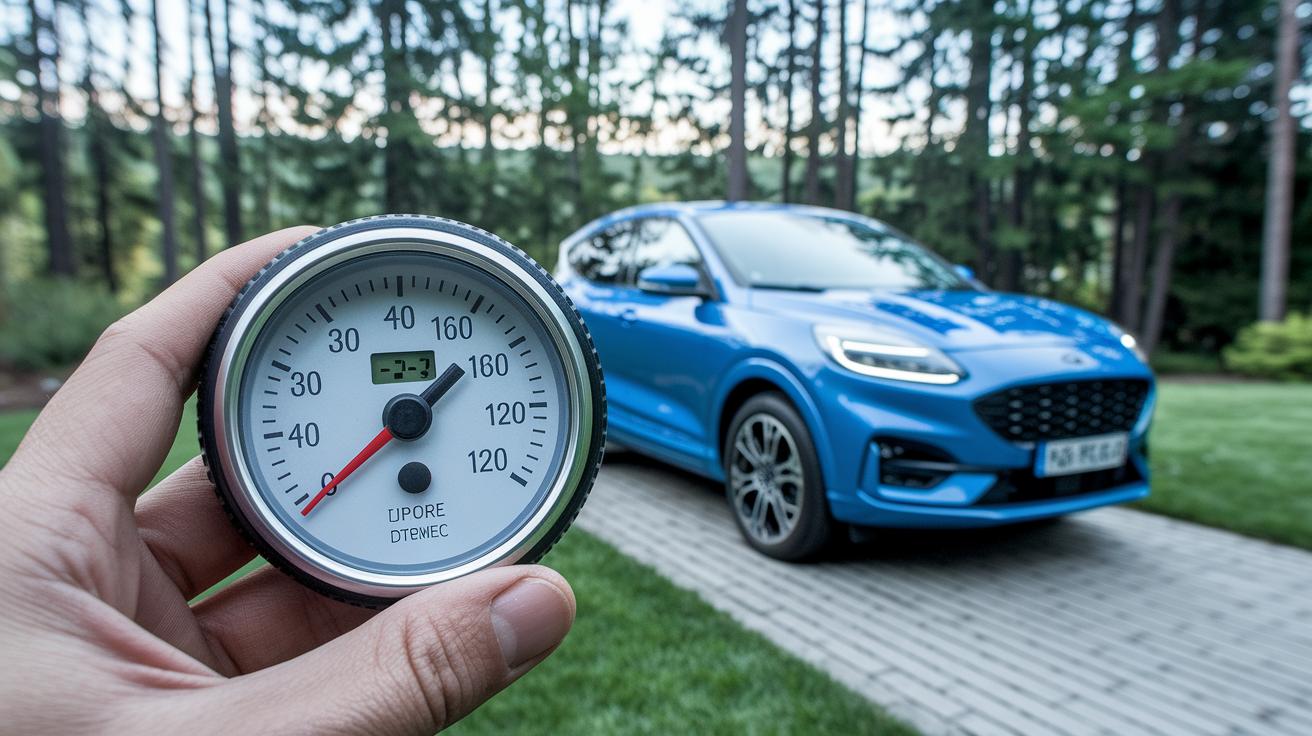


Have you ever wondered if a small mistake in your tire pressure could put your ride at risk? Setting your Mach-E tires to 38 or 39 psi isn’t just about hitting a number. It helps keep your drive smooth and steady.
When your tires have the right pressure, your car handles better, holds the road with a firm grip, and wears evenly over time. Missing this simple check might turn a great drive into a bumpy one, kind of like walking in shoes that don’t quite fit.
In this post, we’ll explain why keeping your tires at the right pressure can make every trip feel safe and comfortable.
Mach-E Tire Pressure Recommendations for Optimal Performance
The Ford Mustang Mach-E works best when its tires are set to a cold pressure of 38–39 psi. This range helps your car handle smoothly, keeps it stable on the road, and matches what the manufacturer recommends. But keep in mind that this number might adjust a little based on the model, trim level, or even the original tire size. Think of it like finding the perfect pair of sneakers that just fit right.
Always take a quick look at your door-jamb sticker or check the owner’s manual to know the exact tire pressure for your Mach-E. Missing this step is like messing up a favorite recipe, a small change can really affect your ride’s stability and how fast your tires wear out.
Using the right psi means your tire’s surface touches the road just right, which improves your grip and safety. This careful balance also helps your tires wear evenly, so they last longer. Stick to these pressure settings, and you’ll enjoy a smooth, safe drive every time you hit the road.
How to Check Mach-E Tire Pressure Accurately
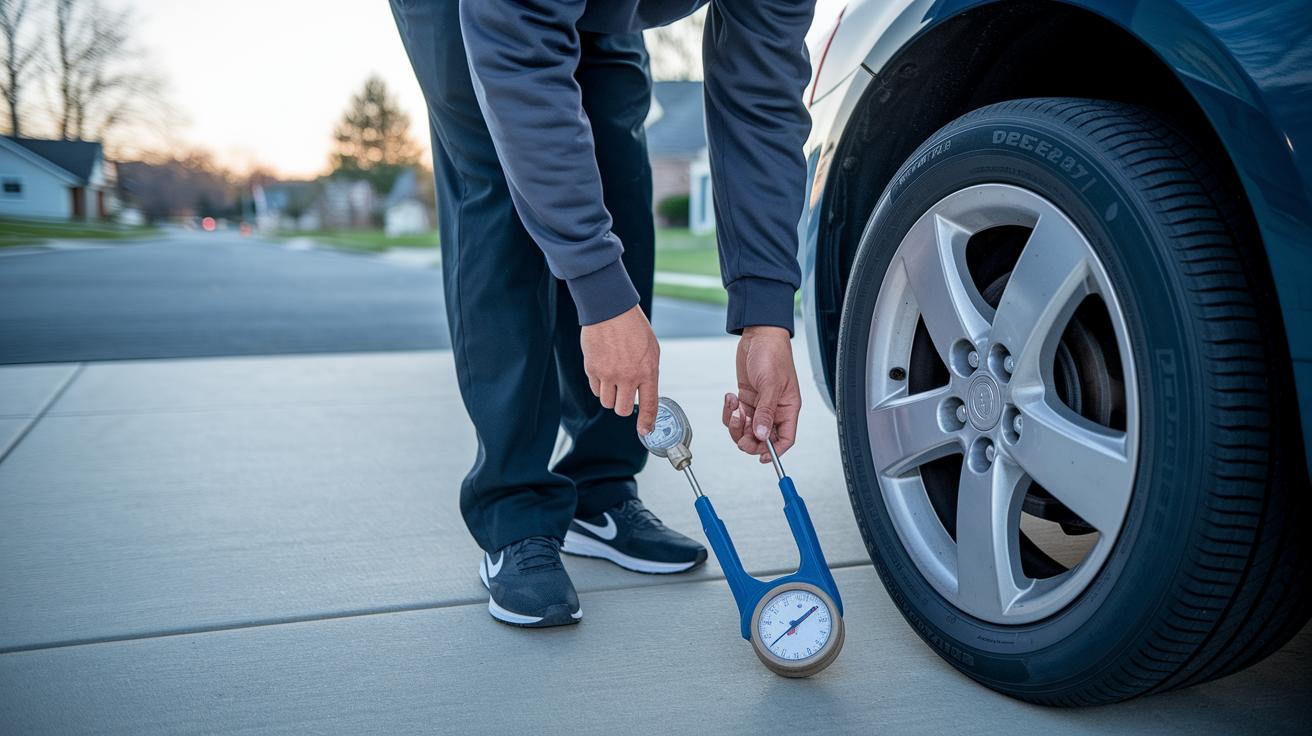
When planning a long drive or just checking in for safety, take a moment to verify your Mach-E’s tire pressure every 15 days and right before any big trip. Make sure your tires are cold (let them rest for at least 3 hours) because driving heats them up, which can add about 2–4 extra psi to your reading. I usually pause before a long drive to check, it's a quick step that saves a lot of hassle later.
Use a calibrated tire gauge for the best reading. Here’s how you can do it:
- First, wipe off any dirt from the valve stem so the gauge can seal properly.
- Next, press the gauge straight onto the valve to get a true reading.
- Finally, note the psi for all four tires to spot any differences.
Keeping a simple log of your readings is like taking a snapshot of your car’s well-being. This routine helps keep your ride safe, stable, and ensures even tire wear.
Regular checks with a digital tire gauge can really boost your confidence on the road. If you ever need more tips, our resource page is there for extra guidance. A little check now can prevent bigger issues later, keeping your Mach-E safe and ready for every adventure.
Interpreting Mach-E Tire Pressure Monitoring System Alerts
Ever noticed your Mach-E’s dashboard lighting up when you’re out on a drive? When the tire pressure drops about 25% below what’s recommended (psi measures air pressure), your car gives you a friendly nudge. A yellow light is like saying, "Hey, check your tires!" It tells you there might be a little underinflation. On the other hand, if the light turns red, it warns you of a bigger issue, like a leak that could affect your ride’s safety.
The infotainment screen helps even more by showing the exact psi in each tire. Think of it as a mini report card that you can compare with the numbers on the door label. That placard is set by the factory to show you what normal should be.
- A yellow “flat tire” warning means one of your tires is a bit low on air.
- A red warning means you might have a tire that’s leaking.
These alerts are simple to understand, so you can keep your ride smooth and safe. Staying on top of these signals helps you maintain the right tire pressure every time you hit the road.
Troubleshooting Low Pressure Alerts on Your Mach-E
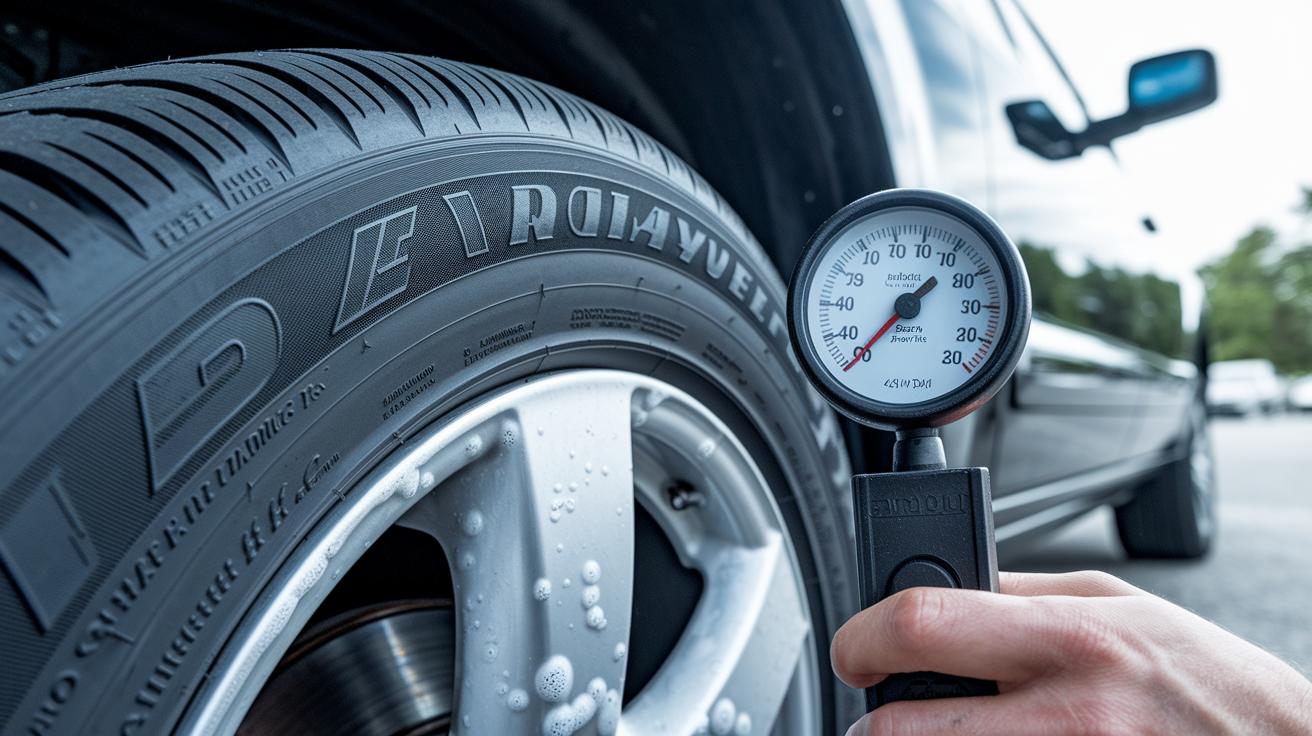
When your Mach-E shows a low pressure alert, it's best to act fast so you stay safe on the road. First, check all your tire psi with a trusty gauge while the tires are cold (let them rest for at least three hours). Often, these alerts come up because of a slow air leak from the valve stems, leaks along the tire's edge (bead leaks), or tiny punctures.
Take a close look at your tires by doing the following:
- Check the valve caps and stems for any signs of damage.
- Listen carefully for a faint hissing sound that might mean air is slowly escaping.
- Spray a little soapy water on any spot you suspect; if bubbles form, air is leaking.
Remember that temperature changes can drop the psi reading, so compare your results with the numbers on your door-jamb sticker. Sometimes, a low sensor battery might also cause a false alert, so if you think the sensor is acting up, check a tire valve maintenance guide to see what you might need to fix.
Once you find a leak or damage, use a plug kit to quickly repair any small punctures. After you fix things, always check your tire pressure again by hand. It can also help to keep a simple log of your readings so you can spot any recurring issues. Noticing a pattern in low-pressure alerts might mean it's time for extra maintenance, keeping your wheels in tip-top shape.
Keeping your tires properly inflated not only makes your drive safer but also helps your Mach-E run smoothly on every road.
Resetting Mach-E Tire Pressure Sensors: A Step-by-Step Guide
Once you’ve filled your tires to the recommended 38–39 psi, it’s time to get your pressure sensors updated. First, be sure all your tires are inflated correctly. Then, take your Mach-E for a drive. Try to keep a speed of over 20 mph for about 10 minutes so the system can pick up the new pressure and reset itself automatically.
If your Mach-E has the newer SYNC4 system, just follow these steps: Go into Settings, then select Vehicle, then Tire Pressure Monitoring, and finally tap Reset. You’ll know it worked when the dashboard icon blinks twice , that’s your cue that everything’s been recalibrated.
For older Mach-E models, the process is a bit different. In that case, simply press and hold the TPMS icon on your dashboard. Once you see it blink twice, you know the reset has kicked off.
It may seem like a small detail, but a proper reset keeps your tire pressure system working right. Accurate sensor readings help you avoid those unexpected alerts and keep your ride safe and steady. Regular resets after any pressure changes are key to ensuring your Mach-E performs at its best.
Seasonal Adjustments for Mach-E Tire Pressure
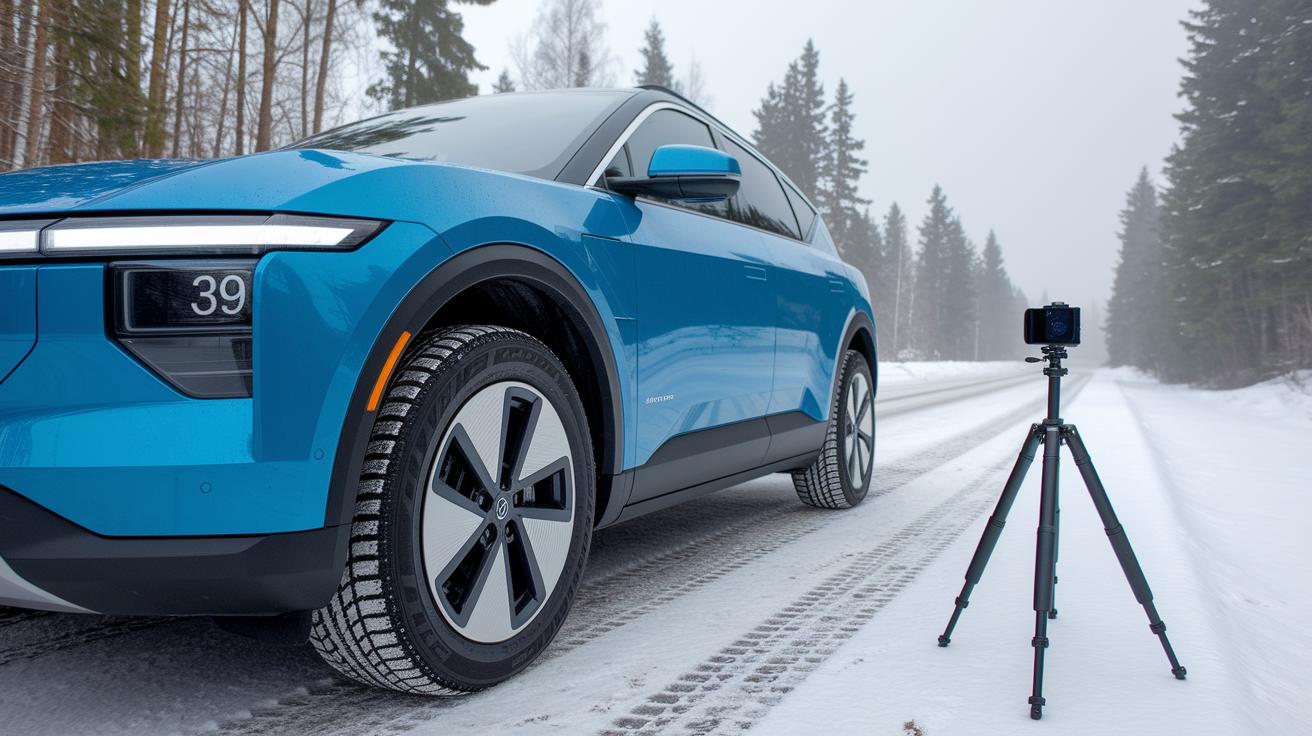
When the temperature drops, your Mach-E’s tire pressure drops too. For every 10°F that falls, you can expect about a 1 psi loss. So, when it’s chilly, try bumping your tire pressure up to around 39 psi to keep a good grip on slippery roads. After a few trips in the cold, take another look to be sure your psi stays high.
In the heat of summer, your tires naturally expand. Keeping them at about 38 psi when it’s hot helps prevent overinflation, which can shrink the contact area between your tires and the road. It’s like adjusting your car’s settings to suit the weather, if the temperature changes by about 20°F, check your psi and make a quick adjustment.
For example, many drivers mention, "I set my tire pressure to 39 psi on a chilly morning and rechecked it after a few starts to make sure it stayed steady." This simple routine keeps your tire performance safe all year long.
Impact of Mach-E Tire Pressure on Range and Tire Wear
Keeping your Mach-E's tires at the right pressure is key for saving energy and getting the most life out of your tires. If your tires don't have enough air (this makes the tire harder to turn on the road), your car has to work more, which can drop your electric range by about 3 to 5%. It's like using extra fuel, your battery drains faster. So, keeping the pressure at 38 to 39 psi helps your tires grip the road well, while also saving energy.
On the other hand, putting too much air in your tires means less rubber touches the road. With less tire surface in contact, you might notice less grip, especially when turning sharply or stopping suddenly. This lack of grip can wear out the middle of your tire tread faster. When you stick with the ideal pressure, it spreads the weight evenly across the tire, which helps them last longer.
Many drivers say that keeping around 38 to 39 psi makes a real difference in how the Mach-E feels on the road, especially during hard brakes or quick turns. In short, balancing your tire pressure is a simple way to save energy, protect your tire wear, and keep your ride safe and smooth.
Mach-E Tire Pressure Maintenance Best Practices
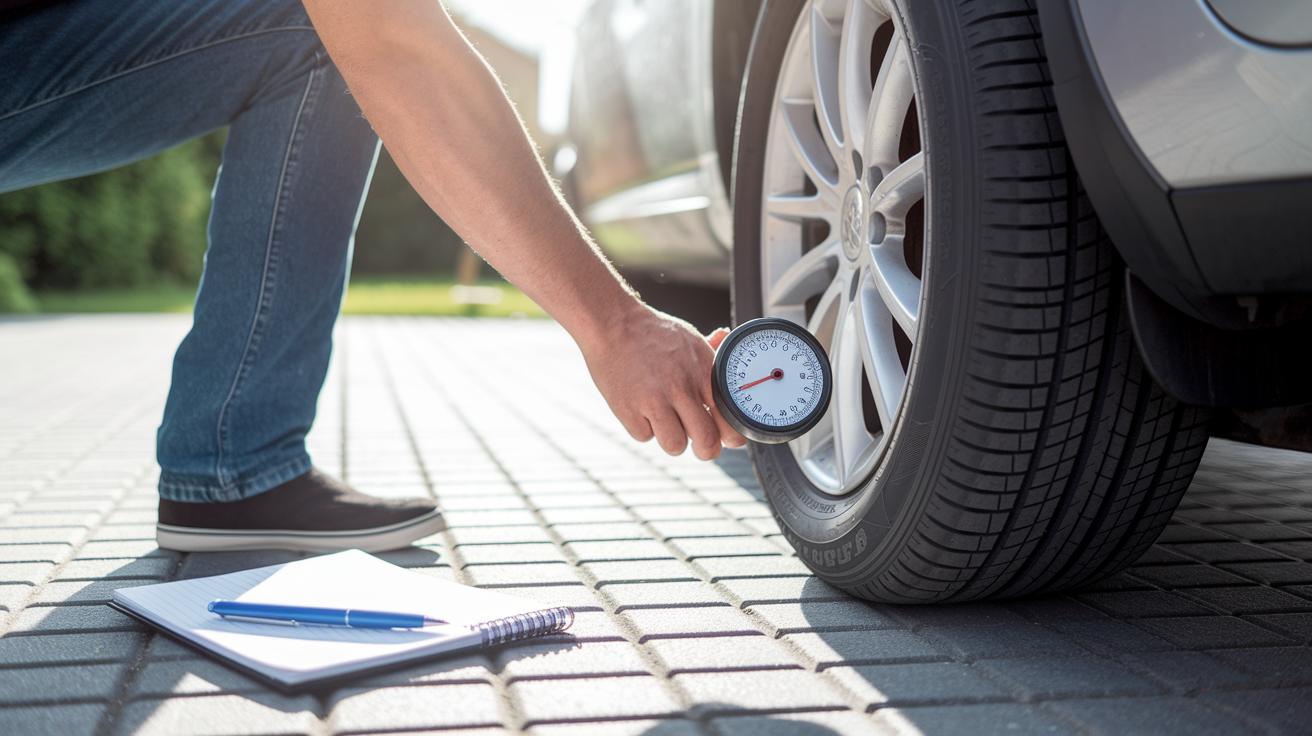
Keeping your Mach-E's tires in good shape is a smart and simple way to help keep you safe on the road. A quick check-up can make a big difference, much like the steady purr of a well-tuned engine. Each month, take a moment to check your tire pressure, tread depth (how fast the tire’s surface is wearing down), valve stems, and sensor signals.
A reliable, calibrated tire gauge is your best friend here, it works like a quick health check for your car. And if a valve cap looks worn out, swapping it out is a small step that helps keep things sealed tight. Jotting down these readings in a log can give you a clear view of any slow changes over time.
- Check tire psi, tread depth, valve stems, and sensor signals every month.
- Use a calibrated gauge for accurate readings.
- Replace worn valve caps when needed.
- Rotate your tires every 7,500 miles to help them wear evenly.
- Test TPMS sensor batteries every 5 years to keep them working well.
These simple steps for tire care ensure your Mach-E keeps running smoothly. Think about tire rotations like sharing the work evenly among your tires, just like a team effort. Keeping an eye on these details might seem small, but they add up to a safer journey every time you hit the road.
Final Words
In the action, we broke down everything about maintaining ideal mach-e tire pressure. We explored setting the right psi for different conditions, checking pressures accurately, and handling alerts from your TPMS. Practical steps helped pinpoint low-pressure issues and reset sensor functions effectively. Seasonal adjustments and tire wear insights rounded out the guidance. Keeping up with routine maintenance ensures safety and performance on every road. Stay informed and feel confident as you hit the road with steady, optimized tire pressure for your Mach-E.
FAQ
What is the recommended tire pressure for the Mustang Mach-E, including 2022 and 2023 models?
The recommended cold tire pressure for a Mustang Mach-E is generally 38-39 psi. This figure may vary by trim and tire size, so always check the door-jamb placard or the owner’s manual for your model.
How does the Mach-E tire pressure display work?
The Mach-E displays tire pressure on the dashboard, showing real-time psi readings for each tire. This helps you quickly spot any pressures that fall notably below the recommended levels.
How do I reset the Mustang Mach-E tire pressure sensors?
After ensuring your tires are inflated to the correct psi, drive above 20 mph for 10 minutes. For models with SYNC4, go to Settings → Vehicle → Tire Pressure Monitoring → Reset; older models may require a long press on the TPMS icon.
What should I do if my Mach-E shows low tire pressure or sensor fault alerts?
If you receive low-pressure or sensor fault alerts, recheck your tire pressure with a reliable gauge. Then inspect for leaks or damage to valve stems and sensors, and adjust the pressure as needed to meet manufacturer specs.
Is using 32, 35, or even 40 psi appropriate for the Mach-E?
The Mach-E is designed to run at about 38-39 psi. Using 32 or 35 psi can underinflate your tires, while 40 psi may be too high, potentially affecting handling and tire wear.
What do discussions on forums like Reddit say about Mach-E tire pressure?
Many Mach-E owners on Reddit agree that keeping your tire pressure at 38-39 psi works best for performance and efficiency. They also share practical tips on sensor issues and regular tire maintenance.

