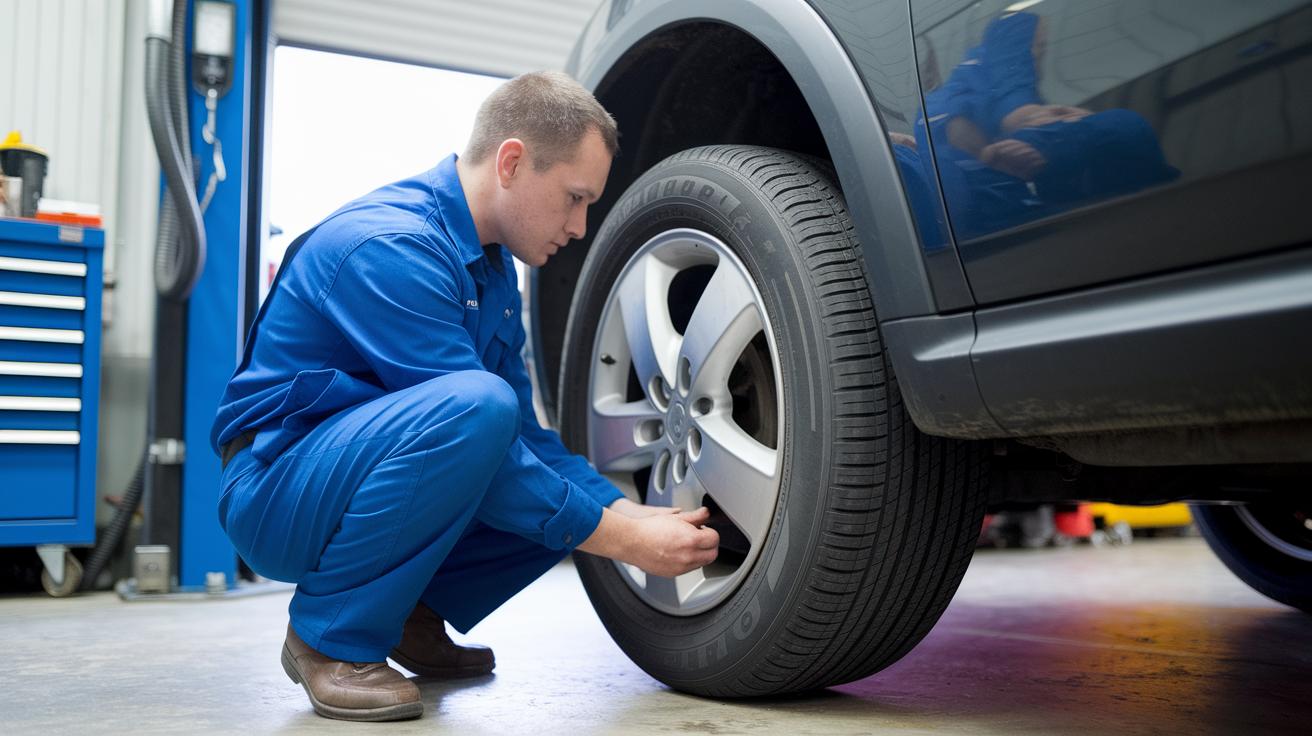


Ever notice your car feels a bit off even when you’re keeping up with your oil changes? I know what you mean. Sometimes, a little extra care can make all the difference.
What if rotating your tires during your usual check-ups made your ride smoother? When you swap your tires around and check your fluids, it helps your car run better and last longer. Rotating your tires (switching them from one spot to another) evens out wear and can improve your fuel use and braking.
Imagine driving with a more balanced, dependable feel. In this post, we’re sharing how adding tire rotations to your routine can give you that smooth, worry-free ride.
Step-by-Step Integration of Tire Rotation into Maintenance Planning
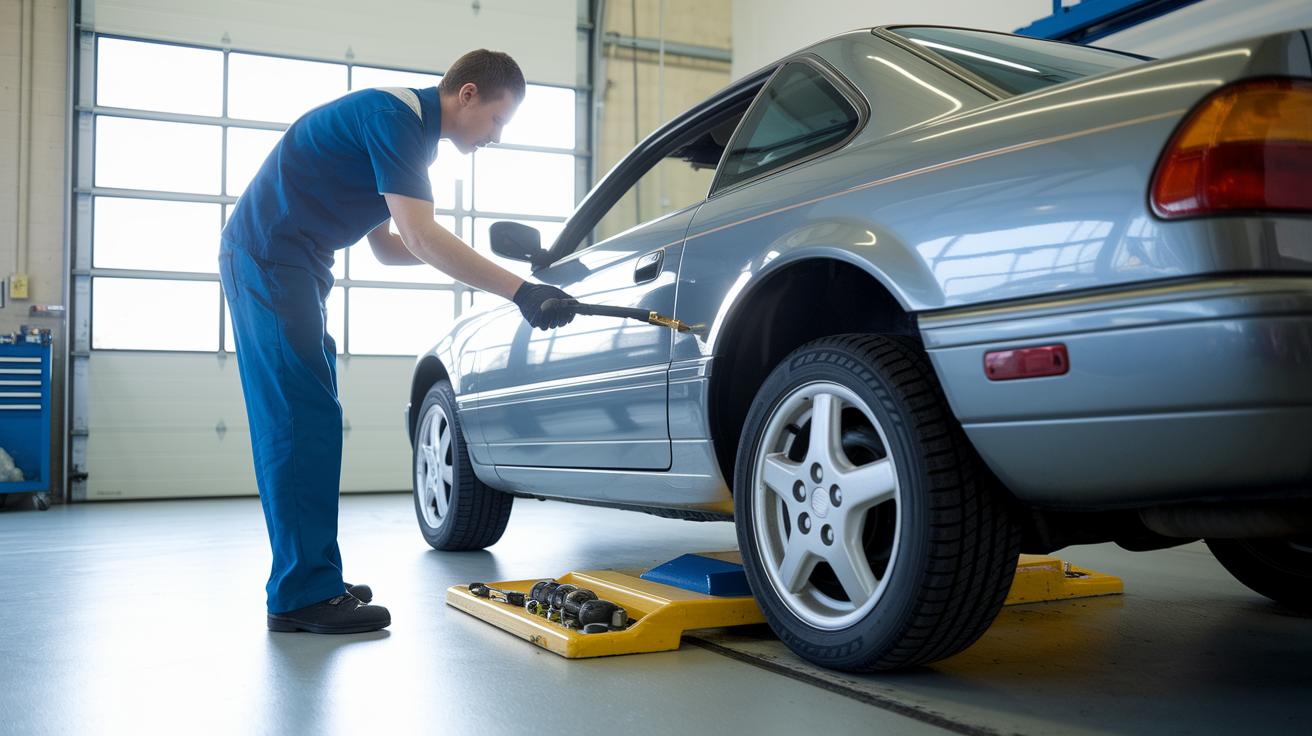
When you add tire rotations to your regular services like oil changes and fluid checks, everything falls into place. Grouping these jobs saves you time and helps your car run consistently well. It's a bit like having a well-organized routine where every part works in harmony.
Doing your tire rotations along with your routine checkups helps keep the tire wear even. This simple habit not only boosts fuel efficiency and improves braking, but it also gives you a more responsive ride. When each service gets done on schedule, your car feels well-cared-for and balanced.
Here's a simple checklist to guide you:
- Set your next rotation based on mileage or a marked calendar date.
- Check your tire pressures and jot them down.
- Safely lift your car using a jack and stands.
- Rotate your tires by following the manufacturer's recommended pattern.
- Tighten the lug nuts to the proper setting (for example, 80–100 ft-lbs).
- Record the service details and mark your calendar for the next one.
Moving your tires from one spot to another, like switching the front-left with a rear-right, helps prevent uneven wear. Typically done every 5,000–8,000 miles or whenever you get an oil change, regular rotations keep your tires wearing evenly. This not only improves performance in wet or snowy conditions but can also extend their life by about 10–15% and reduce the chance of costlier repairs later on.
And remember, using trusted tools makes the process smoother and safer for both you and your car. For reliable tire rotation tools, check out https://tityres.com?p=812.
Building a Unified Maintenance Schedule with Tire Rotation and Auto Services
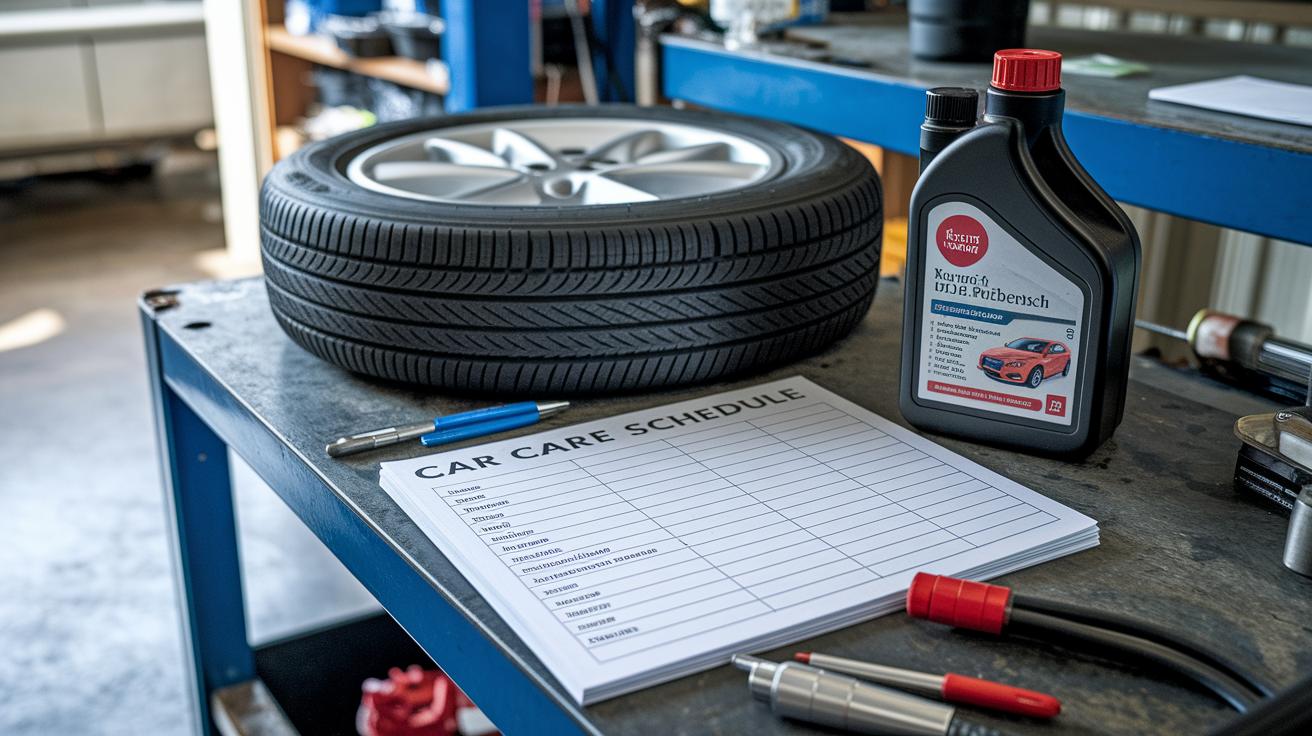
Making one simple schedule for all your car care tasks makes life a lot easier. When you line up tire rotations (which help your tires wear evenly) with oil changes, fluid checks, and other routine fixes, you only have one reminder instead of a bunch. It’s like setting your car on a clear path for good health rather than juggling different dates.
This plan covers everything from taking care of your tires and changing filters (the parts that catch dirt) to checking brakes and testing the battery. Each part of your car gets the right attention at just the right time. And, honestly, it helps steer you clear of missing a critical service.
| Service Task | Recommended Interval |
|---|---|
| Tire Rotation | 6 months / 5,000–8,000 miles |
| Oil Change | 5,000 miles |
| Filter Replacement | 15,000–30,000 miles |
| Brake Inspection | 20,000 miles |
| Fluid Level Check | 10,000 miles |
- Line up tire rotations with oil changes
- Set reminders for fluid and brake checks
- Combine filter changes
- Keep battery tests in the plan
- Track all these service milestones
Doing multiple tasks at once means your car spends less time at the shop, and you might even save some cash. Bundling services can drop labor costs by up to 20%, which means more time on the road and less waiting around in a garage. It’s a smart move that turns maintenance into a smooth ride.
Coordinating everything this way keeps your car running steadily all year. Your tire rotation helps even out wear, while oil changes and fluid checks keep the engine performing well. In one go, you boost your car’s overall health, making maintenance feel like a seamless, reliable plan.
Keeping a simple log, whether digital or on paper, makes tracking every service a breeze and ensures you never miss a beat.
Key Benefits of Integrating Preventive Tire Rotation in Routine Car Care

Regular tire rotations help your car run smoother, save gas, and improve braking. They also make your ride safer when the weather turns harsh. When your tires wear evenly, you'll notice a steady grip on wet, icy, or hot roads. For example, one study showed that cars with regular rotations had more stable braking on icy roads during winter. This extra safety boost comes from keeping tire wear balanced.
Regular rotations do more than just boost daily performance. They help you save money and cut down on waste over time. A quick look at your tires after a rotation can catch small issues before they become big problems, like sidewall damage in extreme weather. One local auto center noticed that cars following a strict rotation schedule needed fewer new tires and ended up with less scrap waste.
| Maintenance Tip | Benefit |
|---|---|
| Perform a visual tire inspection after rotation | Catches early signs of damage |
| Monitor tire pressure regularly | Maintains optimum traction |
| Keep records of rotation dates and mileage | Tracks wear patterns over time |
Tools and Diagnostic Methods for Smart Tire Rotation Planning
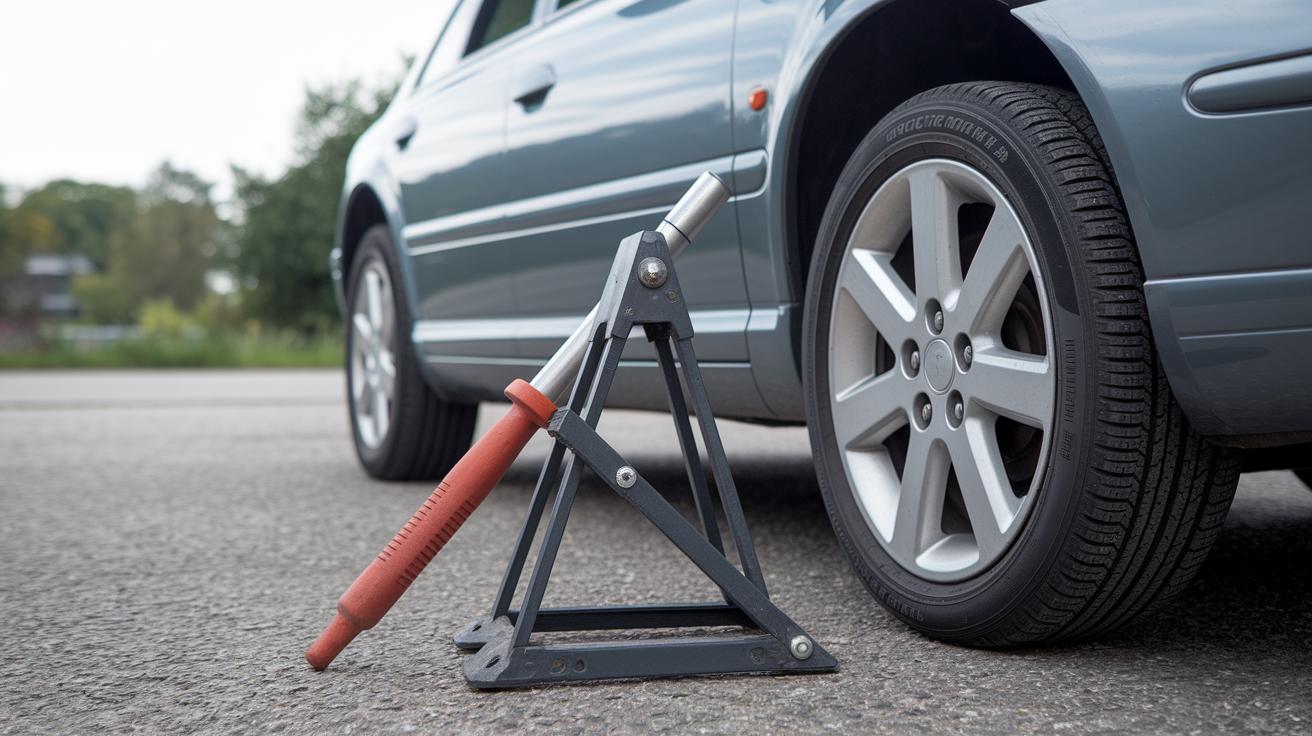
To keep your car safe, you need the right tools. Simple equipment can make rotating your tires both easy and dependable.
Manual Equipment
When you’re doing a tire rotation by hand, a good hydraulic jack and strong jack stands are a must to lift and secure your car safely. A torque wrench is there to tighten lug nuts to the manufacturer’s settings (about 80-100 ft-lbs) so every nut is secure and balanced. A tread depth gauge (a tool that measures how much your tire’s surface has worn down in 32nd-inch units) works like checking your car’s vital signs before you hit the road.
Digital Diagnostics
Your car’s digital tools are just as important. Many vehicles have a tire pressure monitoring system (TPMS) that checks how inflated your tires are, keeping an eye on them in real time. OBD-II diagnostics can produce codes that point out issues like uneven wear, and mobile apps can send handy alerts when it’s time for a rotation, almost like your car is texting you a reminder.
Leveraging Technology for Automated Maintenance Alerts and Tire Rotation Reminders

Imagine your phone or car screen acting like a friendly mechanic. Mobile apps and in-dash systems now keep track of your service history and send you reminders at set mileage, like every 5,000 miles, so you know just when to get your tires rotated. It works like a digital helper, taking the guesswork out of your routine checks.
Your car also has built-in tools like tire pressure monitors (they check if your tire air is just right) and OBD-II diagnostics that watch your tires for uneven wear. When they spot a problem, they let you know it’s time for a tire rotation, turning everyday maintenance into simple, timely alerts.
Final Words
In the action, we covered how tire rotation not only evens out wear but also boosts overall performance and safety. We explored a simple guide that walks you through checking tire pressure, rotating, and recording your services. Tighter coordination with other crucial vehicle upkeep steps, from oil changes to digital alerts, keeps your ride running smooth and safe. A smart maintenance planning: integrating tire rotation with routine car care helps you drive with confidence every mile, making each trip more secure and cost-effective.
FAQ
What is the tire rotation pattern for different drive types (FWD, RWD, 4-wheel drive, and AWD)?
The tire rotation pattern for different drive types changes with vehicle design. FWD usually swaps front-to-rear, while RWD and AWD often follow a crossing pattern to help keep tread wear even.
What does tire rotation cost usually entail?
The typical tire rotation cost covers labor for checking pressures and repositioning tires. Prices differ by shop but generally run between $20 and $50, offering a cost-effective way to maintain tire performance.
What is involved in a tire rotation service and where can I find one near me?
A tire rotation service involves checking tire pressures, lifting the vehicle, and swapping tires according to a set pattern. Local auto shops and service centers usually offer this service nearby.
What mileage interval is recommended for tire rotations?
In most cases, tire rotation mileage is suggested around every 5,000 to 8,000 miles. This interval helps keep wear even and works well when paired with oil changes.
Does car maintenance include tire rotation and is it considered preventative maintenance?
Car maintenance does include tire rotation, which is seen as preventative maintenance. Rotating tires helps maintain performance and extends tire life while avoiding uneven wear.
What is the 30 60 90 rule for car maintenance?
The 30 60 90 rule for car maintenance means checking different car aspects at 30, 60, and 90-day marks. This regular schedule helps catch issues early and keeps everything running smoothly.
What routine car maintenance is typically required?
Routine car maintenance generally covers oil changes, tire rotations, brake inspections, filter replacements, and fluid level checks. These tasks help keep your vehicle safe and performing well.

