

Ever wonder if your tires can handle your daily adventures? Michelin tire ratings show you in a simple way how each tire holds onto the road (even when it starts to wear out). They check performance in everything from tight turns to your regular drive to work. This easy guide helps you pick the right tires that fit your driving style and keep you safe on every road. So, why not take a closer look and see how Michelin's ratings can lead you to tires that offer steady power and long-lasting strength?
Michelin Tire Ratings: Superior Performance & Safety
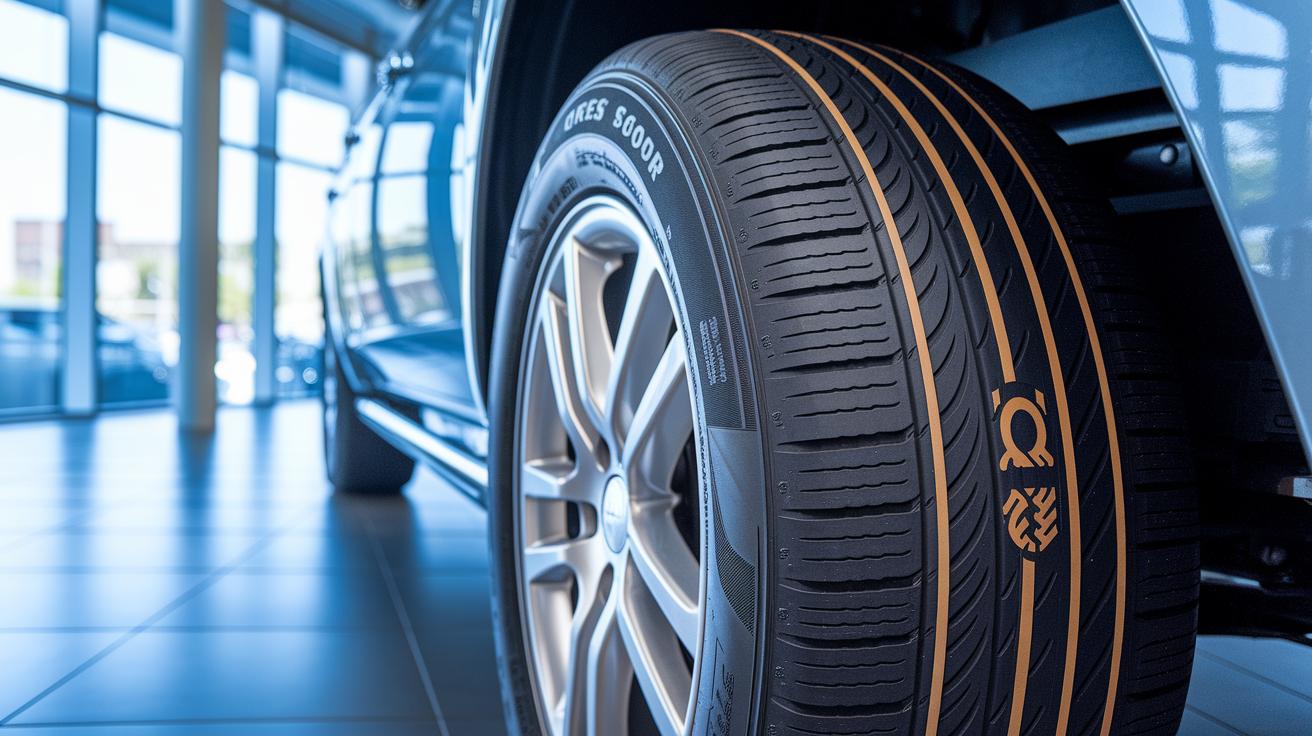
Michelin tire ratings show you how each tire performs on different roads. They point out important features, like how fast a tire wears (how quickly the tread wears down) and its grip (how well it sticks to the road). This helps you choose tires that match your driving style and the roads you travel on. It’s all about picking a tire that gives you both great performance and long-lasting durability.
Michelin offers a range of options built for everything from spirited track days to your everyday commute. This quick guide sets the stage for deeper reviews by comparing top models side by side. Whether you need extra grip for fast corners or a tire that handles light snow and wet roads, these ratings give you the insights you need.
- Michelin Pilot Sport Cup 2: Has a low wear rating of 180, making it perfect for track-like grip and fast braking.
- Michelin Pilot Sport 4S: Delivers outstanding dry and wet traction with a comfortable, quiet ride.
- Michelin Pilot Sport All Season 4: Comes with a wear rating of 540 and works great for wet conditions and light snow.
- Michelin CrossClimate2: A grand-touring all-season tire with a wear rating of 640 and reliable handling in wintry weather.
- Michelin X-Ice Snow: A specialized winter tire without studs that offers exceptional grip in the snow.
- Additional models like the CrossClimate SUV and LTX A/T 2 also provide choices for off-road driving and commercial vehicles.
These ratings help you match a tire’s performance to your specific driving needs. They’re like a trusted friend guiding you to a safe and dependable ride every time.
Michelin’s Rating System Explained
Michelin uses a system called the Unified Tire Quality Grade (UTQG) to help you understand how long a tire’s tread (the rubber part that touches the road) might last. The UTQG numbers can be as low as 180, seen on tires like the Pilot Sport Cup 2, or go up to 800 on tires made for heavy trucks. Think of these numbers as a simple way to know how fast the tire's surface will wear out when you drive.
Traction and temperature ratings are also part of the picture. Traction is shown with letters like AA or A, which tell you how firmly a tire grips both dry and wet roads. Temperature ratings, from A to C, indicate how well a tire handles the heat that builds up while you’re driving. And sometimes, like with the X-Ice Snow tire, you won’t see a UTQG treadwear number because these tires use special rubber formulas designed to perform best in winter.
Michelin also offers load-index tables that match tire sizes with the weight capacity of your vehicle. These tables are super handy because they help you make sure your tires can safely support your car or truck. By checking the load capacity and choosing the right tire size, you keep your ride safe and steady.
Performance Ratings Across Michelin Tire Categories
At the Tire Rack all-weather test in South Bend, IN, they put different tires through real driving challenges to see what they could really do. For example, tires like the CrossClimate2 made about 65 to 67 dBA of noise on the highway, so you get a clear picture of the quietness you might experience. In snowy weather, these all-weather tires needed more than 7 extra feet to stop and took about 1 extra second to hit 30 mph when compared to winter-specific tires. It’s a handy way to see how each Michelin tire performs, whether you're on a dry, fast track or a wet, wintry road.
| Model | Category | Treadwear Rating | Key Performance Notes |
|---|---|---|---|
| Pilot Sport Cup 2 | Track/Court | 180 | Great steering response and braking on dry track use |
| Pilot Sport 4S | High-Performance | NA | Good balance of dry and wet grip for sport vehicles |
| Pilot Sport All Season 4 | All-Season | 540 | Strong on wet roads and handles light snow well |
| CrossClimate2 | All-Weather | 640 | Reliable in wintry conditions with cruise noise at 65–67 dBA |
| X-Ice Snow | Winter | N/A | Excellent traction in snow with a studless design |
| CrossClimate SUV | SUV Touring | NA | Almost matches winter tire braking and cornering, but can be stiffer and louder |
| LTX A/T 2 | On-Road/Off-Road | 500 | Reliable for off-road traction and runs quietly |
These numbers show how the tire features boil down to everyday driving. Whether you're cruising smoothly on a highway or navigating a wet road, these ratings tell you not only how long the tire might last but also how it reacts when you speed up or come to a stop. It helps you pick the tire that fits best with your style of driving and the weather conditions you usually face.
Durability and Treadwear Analysis of Michelin Tires
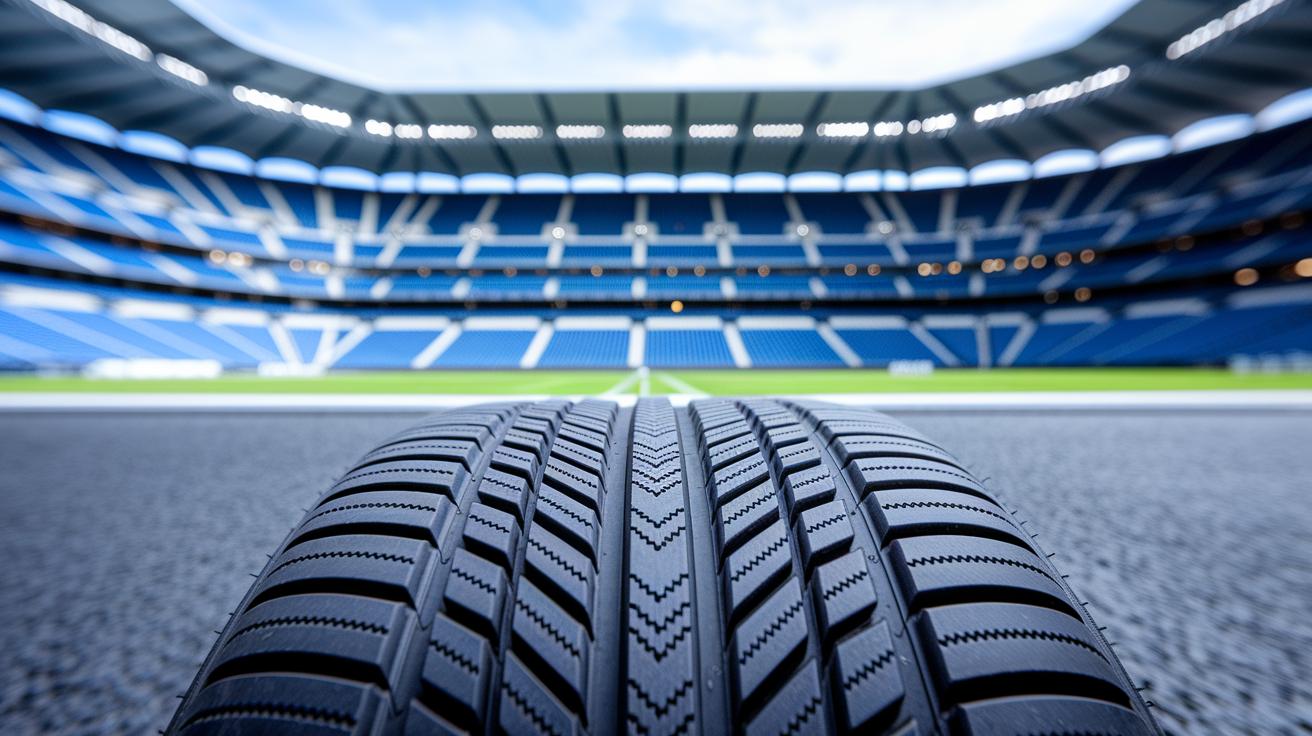
Michelin sets a baseline using its UTQG numbers (ratings that hint at a tire’s life expectancy), but newer lab tests have added more insight. In these experiments, which mimic the stop-and-go of city streets and the challenges of changing weather, the tires kept a steady, even wear, sort of like a car that stays smooth and steady on a long road trip.
Additional long-term tests back up the warranty claims we talked about earlier. These tests show that smart design features, like special tread patterns and unique rubber mixes (compounds that help tires last longer), let the tires perform well over thousands of miles. One study even found that a tire with an extended warranty kept its tread slowly wearing down, giving drivers extra confidence every time they hit the road.
Safety and Traction Ratings in Michelin Tire Ratings
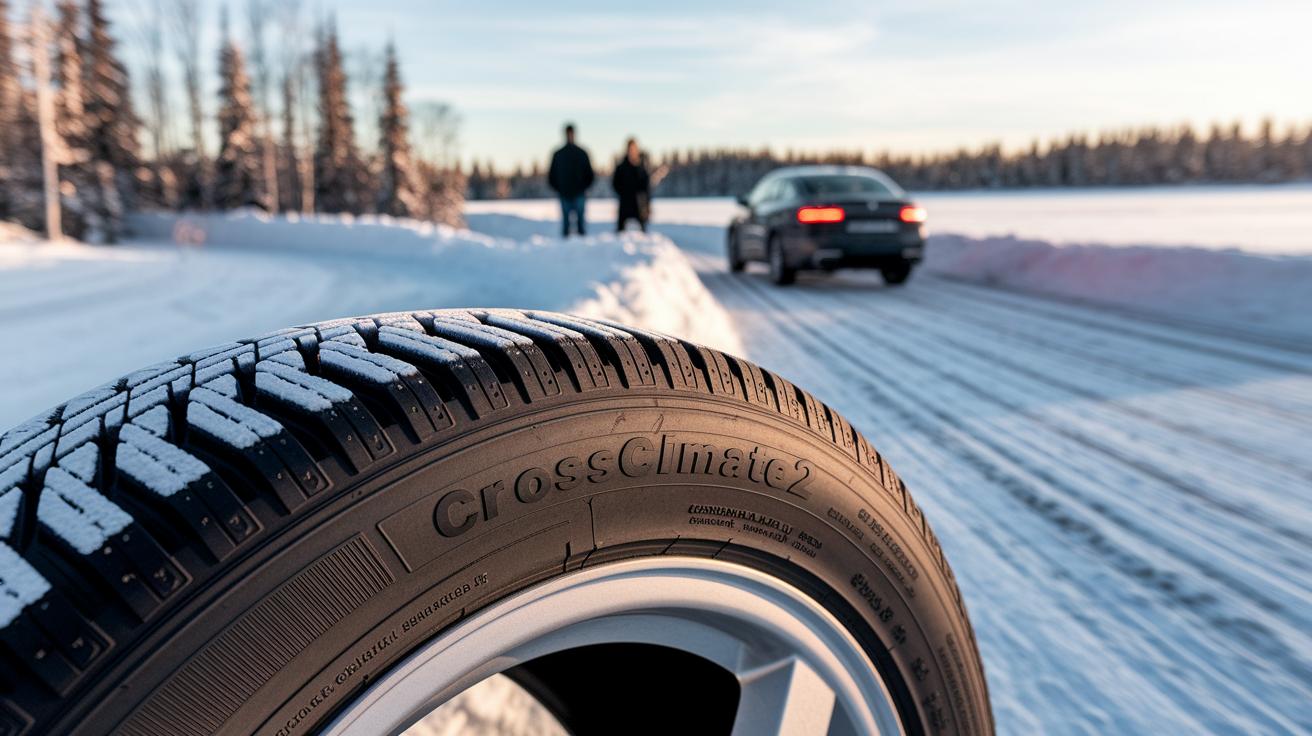
Traction marks and the 3PMSF badge help drivers trust their tires during winter. Take, for example, the CrossClimate2 and CrossClimate SUV. They sport the 3PMSF symbol, which means they’ve passed tough winter tests. Imagine watching a tire handle a sharp turn or a sudden stop, its grip is as reliable as a well-tuned engine responding perfectly.
Careful tests show that the Pilot Sport 4S earns AA ratings on both dry and wet roads. This tire strikes a neat balance between solid performance and quick response. It’s like seeing Michelin pay close attention to every little detail, giving you extra peace of mind on the road.
All-weather tests reveal that some Michelin tires need about seven extra feet to stop in snowy conditions compared to tires made just for winter. Still, studies from Tire Rack confirm that Michelin’s braking works almost as well as top winter models, usually within a 5% difference. It’s reassuring to know you can count on your tires, even on a snowy day.
Comparing Michelin Tire Ratings with Other Top Brands
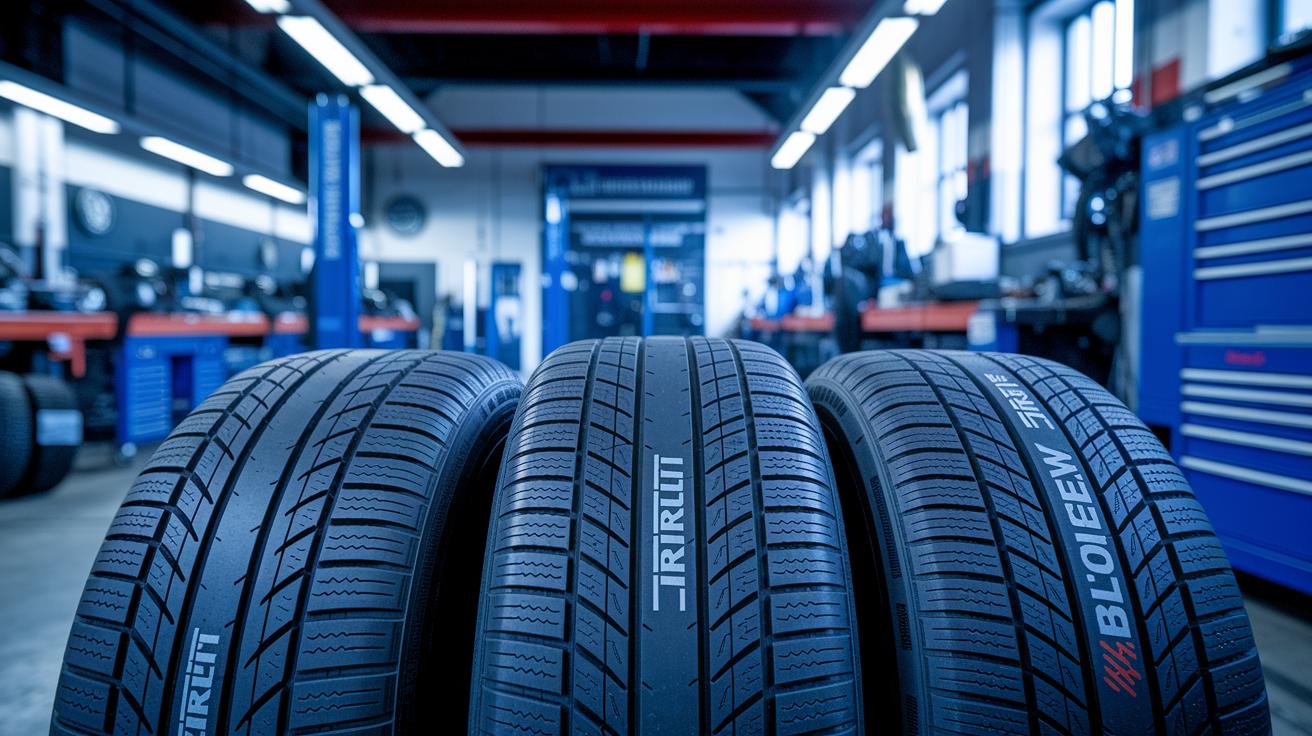
Recently, tests on all-weather and winter tires showed some interesting results. In a five-brand race, the Michelin CrossClimate2 finished second overall. The Pirelli Cinturato WeatherActive took the top spot for dry road performance. Bridgestone WeatherPeak had similar noise levels (65-67 dBA, which means how loud they sound), but they fell short on snow grip. This is where Michelin really shines. Even though dedicated winter tires need over 7 extra feet to stop at 30 mph compared to all-weather tires, Michelin still offers safety features that drivers can count on.
Experts agree that Michelin does a great job in dry, wet, and winter conditions when compared with brands like Goodyear and Nokian. Sure, Pirelli is known for its performance on dry roads, and Bridgestone is very quiet on the highway. But overall, Michelin mixes strong braking with reliable traction. This balance is what many drivers look for, giving them both safety and value when the road gets tricky.
How to Interpret Michelin Tire Ratings for Your Purchase Decision
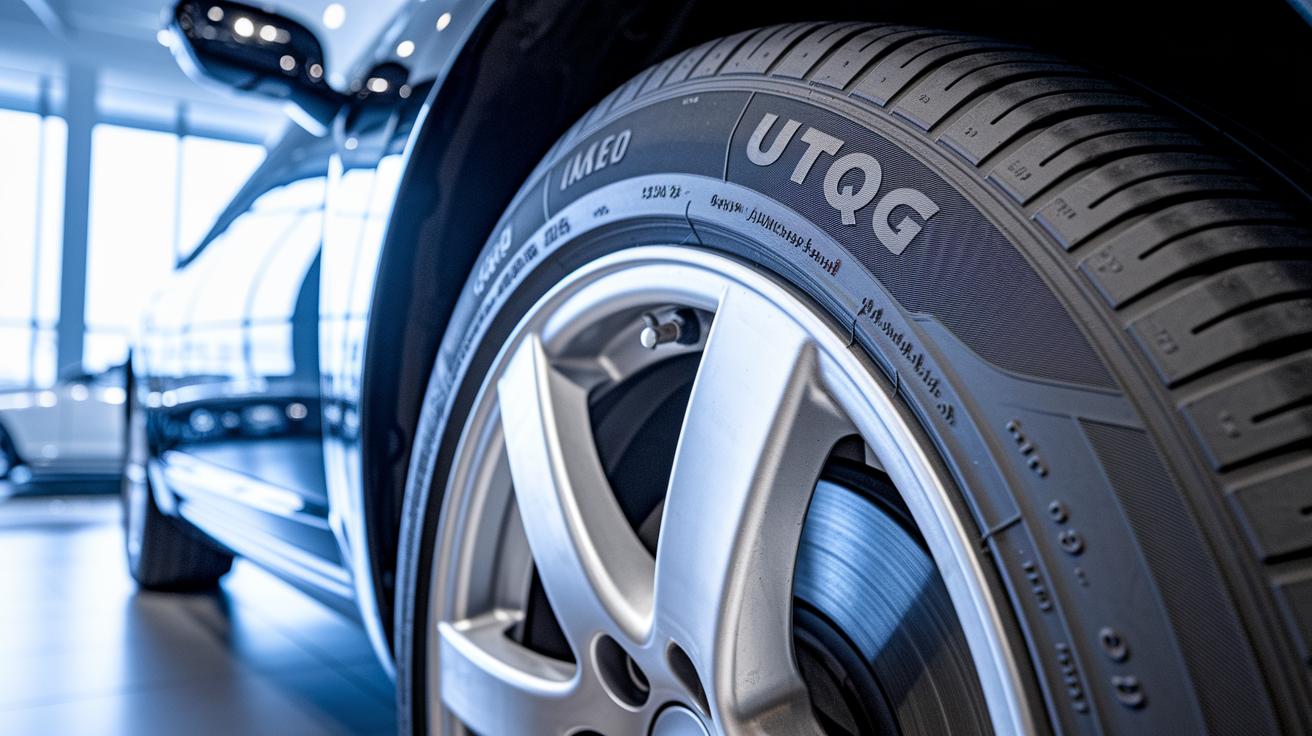
Take a close look at the tire's sidewall. You’ll find codes that show the UTQG (a measure of tire wear), traction (how well the tire grips the road), and temperature ratings. These markers make it easier to compare different tires without needing to read long explanations.
Michelin makes it even simpler. Their digital tools and dealer guides walk you through each step. Just plug in your car details and driving habits, and you’ll get a tire that fits your needs, whether you’re driving on wet roads or enjoying a sunny day.
- Check the sidewall for codes that tell you about tread wear and grip.
- Use online tools and dealer charts to see a clear, side-by-side comparison.
- Then, follow the tips based on what you need out of your tire.
Final Words
In the action, this article broke down Michelin’s tire lineup and ratings. We explored key models and explained terms like treadwear rating (a measure of how long a tire lasts). The post covered performance, durability, and safety metrics to help you pick the right tire for everyday needs. It also compared Michelin’s ratings with other top brands, offering tips on interpreting sidewall codes and reading reviews. Keep these insights in mind so you can shop with confidence, and check out michelin tire ratings for a clear guide on your next tire purchase.
FAQ
What do Consumer Reports say about Michelin tire ratings?
Consumer Reports indicate that Michelin tires perform well, with high marks in treadwear and grip. They receive praise for consistent quality and dependable road safety.
What information does the Michelin tire ratings chart provide?
The tire ratings chart shows treadwear numbers and highlights performance for dry, wet, and light snow conditions, making it easier to compare different models.
What are the ratings for Michelin all-season tires?
Michelin all-season models feature strong ratings for weather traction and tread life, balancing safety for wet, dry, and light snow conditions to meet varied driving needs.
Which Michelin tires are best for SUVs and high performance?
Michelin offers standout options, from SUV-focused models like the CrossClimate SUV to high-performance choices such as the Pilot Sport 4S, both known for reliable grip and durability.
What does the Michelin tire speed rating chart indicate?
The speed rating chart shows how well a tire can handle higher speeds safely, providing guidance on maximum safe speed based on rigorous performance tests.
How does the Michelin rating for restaurants relate to tire ratings?
The restaurant rating is separate from tire ratings. For tires, Michelin concentrates on factors like treadwear, grip, and overall safety instead of dining reviews.
Is Michelin a good tire brand and what is its overall rank?
Michelin tires consistently rank high in performance tests, praised for long tread life, strong traction, and solid safety features, making them a trusted choice among drivers.
What is the overall rating on Michelin tires?
The overall rating shows that Michelin tires deliver dependable performance in durability, grip, and handling, reflecting their strong reputation in the tire market.

