


Ever wonder how tires get so tough and safe? Nanotechnology puts tiny particles into the rubber. These little bits (think of them as super small helpers) let the tire stick to the road better and hold up longer.
This smart mix not only makes the tire last but also helps save energy while you drive. It means more miles and fewer worries for you on the road.
In this article, we’re taking a closer look at how these small upgrades are changing tire design. It’s all about giving you a smoother, safer ride every time you hit the road.
Nanotechnology-Driven Tire Enhancements for Performance, Durability, and Safety
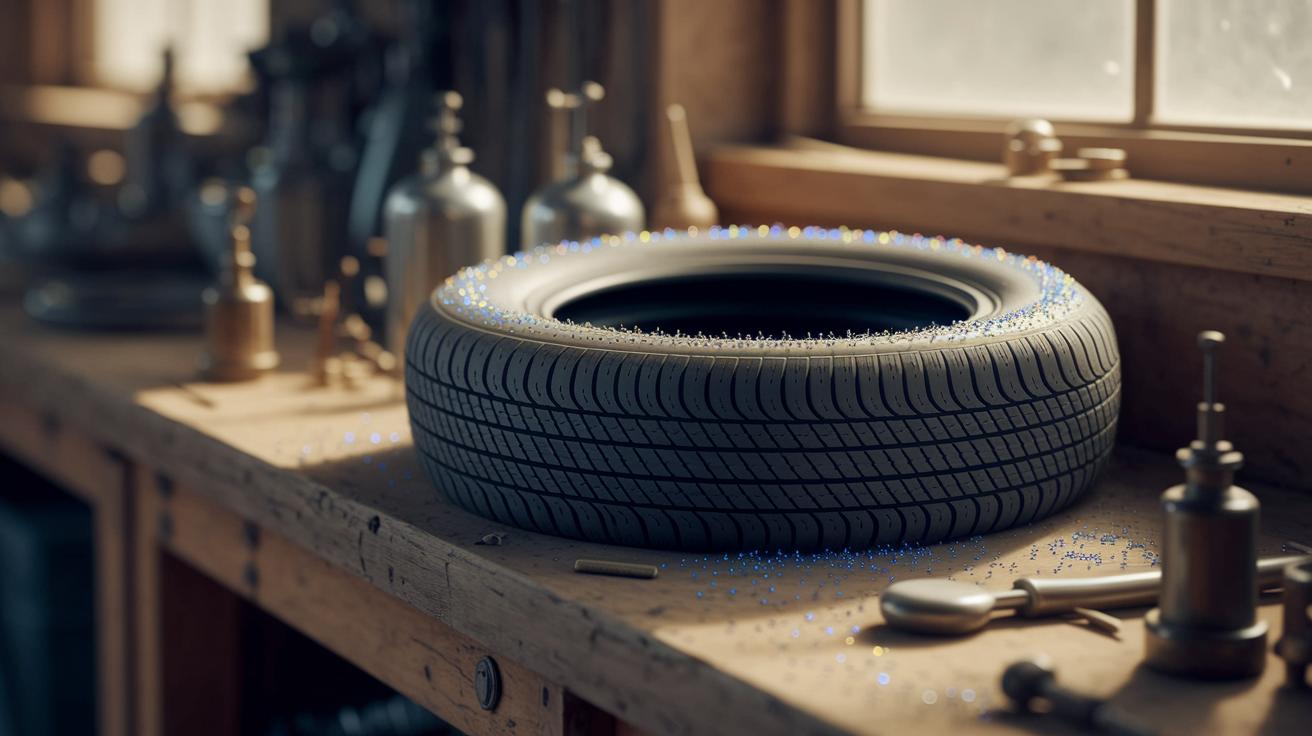
In 2022, researchers at the Luxembourg Institute of Science and Technology discovered tiny particles that mix right into tire rubber. These minuscule bits, or nanoparticles, help your tire grip the road better and cut down on energy waste (rolling resistance means the tire doesn’t lose as much energy when it rolls). Just imagine a tire that hugs the road like a trusted friend on a twisty drive.
These nanoparticles not only improve grip on both wet and dry roads, but they also help the tire last longer by fighting against wear (that’s when the tire’s surface slowly erodes). It’s like getting more miles out of your tires, saving you both money and worry. I mean, who wouldn’t prefer a smoother, safer ride?
New studies even show that these special tires adjust themselves on a tiny level as you drive, which means better handling and safer braking. Tests suggest that the nano-enhanced mix also reduces energy losses, making your vehicle perform at its best. Plus, benefits for the environment are on the horizon, with hopes of lowering harmful emissions. Researchers are keeping a close eye on safety, ensuring that these advances lead to tougher tires and safer roads for everyone.
Essential Nanomaterials Shaping Tire Design

Nanotechnology is changing the way we make tires by mixing in special, tiny materials that upgrade ordinary rubber into a strong, high-performance compound. Carbon nanotubes (tiny tube-like structures made of carbon) help boost the tire's strength at a microscopic level, while silica nanoparticles (small bits of a form of sand) improve grip and resist wear. Graphene fillers add extra strength with a fine structure that blends perfectly into the rubber mix. All these materials combine at a very small scale to form a tough rubber that enhances handling and safety.
Lab tests show that this small tweak can lower rolling resistance by about 15%, meaning your car uses less energy to move. Plus, tires can last 20% longer under normal driving stress. Even a tiny amount of these nanomaterials can turn regular rubber into a powerhouse of durability and safety. These improvements are more than just numbers; they give you steadier grip and better energy efficiency on the road.
These specially engineered microstructures work like hidden supports inside the tire, making it tougher and more reliable. They help the rubber stand up to high speeds and rough roads, so you feel safer while driving.
For more cool info on these new tire materials, check out advanced tire compound technology.
State-of-the-Art Elastomer and Composite Nanostructures

The Luxembourg Institute team tried something really cool, they added teeny quantum additives (ultra-small particles that help change how things work) into rubber networks. Imagine mixing in little boosters into your tire’s makeup, making the rubber much tougher. In tests, this clever trick boosted the material’s strength by 30% (that means it can take more force before breaking), so your tire holds its shape even when it's really working hard. Plus, it helped the tire absorb shocks better when you slam on the brakes or take a tight turn.
They also added engineered polymer microstructure arrays, which is like giving the tire a finely tuned inner support system. This built-in network helps the tire last longer, even when it faces tough road conditions day after day. In simple terms, changing the mix of these tiny particles helps match the tire to different driving needs. The new elastomer blend also does a great job at reducing vibrations, which means a smoother ride for you. In the end, thanks to these cutting-edge nanostructures, the tire compounds are built to last and keep you safe on the road.
Nano-Scale Dynamic Profiling and Friction Optimization in Tires
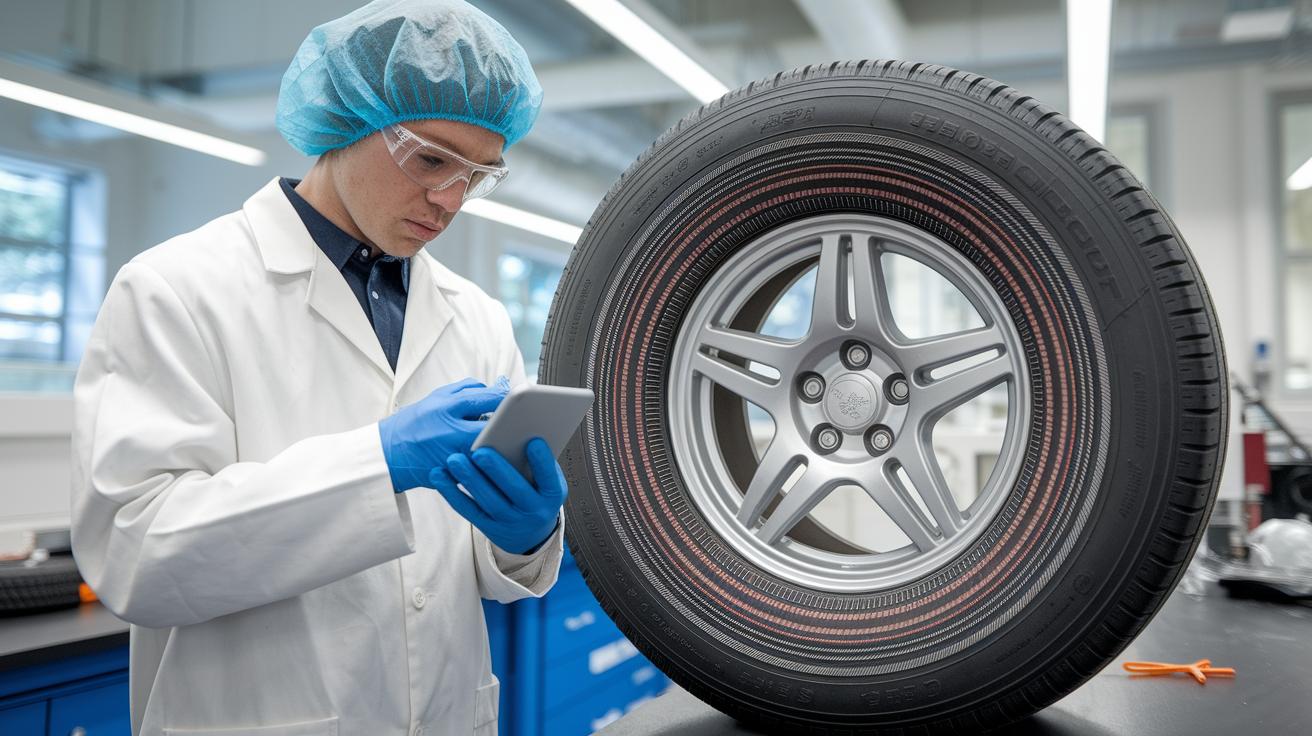
Scientists now use tiny additive simulations to spot small changes in friction at the nanoscale. This technique measures little differences in how tires grip the road that normal tests might miss. For example, one simulation showed a friction change of 0.07 units, which means a better wet grip.
They’ve also added a way to control vibrations right inside the tire’s tiny parts. New tests track and lessen small shakes, helping to smooth out the ride on bumpy surfaces. In one test, vibrations dropped by 15% during high-speed runs, keeping the tire steady even on rough roads.
All these details offer fresh insights into how nanotechnology can boost tire performance by blending smart simulation methods with careful vibration control.
Comparative Analysis of Nano-Enhanced and Conventional Tires
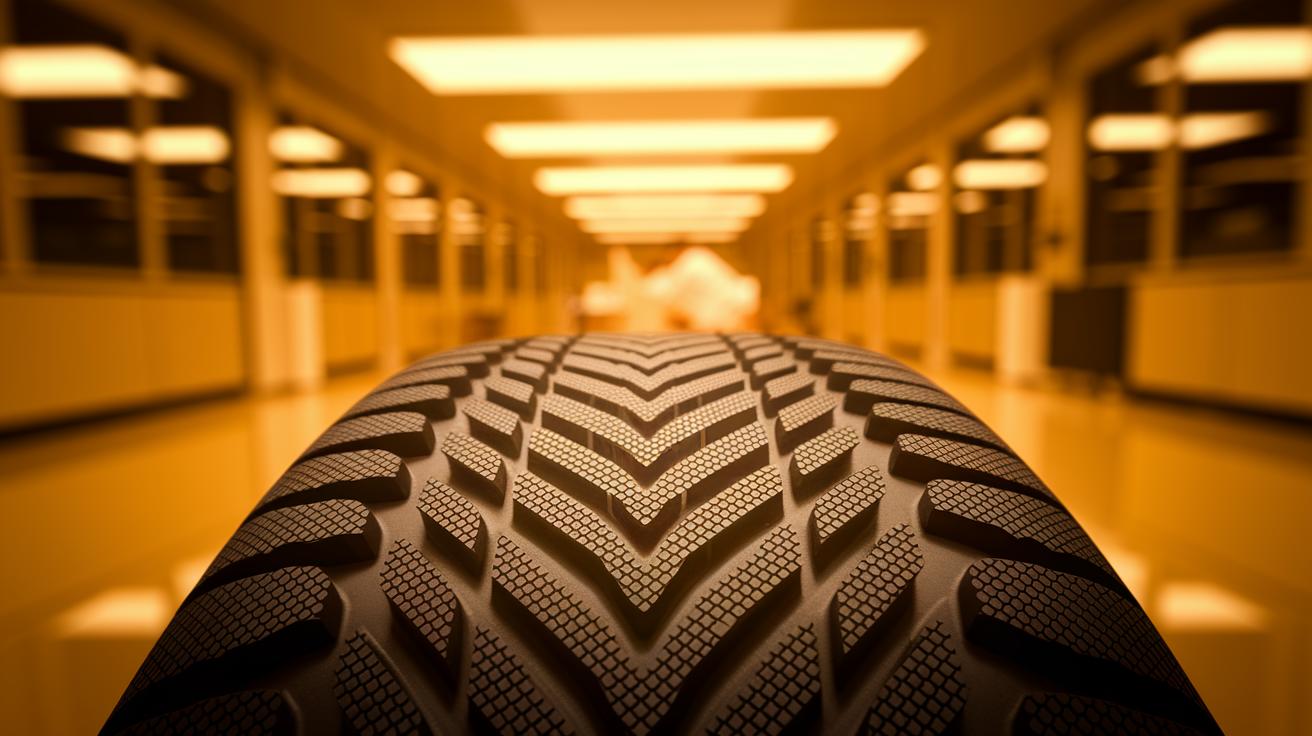
Nano-enhanced tires really come through compared to regular tires. A 2024 OECD report tells us that using sustainable nanomaterials in tires can drop rolling resistance (which means less energy is wasted when the tire turns) by 12% and even extend their useful life by about 18%. This happens because nano-additives mix in evenly, creating stronger bonds in the tire. By contrast, conventional tires rely on bigger carbon black particles that simply don't perform as well.
These advanced tires help your car cruise along more easily because less energy is lost during tire rotation. Imagine a tire that feels lighter on the road, cutting down on fuel use and giving you a quieter, smoother ride.
The way these tires handle stress is another big win. Because the tiny particles are spread out really well, the tire can deal with bumps and heavy loads better. In everyday driving, this means smoother handling during sudden stops or tight turns. Tests even show that nano-enhanced tires resist tread wear (that’s the wearing down of the tire’s surface) more effectively, so they stay ready for the road longer.
| Benefit | What It Means |
|---|---|
| Lower rolling resistance | Saves energy by letting the tire roll more easily |
| Better stress distribution | Improves safety by handling heavy loads and sudden stops |
| Enhanced abrasion resistance | Keeps the tire in service for a longer period |
Case Studies: Nanotechnology Applications in Modern Tire Manufacturing

Michelin’s 2023 prototype shows how using tiny materials can make a big difference. They mixed graphene into the tire's tread compound, which means the outer layer wears down slower (tread wear refers to how fast the tire surface erodes). This trick helped reduce wear by 25%. It’s like having a tire that’s both quick off the line and built to last, much like a sprinter who can burst out of the blocks and keep going strong.
Goodyear’s 2022 pilot took another approach by adding clusters of silica nanoparticles. This change meant the tire had 15% less rolling resistance (a measure of how much energy the tire uses when it rolls). Imagine swapping an old, heavy bike for one with smooth, speedy wheels – every turn of the tire helps save energy and boosts performance.
Then, at the SB’25 panel in San Diego from October 13 to 16, 2025, experts gathered to talk about new ideas such as sustainable tire packaging and the safety risks of these advanced materials. They chatted about how nanotechnologies not only make tires tougher and more efficient but also bring new challenges in keeping things safe and friendly to the planet.
When you put these examples together, you can see that nanotechnology is changing tire manufacturing in exciting ways. Manufacturers are even combining different tiny materials to make tires that perform better and last longer. Just think about Michelin’s 25% improvement – these advances are giving tires a fresh boost in durability and safety, paving the way for remarkable performance on every journey.
Sustainability and Eco-Friendly Nanomaterials in Tire Design
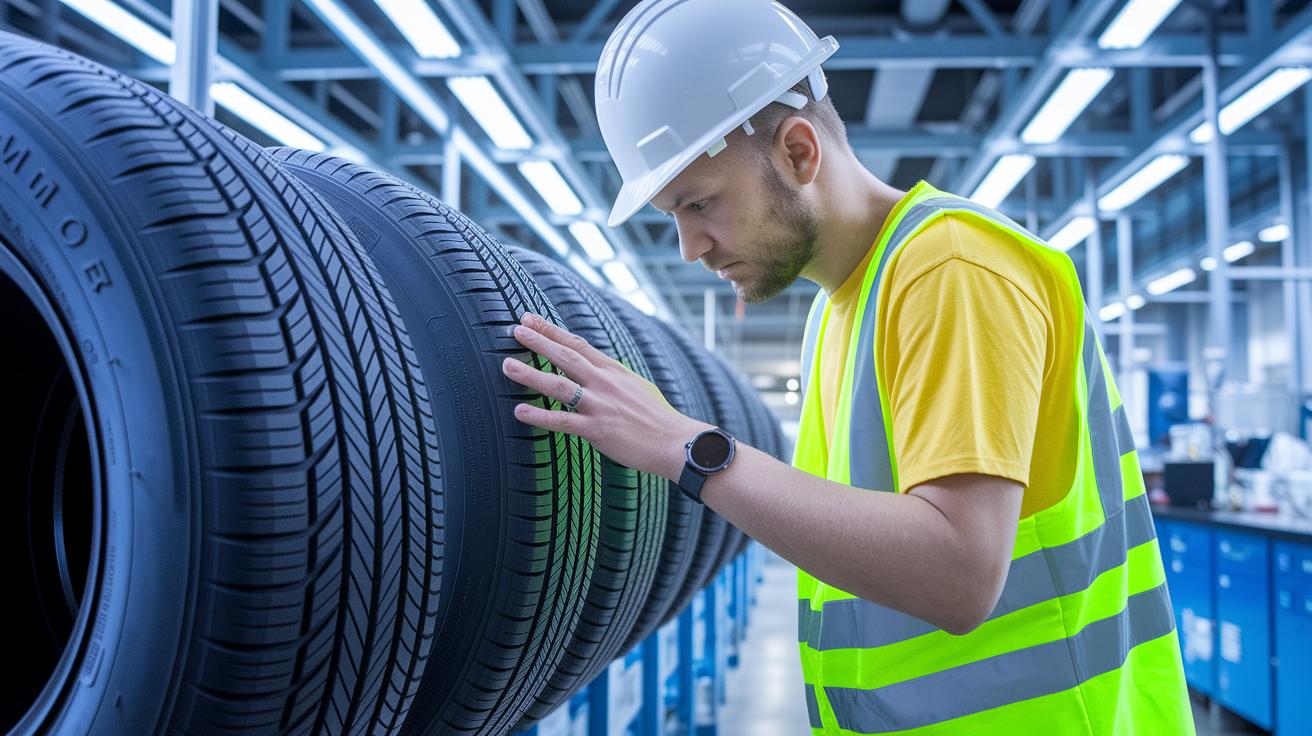
Nanomaterials are changing how tires are built, pushing the auto world toward greener solutions. Some tests even show that new rubber blends, made with nature-friendly methods, can lower a tire’s overall impact on the planet by about 15%.
This study shows that mixing tiny, smart materials with regular rubber helps tires roll more smoothly, which means cars use less energy and produce fewer emissions.
Back in 2024, an OECD analysis found that these high-performance materials might cut CO2 emissions by around 5% thanks to better efficiency. Even small tweaks in how a tire is made can have a big effect on the environment. Manufacturers are now trying out fresh, eco-friendly methods to blend sustainable ingredients while still keeping safety and toughness in check.
At the SB’25 event in San Diego from October 13–16, 2025, experts highlighted the importance of designing products with sustainability in mind and talked about the need for up-to-date rules. They reminded everyone that even though these innovations offer big benefits for our planet, careful checks and risk reviews are essential to avoid any slip-ups during production. In fact, some companies are already putting these eco-friendly tire technologies to the test.
Mixing sustainable nanomaterials into tire design not only boosts performance but also helps keep the air cleaner and the environment healthier. Striking the right balance between safety, durability, and green practices remains a top priority for everyone involved.
Emerging Nanotechnology Trends Shaping Future Tire Innovations
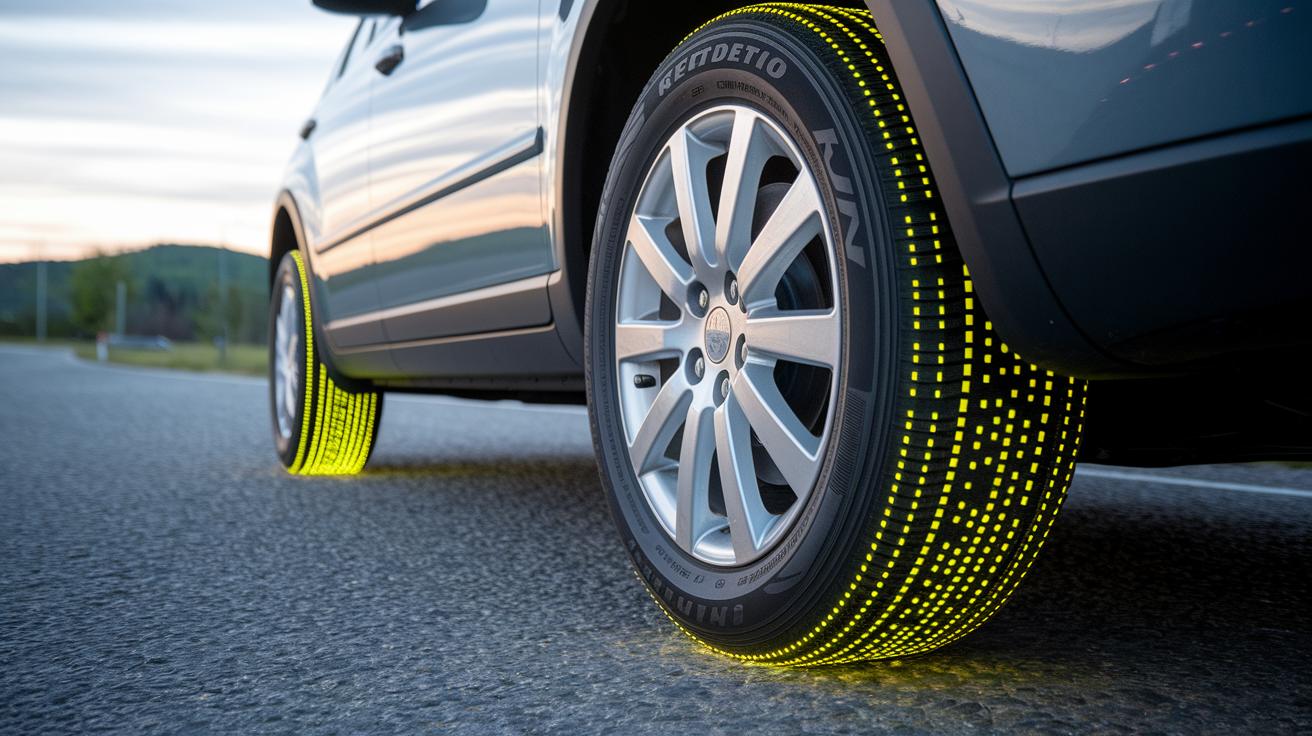
Scientists are testing new tires that use tiny particles (nanoparticles, which are super small bits of material) to change how firm the tire is on the fly. Imagine riding on a tire that adjusts its firmness when you hit a bumpy spot, it’s like the tire knows just what you need at that moment.
Studies suggest these smart tires could soon react to the road as you drive, making your ride smoother and lasting longer. In labs, tests with special quantum ingredients (tiny elements that work in unique ways) hint that by 2030, your tire might even fix minor wear while you’re on the go. That means less hassle with tire maintenance!
Engineers are also exploring ways for tires to change how they meet the road and soak up energy better. They’re checking these nano-enhanced systems over long drives to be sure the tires last and adapt to every turn or weather change. It’s like giving your tire a little brain that tweaks its performance for better safety and durability.
This exciting work is paving the way for tires that deliver reliable, high-level performance mile after mile.
Final Words
In the action, nanotechnology in tire design boosts grip, wear resistance, and safety. The blog post showed how nano-additives improve tire strength while reducing rolling resistance. It explained how advanced materials help extend tread life and improve energy efficiency. Real tests back up these gains, making tires more reliable for everyday driving. With ongoing research and promising results, there's plenty to look forward to on the road ahead.
FAQ
Nanotechnology in tire design pdf
The nanotechnology in tire design PDF explains how tiny materials improve tire grip, strength, and longevity by integrating nanoparticles into rubber, offering enhanced safety and performance.
Role of nanotechnology in tire design
The role of nanotechnology in tire design is boosting tire performance by adding nanoscale particles to the rubber mix, which improves durability, grip, and minimizes wear during use.
Nanotechnology in the automotive industry
The nanotechnology in the automotive industry involves using tiny materials to enhance components like tires, coatings, and structural parts, leading to improved efficiency, strength, and reduced fuel consumption.
Nano ProTech eyewear
The nano ProTech eyewear uses nanoscale coatings to provide superior scratch-resistance and clear vision, ensuring comfort and durability for everyday use.
Write any four applications of nanotechnology in the field of automobile explain any one in brief
The four applications include tire durability enhancement, lightweight composites, efficient coatings, and self-cleaning surfaces. For example, using nanomaterials in tires reduces rolling resistance and extends tire life.
What is the new technology in tires?
The new technology in tires incorporates nanomaterials such as graphene and carbon nanotubes, which improve grip, reduce wear, and lower rolling resistance, resulting in safer and longer-lasting tires.
What are 5 examples of products that have been enhanced by nanotechnology?
The five examples include tires, auto coatings, engine lubricants, battery components, and interior fabrics, each enhanced to boost performance, durability, and energy efficiency.
How is nanotechnology used in cars?
The nanotechnology used in cars involves creating stronger body materials, energy-efficient components, and advanced coatings that resist wear, helping to improve overall vehicle performance and fuel efficiency.
Which company is leading in nanotechnology?
The company leading in nanotechnology within tire manufacturing is often seen as Michelin or Goodyear, as both have made significant advances using nanotech for improved tire performance and safety.

