


Ever thought a fresh tire set could change your whole drive? It’s not just swapping old rubber for new, it’s about boosting your safety and ride comfort. Picture this: a team of friendly experts carefully lifts your car, installs and balances your tires (making sure every detail is secure), and gets everything just right.
The whole ride takes about 45 to 60 minutes, leaving you with a smooth, stress-free drive. Next time you’re on the road, enjoy the steady hum of your engine and the extra confidence that comes with tires installed by people who truly care.
new tire installation: Smooth Ride Ahead

When it's time for new tires, it's best to let a trained expert handle the job. Our certified technicians can complete the whole process in about 45 to 60 minutes, making sure every step is done right for your safety and smooth driving.
First, they lift your car and loosen the lug nuts in a criss-cross pattern so the old tires come off safely. Then, they remove the tires and inspect the rims closely, giving them a good clean. Any debris left on the rim might stop the new tire from fitting securely.
Once the rims are ready, the technician uses a special mounting machine with a plastic-coated head (this coating helps protect the rims from any scratches) to fit the new tire onto the rim. They then make sure the tire sits perfectly by checking the bead (the inner edge of the tire that seals with the rim).
Next up is balancing. The tire goes onto a high-speed computerized wheel balancer that spots even the slightest imbalances. They add small weights to ensure the tire spins evenly, which cuts down on uneven wear and keeps your ride comfortable.
Finally, the technician uses a torque wrench to tighten the lug nuts to your vehicle’s specific requirement. In some cases, they might also perform a wheel alignment to adjust the wheel angles, helping prevent uneven tire wear and ensuring your car handles smoothly on the road.
Professional vs. DIY New Tire Installation Options

When it comes to putting on new tires, the pros can usually get it done in about an hour. They have the perfect blend of tools and know-how to mount, balance, and align your wheels so your ride feels just right. Fun fact: most retail shops finish a new tire installation in under 60 minutes, meaning you could be back on the road quickly with a smooth, reliable drive.
If you're thinking about doing it yourself, be ready with some special tools. You'll need items like bead breakers, tire irons, and balancing stands (these help break the tire bead, remove the tire, and keep it steady during mounting). These aren’t your everyday household tools, and using them can be tricky if you're not familiar with tire work.
Another handy option is mobile wheel installation services. They come straight to your door with all the right gear, saving you the hassle of a trip to the shop. While the DIY approach might seem cheaper at first, the extra time and risk of an imperfect mount often outweigh the savings. In the end, professionals stick to careful steps that ensure safety and smooth performance, making them the go-to choice for most drivers.
Professional Wheel Fitting Steps in New Tire Installation

Preparing the Vehicle and Wheels
When you safely lift your car and loosen the lug nuts in a criss-cross pattern, you help prevent uneven pressure on the wheel mount. Fun fact: engineers found that this method protects the mounting area by keeping the strain even.
Removing Old Tires and Cleaning Rims
First, let the tire deflate and then use a bead breaker (a tool that separates the tire from the rim) to remove the old tire. After that, each rim is carefully inspected and cleaned to get rid of dirt and debris that might cause tire bead issues.
Mounting New Tires
Your new tire is carefully installed using a mounting machine fitted with a plastic-head attachment. This approach not only protects the rim but also makes sure the tire beads (the edges that sit on the rim) seal properly.
Balancing Wheels
Next, the tire is placed on a computerized wheel balancer that spots even small weight differences. Tiny weights are then added to balance things out, ensuring your ride is smooth and free of vibrations.
Applying Final Lug Nut Torque
The car is lowered just a bit so a technician can use a torque wrench to finish tightening the lug nuts. Tightening them to the manufacturer’s recommended level helps avoid vibration and potential damage to your wheels.
Performing or Scheduling Alignment
Finally, a wheel alignment check is done to adjust angles like toe, camber, and caster (which affect tire wear and performance). This step keeps your tires wearing evenly and makes sure your car handles reliably on the road.
Essential Tools and Equipment for New Tire Installation

If you like doing things yourself, manual kits have just the basic tools you need. These kits come with bead spoons (think of them as a gentle tool that lifts the tire off the rim), mounting lube (a smooth liquid that helps the tire slide onto the rim), and simple balancing weights (which keep the tire spinning evenly).
For a closer look at all the mounting tools, including prices and options to rent them, check out the tire installation tools.
Additional Equipment Tip
- A portable air compressor can help if you need to adjust tire pressure.
- Extra mounting lube and safety stands can be a big help when conditions aren’t perfect.
| Tool | Description |
|---|---|
| Bead Spoon | Helps gently pull the tire away from the rim so it doesn’t get damaged. |
| Mounting Lube | Makes the tire slide onto the rim more easily by cutting down on friction. |
| Basic Balancing Weights | Keeps the tire spinning smoothly and evenly once it’s mounted. |
Cost Breakdown for New Tire Installation Services
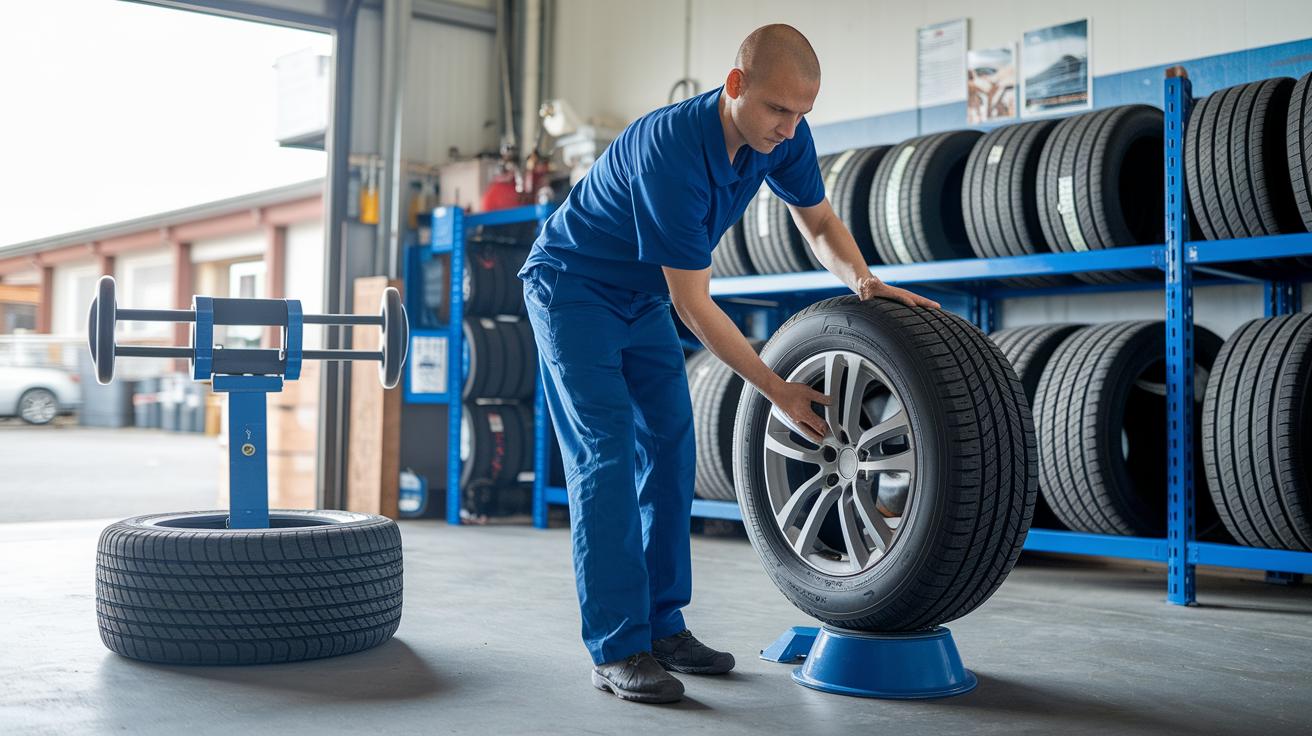
Getting your new tires mounted and balanced usually runs about $15 to $35 per tire. It really depends on where you are, the size of your tires, and the type of vehicle you drive. For example, a small car might be cheaper in one area, while a big SUV might cost a bit more somewhere else.
Sometimes, you can catch a seasonal deal or a limited-time discount that brings the price down. Many service centers even bundle in free balancing or a tire rotation with your purchase, so you might end up saving more than you expected. It's kind of like finding a hidden gem when you compare offers!
If you're tempted to tackle it yourself, know that a DIY kit can cost between $150 and $300. That upfront cost is often more expensive than letting a professional handle just one tire set. So, even if the DIY route sounds fun, professionals usually win on price and convenience.
When you're shopping around, remember to look at everything the quote covers. A pro service not only ensures your tires are mounted and balanced correctly (which helps slow down tread wear, or the wear on your tire's surface), but they might also perform extra checks like an alignment review. Asking for a detailed cost breakdown can really help you see the full picture.
Before you decide, get a few quotes and hunt for any coupons or discounts. That way, you can choose a service that fits your budget while still keeping your ride smooth and safe.
Selecting Local New Tire Installation Services

There’s a nearby auto fitting shop that mixes certified technicians with the newest tools to get your tires mounted and balanced just right (balance means the tire spins evenly without wobbling). You can even book online, call for 24-hour mobile mounting, or get emergency help so you’re never left waiting.
Local tire pros are proud to offer dependable service. Folks often mention the quick turnaround, clear pricing, and careful handling of rims. Reviews tend to focus on the quality of equipment, proper training of staff, and friendly check-ups after your service. It really pays off to see what other customers have to say.
When you’re looking for the right shop around you, try using a car maintenance checklist. This handy guide walks you through what to check, from technician certification to follow-up service quality. It ensures you get the care your vehicle needs while keeping your tires safe and in top shape every time you hit the road.
Post-Installation Care and Safety Tips for New Tires

Once your new tires are on, a few simple checks can keep your ride smooth and safe. After about 50 miles, take a moment to re-check the lug nuts (the small bolts that hold your wheels in place). This quick step helps make sure your wheels stay tight and stops any shaking or loose feeling.
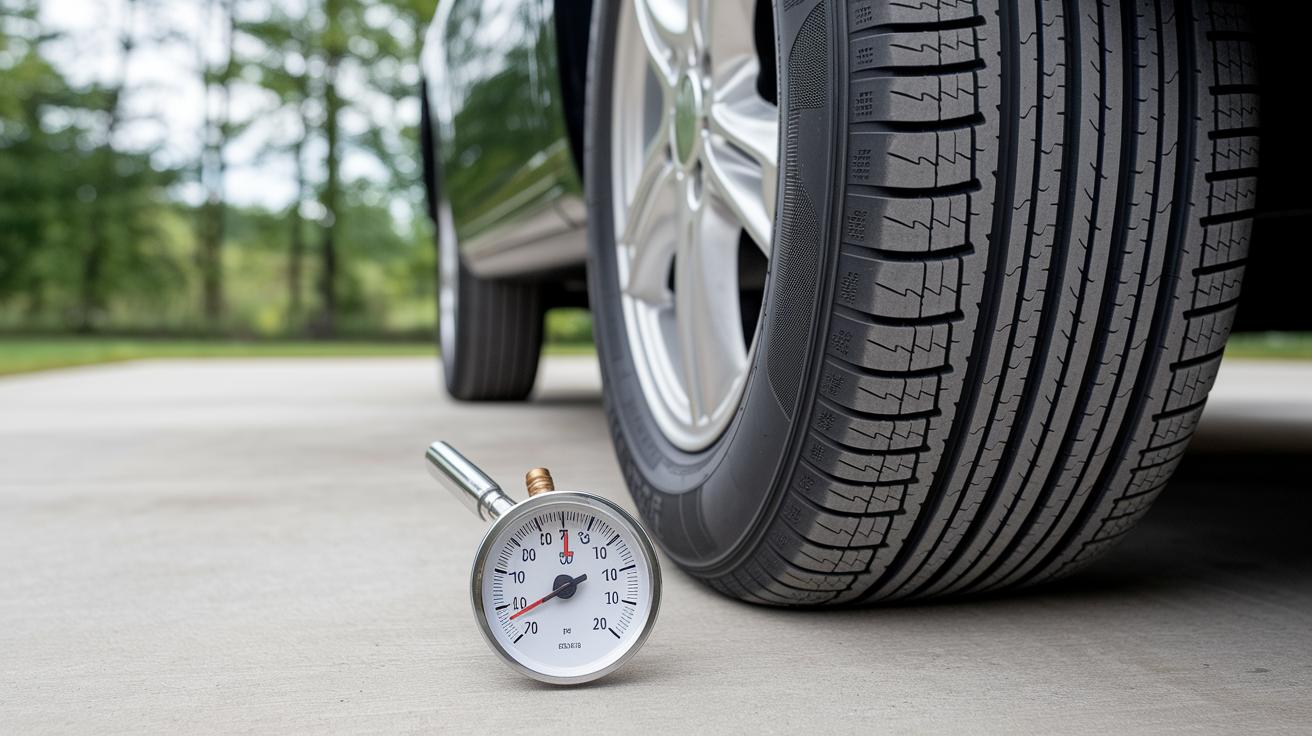
It’s a good idea to check your tire pressure every week. Also, rotate your tires every 5,000 to 8,000 miles. This routine care helps the wear spread evenly and makes your tires last longer. And if the shop didn’t do a wheel alignment (where they adjust your wheels so they point straight), be sure to schedule one soon so your tires wear evenly and you get a better driving experience.
Some service centers even offer free follow-up inspections or balancing checks. These extra visits can catch small issues before they become big problems. They offer a bit of peace of mind that keeps your car running at its best.
Lastly, if your service package includes insurance for installation, take a few minutes to review what’s covered. It’s a smart move to know how to protect your investment. For more tips on keeping your car in top shape, check out some preventative car maintenance advice.
FAQs on New Tire Installation
Does my new tire come with a warranty?
Yes, your tire usually comes with a warranty that covers factory mistakes and how quickly the tire wears out (that’s what we call tread wear). For all the details, check out the warranty guide that came with your tire.
What maintenance tips should I follow after installation?
Keep your tires pumped up to the right level and take a moment every few weeks to check the tread (the part that meets the road). A quick look-over can help catch any unusual wear before it becomes a problem.
How can I tell if I need a follow-up service?
After a short drive, listen for any odd sounds and notice if there are any strange vibrations. If something feels off, it might be time for a follow-up, just give customer support a call to book a quick checkup.
What should I do if I notice issues like vibration?
A little vibration might just mean the tire needs balancing, a quick fix to keep things running smoothly. But if the vibration sticks around, reach out for some troubleshooting advice instead of trying to fix it all on your own.
Final Words
In the action of new tire installation, the article covered everything from how certified technicians mount and balance your tires to comparing professional and DIY options. We talked about the tools used, typical costs, and how finding local services can make a big difference. Post-installation care tips were shared to help keep your tires in check. Each step helps you drive with confidence and safety, ensuring your vehicle performs well mile after mile. Enjoy smoother rides with expert care.
FAQ
Where can I find new tire installation services near me?
New tire installation services near you are provided by local auto centers with certified technicians. These experts mount, balance, and secure your tires, making safety a top priority.
What is the cost of new tire installation services and are there any deals at places like Walmart?
New tire installation costs typically range from $15 to $35 per tire. Retailers like Walmart often offer deals or bundled services, so comparing local prices can help you save while getting quality care.
How does mobile tire installation work and what are its costs?
Mobile tire installation means a technician comes to your location to mount and balance your tires. This service offers the same expertise as in-shop installs, with costs usually aligned with standard rates, sometimes with a small convenience charge.
How do I find tire rotation services near me?
Tire rotation services are offered by many local auto centers to help distribute wear evenly on your tires. Booking a rotation can often be part of a broader tire care package that keeps your ride smooth.

