


Ever wonder if a tire could be made so it never goes flat? Non-pneumatic tires do just that by using solid materials like sturdy plastic or solid rubber (think of it like a tire that never loses air).
They work just like a regular tire but without the need to pump them up, saving you time and spare you the hassle of unexpected roadside troubles. Made tough from materials that hold up well day in and day out, these tires mean fewer repair stops and a smoother ride on busy roads.
Technical Overview of Non-Pneumatic Tires: Design, Benefits, and Applications

Non-pneumatic tires, which many call airless tires, are built with solid rubber, plastic, or thermoplastic spokes (sturdy, heat-proof plastics) that help them keep their shape all the time. They don’t need air or regular pump-ups, so you never have to worry about flats or checking your tire pressure. It’s a bit like choosing a bike tire that never needs pumping, you just drive on without the extra fuss.
For over a century, traditional pneumatic tires have been popular since the air inside gives you a smooth, comfortable ride. But that air can be a weakness if you bump into something sharp, causing a flat that might leave you stuck. With non-pneumatic tires, there’s no need to keep an eye on the pressure or deal with frequent repairs. They offer a firmer ride and fewer maintenance stops. It’s like replacing your trusty pump with a “set-it-and-forget-it” design that lets you focus on the road ahead.
The shift to alternative materials, like solid rubber or modern thermoplastics, makes a lot of sense. These materials not only toughen up the tires but also cut down long-term costs. When you look at how tire technology has evolved, it’s clear that these innovations support heavy loads and help reduce energy loss (from friction that slows you down).
Non-pneumatic tires really shine in rough conditions. Their built-in resistance to punctures and strong load-bearing ability make them a go-to for industrial machines, agricultural vehicles, and heavy-duty equipment. Picture a farm tractor or a construction cart, they need tires that can take a beating without causing a work stoppage. With these tires, you can count on fewer surprises and lower repair expenses, keeping your operations rolling smoothly.
Plus, when your tires require less upkeep, your fleet spends more time on the job. More uptime means a more efficient day for everyone involved.
Structural Architecture and Material Innovations in Non-Pneumatic Tire Design

Non-pneumatic tires have a cool design that uses thermoplastic spokes radiating from an aluminum hub in neat patterns. This means they don’t need the usual sidewalls or air to stay firm, yet they still handle heavy loads like a champ. It’s a bit like a mini-engine where every spoke plays its part, much like a team working together. Ever seen Bridgestone’s 2012 Tokyo idea or Michelin’s Tweel? They show how fresh design can give traditional tires a run for their money.
These tires are made from solid rubber, polyurethane, and composite plastics. Think of it like picking ingredients for your favorite recipe, each one makes the tire strong, flexible, and more eco-friendly. Imagine the rubber and plastics teaming up to keep every spin solid and dependable. It’s a smart mix that works much like the secret sauce in your best dish.
Galileo Wheel technology takes things further by adding concave sidewalls that help spread the load more evenly. This clever design means if one part of the tire is under pressure, the rest helps out, almost like sharing the work. Plus, the added rubber flex elements give the tire a longer life, kind of like having a backup plan built right in. It’s a neat alternative to the old, air-filled style.
This fresh design not only makes tires easier to maintain but also uses smart materials that help keep things reliable and green.
Performance Metrics and Durability Assessment of Novel Non-Pneumatic Wheels

Airless tires get measured by the things that really matter to drivers and fleet managers. We look at factors like how much a tire holds its shape (radial stiffness, which is basically how well it resists bending when loaded), how much weight it can carry (load capacity), how hard it is to keep the tire moving (rolling resistance), and how energy efficient it is. Think of radial stiffness as the tire’s way of saying, “I’ve got your back” even when the road gets bumpy.
Tests have shown that these airless designs lower rolling resistance, meaning your engine doesn’t have to work as hard. It’s like driving a car that’s been tuned to glide smoothly. This drop in friction helps save fuel over time and can really add up at the gas pump. Plus, since you won’t be dealing with pesky punctures, the tires spend less time in the shop and more time out on the road.
When it comes to durability, these tires really shine. They’re built to fend off punctures even in rough conditions. Imagine a tire tough enough to handle a hard day’s work without constant fixes, saving you both time and money. It’s like having a partner who sticks by you through thick and thin, without ever letting you down.
Even better, the materials used, mainly a type of plastic called thermoplastics, are not only strong and bendy but can also be recycled by melting them down and reshaping them. This means these tires help cut down on waste, tackling issues like the millions of old tires piling up each year. With less maintenance, better fuel economy, and strong durability, non-pneumatic tires offer a smart, long-lasting choice for anyone who relies on a smooth and steady ride.
Safety Features, Puncture Prevention, and Ride Quality in Airless Tires

Non-pneumatic tires don't get flats because they have no air inside. Without air, there's no worry about sudden blowouts or punctures stopping your ride. The design includes strong, separate spokes that keep damage from spreading if one part gets hit. This means your car stays safer on the road, offering reliable performance every day. Check out airless tires for cars (https://tityres.com?p=435) for more on how they work.
But the ride can feel a bit firmer without the soft air cushion to soften bumps. This firmer feel might make you notice more vibrations and noise. Engineers are busy designing special spoke patterns that help absorb some of the shocks, kind of like a car's suspension smoothing out a bumpy road. Imagine the soft hum of your engine with quiet tires as you cruise along, it makes a big difference on rough patches.
Materials play a big part in balancing these changes. Modern airless tires include dampening materials at key spots in the tire. These materials work almost like shock absorbers, easing vibrations and reducing noise as you roll along. So when you hit a rough section on a smooth road, these improvements help smooth out the impact.
Engineers keep pushing the limits by tweaking spoke designs and adding new composite materials. Their goal is to match the comfort of regular tires while keeping the unbeatable safety of airless models. Every test drive and tweak shows that these tires not only stop punctures but also keep your ride controlled and safe in many driving conditions.
Real-World Applications and Industry Use Cases of Non-Pneumatic Tires

Every day, many low-speed, mission-critical applications depend on these airless tires. They’re perfect for machines that just can’t afford a flat. Think about military vehicles, forklifts, trash bins, and even Bridgestone’s electric scooter design. They all rely on this clever tire solution to keep running smoothly while cutting down on repairs and maintenance costs.
Out in the fields, these tires are a real game changer. Tractors and irrigation pivots handle heavy loads much better with non-pneumatic tires, which don’t worry about air pressure issues. It’s like having a tire that’s always ready for the challenge, even when the terrain is tough and the work is heavy.
On construction sites and in busy warehouses, these robust tires really shine. They grip uneven, hard-working surfaces so you don’t have to worry about constant tire repairs or blowouts. Imagine equipment running longer without those frequently disruptive maintenance stops, it’s a big win for busy job sites.
Even in our cities, urban mobility is getting a boost from these innovative tires. Shared bikes and e-scooters are now fitted with designs that need less upkeep and offer fewer ride interruptions. This means smoother rides for commuters and a smarter setup for transport providers and city planners.
In short, non-pneumatic tires serve as a reliable, low-maintenance option across a wide range of settings. They work smoothly in low-speed, heavy-duty, and uneven conditions, which makes them a practical choice for those who need dependable performance with lower long-term costs.
non-pneumatic tires: Innovative, Reliable Road Tech
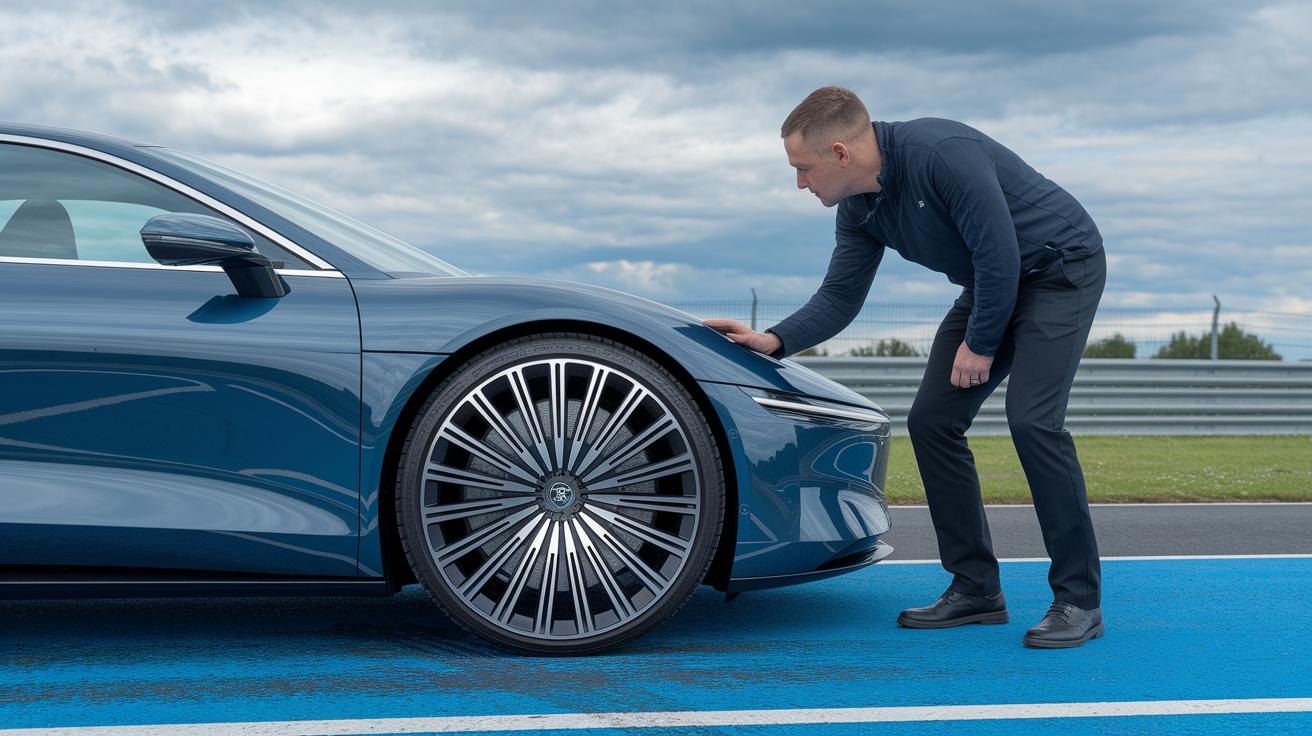
Big names like Michelin, Yokohama, and Goodyear are busy working on making tires that don't need air work even better on our roads. They’re testing new types of plastics and mix-ups of materials that promise a smoother ride and more safety for everyday cars. They’re even filing patents for smart designs with clever spokes and materials that adjust to the road (adaptive means they can change with conditions). Think about a tire that never gets a nail puncture and can zoom along just as well as regular ones. It’s a big challenge to give you the same comfy ride you expect from air-filled tires.
Next, there’s a big push for greener ideas. Companies are using remeltable plastics and designs that let parts be reused, which means less waste. When these tires wear out, their parts can be recycled to make new ones. Engineers are also looking at how these tires can work with the smooth suspension of electric vehicles and smart tech to help save more energy. All in all, new engineering ideas and a drive for eco-friendly methods are paving the way for a future where airless tires are just as strong, long-lasting, and kind to the environment as they are innovative.
Final Words
In the action, this piece broke down non-pneumatic tires, showing how they work without air and why their design matters. We touched on their sturdy build, performance tests, and safety features that keep riders secure on the road. The discussion covered real-world applications from industrial use to everyday driving while exploring future innovations in tire technology. With non-pneumatic tires offering an alternative to traditional designs, there's plenty of promise for safer, reliable rides ahead. Enjoy smoother travels and the confidence that comes with smart, modern tire choices.
FAQ
Michelin airless tires price
The Michelin airless tires price reflects competitive rates backed by durability and lower upkeep costs. Pricing can vary based on models and regional factors.
Non pneumatic tires for trucks
The non pneumatic tires for trucks offer strong durability and puncture resistance. They suit heavy loads well and reduce downtime from repairs.
Airless tires for cars
The airless tires for cars remove the need for regular inflation checks and puncture repairs. They deliver steady performance though the ride can feel firmer.
Non pneumatic tires for SUV
The non pneumatic tires for SUVs provide robust performance and lower maintenance. They are ideal for varied driving conditions, though they may deliver a firmer feel.
Airless tires disadvantages
The airless tires disadvantages include a firmer ride with increased vibration and noise compared to air-filled tires. This happens due to the firm materials used for structure.
Michelin UPTIS
The Michelin UPTIS is a new airless tire design that offers improved durability and safety. It reduces the chances of flats and cuts down on routine maintenance.
Best non pneumatic tires
The best non pneumatic tires are recognized for their strong puncture resistance and low maintenance needs. They perform reliably across heavy-duty and industrial uses.
Puncture proof tires
The puncture proof tires are designed without air, which means they avoid flats. Their solid construction gives dependable performance without regular maintenance concerns.
What is a non-pneumatic tire?
The non-pneumatic tire is a tire that uses solid materials or spokes instead of air. This design eliminates flats and removes the need for pressure checks.
How long will airless tires last?
The airless tires last depends on usage and conditions. Many models are built to last longer due to their durable materials and reduced need for maintenance.
What is the difference between pneumatic and non-pneumatic?
The difference between pneumatic and non-pneumatic tires is that pneumatic tires use air for cushioning while non-pneumatic ones use solid structures to prevent punctures.
What are the disadvantages of airless tires?
The disadvantages of airless tires lie in ride comfort. They often provide a firmer ride with more noise and vibration because they lack the cushioning effect of air-filled tires.

