


Ever wonder how your ride can keep going even after a puncture? Non-pneumatic tires work in a whole new way. They’re built tough (imagine solid rollers that aren’t filled with air) so that even when you hit rough roads or carry heavy loads, you don’t have to worry about a sudden blowout. It’s like having a backup plan every time you hit the road.
Picture driving without the nagging thought of a flat tire or an unexpected roadside stop. In this post, we’ll take you through how these unique tires do their job and why they might just be the best way to help you drive safely every day.
Understanding Non-Pneumatic Tires: Definition, Materials, and Core Benefits
Non-pneumatic tires are a new way to make tires that don’t need air pressure. Instead of using an air chamber to cushion your ride, these tires are made from solid materials that help stop blowouts (when a tire unexpectedly bursts). This design means you won’t have to worry about getting a flat and having to pull over suddenly. In early tests, engineers found that not using air could cut down on blowouts, inspiring the creation of these airless wheels that keep you moving safely.
They are mainly made of solid rubber or plastic, which means they don’t rely on air to stay firm. This helps them bear heavy loads and handle rough roads with ease, almost like a tire that never lets you down, even on bumpy paths. When folks talk about airless tires for cars, they are referring to these kinds of tires that keep steady performance through different challenges.
In everyday use, non-pneumatic tires stand out because they resist punctures, last longer, and need less maintenance. This not only saves you time and money but also makes them a friendlier option for our planet by lowering waste. Even though the ride might feel a bit firmer than with regular tires, these airless wheels do a great job with heavy loads and tough conditions, making them a smart choice if you want long-lasting performance without constant repairs.
Innovative Wheel Construction in Non-Pneumatic Tire Design

Traditional tires rely on air to cushion your ride, but they sometimes fall short when it comes to spreading out the load and handling bumpy roads. Engineers are shaking things up by rethinking tire design, using new materials and structures that keep the good parts of old tires while cutting down on punctures and uneven wear. It’s like giving your car a smoother ride with less hassle.
Sidewall Flexibility and Load Distribution
Non-pneumatic tires come with curved sidewalls that help share the weight evenly. This extra flexibility acts like a built-in shock absorber, making the ride smoother even on heavy loads or rough surfaces. It’s pretty cool how each part works together to keep the tire steady, reducing wear and tear without needing extra parts.
Composite Materials and Modular Framework
These new tires use a mix of materials like composite polymers, plastics, and solid elastomers (rubbery substances that stretch and bounce back). They feature a rubber flex design that gives the tire a steady yet bouncy feel. The modular design means that if one piece needs replacing, you can swap it out easily. This clever setup not only makes repairs a breeze but also boosts the tire’s life and performance.
| Feature | Function | Material |
|---|---|---|
| Sidewall Geometry | Spreads weight evenly | Solid rubber or polymer |
| Flex Elements | Offers high flexibility for shock absorption | Elastomers |
| Modular Segments | Makes it easy to fix and maintain | Composite polymers |
Key Advantages of Maintenance-Free Non-Pneumatic Tire Systems
Non-pneumatic tires don’t rely on air pressure, which means no flats and no blowouts. They even cut unexpected roadside stops by about 30%. Knowing your tires won’t lose pressure can really calm your nerves on a long drive.
These tires have been put through some tough tests. Even when carrying heavy loads or tackling rough roads, they hold up nicely. It’s like knowing your car can handle a bumpy detour without any worries.
The best part? You won’t spend a fortune on upkeep. With almost no need for repairs, you save money over time while enjoying a smoother ride that’s both safe and cost-effective.
Performance Comparison: Non-Pneumatic vs Pneumatic Tires
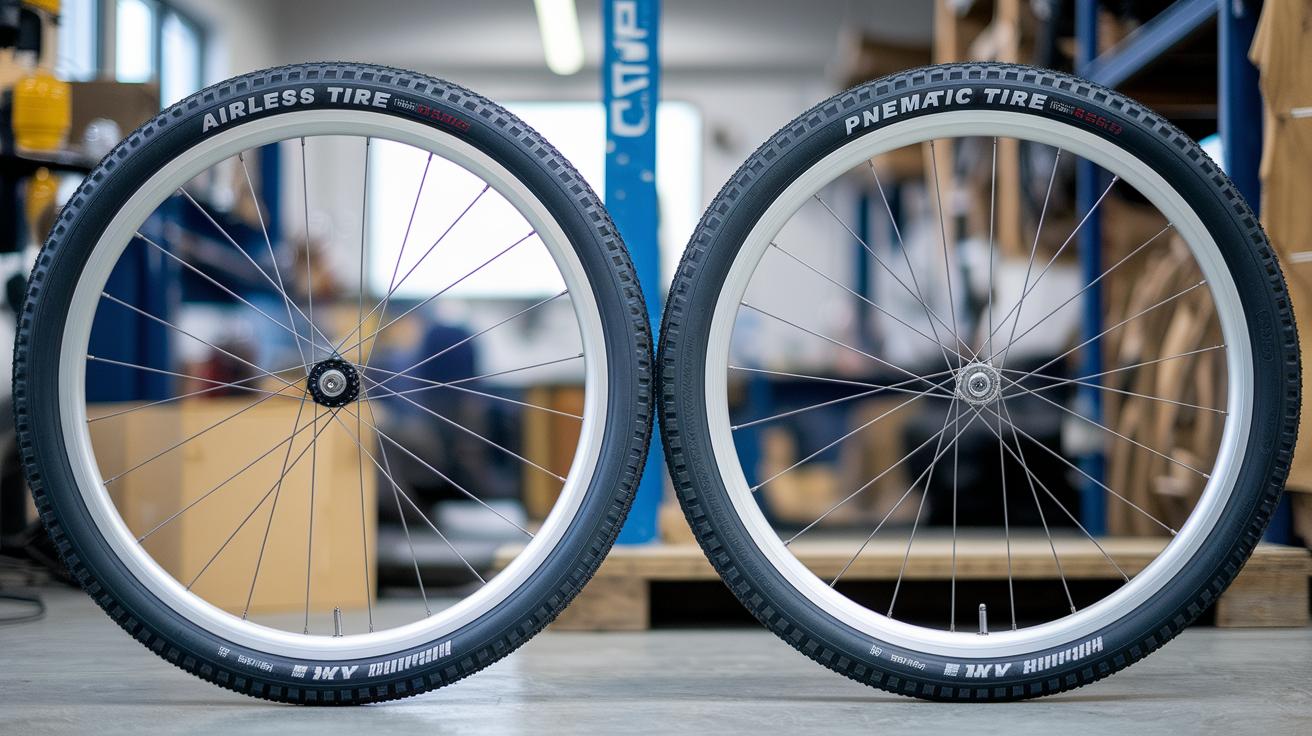
When it comes to your ride, the type of tire you choose can really change how you feel on the road. Pneumatic tires, which use air for cushioning, give you that smooth, comfy ride that eases most bumps. But you have to watch out, since they rely on air, you're more likely to run into flats or punctures. Non-pneumatic tires skip the air, so you don't have to worry about punctures, although they offer a firmer ride. It's kind of like choosing between a soft cushion and a sturdy bench; each has its own perk depending on what you need.
| Criteria | Non-Pneumatic Tires | Pneumatic Tires |
|---|---|---|
| Ride Comfort | Firm ride with less cushioning | Smooth ride thanks to air cushioning |
| Puncture Risk | Very low chance of flats | More prone to punctures and blowouts |
| Maintenance Needs | Less upkeep needed overall | Can require more frequent repairs |
| Lifespan | Built to last longer | Might need replacing a bit sooner |
| Initial Cost | Higher start-up price but saves on repairs | Cheaper at first but may cost more in the long run |
Looking at the table, it’s clear that each tire has its strong points. Non-pneumatic tires are great if you value long-lasting durability and low maintenance, even if the ride feels a bit harder. Pneumatic tires, on the other hand, are perfect if you love a smoother ride, though they might need more care over time. So, it really depends on what matters most to you, comfort or overall long-term savings.
non-pneumatic tires: Bold design, top performance
Non-pneumatic tires show up on all kinds of equipment and vehicles. They offer a smart, non-inflated option instead of the typical tire. Built to go the distance in tough conditions, they're a great fit whether you're using something light or heavy.
Cyclists are turning to airless bicycle wheels because they’re simple and tough. With no worry about flats, these tires make your ride smoother even on bumpy paths. Plus, their easy maintenance and solid build mean you spend less time fussing over them and more time enjoying the journey.
Car and truck drivers are also getting into airless tire systems. More new cars, SUVs, and electric vehicles now sport non-pneumatic tires that handle heavy loads and need very little upkeep. Whether you're driving in town or cruising on the highway, they deliver a steady, reliable performance.
Farmers and construction crews are finding these tire alternatives really work under heavy loads and on rugged ground. Tractors and construction vehicles get a firm grip, so you can count on them in tough field conditions.
Industries and off-road operators appreciate how these tires perform in warehouses and challenging spots. From heavy-duty industrial systems to trails off the beaten path, non-pneumatic tires offer long-lasting and steady power exactly where you need it.
Future Trends and Research in Non-Pneumatic Tire Technology
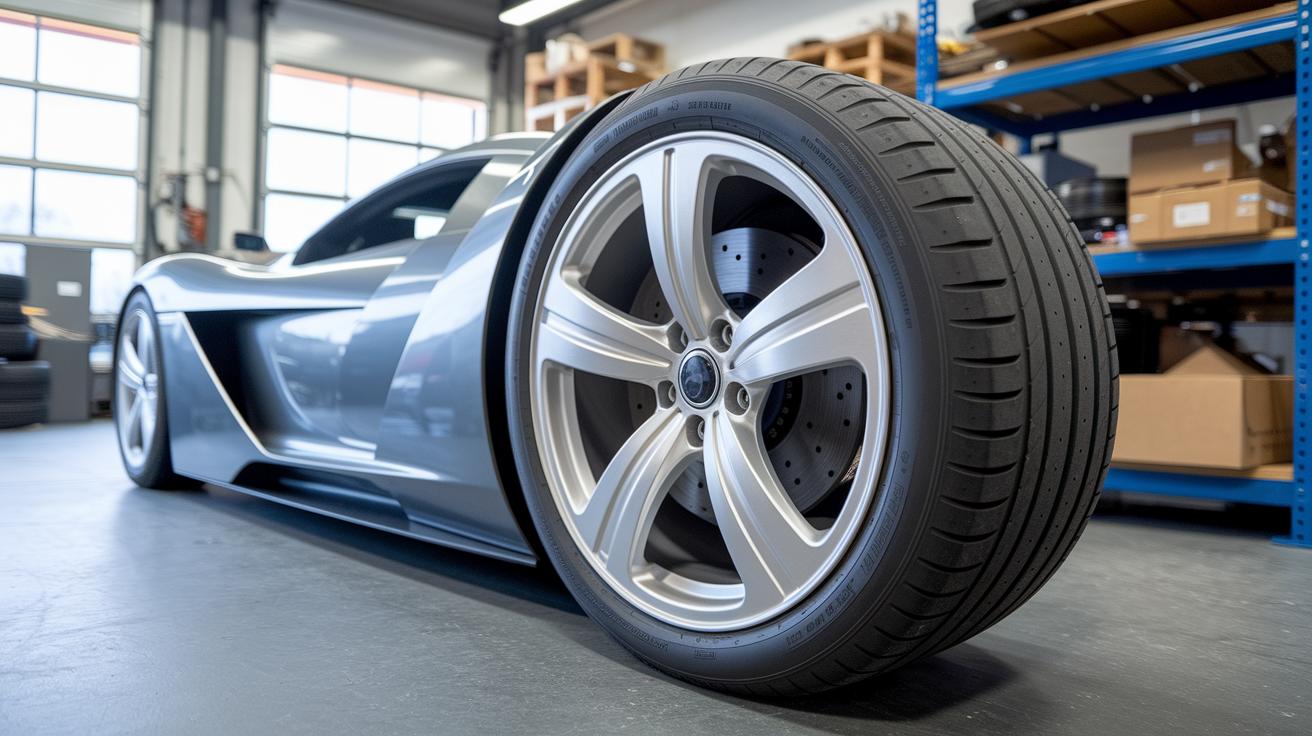
Big tire makers are starting to explore new ways to build wheels. They are testing solid prototypes (think of a tire without air) and next-level designs that could change our drive. Companies like Michelin and Bridgestone are working hard on airless tires that can handle rain, shine, and even rough roads. And then there’s Galileo wheels, which is trying out a system where each wheel works on its own. This new research shows that the tire world is getting smarter by adding tiny sensors (small gadgets that check tire health) and internet connectivity, keeping up with worldwide trends.
Prototype Developments and Brand Innovations
Cool new brands are trying out fresh designs that mix tough materials with easy-to-change parts. Michelin and Bridgestone, for example, are making strong prototypes that aim to cut out the unexpected surprises on the road, like sudden flats. Meanwhile, Galileo wheels are experimenting with each tire working by itself, which might help spread the weight more evenly and make every ride smoother. It’s not all just about being tough; it’s about rethinking old tire designs for a better and safer drive.
Smart Integration and Market Growth
Engineers are linking tire tech with smart systems by adding IoT sensors (little gadgets that keep an eye on tire performance) to check how the tires are doing in real time. They are setting up ways to measure performance, and early tests suggest these tires might work great in all types of weather. As more drivers look for low-maintenance, reliable tires, this new tech might soon be the norm. Certification steps are in progress to prove these new tire systems, and as more people see the benefits of smart connectivity and modern design, we can expect a faster switch from old to new.
Final Words
In the action, this article explored how non-pneumatic tires work and the many benefits they offer. We covered their design without air pressure, the smart use of materials, and real-world applications across various vehicles. The discussion also touched on innovative wheel design and cost-effective, low-maintenance systems. The latest research and future trends were shared, too. Keep this info in mind when you’re on the road, knowing that non-pneumatic tires can add safety and reliability makes every drive a bit sweeter.
FAQ
What is a non-pneumatic tire?
The non-pneumatic tire is a tire that works without air pressure, built from solid rubber or plastic to reduce blowouts and deliver puncture-resistant performance.
What are non-pneumatic tires made of?
The non-pneumatic tires are made of solid rubber or plastic, engineered to perform without air pressure and resist punctures even under heavy loads.
How long will airless tires last?
The airless tires last for an extended period due to their durable design and material, offering reliable performance and reduced flat tire issues over time.
Are pneumatic tires better than non-pneumatic tires?
The performance balance differs; pneumatic tires provide a softer ride while non-pneumatic tires excel in puncture resistance, offering low maintenance and steady performance even in harsh conditions.
Where can I find airless tires for cars?
Airless tires for cars are available from specialized retailers and online stores, offering a low flat risk alternative with reliable performance in varying conditions.
What are the best non-pneumatic tires?
The best non-pneumatic tires are those that combine durability, low maintenance, and reliable performance, using robust materials that work well under heavy loads and challenging surfaces.
What is the price range of Michelin airless tires and Michelin UPTIS?
The Michelin airless tires, including the UPTIS model, come in a competitive price range that reflects advanced technology and quality performance, with costs varying by vehicle type and specifications.
Do non-pneumatic tires work for trucks and SUVs?
The non-pneumatic tires for trucks and SUVs are designed to support heavy loads and offer puncture resistance, ensuring stability and dependable performance on various surfaces.
Are non-pneumatic tires puncture proof?
The non-pneumatic tires are engineered to be puncture resistant by eliminating air pressure, which greatly lowers flat risks while maintaining consistent performance, even if the ride feels firmer.

