


Ever thought your tires might give you a heads-up when they need some care? With smart tire setups, that fantasy turns real. Tiny sensors check the tire pressure (how much air is inside), the temperature, and even how worn out the tread is (the part that touches the road).
Fleet managers get an alert if something’s off, like a little note from your tire. It's a bit like your tire keeping a diary, tracking small changes before they turn into big, expensive problems. This keeps vehicles safe on the road and helps avoid sudden breakdowns, saving time and money.
Predictive Tire Maintenance Technology Empowers Fleets
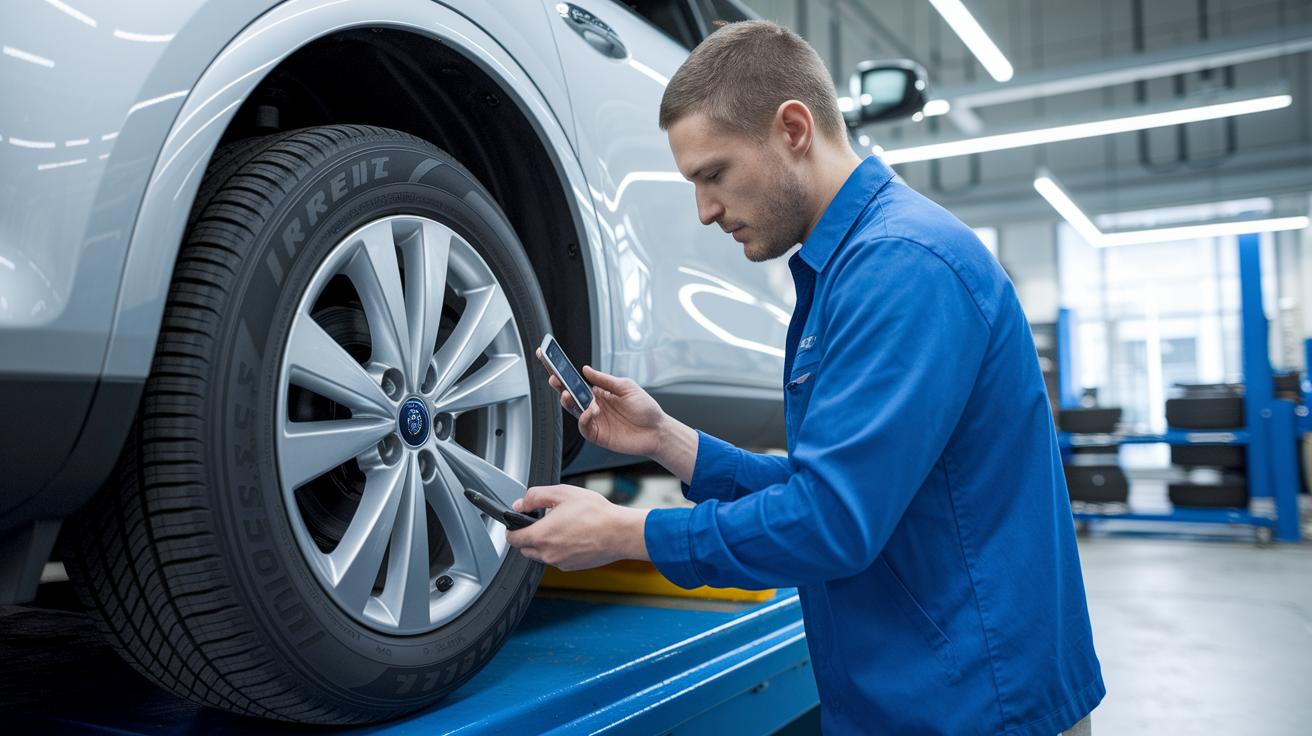
Predictive tire maintenance tech keeps a close eye on tire health by using sensor data and real-time checks. It’s like having a tire diary, sensors measure pressure, temperature, and even how quickly the tire’s surface wears down (that’s wear, or the rate at which a tire’s surface fades). And with smart tools like TireIQ crunching these numbers, it stands apart from regular scheduled checks or just fixing problems after they happen. Pretty much, nearly 9 out of 10 vehicles in the US are already connected, linking nicely with telematics to offer up-to-date insights on tire health.
Sensors are tucked right in the tire or placed on key parts of the vehicle to collect important data every minute. Even a small drop in pressure or a quick spike in temperature sets the system into motion, almost like a little alarm going off. For instance, if there’s an unexpected dip in pressure, the AI quickly compares current data with its history, then sends a maintenance alert. Fleet managers get this info on a live dashboard that clearly shows performance details, so there’s no guessing about tire conditions.
When those alerts pop up, fleet managers can jump on repairs during regular service stops. This constant watch and swift alert system let operators fix issues before they turn into expensive repairs or cause downtime. In short, this tech shifts tire maintenance from a reactive fix-it routine to a smart, planned strategy. That means safer journeys, longer-lasting tires, and overall better performance on the road.
IoT-Based Sensor Deployment in Predictive Tire Maintenance Technology
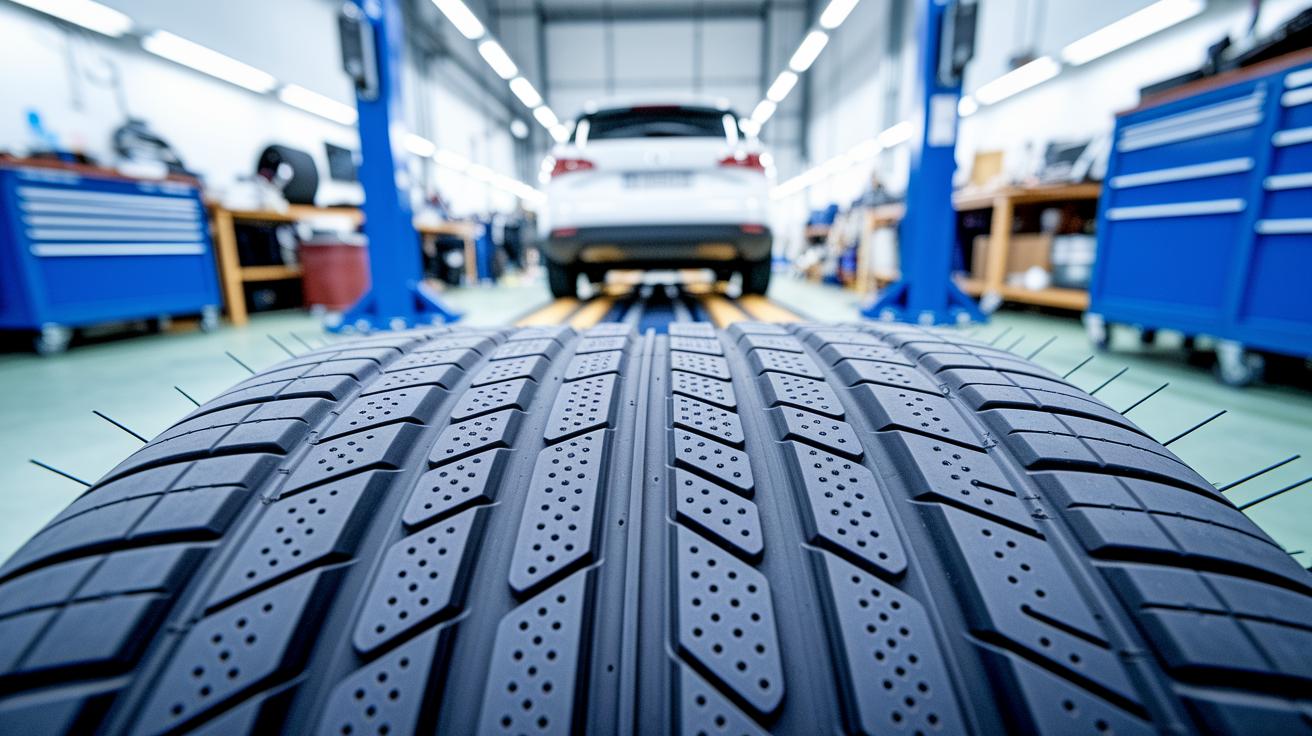
Revvo and Smartcar joined forces to build a system that uses built-in telematics (data tracking in vehicles) and internet connectivity to keep an eye on your tire performance. They use different sensors to watch your tire’s air levels, heat, and wear (how quickly the tire surface fades). By placing these sensors in key spots on the tire, even the smallest change is caught, like a constant health check for your tires.
Choosing the right sensor is really important. A pressure sensor checks the air inside your tire, a temperature sensor picks up any heat spikes, and a wear sensor watches how the tire surface slowly fades. Each sensor is carefully adjusted to suit everyday road changes. For example, if a pressure sensor spots a quick drop in air pressure on a hot day, it might change its sensitivity automatically. This smart tuning makes sure the data sent for analysis is as accurate as possible.
The system also makes use of the built-in telematics that many new cars already have. Data from these sensors is sent wirelessly over secure channels. That steady stream of information goes into an AI engine that can spot even small problems in real time, alerting you before a small issue turns into a big one.
Smart sensor integration keeps everything in sync, making sure the hardware works well with the data analysis. This neat setup helps your tires perform at their best while cutting down on unexpected service stops. For more details on sensor hardware and the ways they are set up, check out the tire technology page.
Real-Time Monitoring and Smart Tire Analytics

TireIQ uses a smart AI engine that keeps an eye on your tires by checking pressure, temperature, and wear all in real time. It quickly spots any pressure drops or unusual wear, and then sends the info through a secure wireless network so fleet managers can see how the tires are doing right away.
The Halo Drive App and Halo Tech App show this information clearly on live dashboards. For example, you might see a simple graphic indicating a small drop in pressure and an alert like, "Pressure drop detected: Check tire at front left." This gives you a heads up to take care of the issue before it turns into something bigger.
The system also has smart algorithms that compare the sensor readings with set limits, and this check has done its job over 100 billion miles of driving. For more details on these monitoring dashboards and analytics features, please visit smart tire technology – https://tityres.com?p=94.
Advanced Analytics Algorithms in Predictive Tire Maintenance Technology
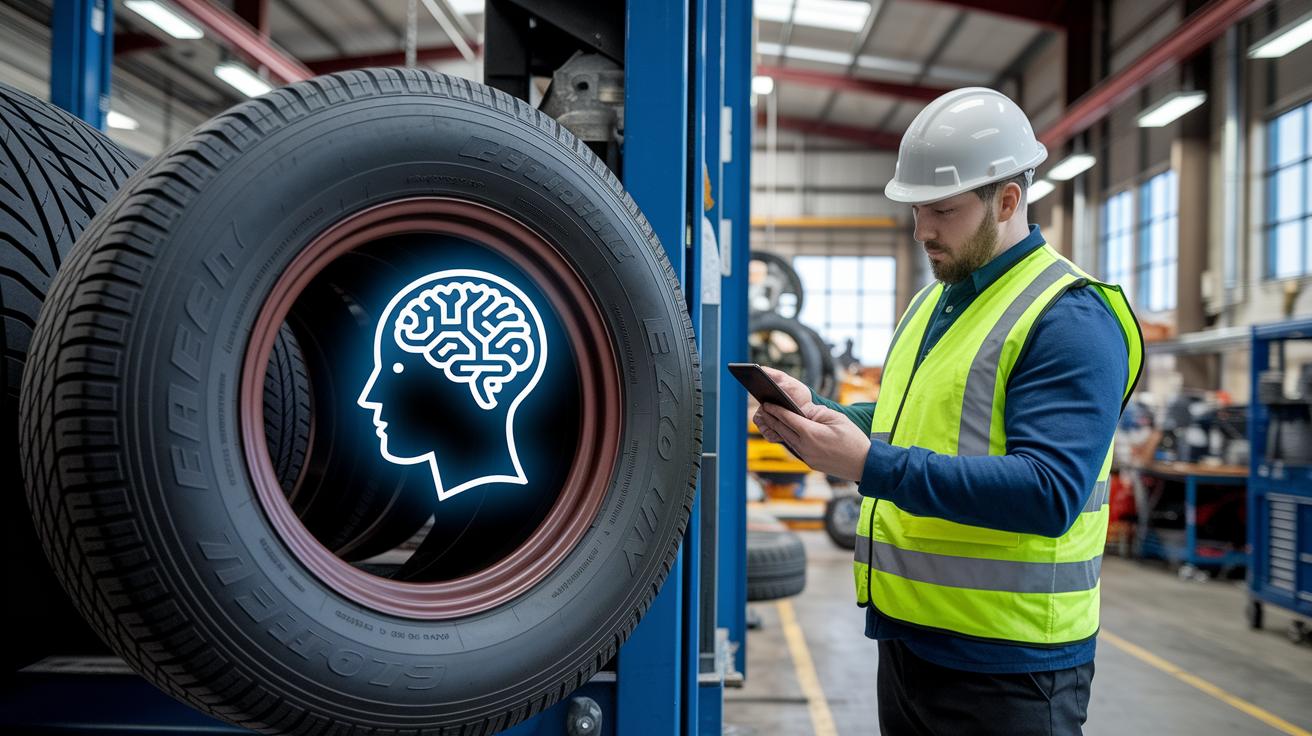
Think of AI models as the engine of tire maintenance. They gather info from tire sensors that check things like pressure, temperature, and wear patterns (how quickly the tire’s surface wears down) to predict how long a tire might last. Picture one alert saying, "Heads up, the front tire is wearing out faster than usual," just like a friendly reminder on your dashboard.
Machine learning works a bit like comparing last year’s memorable road trips with this summer’s adventures. It looks at current tire performance alongside past records to learn what’s normal and catch even small changes. Sometimes you might see a note like, "A sudden spike in temperature and a slight change in wear signal an upcoming issue," which makes the system feel like it’s chatting with you.
Developing these models means fine-tuning every tiny detail, from small dips in tire pressure to minor temperature variations. The system keeps getting smarter by using real-world feedback, so as more data comes in, it gets better at spotting problems like early tread separation or unusual wear that might make stopping harder.
Tuning these algorithms is much like adjusting your radio for the clearest sound. In the end, these advanced analytics do more than warn you about potential tire troubles, they act as a safety net, helping extend tire life and keeping fleets safely on the road.
Telematics System Integration for Fleet Tire Management

This system links your fleet’s tire details straight to a cloud-based analytics service. It works with the car's built-in telematics, so you don’t need to add any extra hardware. Think of it as your vehicle quietly sharing its tire info with a big network.
Sensors in the tires send data directly to the cloud. This lets fleet managers check real-time alerts and view tire health on an easy-to-read dashboard. With API integrations, the tire info blends smoothly with your current fleet management software. It’s like having a well-organized toolbox where every tool is exactly where it should be.
Remote diagnostic tools have now become a vital part of the system. Instead of waiting around for a breakdown, the system alerts managers when there's a drop in tire pressure or if tire wear increases unexpectedly. This smart tracking helps plan service stops, reducing visits while keeping your fleet safe.
Imagine your device lighting up with a message like, "Front left tire pressure low, service recommended." It’s a friendly nudge that helps in planning, minimizes downtime, and saves money, all while boosting overall fleet performance. This setup combines easy communication, smart data links, and cloud analytics to empower your fleet every day.
Cost Efficiency and ROI with Predictive Tire Maintenance Technology

This smart tire upkeep system saves you money by planning service stops carefully, which means fewer unexpected breakdowns. One fleet study even said switching from regular fixes to maintenance based on real data could save up to $33 million. Imagine getting a tire check along with oil and coolant services in just one visit. That kind of smart planning reduces trips to the shop and cuts unplanned downtime by about 30%.
Fleet managers now use real-time data and simple cost checks to see when vehicles need a little extra care. These quick data checks tell them when a tire might start to wear down (wear meaning the gradual loss of the tire’s grip) before big problems come up. With roughly 4 million yearly CVSA inspections, keeping an eye on tire health helps avoid heavy fines and keeps fleets safe on the road. Plus, looking at service patterns shows when it might be time to replace a tire, which saves money and boosts safety.
They also compare the cost of routine repairs to planned maintenance. Using easy-to-understand tools that support preventative car maintenance, they calculate savings from less downtime, fewer emergency fixes, and better tire performance. By matching maintenance stops to data insights, fleets run more smoothly and spend less, all while keeping vehicles reliable and safe.
Emerging Technology Trends in Predictive Tire Maintenance Technology
New tech is changing how we care for tires in ways we never imagined. Soon, we might see systems that use live video to help fleet managers check tire conditions in real time. Cameras teamed with sensors (devices that notice changes) give a closer look at tire performance. Engineers are busy linking tire info directly into fleet software (the digital system you use) so everything works together smoothly. And with cloud computing crunching the numbers fast, managers get up-to-date data right when they need it.
Quick help is a big deal. With wait times around 26 seconds or less, any tire issue gets attention almost immediately. Researchers are also merging automatic tire inflation (which fills tires on its own) with smart tire pressure monitors (devices that keep an eye on tire pressure) to meet strict rules and help the environment. New sensor networks can pick up tiny shifts in pressure and temperature, catching small issues before they grow into bigger problems.
All these new tools work together, combining live visuals, easy software solutions, and speedy diagnostics into one neat system. In truth, these trends will change the way fleets handle tire care, making maintenance quicker, more efficient, and kinder on the wallet.
Final Words
In the action, this post showed how advanced sensor systems and smart alerts work together to keep your tires in top shape. It explained everything from sensor setup to live data tracking with clear examples. Small tweaks in maintenance routines can lead to big savings and a smoother ride on every road. Embracing predictive tire maintenance technology means more confidence under the hood and less worry on the road. Keep rolling forward with smarter, safer tire care.
FAQ
Q: What does the predictive tire maintenance technology PDF cover?
A: The predictive tire maintenance technology PDF explains how sensor data and real-time analytics work together to forecast tire issues, helping you catch and fix problems early before they become serious.
Q: How does the tyre pressure and temperature monitoring system function?
A: The tyre pressure and temperature monitoring system uses built-in sensors to check tire conditions and update you in real time whenever there are pressure drops or temperature spikes.
Q: What is the Michelin tyre pressure management system?
A: The Michelin tyre pressure management system collects sensor readings to monitor tire pressure, alerting you when readings fall outside optimal ranges to help maintain a safe, smooth drive.
Q: What is predictive maintenance technology?
A: Predictive maintenance technology uses sensor data and smart analytics to spot potential tire issues ahead of time, allowing repairs before severe damage occurs.
Q: Why does my Nissan prompt tire maintenance notifications?
A: Your Nissan provides tire maintenance notices by monitoring tire pressure and temperature, ensuring you are alerted early to any changes that could affect safety.
Q: Is predictive maintenance worth it?
A: Predictive maintenance is worth it because it uses real-time data to prevent tire problems, reduce unexpected downtime, and keep repair costs lower.
Q: What is the new technology in tires?
A: The new technology in tires involves smart sensors and AI-powered analytics that continuously monitor tire conditions, providing live updates and proactive alerts for improved driving safety.

