


Have you ever wondered if doing your own tire rotation is really safe? Professional mechanics can catch hidden problems that you might miss, helping keep your ride safe and steady. They follow careful steps (almost like a trusted recipe) to make your tires last longer and avoid surprises on the road.
On the flip side, doing it yourself can save some cash, but it depends a lot on your skills and having the right tools. In this post, we look at both options so you can decide which one fits your needs best and keeps you feeling confident behind the wheel.
Comparing Professional and DIY Tire Rotation Methods
Professional tire rotations are usually done every 5,000 to 8,000 miles, which helps your tires stick around longer. Experts follow the tire makers' instructions to make sure every tire wears out evenly. They swap tires precisely and check for cracks, measure tread depth (that’s the rubber on your tire that actually contacts the road), and adjust tire pressure. Sometimes, they also do balance and alignment checks. This extra care helps catch small issues that at-home methods might miss.
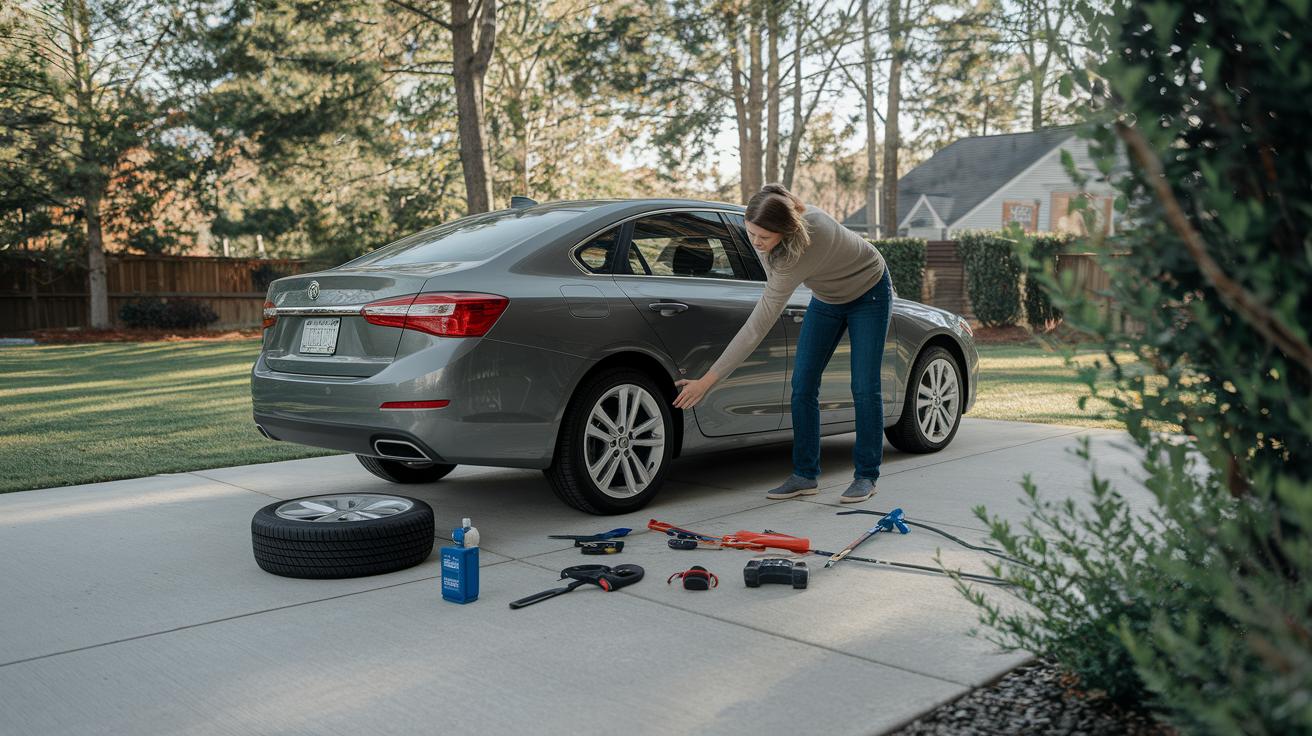
At home, you often swap your front and rear tires, sometimes even doing a cross-pattern, to keep them wearing evenly. When you do it yourself, you depend on your own skills and tools like jacks and stands. It’s really important to follow the right steps to avoid mistakes. Sure, doing it yourself can save money, but you might miss key checks that a pro would catch. Plus, if you’re not familiar with the correct patterns or safety tips, it might take you longer than expected.
Over time, having experts inspect your tires along with their precise methods can improve tire life and keep you safer on the road. While a DIY rotation might seem easier on your wallet and schedule, missing critical inspection steps or having uneven wear can lead to problems. In truth, getting a professional tire rotation means better traction, handling, and confidence every time you drive.
Professional vs DIY Tire Rotation: Key Considerations Shine

When you choose a professional service, you're paying for more than just a tire spin. You get experts working on your car, checking your tires and even testing for alignment issues (making sure your wheels line up correctly). They often include tire balancing (adjusting weight distribution for a smoother ride), so it can be a smart investment for long-term safety and performance.
On the flip side, doing it yourself saves you the labor fee, but you'll need to invest in the right tools. Buying or renting a hydraulic jack, jack stands, and a torque wrench can add up fast. And if you're new to these tools, you might spend extra time learning how they work instead of hitting the road.
Time is a big factor too. Professionals typically work during regular hours, usually Monday to Friday from 8:30 AM to 5:30 PM. If you do it yourself, you get to set your own schedule, but the job could take several hours, especially if you run into any hiccups along the way.
In the end, a bit more time and money for a professional rotation might save you a lot later. The careful inspections and balancing help extend your tire life, lowering future costs and keeping you safer every time you drive.
DIY Tire Rotation Process: Step-by-Step Guide

Before you begin, make sure you've gathered all your tools and taken note of the safety tips. Use a hydraulic jack, sturdy jack stands, and a torque wrench, and always peek at your vehicle's manual for the correct jacking points. Think of it like setting up your workspace at home, you want everything secure to keep safe. A little mistake here can turn a quick job into trouble.
- Start by lifting your car from the right jacking spots and then carefully place it on jack stands.
- Remove the lug nuts, and gently take off each wheel.
- Swap your front and rear tires by following the rotation pattern suggested in your manual. If your tires are the same all around, go with a cross pattern.
- Check each tire closely for cracks or punctures. Also, measure the tread depth (how much rubber is left on the tire). If the tread is below 2/32 of an inch, it’s time to consider a new tire.
- Adjust the tire pressure by checking the manufacturer's instructions so every tire is at the right level.
- After putting the tires back on, use your torque wrench to tighten the lug nuts to the recommended setting. This step is key to making sure every wheel is secure.
Once you’ve finished, take a moment to do a quick walk-around of your vehicle. Notice any odd vibrations or loose parts, and don’t forget to remove any tools left under the car before you drive off. It’s a good idea to check the tire pressure again after driving about 50 miles and plan on rotating your tires every 5,000 to 8,000 miles to keep everything running smoothly.
Professional Tire Rotation Safety and Quality Checks

Professional services now use digital torque gauges and alignment sensors to keep your tires in top shape. Technicians check tire pressure, tread depth (that’s how fast the tire’s surface wears out), and alignment with great accuracy. Studies even show that getting your car serviced by professionals can boost tire life by about 20%. Digital records also help meet warranty needs and give clear updates on your car’s condition.
They also inspect your car’s suspension with modern imaging tools. This means they catch small damages that older methods might miss. These detailed logs track wear patterns over time and keep your service history clear for proper warranty coverage.
DIY methods, on the other hand, often miss these digital tools. If you jack up your car incorrectly or use rough tools for adjusting torque, you might overlook subtle issues. In fact, data suggests that DIY rotations can lead to a 25% higher chance of needing repeat service. Relying on basic tools might skip important precision checks, which can lead to unstable tire support and hidden damage.
New sensor-based inspections in professional shops haven’t yet made their way to home setups. Without the right tools, missing proper torque or alignment checks could lead to extra repair costs and safety worries for you.
Tools, Warranty and Service Options for Tire Rotation

If you're planning to rotate your tires on your own, you'll want to have a few basic tools handy. Grab a hydraulic jack, jack stands, and a torque wrench (this tool helps tighten lug nuts to the right setting found in your owner's manual). Using the proper equipment makes all the difference for a safe and effective job.
If you’d rather let someone else handle it, professional services take care of tire rotation, balancing, and alignment. They also offer warranties, extra safety checks, and a written record that meets manufacturer guidelines. You can even check out their online tire rotation service at https://tityres.com?p=449. While the cost (https://tityres.com?p=99) might be a bit higher, you get the bonus of quality control and peace of mind.
Many car warranties say you need to get your tires rotated at specific times. So, whether you do it yourself or choose professional help depends on how you drive and what kind of car you have. Professional packages give you that extra bit of guidance when you need it.
Final Words
In the action, we covered the steps for rotating tires at home versus having a professional take care of it. We walked through swapping tires, handling tools, and the value of built-in inspections.
It’s clear that checking intervals, costs, and safety plays a big part in keeping tires in top shape. When weighing your choices with professional vs DIY tire rotation: key considerations, you can feel confident knowing that the right method helps you drive safely and smoothly.
FAQ
Should you do a tire rotation yourself?
The tire rotation you do yourself works well if you’re comfortable with tools and safety steps. DIY can save money, but it may miss the extra checks a pro might catch.
What are common tire rotation mistakes?
The tire rotation mistakes you might make include using the wrong rotation pattern, not tightening lug nuts properly, and skipping damage checks that help keep you safe on the road.
What are the rules for tire rotation?
The tire rotation rules you should follow come from your car’s manual. They include sticking to set intervals, using the correct rotation pattern, and checking tire pressure and tread wear.
What is the best tire rotation method?
The tire rotation method you choose should match your car’s guidelines. Using a front-to-rear swap or cross pattern helps balance wear, giving you a safer ride over time.

