


Ever wonder how smart tires keep you safe on the road? Governments and trusted groups like NHTSA, UNECE, and ISO set tough rules so sensors and tire pressure always work just right. These rules check everything from sensor accuracy (how well a sensor reads data) to making sure the information you see is trustworthy.
In this post, we take a closer look at these safety guidelines. We break down the key standards that build trust and reliability in smart tires, so every driver can feel safe on their next trip.
Comprehensive Regulatory Framework for Smart Tires

Governments around the world are setting clear rules for smart tires. They mix smart car connection rules with firm privacy guidelines to keep everyone safe. Groups like NHTSA, UNECE, and ISO back up these rules, making sure smart tires work well and safely. Manufacturers now have to follow rules that cover everything from making sure sensors are on point (sensor accuracy means the sensors work just right) to keeping data trustworthy (data integrity means the information is reliable). For example, the DOT requires semi-truck tire pressure to match the manufacturer’s suggestions, which you can usually find on the tire's sidewall or a nearby placard.
National rules also help keep us safe. In the U.S., commercial truck steer tires must have a tread depth of at least 4/32 inch, and other tires need a minimum of 2/32 inch. These guidelines, along with global smart tire standards, build trust and consistency across the board. Manufacturers are expected to run tests that check smart tire performance in various situations and make sure sensor data is accurate.
| Region | Regulatory Body | Applicable Standard | Key Requirement |
|---|---|---|---|
| North America | NHTSA | FMVSS 138 | Tire pressure levels |
| Europe | UNECE | WP.29 Regulations | Sensor accuracy |
| Asia-Pacific | Local Agencies | National Safety Norms | Smart tire certification |
| Global | ISO | ISO Standards | Data integrity |
These rules are super important for keeping smart tires trustworthy and safe. By following these solid guidelines, manufacturers stay on top of their game, which helps lower risks and keep safety standards steady. In the end, it’s all about protecting drivers and making sure every journey is as smooth as possible.
Essential Safety Guidelines Overview for Smart Tires

Smart tires come with built-in sensors that keep an eye on tire pressure (the air inside your tire), tread wear (how fast the tire surface wears down), and temperature. These little helpers notify you if something seems off, like if the tire pressure drops too low and affects how the car handles. Manufacturers design these systems to watch out for risks too, such as hacking attempts or sensor glitches that might send the wrong message if not caught soon.
Think of these sensors as the tire’s way of talking to your car. They send real-time updates to the vehicle’s system, so any slip-up in sensor readings can lead to problems while you’re driving. That’s why checking and calibrating the sensors regularly is really important, kind of like making sure your radio is tuned just right. For more details, check out how sensor technology enhances tire safety features. Manufacturers also work hard to secure the electronic parts and the wireless signals the sensors use. With smart tire systems now following tough data privacy rules, these steps not only protect your information but also keep your tire system strong and ready to respond.
- Sensor calibration intervals
- Encryption standards
- Fault-tolerant design
- Secure firmware updates
- Vendor certification requirements
- Tamper detection mechanisms
- Data audit trails
When you follow these safety guidelines, the smart tires become much more reliable. They add extra layers of protection that catch any hiccups with sensor readings or data security early on. With these safety steps in place, you can drive with more confidence, knowing your tires are ready to keep you safe on every journey.
Performance Testing Criteria and Certification Process for Smart Tire Systems
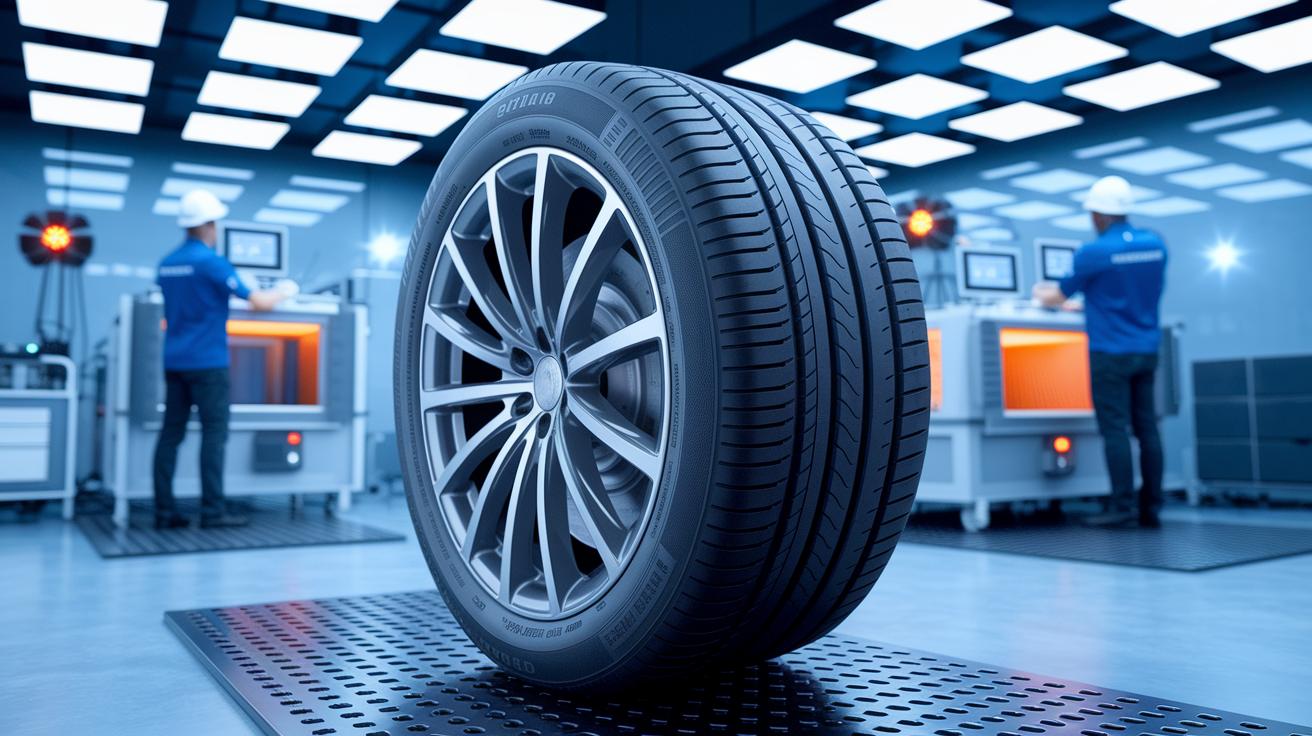
Smart tire systems get put through some tough tests. They check how the tire handles changes in pressure, extreme temperatures, and even whether the sensors (tiny devices that keep an eye on tire conditions) work as they should. They also measure data delays, the tire’s strength under heavy loads, and how well it communicates with the car. These tests mimic real-life situations, like sudden cold or heat and rough driving conditions, so you know the tire can handle everyday challenges. Using top-notch test standards lets manufacturers spot any problems early, always keeping safety in mind.
The certification process sticks to strict rules and meets global standards like ISO and UNECE (these set quality and safety guidelines for products). Makers must show that their smart tire systems perform reliably under set conditions. Experts double-check that sensor accuracy and quick responses match established benchmarks. This step-by-step review makes buyers feel confident and aligns with the latest safety practices.
Independent testing agencies also play a big part in making sure everything checks out. After the initial certification, these groups run their own tests to verify performance results. They use modern tools like AI (computer smarts), IoT (devices talking to each other), and big data to make sure nothing is overlooked. This honest review gives everyone, from drivers to manufacturers, a clear view of how well these smart tires work and if they’re ready for the road ahead.
Regional Variations in Regulatory Standards and Safety Guidelines for Smart Tires

In North America, regulations come from NHTSA FMVSS 138. Think of it like checking your fuel gauge; keeping an eye on your tire pressure (using a tire pressure monitoring system) is just as important for safety. It’s all about making sure your ride stays smooth and secure.
Over in Europe, the rules are shaped by UNECE WP.29 and ECE Reg. 64. These guidelines focus on how accurate the sensors are and how dependable the system remains, while also keeping your smart tire data private, kind of like following GDPR rules for your peace of mind. It’s similar to what our table of core performance points outlines, making sure everything ticks along safely.
In the Asia-Pacific region, local standards mix with global safety ideas. For example, China’s MIIT is drafting its own standards, Japan relies on MLIT rules, and ASEAN regions are working together to match these benchmarks. While the heart of the rules stays the same, these small regional tweaks help put the practical pieces in place for everyday driving.
Cybersecurity and Data Privacy Compliance for Smart Tire Networks

Governments now set firm rules to keep data in smart tire systems safe. They require manufacturers to use strong data encryption (that means coding information so only the right people can read it) and dependable tools that alert you if someone tries to break in. Audit trails, which are like detailed logs of every step taken in the system, must also be used so that any issue is spotted and fixed quickly. By sticking to these standards, companies make sure the tire sensor data stays secure and reliable, keeping up with the needs of modern connected vehicles and today’s cybersecurity risks.
Best practices for secure networks mean building smart tire systems that keep unwanted access out. Manufacturers use digital monitoring tactics that set up private, strong communication channels, helping block attacks. They also partner with approved vendors who follow strict automotive network protocols. This cooperation makes sure that every part of the system, from sensors to data collectors, is built to high safety standards. Regular checks, like vulnerability tests, keep the digital space of these tire systems secure, supporting safer rides every day.
Practical Compliance Roadmap and Risk Management for Smart Tire Implementation
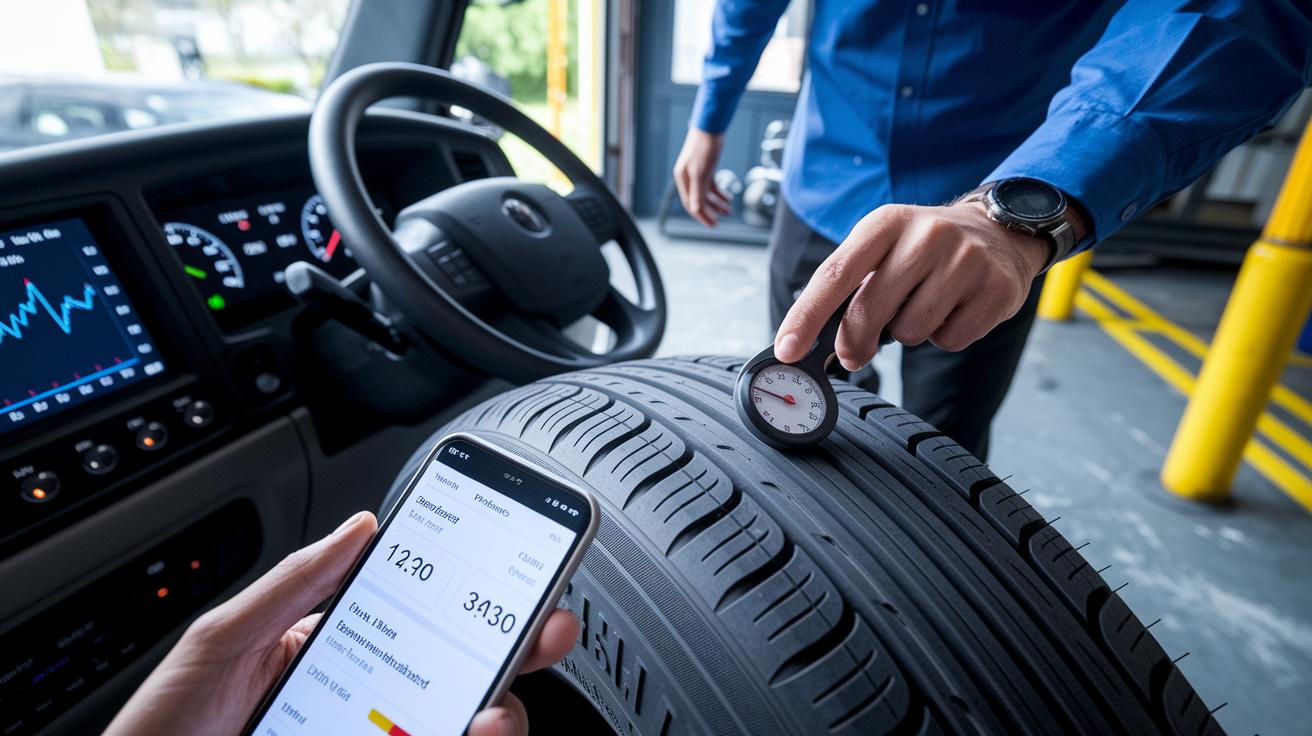
Manufacturers and fleet managers can get started with a simple plan that includes routine checks like tire pressure (keeping an eye on air levels) and tread depth (ensuring there’s enough rubber left). By scheduling regular maintenance and reviews, you can spot and fix issues quickly, which helps you avoid unexpected breakdowns and extra costs. Smart tire systems now feature built-in sensors that make monitoring easier, and when you mix these tools with fleet management software like telematics and predictive maintenance (which helps forecast future issues), you get a clear, real-time picture of your tires’ health. This regular care not only keeps your fleet moving smoothly but also reduces the risk of fines, vehicle holds, or even having to pull a vehicle out of service.
Next, using simple audit checklists and keeping up with the latest regulations is key to ongoing improvement. Maintaining proper records and running regular checks ensures every tire meets current standards. Modern systems can automatically monitor tire performance and let you know when it’s time for a checkup, something you might want to explore at benefits of smart tires for fleet management. This proactive approach to keeping records and regularly checking on tire conditions builds a safety-first culture and helps manufacturers and fleet operators confidently manage smart tire performance.
Final Words
In the action, we explored how multiple regions set rules for smart tire testing, certification, and secure sensor systems. We broke down federal, national, and international checks, making tire performance and well-being easier to understand.
Each section tied back to the importance of staying on top of quality checks and updates. The info wraps up as a friendly guide for anyone interested in regulatory standards and safety guidelines for smart tires. Keep rolling safe and confident on every road.
FAQ
Frequently Asked Questions
What does a tire safety checklist cover?
The tire safety checklist covers steps like checking tire pressure, tread wear (how quickly the tire’s top layer spreads thin), and any damages to help keep your vehicle safe on the road.
What do NHTSA tire replacement guidelines state?
The NHTSA tire replacement guidelines state when tires should be replaced based on tread depth, age, and visible damage so that your tires work properly and keep you safer.
What are some tire safety tips?
The tire safety tips suggest regular inspections, proper inflation, and timely replacement, which help keep your tires performing well and reduce the risk of roadside problems.
What is the relationship between safe tires and maintaining good traction on the road?
The relationship shows that safe, well-maintained tires with proper tread help keep a strong grip on the road, improving stability and reducing risks during different driving conditions.
What does a tire safety presentation include?
A tire safety presentation includes key points on proper maintenance, regular tire checks, and replacement practices, helping drivers understand how to keep their tires in good condition.
How do tire ratings by brand work?
Tire ratings by brand compare aspects like durability, traction, and fuel efficiency, giving drivers clear information so they can choose tires that best fit their needs.
What are tire industry standards?
Tire industry standards set quality and safety benchmarks for tire manufacturing and testing, which help make sure that tires perform reliably under various driving conditions.
What is the role of tire safety TPMS?
The tire safety TPMS (Tire Pressure Monitoring System) uses sensors to let you know when tire pressure is low, aiding in timely adjustments to help keep you safe on the road.
What are the RTA rules for tires?
The RTA rules for tires set local guidelines on tire dimensions, installation methods, and upkeep practices, which help make sure vehicles meet regional safety requirements.
What do the DOT regulations for tires cover?
The DOT regulations for tires cover requirements like tread depth, proper pressure, and durability tests, making sure tires follow federal safety laws during everyday driving.
What does the 7 7 rule for tires mean?
The 7 7 rule for tires means you should consider replacing tires about every 7 years or after approximately 7,000 miles, helping keep tire performance in check.
Who regulates tire safety standards?
The main regulator for tire safety standards is the NHTSA, a government agency responsible for setting guidelines and monitoring compliance with federal tire safety laws.

