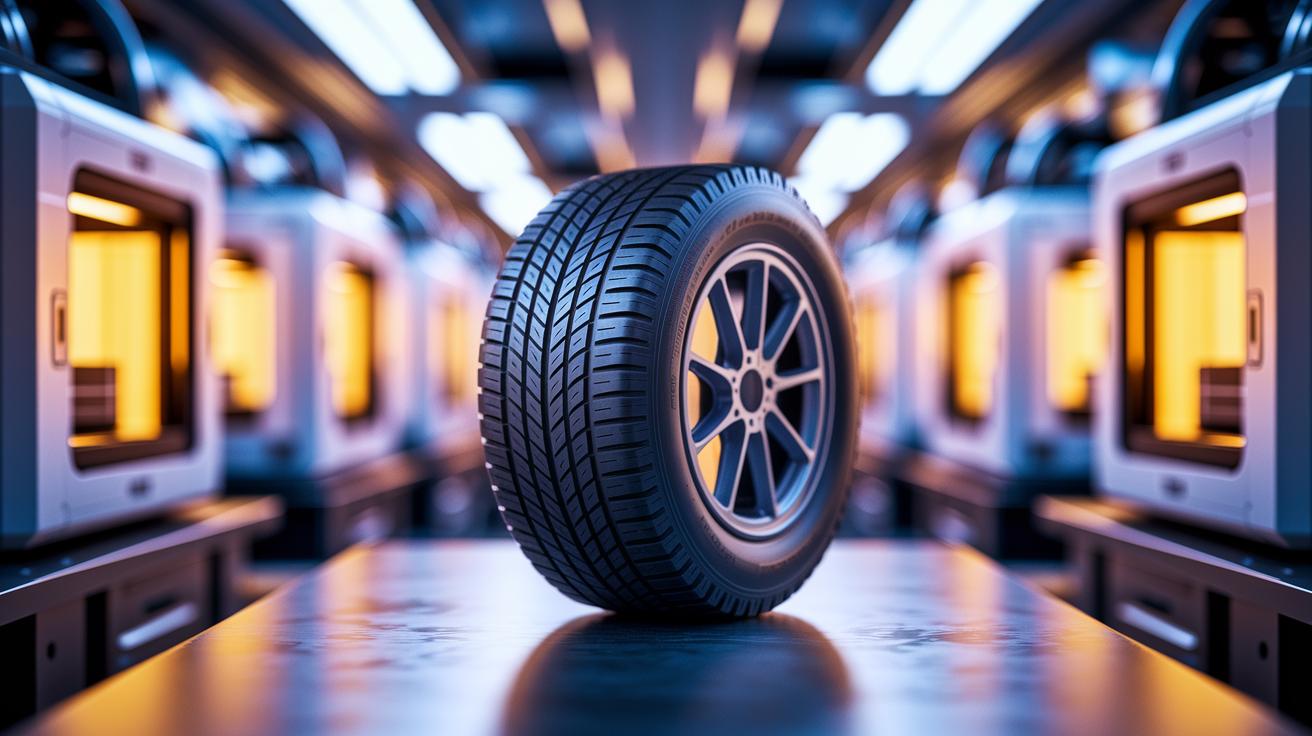


Ever thought about making your tires both faster and stronger? 3D printing is changing the game, building each tire one layer at a time, a bit like stacking playdough. This cool technique lets engineers adjust designs fast and without a huge cost, so every tire fits today’s roads just right.
It’s a fresh way to build tires, and soon you might feel the difference on your drive. Ever notice how a smooth ride makes everything better? With 3D printing, tires become more precise and tougher than those made with older methods.
So, get ready to experience a smarter, tougher tire that can keep up with your everyday journey.
3D Printing’s Role in Modern Tire Design: A Clear Overview

3D printing works by building a tire one layer at a time from a computer plan. It’s a bit like stacking playdough, you add one layer after another until you shape something cool. Every layer helps improve the tire, giving it extra strength and precision that old molding methods just can’t achieve.
This new method lets engineers test and change tire designs very quickly. When they work with digital models, even small tweaks to the tread or overall shape can be made and printed fast. It cuts down on wait times and costs, so you end up with a tire that fits just right for different driving conditions.
Digital processes are a big help in tire development. With computer-guided steps, every part of the design gets a careful look before any tire is actually made. This approach not only makes things more accurate but also keeps production efficient, blending creative ideas with solid engineering to create tires that truly hit the mark.
Advanced Prototyping in Modern Tire Design with 3D Printing
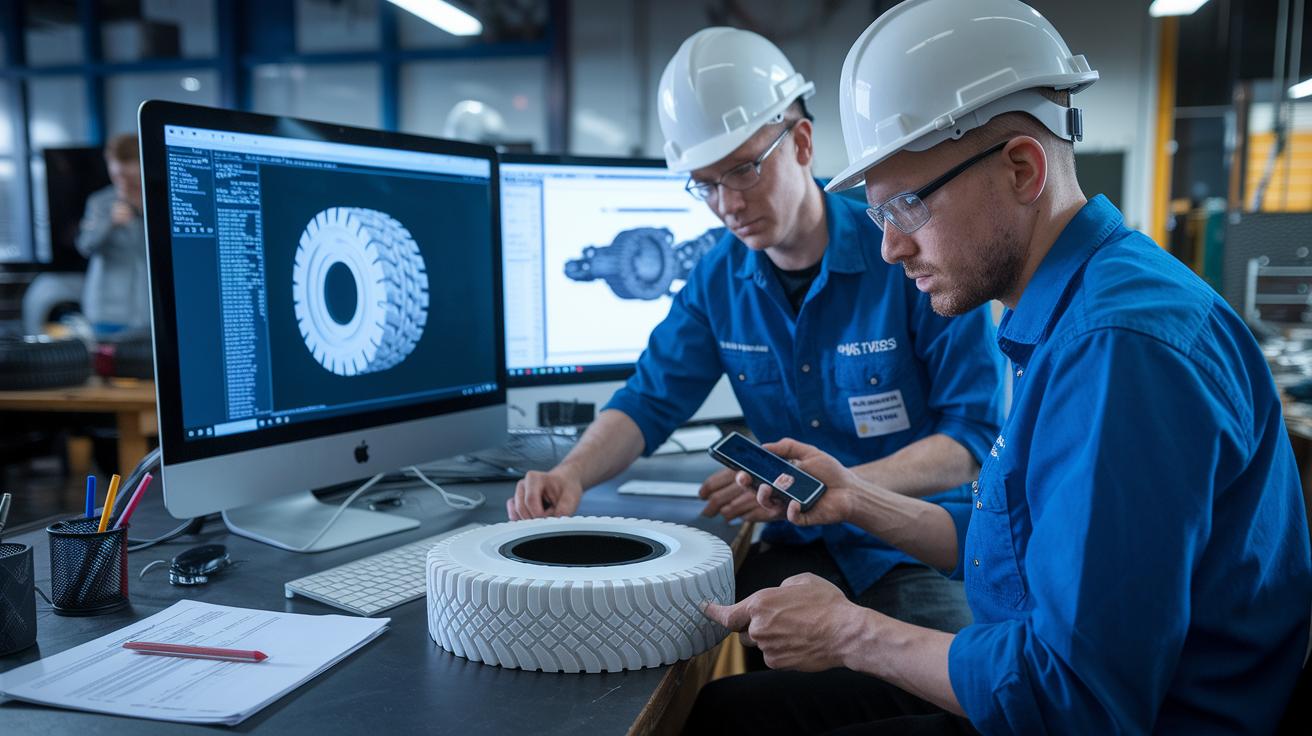
Engineers are using 3D printing for rapid prototyping of tire elastomers. With computer-aided design and additive fabrication for rubber components, a digital blueprint is turned into a tangible rubber part in record time. It works like stacking layers of clay until a detailed model emerges, with every digital tweak leading to a new version on the printer. For example, "Imagine updating your digital design and printing a refined prototype the very next day."
The prototyping cycle through 3D printing tests form, fit, and function before moving into full-scale production. This method lets engineers experiment with innovative designs and quickly repeat iterations to ensure a tire component delivers the performance expected on the road. It’s a simple process that turns creative ideas into testable models with minimal delay.
- Reduced tooling time
- Cost savings
- Custom tread patterns
- Faster validation
- Flexible design changes
Material Innovations and Sustainable Practices in 3D Printed Tire Design

3D printing is changing how we make tires by using only the material each part really needs. This means there's hardly any waste left over. Unlike older molding methods that leave behind heaps of extra material, this process makes recycling and reusing parts a lot easier. In fact, when every layer uses just the right amount of material, waste can drop by as much as 90% compared to old techniques. It’s a smarter, greener way that helps us build more sustainable tires.
The method also gets a boost from new rubber-making tricks using materials like non-dyed Multi Jet Fusion PA12. PA12 (a type of plastic that works well for fast, efficient production) is both cost-effective and high-quality, making it perfect for making car parts. Plus, by mixing in recycled plastics, every tire we build is ready to perform while being kind to the environment. Engineers can quickly test and fine-tune these materials, much like adjusting your car for a smoother ride.
- Lower waste
- Design freedom
- Cost efficiency
- High quality
- Use of recycled feedstock
- Rapid material testing
Optimizing Tire Performance through 3D Printing in Modern Designs

3D printing is changing the way tires work by allowing engineers to build unique, complex structures inside them. These clever designs help your car stick to the road better and make your ride quieter.
Engineers use computer programs to design flexible tire parts. They come up with layers that have deep grooves and smart rib designs (ribs are supportive strips) that improve grip on all kinds of roads. They even run virtual tests using tire design simulation technology to see how small changes can boost traction. This means drivers get a safer feel and less distracting road noise.
Smart features are taking tire performance to another level. Some tires now include built-in sensors that adjust the tread's firmness and pressure as road conditions change. This breakthrough works especially well for self-driving cars. By using precision molding with soft, deformable materials, the tire adapts quickly, whether you're cruising on a highway or navigating busy city streets. This nimble design not only makes your ride safer but also quiets vibrations for a smoother experience. Tests with advanced tire testing technology have shown that these improvements reduce noise and cut energy loss compared to older tire designs.
| Feature | Traditional Tread | 3D-Printed Tread |
|---|---|---|
| Traction | Standard grip | Enhanced road hold |
| Noise | Higher sound levels | Quieter performance |
| Adjustment Capabilities | Static design | Dynamic, real-time response |
Real-World Applications of 3D Printing in Modern Tire Design
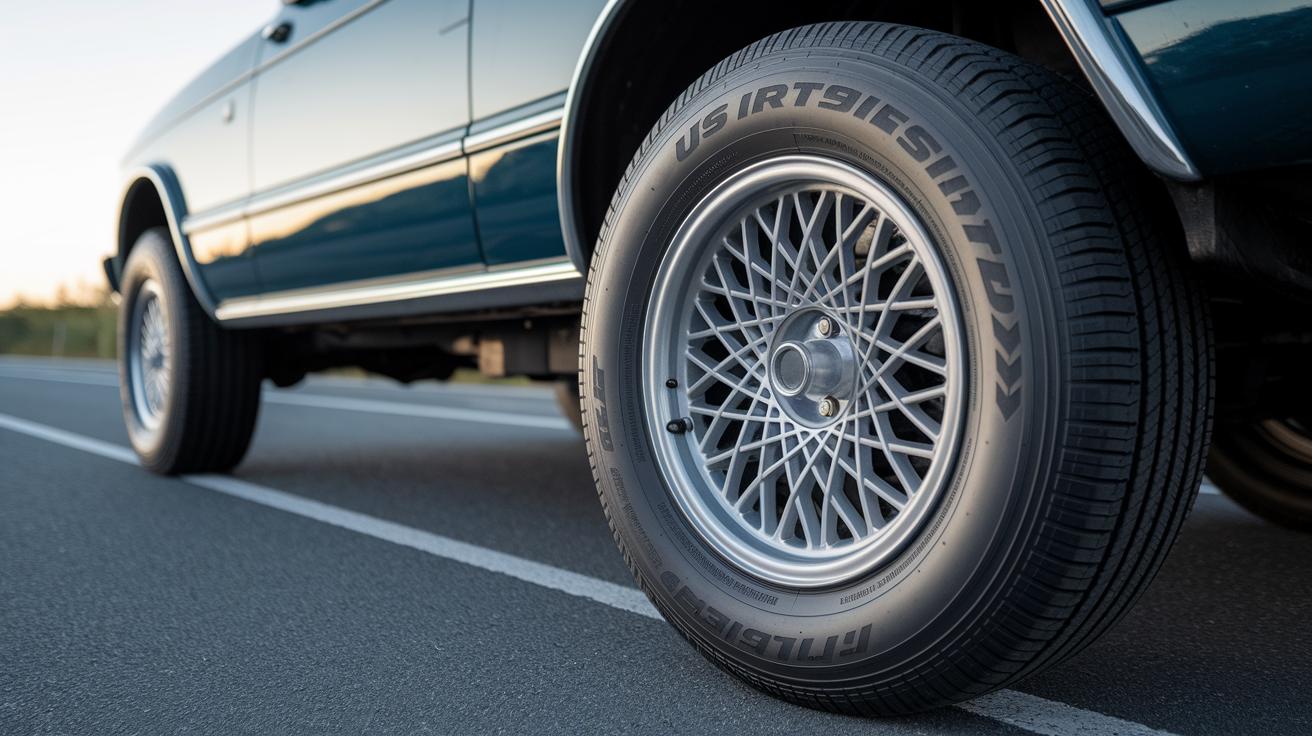
Michelin’s Uptis tire is really turning heads these days. It rocks a cool setup with 3D-printed nylon lattice spokes that do away with heavy air chambers. This clever design spreads stress evenly across the tire, making it safer and lighter at the same time. Plus, Michelin teamed up with General Motors to show how flexible materials, made custom just for you, can turn a regular tire into something strong and ready for any road.
Michelin Uptis Airless Tire
The unique lattice-spoke pattern helps the tire absorb bumps better and last longer. With no air to worry about, you hardly need to check your tires anymore. Working with a big name like General Motors, Michelin proves that using smart 3D printing tricks beats old-school manufacturing every time.
BigRep’s airless bicycle tire is another great example of how 3D printing shines. Instead of using traditional parts, they print the tire with flexible polymers (rubber-like materials that bend easily) that match exact ride needs. This special design gives just the right mix of firmness and softness, making sure your ride is smooth no matter where you go.
BigRep’s Airless Bicycle Tire
By picking the right polymers and a smart print process, BigRep makes a tire that’s both light and tough enough for daily rides. This approach shows how new research in making flexible materials can bring high-tech tire ideas into everyday cycling.
Overcoming Challenges and Future Trends in 3D Printing for Tire Design

Today’s 3D printed polymers sometimes don’t hold up to the strength and durability we expect for everyday driving. Often, the materials used haven’t yet proven tough enough for the rough and tumble of real roads. Engineers are hard at work, testing and tweaking these new materials with simulations to improve their performance for daily driving.
One clever idea on the horizon is mixing modern 3D printing with classic rubber curing techniques. This combo lets designers enjoy the benefits of digital methods while relying on tried-and-true processes that increase toughness. In simple terms, blending these approaches means tire parts come out stronger and more reliable, ready to handle everyday road adventures.
Looking to the future, we can expect more automated production lines and stronger rubber formulations that really stand up to long-term use. Plus, imagine having smart sensors in your tires that give real-time feedback to help adjust performance on the go. This exciting trend is paving the way for even safer and more dependable tire production.
Final Words
In the action of modern tire design, 3d printing role in modern tire design is a game changer. This technology builds tire structures layer by layer from digital blueprints. It speeds up prototype testing and allows for unique tread patterns that boost grip and cut road noise.
Additive methods also reduce material waste and offer eco-friendly options. These insights point to a bright future where smart, efficient tire production paves the way for safer rides.
FAQ
What is the role of 3D printing in modern manufacturing?
The role of 3D printing in modern manufacturing is building intricate parts layer by layer from digital blueprints. This enables rapid changes and cost-effective customizations with ease.
How is 3D printing used in the automotive industry?
The use of 3D printing in the automotive industry involves creating custom tire components, advanced prototypes, and even full parts. This technology speeds up testing and reduces production costs.
What is the role of 3D printing in modern construction?
The role of 3D printing in modern construction is building complex elements quickly and with minimal waste. Printing structures from digital models leads to faster prototyping and innovative design solutions.
How have 3D printers affected vehicle design?
3D printers affect vehicle design by enabling rapid prototyping and custom parts that improve performance and efficiency. Designers use this to experiment with intricate structures that offer better grip, quieter rides, and smart features.

