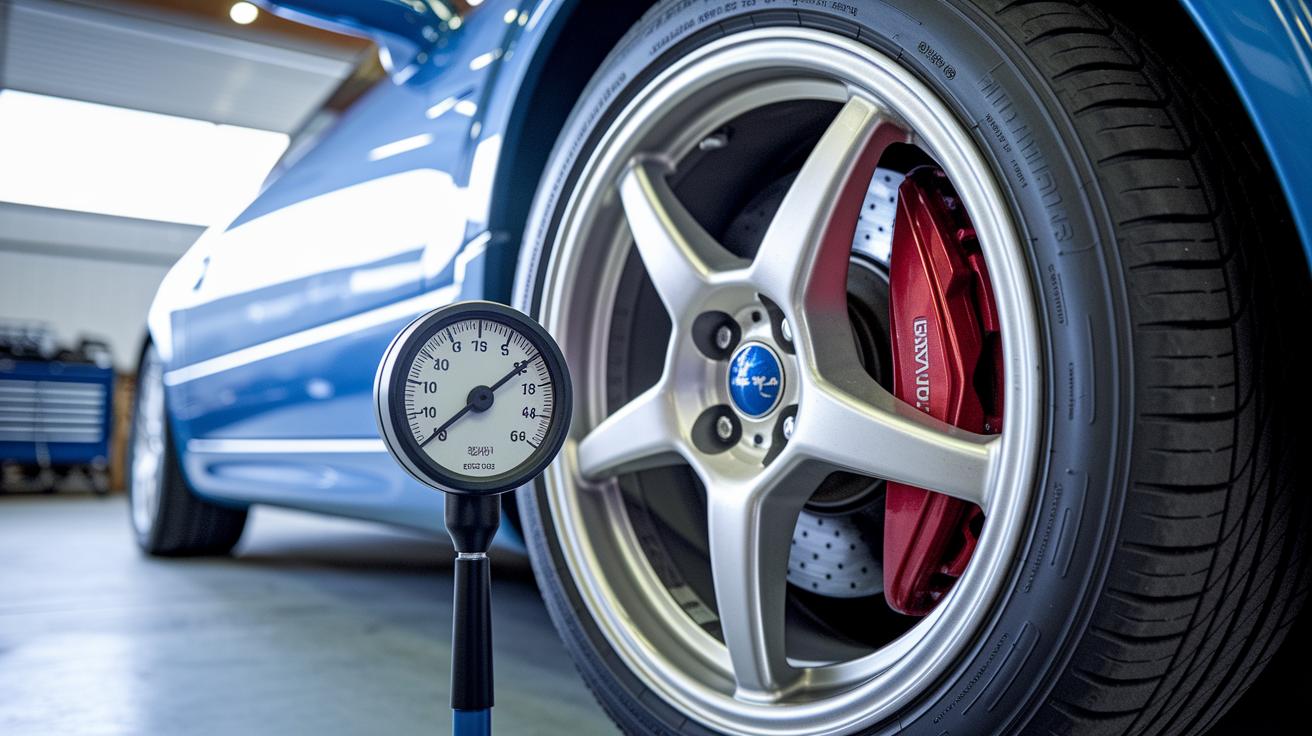


Have you ever wondered why a slight tilt in your wheels can help your car stick better to the road? It’s all thanks to something called camber adjustment (that means tweaking the angle of your wheels for a better grip).
Think of it like a secret trick that makes sure your tires are always in good contact with the road, kind of like a well-tuned engine that purrs smoothly. When your camber is set just right, your car handles turns better and your tires wear more evenly, so you can enjoy each twist and turn a little more.
Next time you feel your car hugging a sharp corner perfectly, you'll know it might be thanks to that tiny adjustment making a huge difference.
Core Principles of Camber Adjustment for Sport Tire Performance
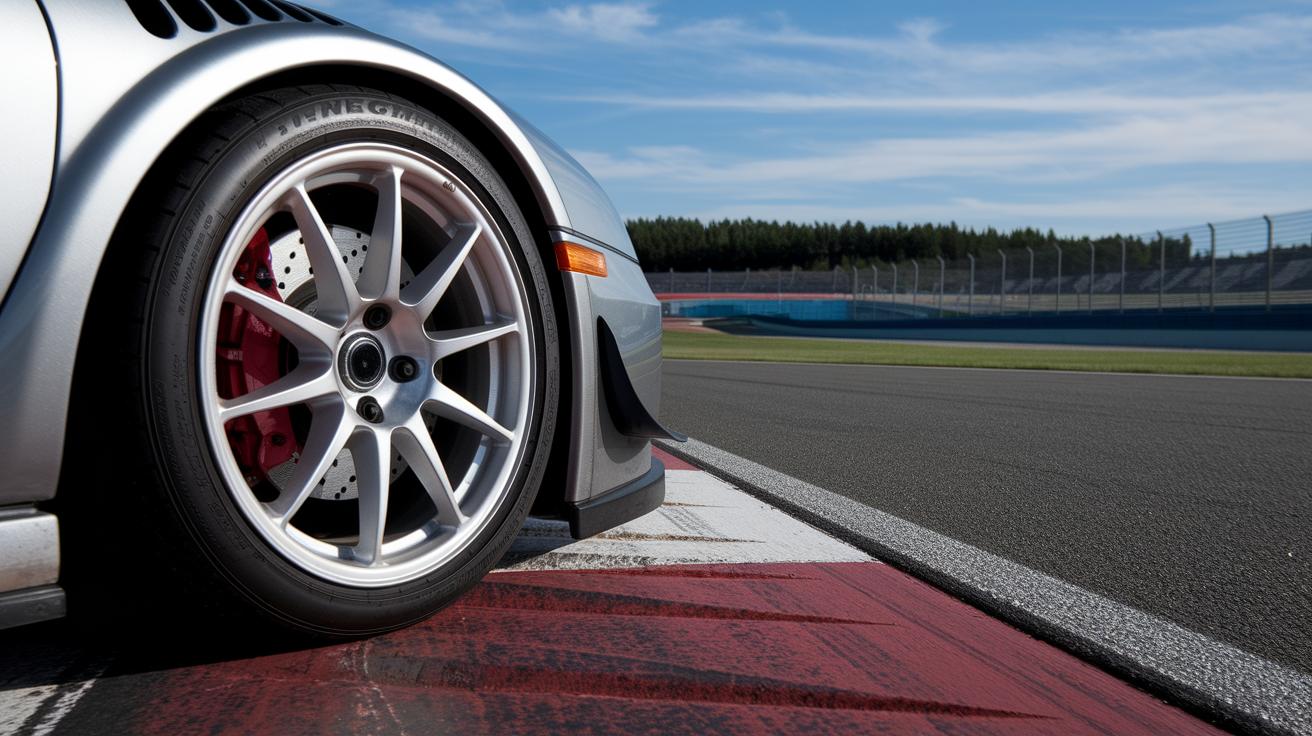
Getting your camber setup right is very important for sport tire performance. Camber is just the tilt of your wheels measured in degrees with a spirit level or digital tool. It comes in two types: positive camber, where the top of the wheel leans outward, and negative camber, where it tilts inward. Most sports cars use a slight negative camber on the front wheels (usually between 0° and –1°20′) to boost grip when taking turns. It’s a bit like how a well-angled tire hugs the road, much like a driver smoothly taking a bend.
Track tests have shown that boosting the negative camber from 2° to 3° can shave up to 0.5 seconds off each corner lap time and help the tire warm up evenly. But too much negative camber may reduce stability on straight roads and cause the inner edge of the tire to wear out faster. It’s all about finding the right balance.
Here are some key points about camber adjustment:
| Point | Explanation |
|---|---|
| Contact Patch | Camber changes the part of the tire that touches the road. |
| Small Tweaks | Even a 0.2° shift can improve how quickly your car responds when turning. |
| Balance | The best setup improves handling while keeping your tire wear even. |
A proper camber setup not only helps you take corners more confidently but also extends the life of your tires by preventing uneven wear. Think of it like fine-tuning your car’s balance so that every turn and straight road gives you just the right grip. Accurate measurements and careful, small adjustments make all the difference in performance.
Precision Measurement and Alignment Techniques for Camber
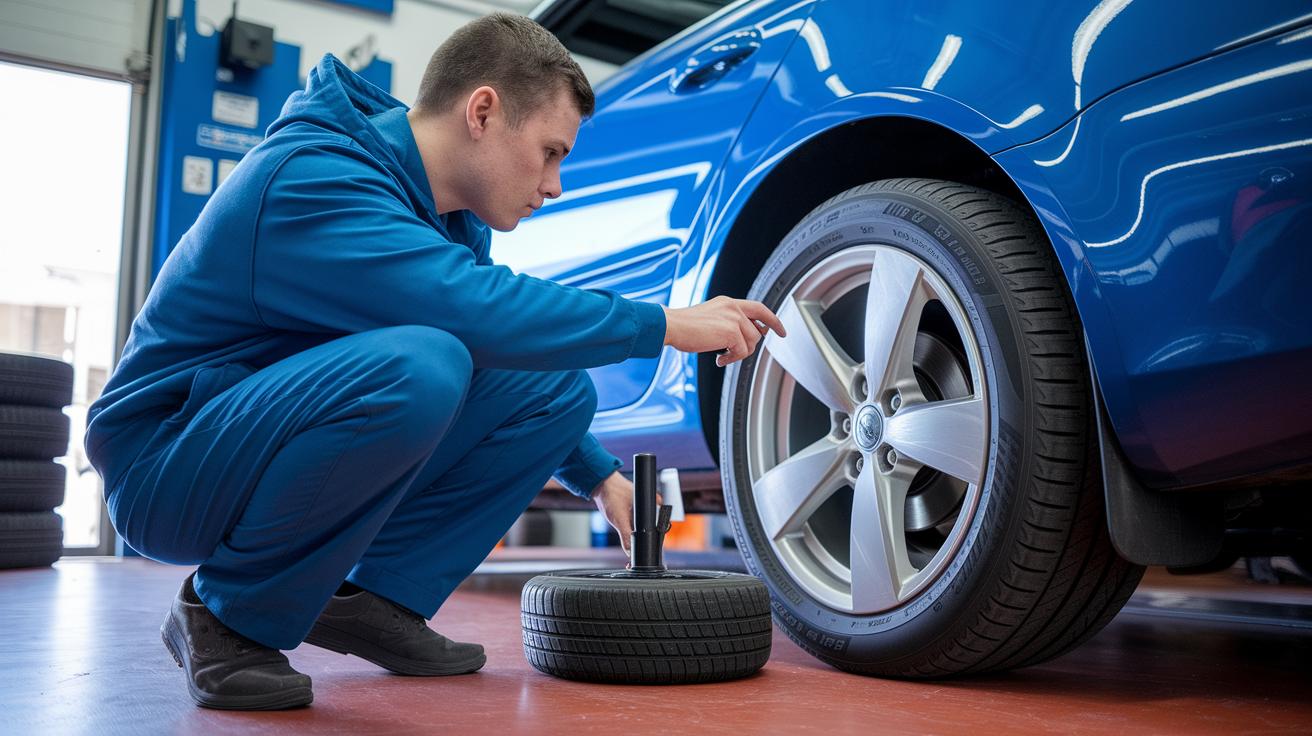
When checking camber, you can use a simple spirit level or even high-tech electronic devices. These days, many shops use 3D wheel alignment machines, clear cameras, and laser tools that measure camber down to 0.1°. That kind of accuracy means even the tiniest shift can be spotted and fixed fast.
Getting your camber right is key to keeping your sports tires in great shape. Think about it like using a digital gauge to check your tire pressure. First, set up your 3D alignment machine, then follow the on-screen readings to adjust your camber just right.
It’s smart to get your alignment checked every 6,000 to 10,000 miles or after you’ve hit a pothole or curb hard. This helps you catch any shifts before they cause uneven tire wear or make your ride feel off.
Safety comes first every time. Always use solid jack stands, wheel chocks, and sturdy hub supports instead of just a hydraulic jack. Sticking to these safety tips not only helps prevent accidents but also keeps your measurements accurate.
Regular alignment checks make sure your tire stays in full contact with the road, boosting both your tire’s performance and its lifespan.
Influence of Camber on Contact Patch Optimization and Grip

When you adjust the camber (the tilt angle of the wheel), it changes how the tire meets the road when you're turning. With a bit of negative camber (where the top of the tire leans inward), more weight shifts to the inner side. This means during a curve, more of your tire touches the pavement, which boosts grip and keeps the car steadier. In fact, studies show that moving from 1° to 2° of negative camber can boost side grip by 5–8%. And hey, even a tiny 0.2° tweak can make your car respond more sharply when you turn.
Many modern sports cars use a little negative camber to get the best of both worlds – solid grip in curves and steady handling on the straight. In simple terms, while the inner part of the tire works harder in a turn, the overall contact with the road is just right for smooth handling. When it comes to race tracks or pushing performance limits, drivers might use even more negative camber to get extra grip, keeping the tire firmly planted even in the tightest turns.
- Adjusting camber fine-tunes how your tire meets the road.
- Negative camber shifts more load inside, boosting grip.
- Even a small 0.2° change can help your car turn more sharply.
All in all, tweaking the camber shows that small changes can lead to big improvements. By perfecting the tire’s contact with the road, your car feels more responsive in turns and gives you better side grip. Many performance setups rely on these precise tweaks to balance everyday driving with the high demands of track performance.
Camber’s Role in Tire Wear Patterns and Longevity
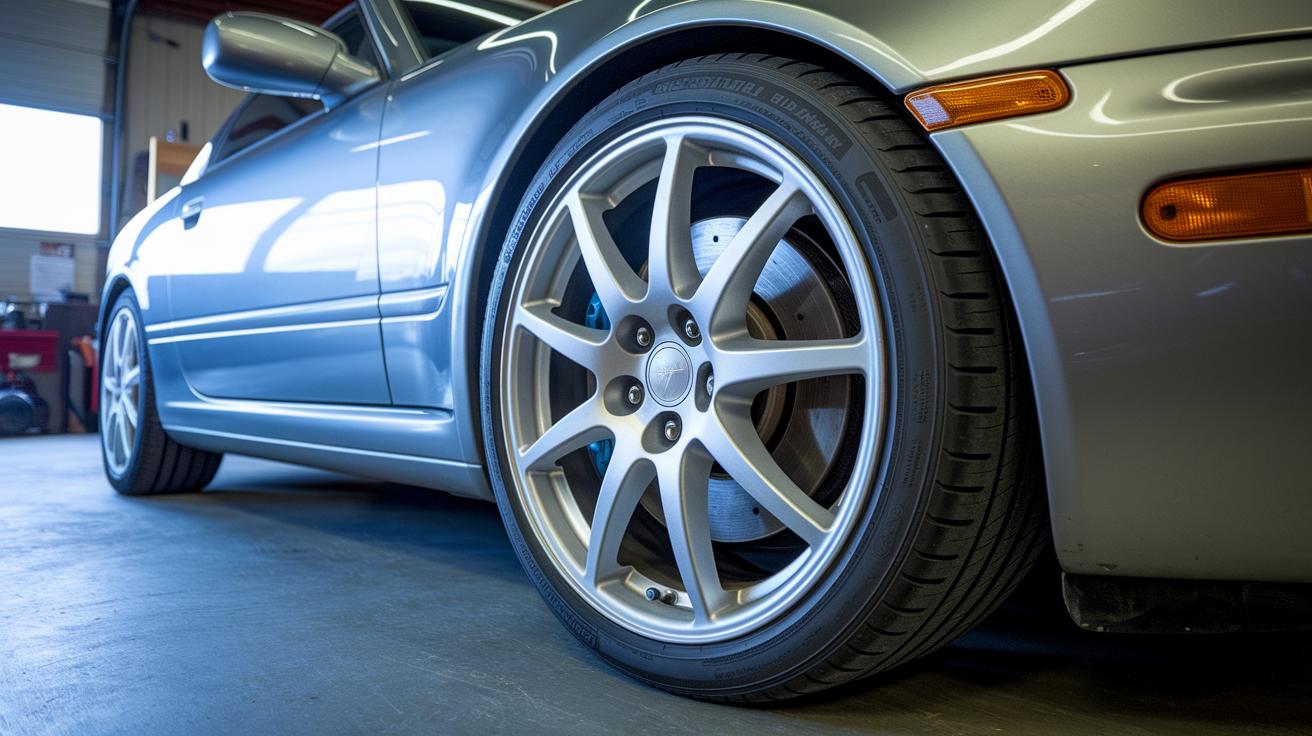
Getting your camber settings right is essential for both performance and the life of your tires. When the camber is too negative, extra pressure builds up on the inside edge of the tire, causing it to wear out faster. Too much positive camber, on the other hand, shifts more weight to the outer edge, leading to uneven wear. This imbalance can cut your tire life by almost a third since the tire’s tread gets worked harder than it should.
Have you ever noticed the inside of one tire wearing down quickly? That could be a sign your camber angle is too aggressive. Everyday sports cars, for instance, need a balance. You want that sporty feel without sacrificing even tread wear over time.
It’s a good idea to check your tires regularly. If you spot any weird wear patterns, it might be time to look over your suspension parts, like bushings (small rubber pieces that keep parts secure) and control arms (components that help keep your wheels aligned). Think of these routine checks like glancing at your fuel gauge, simple steps that can save you a lot of hassle later on.
Track-Ready Camber Tuning Strategies for Dynamic Performance

When you're building a track-day car, you might set the front camber between -2° and -3°. This helps push more weight onto the inner side of the tire during quick turns, which can improve traction and make your steering feel sharper. In fact, some tests suggest that fine-tuning your camber can cut a lap time by 1-2 seconds on a short circuit. Pretty cool, right?
There are a few ways to hit these tuning marks. One option is to adjust the top of the strut using special camber plates. This small tweak can give you steady, track-ready camber. Another method is to slightly tilt the strut using slotted bolts, which lets you fine-tune the angle without a lot of suspension work. You could also try fitting adjustable control arms or compliance bushings for extra precision on different track layouts. And let’s not forget, lowering the ride height naturally gives you more negative camber, so you get an extra boost in grip without too much hassle.
After changing the camber, don’t forget to reset your toe to keep that tire contact patch in check. This helps maintain your car's balance and prevents unexpected handling shifts. And if you're really pushing your setup, picking the right tire compound can also make a huge difference in performance.
| Method | Description |
|---|---|
| Camber Plates | Adjust the top of the strut for a steady setup |
| Slotted Bolts | Tilt the strut for fine adjustments |
| Adjustable Control Arms/Compliance Bushings | Customize your settings for different tracks |
| Lower Ride Height | Increase negative camber naturally for extra grip |
Common Camber Adjustment Pitfalls and Maintenance Guidelines
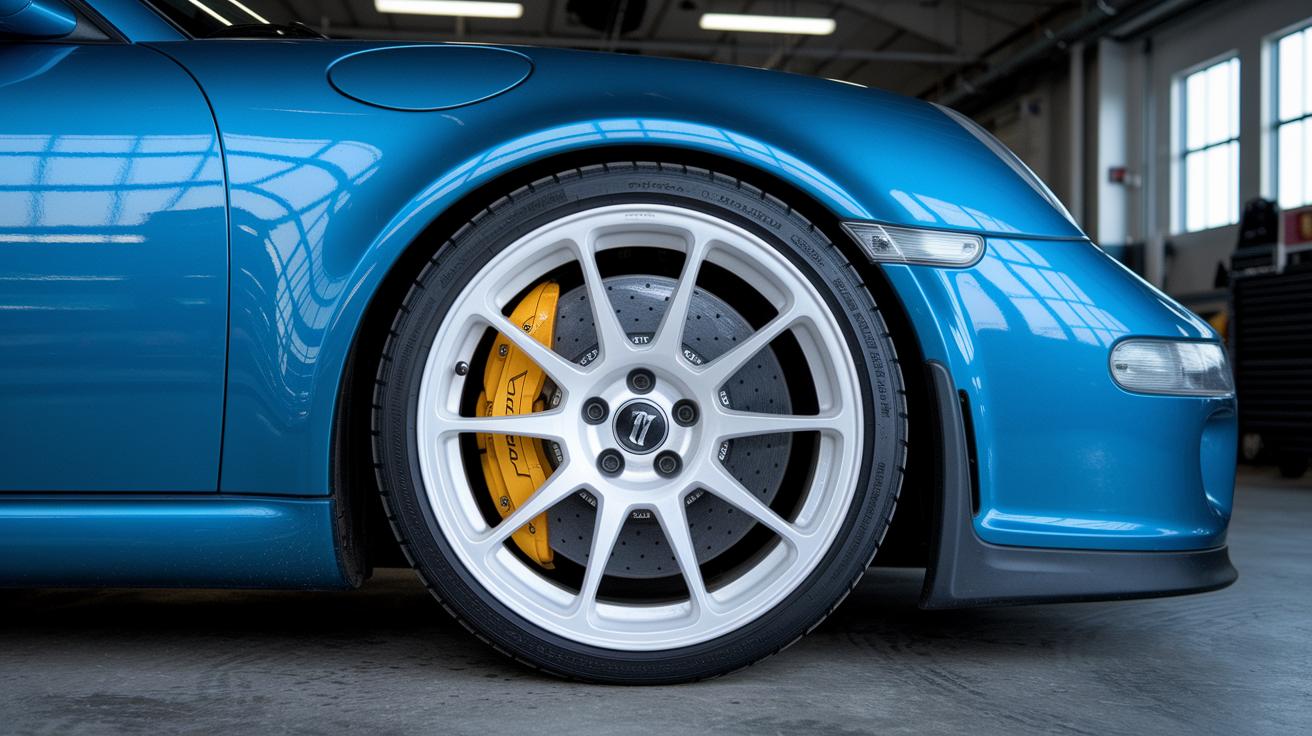
One common mistake is tweaking your camber settings too far beyond what the manufacturer recommends. Doing so can make your car pull to one side, lose its straight-line stability, and wear your tires unevenly (that means one side of the tire wears faster than the other). Ever notice your steering feeling a bit off, like riding a bike that drifts? That might be your cue that there's too much negative camber.
If you see your tires pulling or the steering appearing off-center, it often means the camber has drifted over time. Regular checks can catch these issues before they grow into bigger problems. Try sticking to a routine maintenance plan that includes an alignment check every 6,000 to 10,000 miles or after any significant bump, a look at your suspension components like ball joints, bushings, and control arms, and a professional alignment if you notice uneven tire wear or ongoing steering issues.
When working on your car yourself, remember to use sturdy jack stands, wheel chocks, and firm hub supports. These safety tools are like your trusty toolbox, they protect your work area and help you get accurate measurements.
Regular maintenance not only keeps your car handling well but also helps extend the life of your tires by keeping the suspension in good shape. Even small setup errors can lead to big problems, so it's important to keep an eye on your camber settings.
Final Words
In the action, this article breaks down how camber adjustment boosts handling and grip. It explains camber basics using easy-to-follow measurements and highlights proper alignment techniques for best tire life. Small tweaks, even 0.2°, can sharpen contact patch shape and extend tread longevity while balancing performance with safety. Plus, track-ready tuning tips and common pitfalls show you how to avoid uneven tire wear. Remember, the role of camber adjustment in optimizing sport tire performance is key for confident, sure driving.
FAQ
How do you adjust camber on your car at home?
Adjusting camber at home means setting the wheel tilt using a camber kit, a spirit level, and proper safety gear. Follow the instructions to get the correct alignment for improved tire grip.
What is a camber adjustment kit and how is it used?
A camber adjustment kit includes components like bolts and plates that let you change the wheel tilt. It helps set the wheels at the proper angles for better grip and balance during driving.
What are race car camber settings?
Race car camber settings involve using more negative angles (around -2° to -3°) to boost corner grip on the track. This setup improves handling but may reduce straight-line stability if overdone.
How do you adjust rear wheel camber and what is the cost?
Rear wheel camber adjustment involves aligning the rear wheels with proper tools or professional help. Costs vary by vehicle and service, and proper alignment avoids uneven wear while enhancing handling.
How does camber affect performance and tire wear?
Camber affects performance by changing the tire’s contact patch with the road. Mild negative camber (around 0° to -1°20′) improves cornering, while too much quickens tire wear on the inner edges.
What happens when camber is off?
When camber is off, the tires wear unevenly and grip declines. This misalignment can make the car pull to one side and reduce overall stability, affecting handling on the road.

