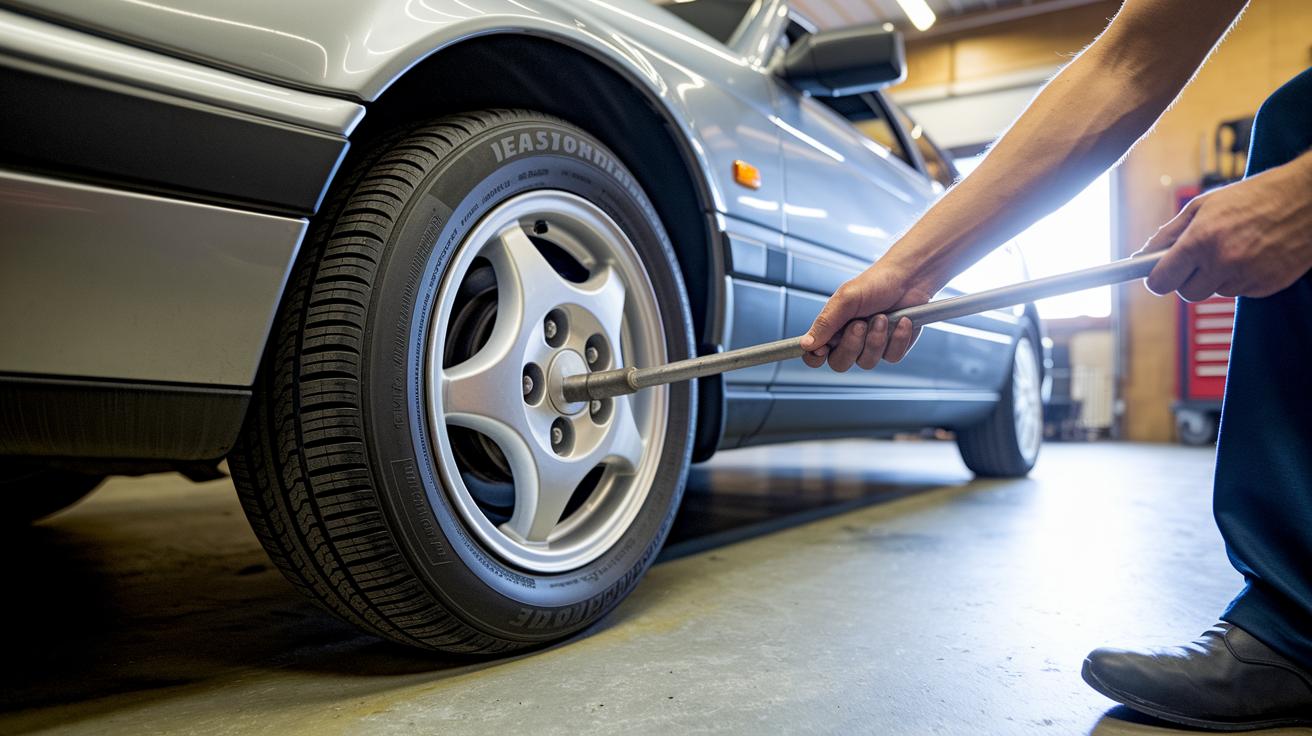


Ever thought a few easy tips could keep your ride smooth no matter the weather? Taking care of your tires each season means giving your car the right attention, whether you’re driving on icy roads or hot, wet pavement. Checking your tire pressure and tread depth (that’s how fast the tire’s surface wears down) is a bit like giving your car a quick tune-up for safety and performance.
In this post, I'll share some down-to-earth advice so you can keep your tires in great shape all year. This way, you can enjoy a safe drive without any nasty surprises along the way.
Seasonal Tire Care Tips: Essential Guidelines for All Climates
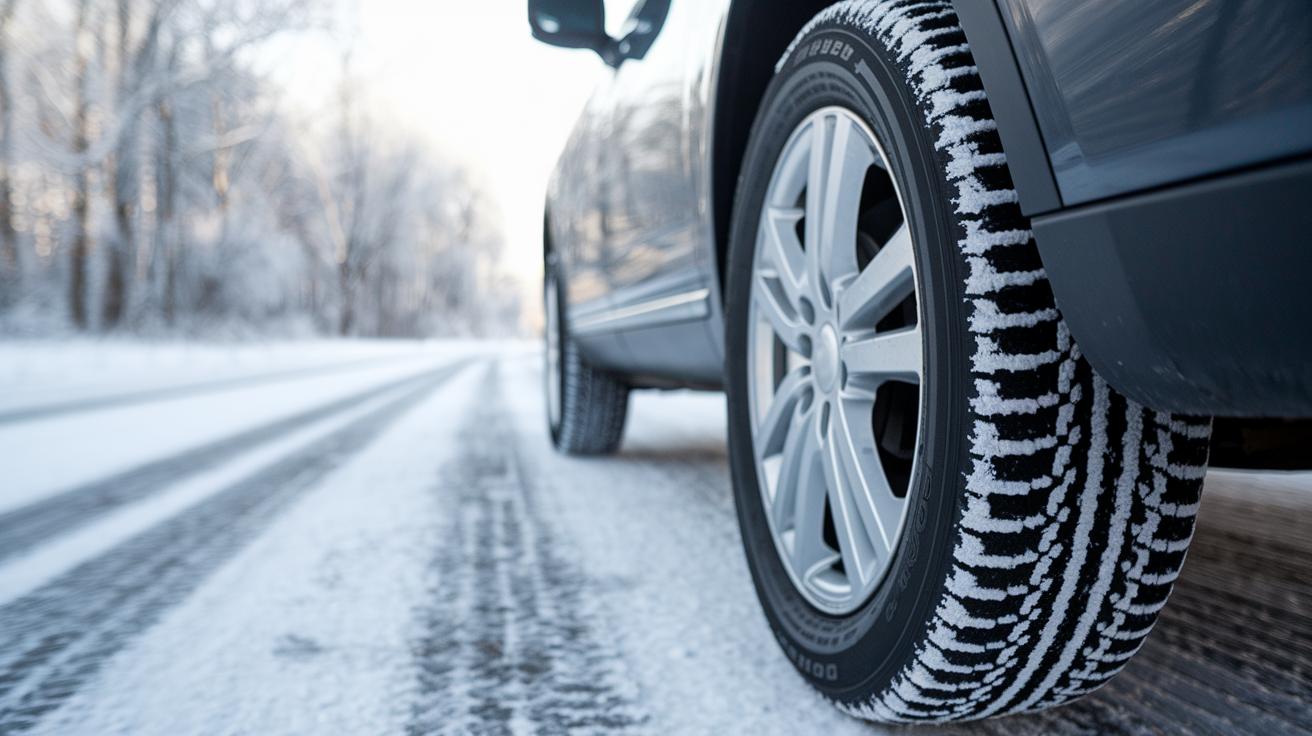
Your tires react differently to changing weather. In the chill of winter, when ice and snow cover the roads, your tires need that extra grip to stay safe. And come summer, when the heat, humidity, and wet roads can lead to problems like aquaplaning (that's when water makes your tires lose their grip), it's important to keep your tires in great shape.
It really helps to check your tire pressure when the tires are cold. Think of it as checking your fuel gauge before a long drive. The best PSI numbers are usually listed on your car’s door jamb or in the owner’s manual. Temperature shifts can make tire pressure change, so fill them slowly and carefully to avoid overinflation. And remember, your front and rear tires might need a bit different care.
Even if you enjoy mild weather most of the time, a regular check-up keeps your ride smooth, saves fuel, and helps your car perform its best. Here’s a quick rundown of some must-do tasks:
| Maintenance Task |
|---|
| Monthly tire pressure checks |
| Tread-depth measurements |
| Scheduled tire rotations |
| Wheel-alignment verifications |
| Damage inspections |
Sticking to a regular care routine keeps your tires ready for whatever weather comes your way. With these checks, you'll enjoy a safer drive and smoother performance, no matter the season.
Winter Seasonal Tire Care Tips: Maximizing Snow and Ice Performance

Inspecting Tread Depth and Groove Pattern
Before winter hits, give your tires a quick look to see how deep the grooves are. You can do this with a tread gauge or even a simple penny test. Stick a penny in the groove with Lincoln facing you. If you can see his head, it's a clear sign that your tread is getting low. Your goal is to keep at least 6/32 inch of tread left to help push water and slush away. Try it out on a frosty morning, it’s a simple test that can make a big difference.
Adjusting Tire Pressure in Cold Weather
As the temperature drops, your tires lose a bit of air pressure, roughly 1 PSI for every 10°F you lose. That’s why it’s best to check your tire pressure when they’re still cool. Look for your vehicle’s guide to know what the ideal PSI is. Then, add air slowly until you hit that mark. This little step helps ensure your tires stay reliable on icy roads.
Considering Winter-Specific Tire Compounds
Have you ever thought about switching to winter tires? These tires are designed for temperatures below 32°F. They use a softer rubber and have special siping (tiny cuts that grab onto icy surfaces) to improve grip. With these tires, you’re set for safer driving when the weather turns harsh, offering better traction than regular all-season tires.
Summer Seasonal Tire Care Tips: Ensuring Grip and Heat Resistance

When the summer heat is blazing and storms start rolling in, your tires are working overtime to keep you safe. Hot roads and heavy rain mean your tires need deep, clean grooves to push water aside and stop aquaplaning (that’s when water gets between your tires and the road). I like to check my tire treads every month to catch any uneven wear and make sure those water channels stay clear.
Assessing Tread Depth for Wet-Road Performance
Take a moment to look at your tire grooves and clear out any debris. A minimum tread depth of 4/32 inch is important when the rain is heavy so that water can escape, just like keeping a drain unclogged to prevent flooding.
Maintaining Proper Tire Pressure in High Heat
Before any drive, check your tire pressure while the tires are still cold. Look for the PSI recommendation on your vehicle’s door jamb to avoid overinflating your tires when they heat up. And remember, the pressure for the front tires might be different from the back, so adjust each one as needed.
Shielding Tires from UV and Sunlight
When you park outside, your tires are exposed to lots of harsh sunlight. Using a UV-resistant spray or cover can help stop them from drying out and cracking under the intense summer sun.
Seasonal Tire Care Tips: Best Practices for Tire Storage
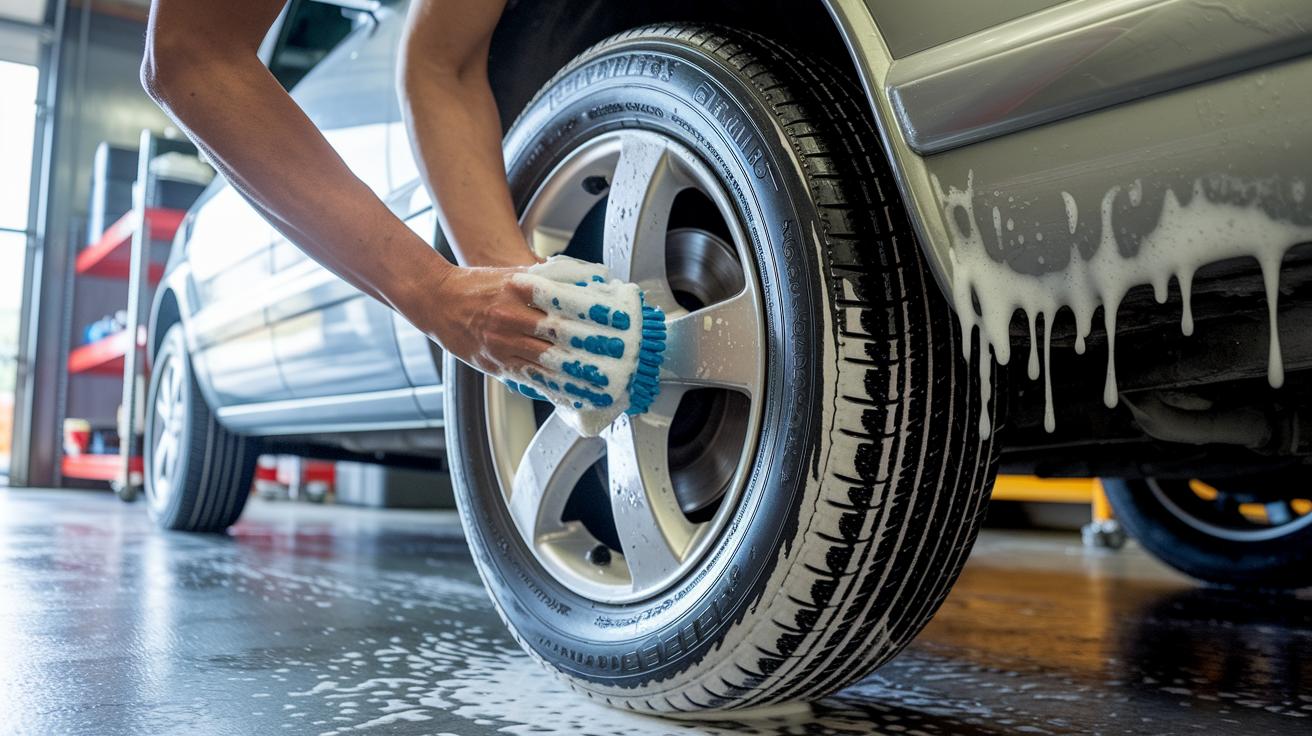
Storing your tires the right way is key to keeping them in great shape and making them last longer. Too much sun, moisture, and wild changes in temperature can make tires crack or dry out. That’s why it’s best to keep them in a climate-friendly spot like a garage, basement, or a storage unit.
Before you put them away, give your tires a good clean with mild soap and water. This helps remove dirt, brake dust, and road grime, much like a quick bath. Dry them off well to stop any moisture buildup that might lead to mold. Next, pump them up to the PSI (pressure level recommended by the maker, usually found on your door jamb or in the owner’s manual) to help them keep their shape and slow down pressure loss.
Then, take a close look at each tire for any signs of trouble like cracks, bulges, or stuck debris. If the tires are already on rims, try stacking or hanging them, and remember to switch their spots every four to six weeks so they don’t get flat spots. For tires without rims, keeping them upright on a rack or pallet can protect the sidewalls. Finally, cover the tires with good-quality covers or even plastic bags to shield them from dust and harmful UV light.
| Step | Description |
|---|---|
| Cleaning | Wash with mild soap and water to get rid of dirt and grime. |
| Drying | Dry thoroughly to prevent moisture buildup and mold. |
| Inflating | Fill to the recommended PSI to keep the tire’s shape and slow pressure loss. |
| Inspecting | Check for cracks, bulges, or debris; fix any issues before storage. |
| Storing | Keep in a climate-controlled area using racks or covers, and rotate every 4-6 weeks. |
Seasonal Tire Care Tips: Professional Inspection and Service Schedules

Getting your tires inspected by a professional gives you one less thing to worry about. When experts take a look, they can spot hidden problems, fix uneven wear (when the tire’s surface wears down in patches) and adjust your vehicle so it handles better on the road. It’s a bit like having a friendly check-up for your car that can catch issues like misalignment or balance problems early, and they even make sure the lug nuts (the little bolts that hold your tires on) are tightened just right. This proactive care makes your ride safer and can help you avoid more expensive repairs later.
| Service | Recommended Interval |
|---|---|
| Rotation | 5,000–7,500 miles (The Science Behind Tire Rotation Effectiveness) |
| Alignment | Every season or every 6,000–8,000 miles |
| Balancing | After every rotation or when you feel vibrations |
| Lug Torque | At each service |
| Benefit | What It Means For You |
|---|---|
| Even Wear | Your ride stays smooth and comfortable |
| Improved Safety | You can drive knowing your tires are in top shape |
| Cost Savings | Prevents bigger, more expensive repairs |
| Extended Tread Life | Your tires last longer, keeping you on the road |
Scheduling professional tire service each season is a smart move to keep your vehicle running safely. A thorough check will spot issues like misalignment or unbalanced tires and make sure every lug nut is in place. It’s a little bit like giving your car a tune-up for the road ahead. So next time you’re planning your service, think of it as an investment in smoother, safer driving.
Seasonal Tire Care Tips: Strategies to Extend Tire Lifespan
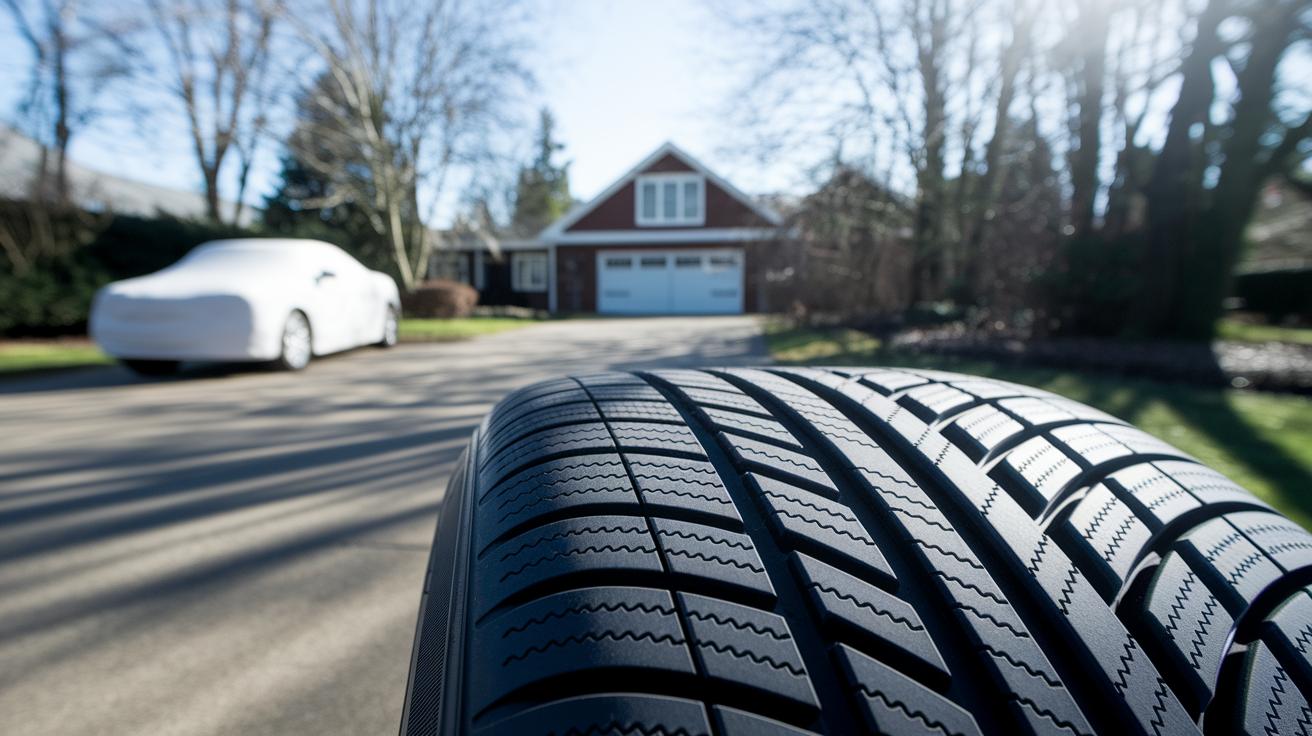
Keep your tires in top shape as the seasons shift. Follow some simple steps we’ve mentioned before in our storage and routine care tips. For example, use a good quality spray or a UV-resistant cover to keep your tires from drying out and cracking.
Even small cuts or punctures can become a problem if ignored. So, fix them right away with a repair kit approved by the manufacturer.
Combine your everyday tire care with these seasonal tips: check your tire pressure, rotate your tires, and address tiny issues immediately to avoid bigger problems later.
| Tip | When/How |
|---|---|
| Use protective sprays or UV-resistant covers | As needed for protection |
| Rotate tires | Every four to six weeks |
| Repair small cuts | Immediately with approved repair kits |
Final Words
In the action, we broke down a clear roadmap for adjusting tire routines with the change of seasons, from keeping an eye on tread depth in winter to ensuring proper pressure in summer. We talked about inspection basics, proper storage, and the benefits of professional checks.
These seasonal tire care tips can keep your ride safe, fuel-efficient, and reliable. Regular checks and careful maintenance mean you can hit the road with confidence, knowing your tires are ready for whatever the season brings.
FAQ
What are the best seasonal tire care tips and how can I do them at home?
Following seasonal tire care tips at home means checking your tire pressure and tread regularly, rotating tires on schedule, and following your vehicle’s guide to boost safety and performance across weather changes.
How do I care for new tires and maintain overall tire health?
Caring for new tires and maintaining tire health involves keeping them inflated to the proper PSI, inspecting tread depth and wear, and rotating them at recommended intervals to extend their life.
What does proper tire care mean according to US tire manufacturers?
Proper tire care as recommended by US tire manufacturers means maintaining the right inflation levels, frequently checking tread depth, and performing regular tire rotations to keep your tires safe and efficient.
What is the 7’7 rule for winter tires?
The 7’7 rule for winter tires means ensuring that your tires have at least a 7/32-inch tread depth to provide safe traction on snowy and icy roads during winter months.
What is the 3% rule for tires?
The 3% rule for tires suggests that a tire loses roughly 3 percent of its air pressure per month, so a drop above this level may signal a leak or improper inflation needing attention.
Does filling tires with nitrogen really help?
Filling tires with nitrogen can help maintain a more stable pressure over time, which aids performance, but its benefits are minor compared to regular monitoring and proper tire maintenance.
What is the 25 cent trick on tires?
The 25 cent trick uses a quarter to test tread depth; if you can see the top of the portrait on the coin, it indicates that your tread is worn to a level that may require tire replacement.

