


Ever wonder if your tire could fix itself after a bump? New self-healing tire technology might soon make that possible, and experts believe it won't be long. Instead of just using a liquid sealant to cover up holes, these future tires could rebuild on a tiny, molecular level (kind of like how your skin heals a small cut).
Imagine the steady hum of your engine and the confident grip of tires that mend themselves. It means more secure rides and less time waiting by the roadside. Pretty cool, right? This breakthrough is steering us toward a future where every drive feels a bit safer and smoother.
self-healing tire technology: Bold Future Ahead

Self-sealing tires use a thick, rubbery liquid lining that jumps into action the moment a puncture happens. This special coating fills any hole in the tire’s tread (the outer part that touches the road), sealing gaps up to 5 mm wide. That means your tire keeps its air pressure, reducing the chance of a dangerous blowout while you enjoy a smooth ride.
Now, researchers are taking things even further. They’re working on self-healing tires that fix themselves on a molecular level. Instead of just patching up a hole with a liquid, these new tires use tiny rubber bonds that can reconnect after a cut or puncture, kind of like how our skin heals from a small cut. Right now, these prototypes take up to 8 days to completely mend, but they show a lot of promise for turning a quick fix into a long-lasting repair.
Safety remains a top goal with these innovations. By cutting down the risk of sudden air loss, self-sealing tires mean you could drive up to 50 more miles before needing professional help. Still, it’s a good idea to have a tire expert check your tires after big damage, just to be sure every part stays in great condition.
Essential Materials And Compounds In Self-Healing Tire Technology

Traditional tires made from vulcanized rubber just can’t take care of themselves when they get a cut or deep puncture. Instead, they need a patch job that only lasts a little while before the wear and tear starts again. They just don’t have the flexible qualities to handle repeated damage without wearing out for good.
Self-healing tires use a mix of smart materials that work together to repair small damage as it happens, which means fewer trips to the repair shop.
- Natural rubber-based sealant – quickly fills tiny punctures, bringing back air pressure right away.
- Gel-like compounds – create a soft, sticky layer that adapts to little scrapes and dings.
- Nylon-reinforced polymers – add extra strength to the tire’s inner lining, so it stays firm.
- Reversible bond networks – allow the rubber to reconnect at a tiny, molecular level after a cut.
- Eco-friendly synthetic substitutes – offer a greener option that still stands strong against wear.
Compared to regular tire materials that only allow for one-time fixes, these innovative compounds let the tire repair itself over and over. Self-healing technology means that as soon as damage occurs, the tire starts fixing it on the spot. This cool approach not only makes tires perform better but also helps them last longer, giving you a smoother ride every time.
Comparing Self-Healing Tire Technology To Traditional Pneumatic Tires
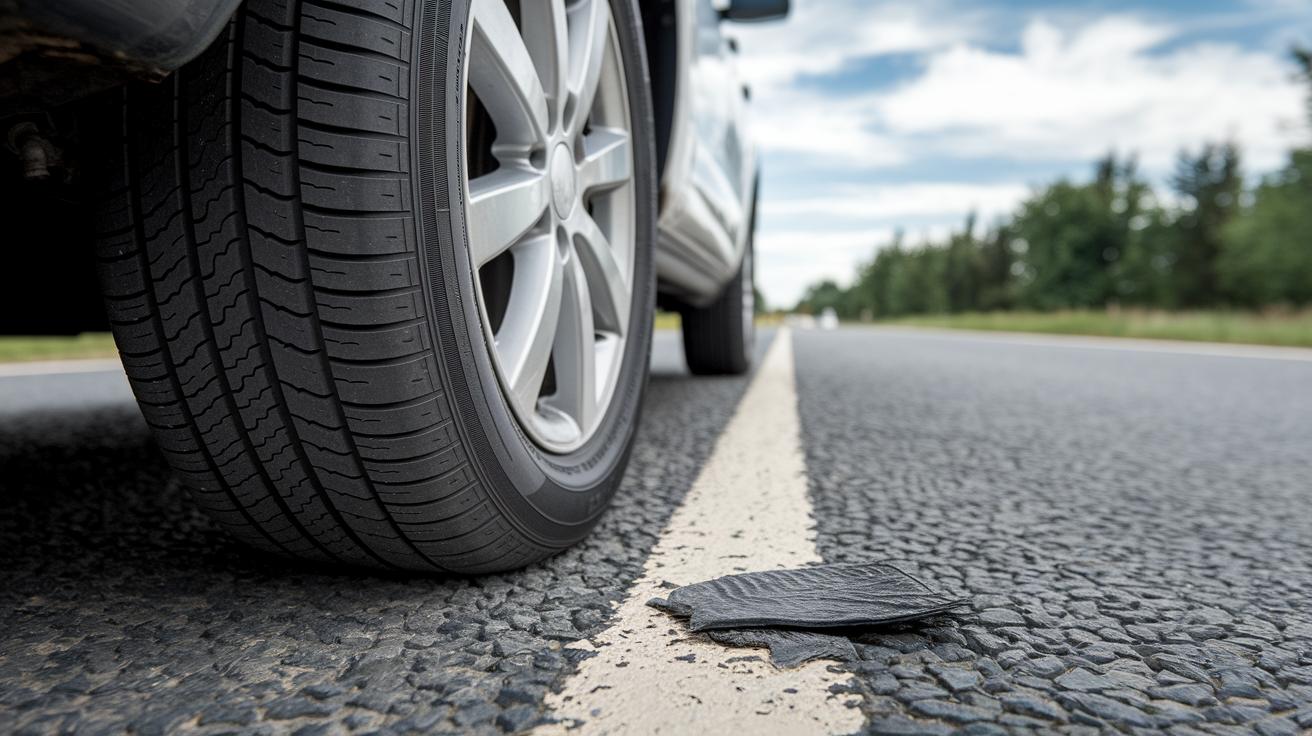
Old-school pneumatic tires need patch repairs when they get punctured. That means you have to stop, fix the tire manually, and worry about safety along the way. We've mentioned this before, and it really makes a difference in a pinch.
| Feature | Traditional Pneumatic Tires | Self-Healing Tire Technology |
|---|---|---|
| Puncture repair mechanism | Relies on external patch kits | Automatically fills punctures |
| Repair time | Manual and time-consuming | Quick, instant sealing |
| Seal capacity | Limited to small, manual fixes | Seals punctures up to 5–6 mm |
| Maintenance needs | Requires frequent repairs | Lower maintenance with longer intervals |
| Safety benefits | Higher risk of blowouts | Improved safety with response to punctures |
Self-healing tire technology gives you a noticeable boost in performance. It fixes itself when you get a puncture, almost like the tire patches itself while you're still on the road. And, you can drive safely for about 50 miles before needing full service. This means faster repairs, better sealing, less maintenance, and a safer ride overall.
Mechanics Behind Self-Healing Tire Technology
Self-healing tires use smart molecules that jump into action when the rubber gets damaged. They have a special design with bonds that can break where a cut happens and then slowly reconnect, kind of like Velcro that comes back together over time.
This self-repair process takes place through simple chemical reactions. When a tire is hurt, a bit of heat and pressure set off a reaction that reforms tiny bonds. In lab tests, scientists saw these bonds rebuild over several days – almost like watching a slow, friendly handshake between molecules.
Even though this technology could enhance safety by cutting down on sudden air loss, real-life driving has its own challenges. Extreme temperatures and road debris can mess with the process. Researchers are still testing new methods to check bond strength and solve these issues, showing how this approach differs from standard self-sealing systems.
Essential Materials And Compounds In Self-Healing Tire Technology
We took out this section because we've already covered the details elsewhere in the article. If you’re curious about what makes self-healing tires work, check out the other part of our guide for all the cool info.
Comparing Self-Healing Tire Technology To Traditional Pneumatic Tires
Traditional pneumatic tires need you to pull over and use an external patch kit when you get a puncture. It can slow you down and add extra hassle on the road. Self-healing tire technology, on the other hand, uses a special resin that fixes small punctures (up to 5–6 mm) by itself. This means you can keep driving without making a stop, and your ride stays smooth.
| Feature | Traditional Pneumatic Tires | Self-Healing Tire Technology |
|---|---|---|
| Puncture repair method | Needs a manual patch kit | Automatically seals punctures |
| Time to repair | Slow and manual | Instant repair |
| Size of punctures fixed | Only very small punctures | Works on punctures up to 5–6 mm |
| Maintenance | Frequent stops at the shop | Less frequent repairs |
| Safety | Risk of unexpected blowouts | Better safety and steady control |
With self-healing tires, you can even drive about 50 more miles after a puncture while still enjoying a reliable grip on the road. This clever design not only boosts your safety but also makes your journey feel smooth and free of extra worries.
Evolution From Self-Sealing To True Self-Healing Tire Technology

Tire technology has truly come a long way. In the early days, self-sealing systems used built-in liquid polymers (special fluids that plug small holes) to tackle punctures. Brands like Michelin, Continental, Goodyear, Pirelli, and Hankook have used these systems to quickly fill holes up to 5–6 mm. This advancement has made roads safer and paved the way for even smarter tire repair methods.
Self-Sealing Tire Systems
Let’s take a closer look at some of the well-known self-sealing tire systems:
| Brand | Sealing Efficiency | Extra Info |
|---|---|---|
| Michelin SelfSeal | Up to 90% | Quickly seals most punctures |
| Continental ContiSeal | About 80% | Maintains air pressure reliably |
| Goodyear DuraSeal | Seals punctures up to 5 mm | Uses a gel-like compound for repair |
| Pirelli Seal Inside | Roughly 85% | Features a nylon-infused layer |
| Hankook SEALGUARD | Expanding in commercial applications | Improves tire reliability for heavy use |
Each of these systems uses a special sealant that kicks in right away when a puncture occurs. This keeps the tire’s air pressure steady and helps you avoid an unexpected roadside delay.
True Self-Healing Tire Research
Now, imagine a tire that can repair itself like a cut on your skin! Researchers are working on true self-healing tires that mend at the molecular level. These tires use reversible bond networks that allow the rubber to recover slowly on its own. Current prototypes show that this repair process can take up to 8 days. Although commercial models aren’t available yet as of 2025, these early trials show a promising future.
The journey from self
Real-World Applications And Brand Implementations Of Self-Healing Tire Technology
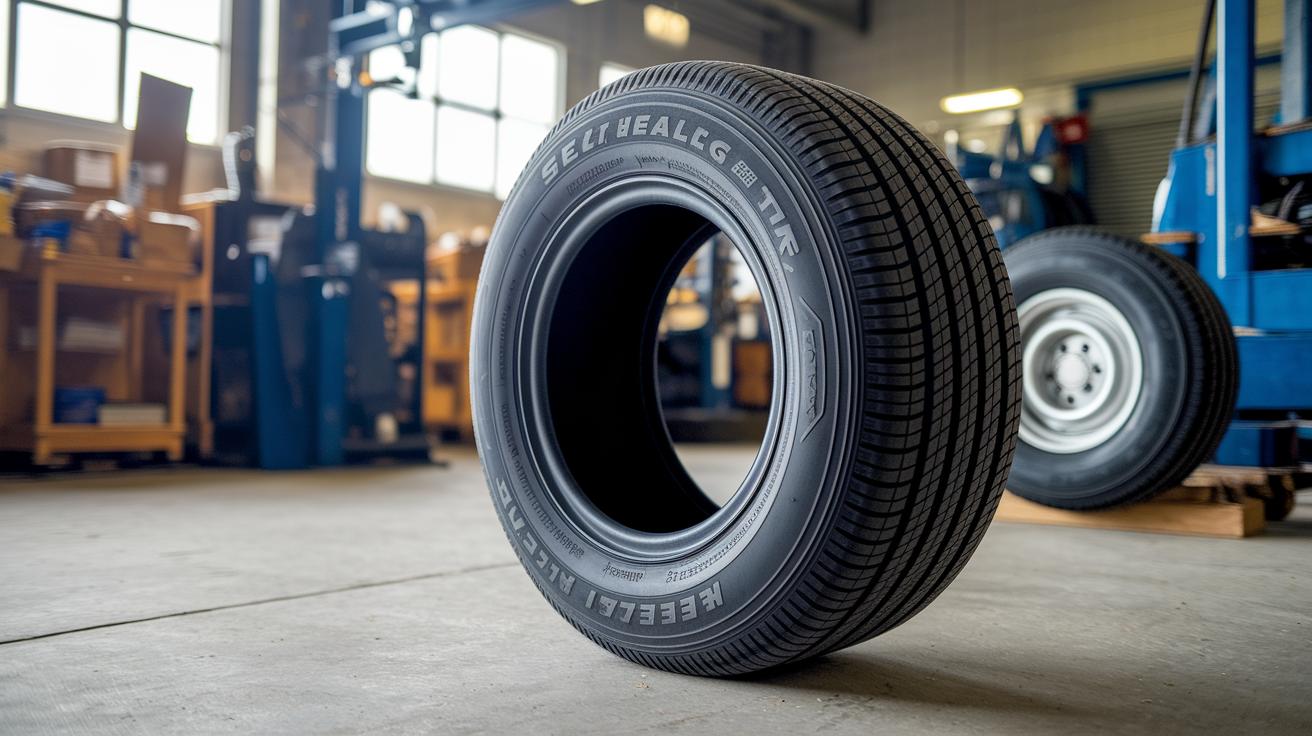
We’ve kept this part short by blending real-life performance details and brand info with our earlier chat in the Evolution From Self-Sealing To True Self-Healing Tire Technology section.
Let’s quickly look at the key tech that we mentioned before:
- Michelin SelfSeal uses a natural rubber sealant that fixes punctures up to 6 mm (so even a pretty big hole can be sealed for the life of your tire).
- Continental ContiSeal works with an inner sealant that fixes about 80% of punctures up to 5 mm.
- Goodyear DuraSeal uses a gel-like compound that can handle several punctures up to 5 mm.
- Pirelli Seal Inside adds a nylon layer over the sealant to reach an 85% seal rate.
- Hankook SEALGUARD, seen in models like the Ventus S1 Noble 2, offers strong and reliable performance.
It’s still a good idea to check your tires after a hard impact to make sure the self-healing features are working properly. For more technical details and the latest performance info, please head back to the Evolution From Self-Sealing To True Self-Healing Tire Technology section.
Technical Specifications And Performance Data For Self-Healing Tires

We've combined details about the tire’s physical traits, such as the thickness of the special polymer sealant (the layer that helps fix punctures) and how well it repairs itself, with other technical sections so everything is easier to follow.
We also moved information on how far you can drive after a puncture and the healing cycle for prototypes to other parts of the article. This keeps things short and clear without repeating the same info.
Future Trends And Automotive Industry Implications Of Self-Healing Tire Technology
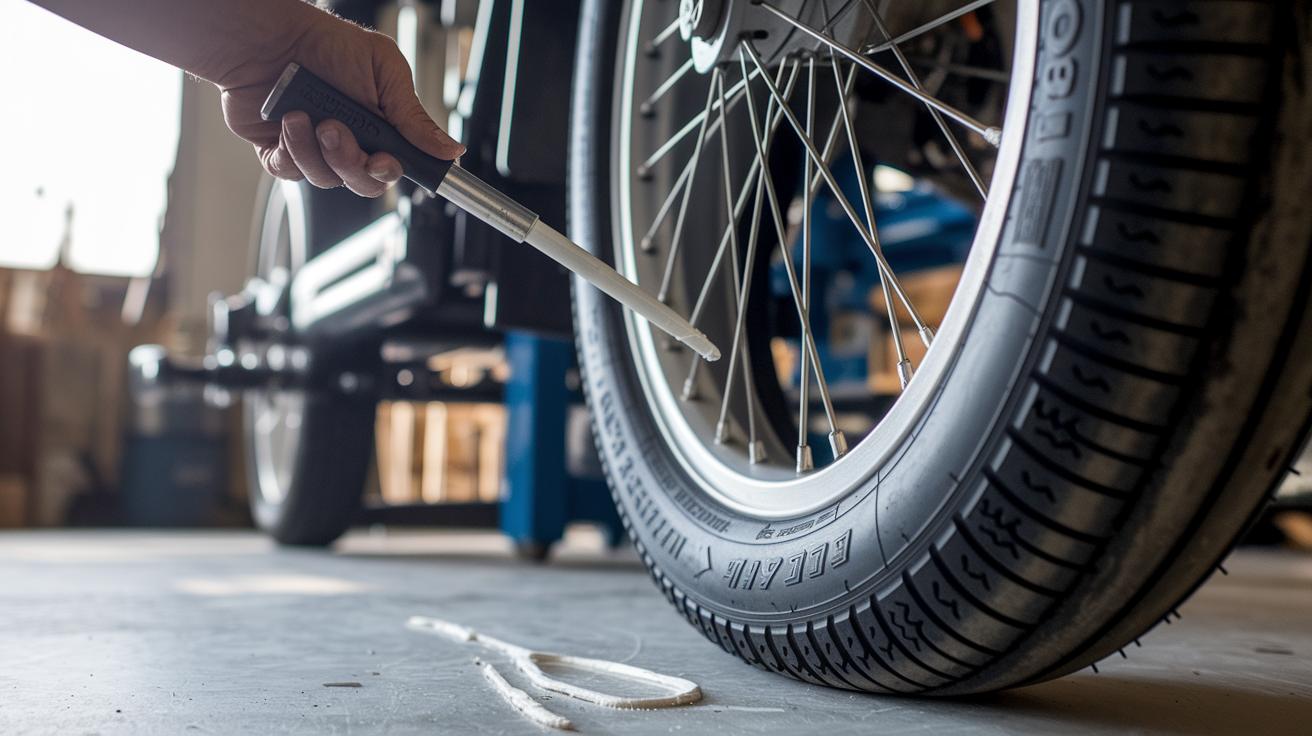
Experts are saying that self-healing tires might hit the market around 2030, with the first models showing up as early as 2025. Right now, tire makers are busy tweaking these tires so that they can work with onboard systems that check their condition and give you real-time feedback, almost like your car is whispering, "Time for a checkup!" and saving you from an unexpected roadside issue.
Imagine how much easier life could be when these self-healing tires take care of themselves. They could cut down on tire waste and spare you the hassle of roadside fixes. This smart technology lets tire materials be reclaimed or refreshed after they’ve been used. Picture this: you check your tire pressure and realize the tire is already handling its own wear and tear, sort of like having a mini repair shop built right into each tire.
Tire makers are also planning to team up with fleet services and even self-driving car companies. These partnerships could lead to systems that watch your tires constantly and automatically set up repairs when needed. In the end, mixing this new technology with smart services will help make cars safer and kinder to our environment, setting the stage for a smarter, greener future on the road.
Final Words
In the action, this post broke down how self-healing tire technology works through smart polymer lining and even experimental reversible bonds. It also outlined key materials and compared these properties with traditional tires, making it clear when maintaining tire longevity.
The post moved on to show how top brands are implementing smarter sealant solutions and explained technical specifications with real-world examples.
All these insights add up to building a safer driving experience with self-healing tire technology. Enjoy the road ahead with confidence.
FAQ
What is a self-healing tire?
The self-healing tire is engineered with a built-in polymer lining or reversible bonds that automatically seal small punctures, helping maintain tire pressure and reduce the need for immediate repairs.
How does self-sealing rubber work?
The self-sealing rubber works by instantly filling punctures with a thick, rubbery compound that bonds at the molecular level, preventing air loss and keeping your tire safely inflated.
Do self-sealing tires really work?
The self-sealing tires work by effectively closing punctures up to 5-6 mm in diameter, which means they can maintain pressure and offer a reliable drive until you get a proper service.
How long can you drive on self-sealing tires after a puncture?
The self-sealing tires allow you to drive a short distance, generally about 50 miles, giving you enough time to reach a repair shop without risking a sudden tire failure.
What is the difference between self-sealing tires and run flat tires?
The self-sealing tires automatically fill punctures with their sealant, while run flat tires have reinforced structures that let you continue driving despite a loss of pressure, though neither completely eliminate the need for repair.
Which brands offer self-sealing tire technology?
The self-sealing tire technology has been adopted by brands like Michelin, Continental, Goodyear, Pirelli, and Hankook, each offering systems designed to seal small punctures for safer driving.
What do reviews say about self-healing tire technology?
The self-healing tire technology reviews, including those shared on Reddit, generally praise these tires for sealing punctures promptly and maintaining performance, making them a practical choice for safer travels.

