


Ever wonder why truck drivers always mention tire balancing? It’s a real game changer.
When your semi’s tires are balanced, every wheel gets just the right amount of weight. This keeps your ride smooth and steady without any annoying shakes and helps avoid uneven tire wear (when one part of the tire wears down faster than the rest).
Plus, a balanced tire means less drag and better fuel efficiency. Imagine cruising down the road with the soft purr of your engine and the reliable grip of your tires on the asphalt.
It’s a simple check that can really boost performance for drivers and fleet operators alike.
Semi Truck Tire Balancing Brings Smooth Rides
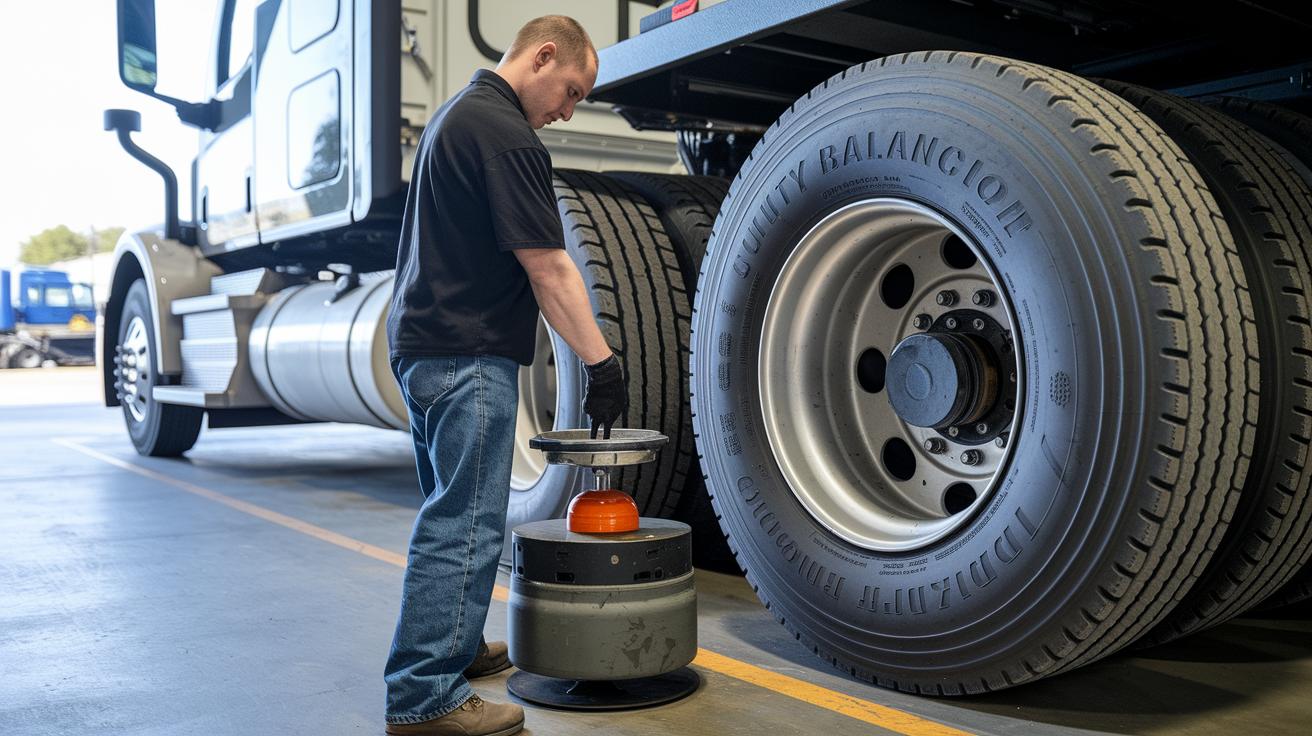
Semi truck tire balancing, or wheel balancing, makes sure your truck's tires carry weight evenly. This even spread stops wobbling and helps prevent uneven wear on the tires. Technicians use sturdy balancing tools and heavy-duty machines so every wheel works just right. When your wheels are well-balanced, you enjoy a softer ride, easier handling, and lower fuel and repair costs.
Fleet operators get great benefits from balancing. Imagine checking your truck's balance right after new tires are installed and noticing better fuel efficiency and a smoother drive. Did you know that a well-balanced tire can cut fuel use because there is less drag? It's this simple trick of spreading out tire weight that makes balancing so important.
Balancing isn’t needed all the time. Instead of unplanned stops, technicians schedule checks when trucks show signs of imbalance or after tires wear down a lot. This smart approach helps reduce downtime and cuts unnecessary service costs, keeping maintenance in line with what the truck actually needs.
Done right with precise, commercial equipment, balancing saves money over time. It's a smart investment, especially after new tires are mounted. The end result? A steady, reliable ride with fewer surprise repairs and tires that last longer.
Recognizing Unbalanced Tires on Semi Trucks

When your semi truck’s tires aren’t balanced, you might notice some clear signs on the road. One big clue is that your steering wheel starts to vibrate when you hit around 55 mph. That shake is a hint that the tire isn’t handling its weight evenly. This can happen because of issues like poor precision bead distribution (that means the little weights on your tire aren’t spread out correctly to balance it) or unsteady dynamic load management (in other words, the tire isn’t adjusting to the load as your truck moves).
Here are some common signs to watch for:
- A vibrating steering wheel at higher speeds
- Uneven tread wear on the tires (the part that touches the road)
- Extra stress on your truck’s suspension system (the part that helps keep your ride smooth)
- Lower fuel economy during long trips
- Safety risks that might affect how you control your truck
Imagine cruising down the highway when you suddenly feel a steady tremor through your steering wheel. It’s like your truck is quietly telling you to check the tires. An imbalance like this not only wears out your tires faster but also puts extra strain on other parts of your truck. Over time, what starts as a small issue could turn into bigger, costlier repairs. Keeping an eye on these signs means you can catch problems early and enjoy a smoother, safer ride.
Essential Equipment and Technology for Balancing Semi Truck Tires

Dynamic wheel balancers are the main tool for getting semi truck tires balanced. They spin the tire to spot where the weight isn’t even, showing technicians exactly where extra beads (small weights used to balance tires) might be needed. It’s a bit like watching the machine light up to point out the problem areas.
On-site mobile balancing units give fleet owners the freedom to fix tire issues without coming into a shop. They work much like the big machines, but are built tough enough to handle life on the road. One operator even said it’s like having a friendly mechanic riding along in your cab, ready to smooth out any wobbles before they turn into bigger issues.
Today’s tools include digital bead calculators that show exactly where to add beads for the best tire balance. These smart devices use specialized bead technology (beads designed to support heavy loads) to fine-tune each tire without any guesswork. A technician once compared it to having a map that guides you to a smoother ride.
Modern bead calibration systems are built right into many balancers, so the measurements happen automatically. With top-notch diagnostic sensors giving real-time feedback, each tire gets just the right touch-up for a safer and smoother trip. These high-tech gadgets help keep heavy trucks running reliably every day.
Step-by-Step Semi Truck Tire Balancing Procedure
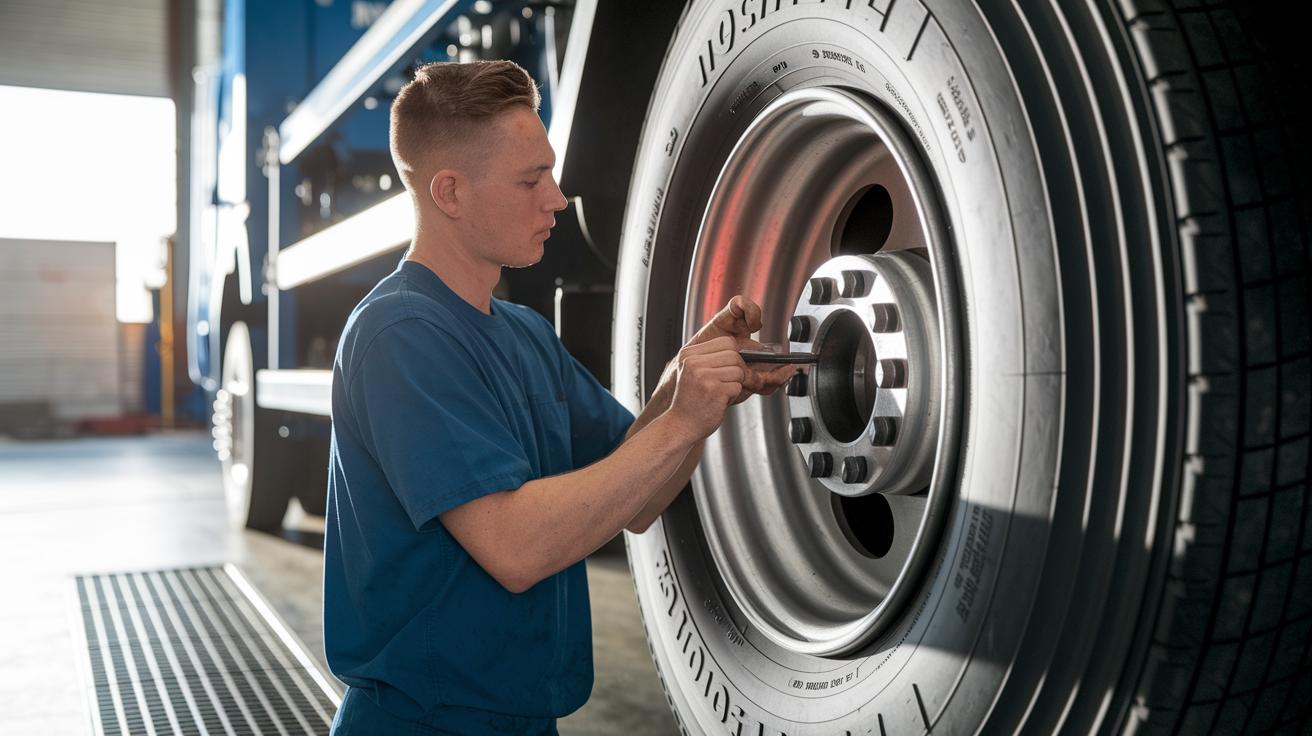
Start with a quick look at the tire and make a note of its details. This step helps you spot any damage or odd marks before anything else.
Next, mount the wheel on a balancing machine and give it its first spin. That quick run sets a baseline, showing you how off-kilter the tire might be.
Then, choose the right beads (little weights that help balance the tire) based on the truck's load rating. Picking the correct beads makes sure the tire can handle heavy loads safely.
After that, fine-tune the machine with digital calibration. This step checks that the device is measuring differences accurately.
Now, apply the beads carefully, almost like adding just the right amount of seasoning to a meal. Spread them evenly for the best results.
Then, run an analysis that simulates real road conditions. This helps you see if the tire behaves as expected and points out any adjustments needed during the test.
Based on what you see, adjust the weights or bead amounts so the tire rides smoothly and safely.
Finally, take the truck out for a highway drive. This real-world test confirms that the tire meets all safety and comfort standards.
By following these steps, you ensure every tire gets the careful attention it needs, making the process clear and effective for anyone working on truck tires.
Cost Analysis and Selecting Semi Truck Tire Balancing Services
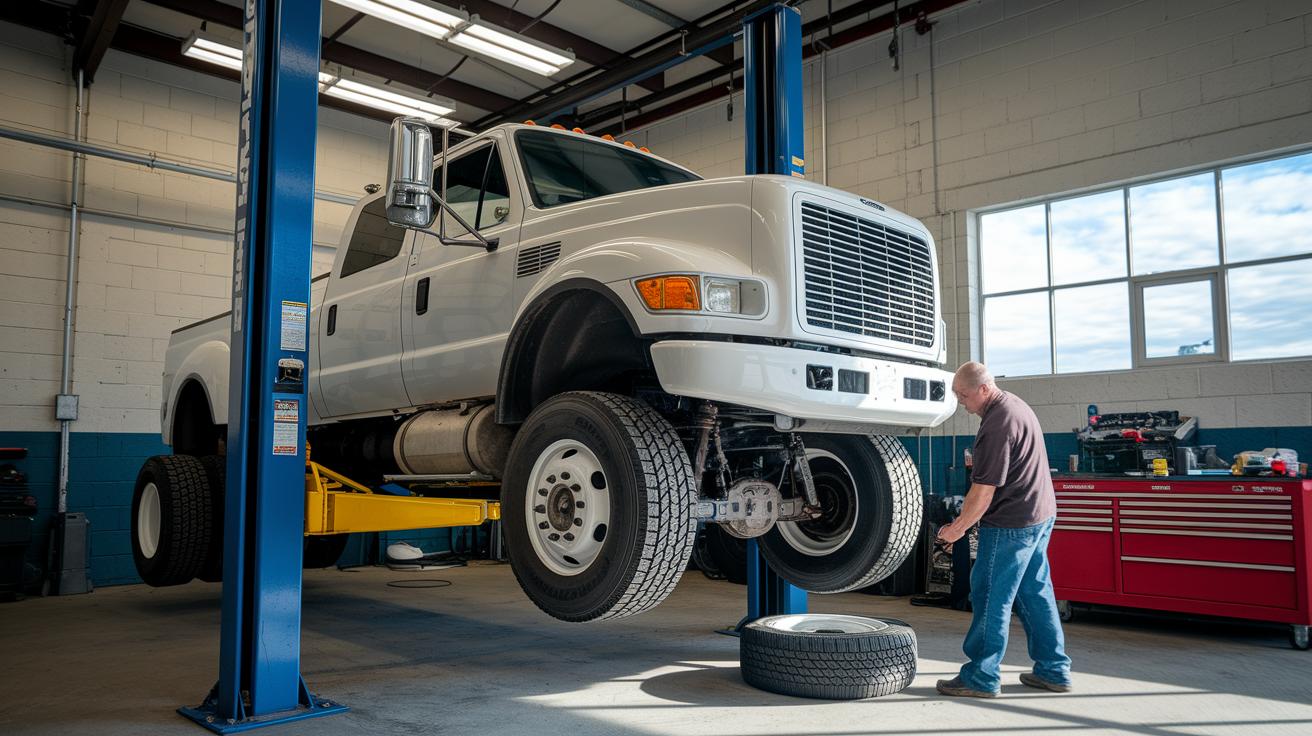
When you're looking into your options, it's good to compare both the price and how long your truck will be out of commission. In a shop, balancing your tires usually costs about $50 to $150 per tire. You also pay labor rates that range from $80 to $120 per hour, and bead material (the stuff that helps the tire seal with the rim) costs around $5 to $15 per tire. This approach can take roughly four hours for each truck setup.
Now, if you opt for on-site balancing, you'll see an extra travel fee of about $75 to $125. The neat part is that this method can save you between 2 and 4 hours of downtime. That means your trucks can hit the road again much quicker.
Ratings from service centers matter a lot too. Places rated between 4.2 and 4.8 out of 5 are usually reliable and keep your tires in top shape. Some fleet operators even pick providers that offer a full package of fleet services, which simplifies maintenance and cuts down delays even more.
It’s always a good idea to ask for a clear breakdown of what you’re paying for. One technician mentioned, "I compared in-shop balancing with our mobile service, and the quicker turnaround really helped us reduce idle hours, getting our trucks back on the road faster."
| Service Type | Cost Range | Average Downtime |
|---|---|---|
| In-Shop Balancing | $50–$150 | Approx. 4 hours |
| Mobile On-Site Balancing | $125–$275 | 2–4 hours |
| Integrated Fleet Service | Variable | Minimized downtime |
For more provider options, take a look at tire balancing services.
Best Practices and Maintenance Scheduling for Long-Term Tire Balance

When you install new tires on your semi truck, be sure to balance them right away and then check again every 10,000 miles or after a heavy load. It’s like giving your truck a quick tune-up to keep it running smooth. Pair this tire balancing with your regular checks for alignment and rotation, and you’re well on your way to a safe ride.
It’s smart to keep an eye on how your truck feels on the road. Notice if there’s any slight shaking (vibration amplitude, which is a light tremor when a wheel isn’t balanced) or if you spot uneven wear on your tires. These are your truck’s way of giving you a heads-up that it might be time for a rebalance.
Some repair shops even set up automatic software reminders. These tools make it easy to follow guidelines, like those from FMCSA, while keeping your truck in tip-top shape according to your own safety measures.
Here are a few simple tips to remember:
| Tip | Description |
|---|---|
| Initial and Regular Balancing | Balance tires at installation and after every 10,000 miles or heavy load |
| Combined Maintenance | Link tire balancing with alignment and rotation schedules |
| Automated Reminders | Use software reminders to keep track of performance metrics |
Following these easy steps will help keep your fleet safe and deliver that steady, smooth ride every time.
Final Words
In the action, we broke down the basics of semi truck tire balancing, showing how it improves tire life and ride quality. We covered how to spot unbalanced tires, looked at the tools behind effective balancing, and provided a clear, numbered process for technicians. We also discussed cost differences and maintenance tips that help keep tires in tip-top shape. When you choose semi truck tire balancing, you're setting the stage for a smoother, safer drive. Keep your wheels well-balanced and ride on confidently.
FAQ
Semi truck tire balancing near me
The inquiry about semi truck tire balancing near me points to local service centers that use advanced equipment to balance truck tires, ensuring smoother rides and extended tire life.
Semi truck tire balancing cost
The inquiry about semi truck tire balancing cost reveals that prices typically range from $50 to $150 per tire, with mobile services adding extra fees based on travel and labor rates.
Semi truck tire balancing kit
The inquiry about semi truck tire balancing kit refers to a set of tools and beads used to align and balance tires, helping improve ride comfort and prolong tire longevity.
Best semi truck tire balancing
The inquiry about the best semi truck tire balancing recommends using advanced machinery with digital bead calculators and calibrated bead technology to boost fuel efficiency and ride quality.
EQUAL tire balance chart
The inquiry about the EQUAL tire balance chart points to a guide listing recommended bead settings for proper tire balance, aiding technicians in achieving optimal weight distribution.
Semi truck balance beads
The inquiry about semi truck balance beads refers to specially designed small weights that offset heavy spots on tires, improving vehicle stability and overall tire performance.
EQUAL tire balance bags
The inquiry about EQUAL tire balance bags indicates they contain calibrated beads that help spread weight evenly, simplifying the balancing process and enhancing tire performance.
Tire balancing beads
The inquiry about tire balancing beads highlights that these small materials adjust weight distribution in a tire, leading to a smoother ride and reduced tire wear over time.
Do semi truck tires need to be balanced?
The inquiry about balancing semi truck tires confirms that balancing is needed to enhance ride quality, safety, and fuel efficiency, making it a beneficial maintenance step.
What is the best way to balance truck tires?
The inquiry about the best way to balance truck tires suggests using advanced, calibrated wheel-balancing machines and beads to achieve precise weight distribution and improved handling.
How often should you balance truck tires?
The inquiry about balancing truck tires recommends performing the service at installation, every 10,000 miles, or after major load changes to maintain peak performance.
What are the symptoms of an out of balance tire?
The inquiry about symptoms of an out-of-balance tire highlights signs like vibration at higher speeds, uneven tread wear, and added suspension stress, indicating a need for balancing.

