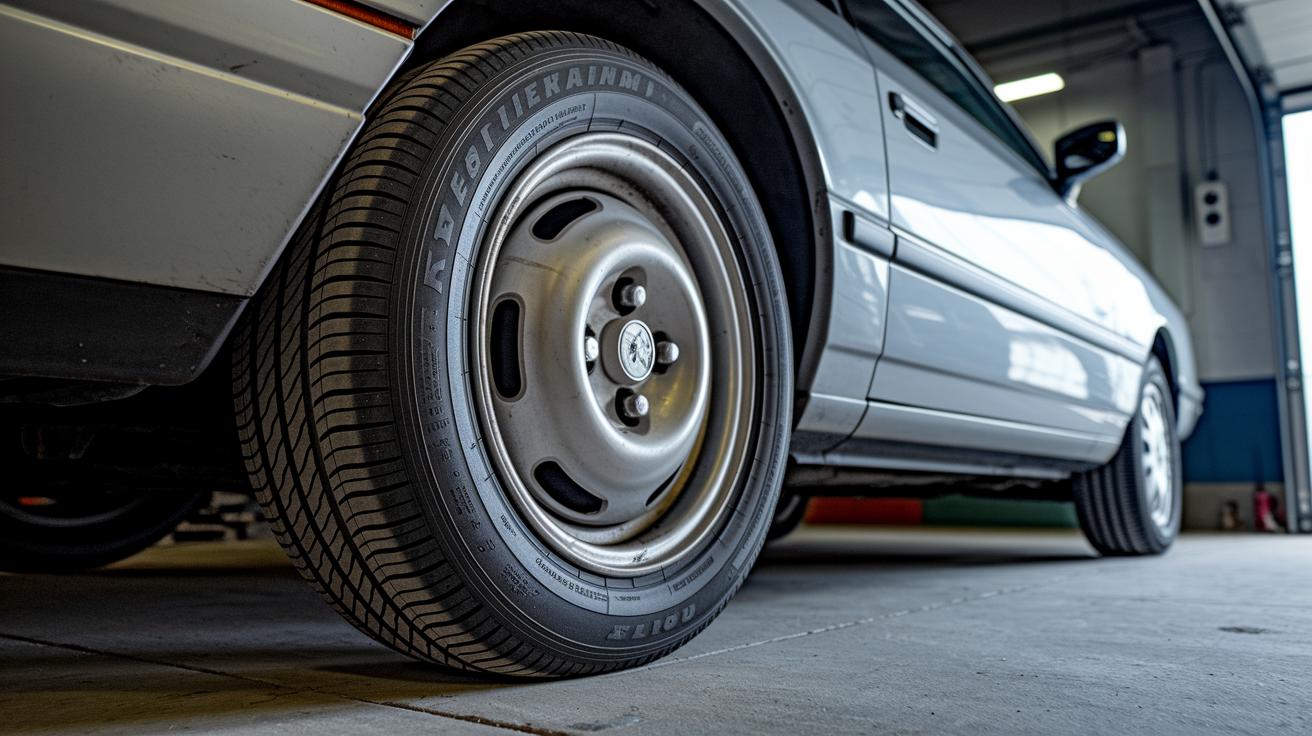


Ever felt a sudden shake or heard an odd noise while driving that made you wonder if something was off? It might be a tire that isn’t mounted correctly. When a tire doesn’t sit snugly on the wheel, it can cause vibrations, a humming sound, or uneven wear (that means the tire’s surface wears out faster in some spots).
Catching these early clues can save you a lot of hassle and extra repair bills later on. In this post, we’ll look at the clear signs of a bad tire mount and share some simple ways to fix it.
Quick Warning Signs of a Poorly Mounted Tire

Catching early signs of a tire mounting issue can keep you safe and help you dodge pricey repairs. If your tire isn’t mounted correctly, it might change how your car drives or even use more gas than normal. Spotting these hints early is like catching a little hiccup before it turns into a big headache.
When your tire’s behavior starts to change, it’s a friendly nudge that something might be off. Paying attention to vibrations, sounds, or even visible changes can help you fix things before they blow up into more serious problems.
- Excessive vibration or wobble felt through the steering wheel or seat
- Uneven tread wear (that’s when the tire’s surface erodes faster on one side)
- Gradual air loss from a weak bead-to-rim seal (the tight fit between the tire and the wheel)
- Unusual humming or rubbing noises at certain speeds
- Visible gaps between the tire bead and the rim lip
- Small bulges or blisters on the sidewall near the rim
If you notice any of these signs, it’s a good idea to check them out right away. Extra shaking or odd sounds while driving could mean that your tire isn’t secured properly. Addressing these issues early can help stop further damage to both your tire and your car, keeping your ride smooth and safe.
Vibration and Wobble: Detecting Off-Center Mounting

If a tire isn’t mounted right on the rim, you might feel a steady vibration in your steering wheel, especially when you hit speeds over 30 mph. This happens because the tire isn’t sitting squarely, causing it to roll unevenly and turn even small bumps into noticeable shakes. You might even notice a strange rubbing or a constant thumping sound as the wheel spins off-balance. Not only does this make your ride less comfortable, but it can also cause your suspension parts (the parts that help smooth out your ride) to wear out faster.
When you’re driving, these signs become clear. Picture yourself cruising down the highway and suddenly feeling a persistent shake that gets stronger the faster you go, or hearing a humming noise that just won’t quit. These hints mean the tire isn’t seated properly on the rim, which makes every little road imperfection feel more noticeable. Keeping an ear out for these sounds and a feel for these vibrations can help you catch the problem early before it causes more serious damage.
Recognizing Uneven Wear Patterns on Misaligned Tires

When your tires show uneven wear, it’s a sign that their mounting might be a bit off. If a tire isn’t seated correctly, you might notice problems like toe-in or toe-out misalignment (where the tire angles too far in or out) or even camber issues (when the tire leans too far inward or outward). Think of these wear patterns as a report card, clearly showing where things aren’t balanced.
For example, toe-in or toe-out misalignment often creates feathered edges along the tread ribs. This means one edge wears down faster than the other. If it’s a camber issue, you’ll see the wear concentrated on either the inner or outer edge, sometimes showing up after just 1,000 miles. Then there’s cupping, those scalloped dips around the tire’s edge signal that the tire isn’t touching the road evenly. Even a simple penny test, where you look at how Lincoln’s head tilts, can reveal rapid wear on one side, hinting that the tire isn’t mounted uniformly.
It really pays off to inspect your tires regularly. Checking them every 1,000 miles or at your routine service stops can help you spot these wear signs early. Catching things like feathered edges or cupping soon means you can fix the mounting issues before they turn into larger safety concerns.
Air Loss Alerts in Poorly Mounted Tires

When the weather cools down, your tire can lose air more quickly than you’d expect. A drop of as little as 10°F can suck out about 1 psi (pounds per square inch, a measure of pressure) in a tire that isn’t sealed properly. If the rim beads are worn out, corroded or damaged, the tire doesn’t grip the rim as it should. This loose fit lets air seep out little by little, lowering the pressure over time. And if the valve stem isn’t straight or tightened just right, you might lose air as soon as you fill up the tire.
A simple tip is to use a good quality tire pressure gauge to keep an eye on things. If you see pressure changes that don’t match the temperature drop, it might be a sign that the tire isn’t sitting securely on the rim. Checking these details early helps keep your tires wearing evenly and minimizes safety risks on the road.
Sidewall Damage and Imperfect Bead Seating Symptoms
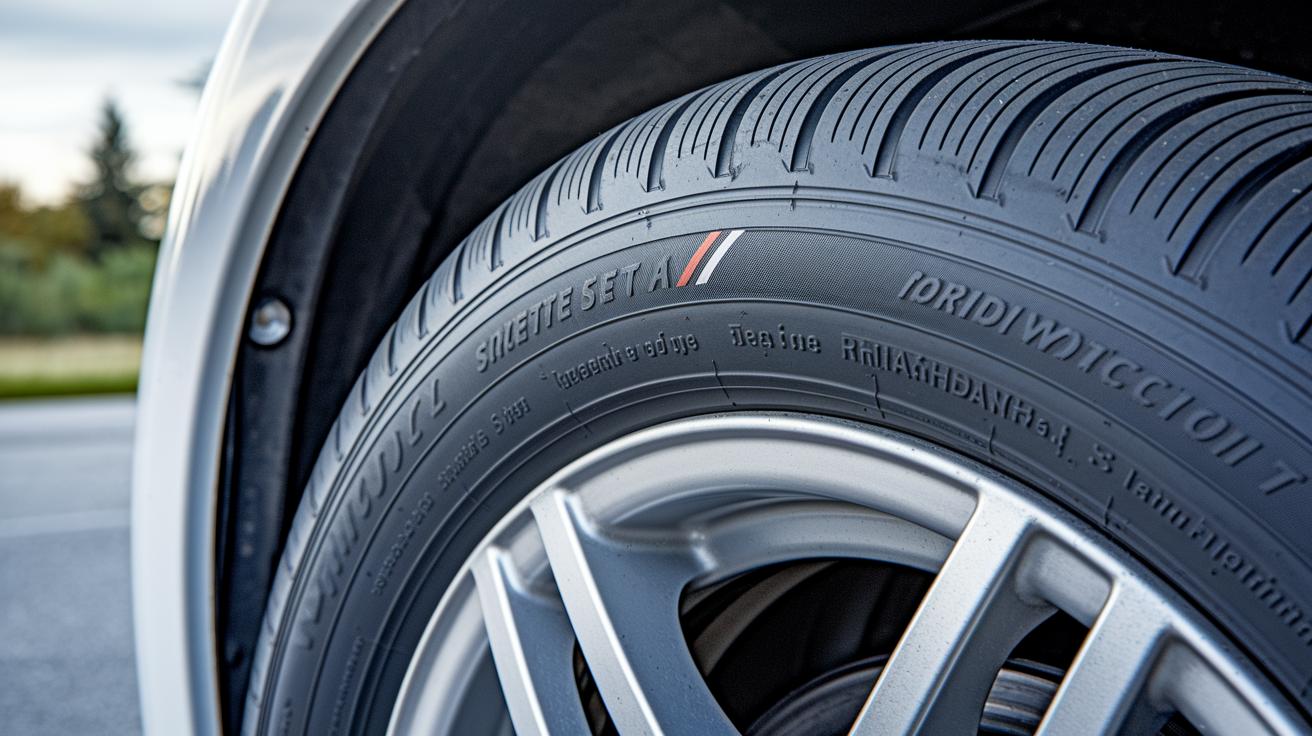
Ever spot small cracks near your tire’s edge? When a tire isn’t clamped evenly, that is, when the bead (the part of the tire that touches the rim) isn’t seated right, tiny cracks can appear in just a few weeks. Sometimes the inner cords (the strong fibers giving the tire support) begin to separate, showing up as little gaps or early blisters right above the rim. It’s like seeing a tiny crack that hints something’s off with how the tire sits on the wheel.
Also, you might notice the tire’s side starting to change shape. If your tire repeatedly hits a one-inch curb with a loose seat, it could develop bulges or buckles. This is a sign the material is getting fatigued (worn out) and could fail suddenly. Even small shape changes are a clear signal to have your tire inspected quickly.
Fixing a Poorly Mounted Tire: Step-by-Step Procedures

Before you get started, make sure you have all your tools ready: a bead breaker (that helps release the tire from the rim), a wire brush or rim cleaner, mounting lube, a torque wrench (to tighten bolts to the right force), a dynamic balancer (a machine that checks for tiny imbalances) and a tire pressure gauge. For a more detailed guide, check out the full tire installation steps at tityres.com?p=1447. Using the right equipment makes the whole process smoother and helps avoid repeating the problem later.
- Start by gently breaking the bead along the tire’s edge. Then, clean the rim thoroughly with a wire brush to remove any old, sticky sealant.
- Next, spread a good amount of mounting lube around the rim. This helps the tire slide on evenly without harming its cords.
- Carefully set the tire on the rim, making sure the bead lines up as it begins to seat.
- Put the wheel on the hub and tighten the lug nuts in a crisscross pattern. Use your torque wrench set to the manufacturer's specs (usually around 80–100 ft-lbs in a 60° pattern). For more tips and to dodge common mistakes, visit tityres.com?p=1696.
- Inflate the tire to the recommended cold pressure while it’s still partly mounted. This helps the tire settle well against the rim.
- After mounting, take the wheel off and use a dynamic balancer to re-balance it, ensuring even precision down to a 1-gram difference.
- Check to make sure any off-center reading is below 0.02 inches. This confirms that the tire is mounted evenly.
- Finally, spray soapy water along the bead. If bubbles appear, they show spots where the seal might not be perfect.
Once everything’s set, take your newly mounted tire for a quick road test. A smooth, vibration-free ride with no weird noises means you’ve done a great job verifying your repair.
Preventive Maintenance to Avoid Poorly Mounted Tires

Regular checks and a bit of routine care can make a huge difference in keeping your tires firmly in place. It’s like giving your tires a little tune-up before a long road trip. When you spend a few minutes checking your tires, you’re setting yourself up for a safer, smoother ride.
Checking your tires often helps you spot small issues before they turn into big, annoying surprises. I mean, who wants to deal with unexpected problems on the road, right? A few simple steps can save you time, money, and a lot of headaches.
Here are some friendly reminders to keep your tires happy and secure:
- Rotate your tires every 5,000 to 7,500 miles to catch early signs of uneven wear (that’s when the tire surface wears out faster on one side than the other).
- After any tire service, check the bead seating (the tire’s edge that fits into the wheel) and torque (tightness of the bolts) within the first 50 miles to make sure everything’s snug.
- Take a quick look at your rims for any rust or small dents before re-mounting, so you reduce the risk of air leaks.
- Use a high-quality mounting lube – a special gel that minimizes friction and protects the tire’s bead during installation.
- Let everyone who drives your car know to watch out for new vibrations or sudden tire pressure loss, as these might be signs of a tire mounting issue.
- Keep a record of every routine check so you can spot any recurring problems early on.
Sticking with these simple tips means you’re less likely to face issues with poorly mounted tires. Setting up regular reminders to inspect your tires gives you peace of mind and a bit more freedom on every journey. It’s one less worry to deal with as you enjoy the open road.
Final Words
In the action, the post lays out how to recognize signs of a poorly mounted tire and how to fix them. It covers issues like rough vibrations, uneven tread wear, slow air loss, and sidewall damage. We also shared clear repair steps and routine maintenance tips to help keep your tires secure. Each part of the guide aims to simplify tire checks, making it easy to spot problems early. Stay confident on the road knowing these solid tips put safety and performance first.
FAQ
What are the signs of a bad tire while driving?
The signs of a bad tire while driving include noticeable vibration, pulling, uneven tread wear, or strange noises. These cues can signal that your tire is losing its grip and may soon need attention.
What are common tire damage types including sidewall issues, dents from curbs, and delamination causes?
Common tire damage types include punctures, cuts, and sidewall problems like bulges or blisters. A dent from hitting a curb and tire delamination, where layers start to separate, are serious warning signs.
What signs indicate that the front tires might be bad while driving?
The signs of bad front tires show up as shaking through the steering wheel, uneven tread wear on the front, or pulling when braking. Such feedback signals that your front tires might need a closer look.
What do tire damage and tire sidewall damage charts show?
The tire damage charts illustrate various wear and damage patterns such as sidewall cracks, bulges, or uneven tread wear. They help you quickly assess the severity of these issues to decide on repair or replacement.
Can tires be mounted incorrectly, and how does it affect performance?
Tires can be mounted incorrectly, leading to vibration, uneven wear, and poor handling. When the bead-to-rim seal is off, you may also face gradual air loss and compromised safety on the road.
What is the 3% rule for tires?
The 3% rule for tires means that if a tire shows 3% more wear than expected, it may need to be replaced. This guideline acts as a quick check to keep your tires performing safely.
How does a misaligned tire feel while driving?
A misaligned tire feels off by causing shaking, wobbling, or pulling to one side. You might also notice uneven tread wear, which means the tire isn’t meeting the road properly.
How much does it cost to fix a tilted tire?
Fixing a tilted tire typically involves alignment services or adjustments, which can vary by service center. The cost generally covers labor and equipment checks rather than the tire itself.

