


Have you ever wondered if your tires could actually talk? With smart tire connectivity, they almost do. Inside each tire, tiny sensors keep track of things like tire pressure, temperature, and how fast the tire’s surface wears away (that means the outer layer is getting thin).
It’s a bit like having a friend who always watches out for you on the road, letting you know when something might need attention before it becomes a big problem. This technology not only makes your car safer but also gives you that extra peace of mind, ensuring a smooth and secure drive every time.
Smart Tire Connectivity: Enabling Real-Time Monitoring in Modern Vehicles
Smart tire connectivity uses little sensors and chips to collect real-time data straight from your tire. Manufacturers design these systems to watch over tire pressure, temperature, load, grip on the road (how well the tire holds onto the surface), and tread depth (how worn the tire is). It’s a bit like checking your fuel gauge before a long trip, ensuring you have all the details you need to keep your ride in tip-top shape.
The car world is changing fast. In 2024, about 17 million electric vehicles were on the road, which is nearly 20% of all new cars. Experts say that by 2030, roughly 95% of new cars will be digitally connected. As more cars run on electricity, they bring new needs. For example, electric vehicles often carry heavy battery packs and deliver power instantly, which can wear out tires 20–30% faster than regular ones. Smart tire connectivity jumps in by offering nonstop updates on tire health, making it easier to handle these extra challenges and help your tires last longer.
Sensors can quickly spot even a small drop in pressure or a bit of extra heat, sending alerts straight to your car’s control system. This steady stream of information connects with other safety features like anti-lock brakes and stability control, adjusting how your car performs for a safer ride. It’s like having a friendly mechanic keeping an eye on your tires, ready to warn you about any issues before they turn into real problems.
Tire Sensor Integration and Key Data Metrics in Smart Tire Connectivity
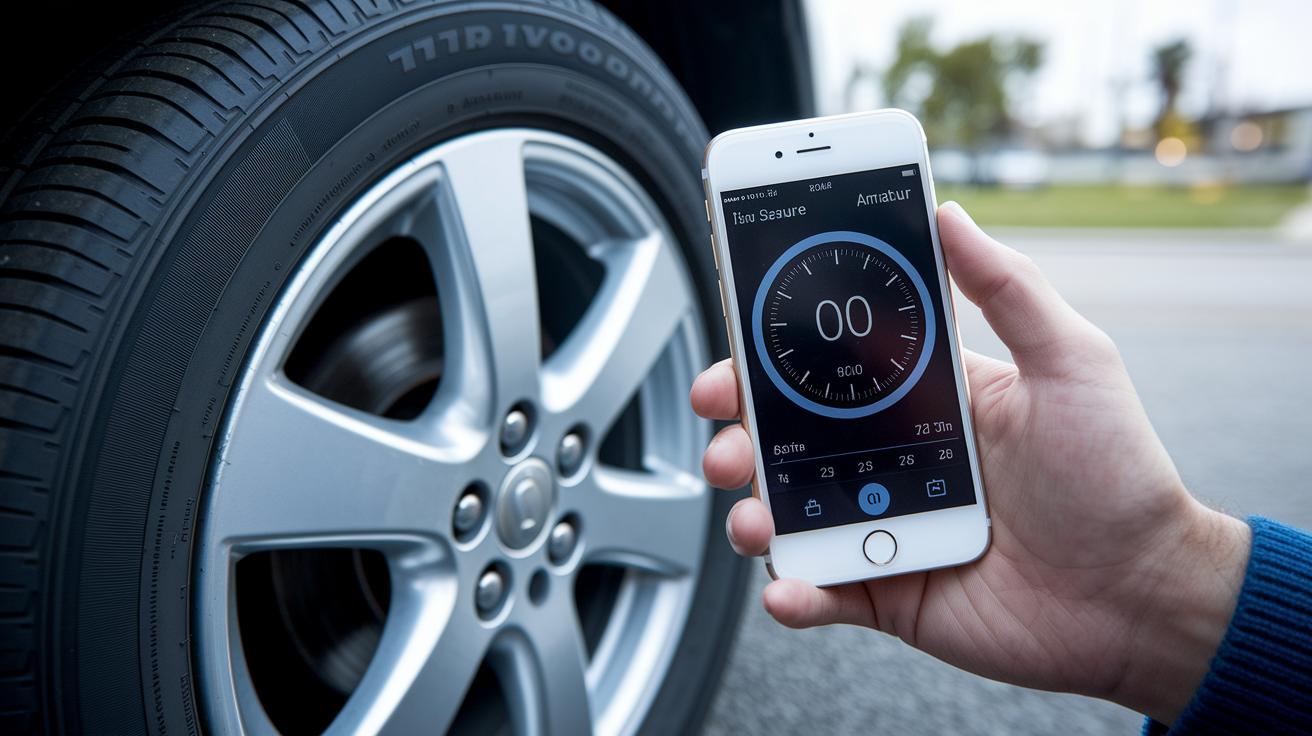
Smart tire sensors aren’t just about basic numbers anymore. They now use live data and smart analysis to spot potential tire problems before they become a real headache. They catch tiny changes like a small drop in pressure or a slight rise in temperature, giving you a chance to fix things before they move from minor to major.
These sensors track five main details:
- Pressure – They keep an eye on your tire’s air level, looking for slow leaks by checking trends. Fun fact: some sensors can pick up a little drop in pressure that might mean a small puncture is starting.
- Temperature – They measure how much heat builds up in your tire. When this is compared with how hard the tire is working, it can signal unusual friction or faster wear.
- Load – They check how the weight in your tire moves around, which can affect your car’s stability, especially when you’re taking turns or braking suddenly.
- Tread Depth – Advanced sensors read how worn the tire’s surface is over different areas. This helps you know when it’s time for a new set of tires.
- Grip – They look at how well your tire touches the road, which helps adjust traction control for smoother handling on wet or slick surfaces.
By watching pressure and temperature changes, the system can tweak itself before tire wear becomes serious. And by keeping tabs on load and tread depth, it helps schedule smarter maintenance, even when you’re driving hard. Grip data, on the other hand, feeds into systems that keep your ride steady on tricky roads.
Predictive Tire Maintenance and Performance Analytics via Smart Tire Connectivity
Smart tire connectivity uses little sensors that keep an eye on things like wear (how fast the tire’s surface wears down), tear, and pressure changes. This info flows in real time, giving drivers a friendly heads-up about potential problems before they get serious. Ever notice when a tire suddenly loses pressure or heats up unexpectedly? The sensor catches that and sends an alert, so you can take care of it before a small issue turns into a big one.
The process is pretty simple and effective. First, your tire’s sensor data is always sent to the car’s central system. Then, smart programs study this data to predict how long your tire will last and signal when a part might need replacing. For fleets, this means managers can check on the health of many vehicles at once with remote diagnostics. Fleet operators can easily spot trends and plan maintenance without pulling every vehicle off the road. If you’re curious, checking out the benefits of smart tires for fleet management shows just how much money you can save with this smart approach.
By doing maintenance right when it’s needed, these predictive checks not only help your tires last longer but also keep you safer and your ride running smoothly. With less downtime and lower repair costs, every alert and scheduled service is a proactive step toward keeping your vehicle at its best and avoiding unexpected failures.
Safety and Energy Efficiency Enhancements from Smart Tire Connectivity

Smart tire connectivity is a game changer for keeping your ride safe and cutting energy use. It links tire sensors with systems like anti-lock braking, stability controls, and even route planning. So, if a sensor notices your tire pressure dropping or a rise in temperature, your car reacts right away to keep you safe and comfortable.
These sensors also help your tires grip the road better and roll more smoothly (rolling resistance is just the force that slows them down). When tires work better, your car uses less energy. This is super important for electric vehicles, where tires can wear out 20% to 30% faster because of heavy battery packs and instant torque. Tire models like the Bridgestone Turanza EV and certain Michelin versions with a silica mix show that smart tires can be both tougher and more energy-efficient.
In fleet management, advanced diagnostics send tire data to a central system in real-time. This means you get instant alerts for issues like tire wear or low pressure, so repairs or replacements can happen before the problem becomes dangerous. With these smart links, fleet managers can reduce downtime and lower repair costs while keeping every vehicle safe.
For more info on energy efficiency improvements, check out the article “Advances in Tire Energy Efficiency Technologies” at https://tityres.com?p=2230.
Challenges of Implementing Smart Tire Connectivity and IoT in Modern Vehicles
One big bump in the road is the high price of the advanced sensors and extra hardware. Imagine paying almost as much for these sensors as for a new set of tires. It makes a lot of car makers and fleet managers pause before taking the leap.
Another tricky part is the steep learning curve. Drivers and fleet managers not only have to get these sensors set up, but they also need to know how to read the data and fix small issues on the fly. It's a bit like trying to learn a new dance move, it takes time and practice to get it just right.
Security is also a real head-scratcher here. Sending tire data over the internet can open the door for cyber risks. Strong cybersecurity (that is, digital locks to keep hackers out) is a must, or even the best system can end up being a weak link.
Plus, smart vehicles need quick and steady networks. Think of it like needing a clear radio signal on a long drive. Until the networks and road infrastructure get a good upgrade, the full power of smart tire connectivity might stay just out of reach.
- High upfront costs
- A steep learning curve
- Cybersecurity worries
- Networking and infrastructure upgrades
- Problems with sensor parts working well together
Each of these points brings its own set of challenges for anyone using modern vehicle technology.
Industry Leaders in Smart Tire Connectivity and IoT: Case Studies

When you look at the folks behind smart tire tech, you see a mix of well-known names and fresh ideas. These companies are putting smart sensors and internet connections into tires so you can keep an eye on how they’re doing. Take Michelin, for example. They’ve been ahead of the curve by using RFID tags (little chips that send updates on tire condition) right in their tires. And then there’s Goodyear with its SightLine system, which works like a digital mechanic to check your tire health. Bridgestone is also in the race with Webfleet Monitoring, a tool that lets fleet managers watch tire performance as it happens.
Continental has come up with ideas like ContiSense and ContiAdapt, where sensors can read the road and even adjust the way your car handles without you noticing much. Meanwhile, Pirelli’s Cyber Tire, built with help from Bosch, talks to your vehicle to enhance safety and performance. Other models, such as Bridgestone Potenza SportTech, Michelin Pilot Sport Connected, Hankook Smart+ iON, and Nokian Intuition EV, show that smart tire connectivity isn’t just a nice extra, it’s quickly becoming a must-have part of today’s connected cars.
Below is a comparison chart showing different tire models and how they mix in smart sensors and cloud-connected features:
| Tire Model | Manufacturer | Key IoT Feature |
|---|---|---|
| Pilot Sport Connected | Michelin | RFID tags that share real-time info |
| SightLine | Goodyear | Sensors that predict when maintenance is needed |
| Webfleet Monitoring | Bridgestone | Live tracking of tire performance |
| ContiSense | Continental | Sensors that keep an eye on road conditions |
| Cyber Tire | Pirelli | Smart connection via a close Bosch partnership |
| Smart+ iON | Hankook | Sensors that lower rolling resistance for better fuel efficiency |
| Intuition EV | Nokian | Machine learning used to adjust grip as needed |
Each example here shows how adding smart systems in tires can boost both safety and performance. Ever notice how a well-maintained tire can give you extra peace of mind on a long drive?
Emerging Trends and Future Outlook for Smart Tire Connectivity and IoT
By 2030, almost every new car will be connected, proving that car IoT innovations are moving at lightning speed. Imagine your car's tire sensors chatting with the onboard system and even with nearby vehicles and traffic lights. This wave of smart mobility is making digital tech a key player in how vehicles perform.
Advances in self-driving tech are fueling these changes, with smart tire connectivity proving essential. Thanks to edge computing (processing data directly inside the vehicle), your tires can quickly analyze their own condition. Picture a tire that checks its wear and tells you when it needs a little TLC. This AI-powered system is set to make tire checks part of everyday life. Manufacturers are even testing tire tracking systems that adjust to road conditions, which not only boost safety but also cut down on energy use by fine-tuning performance on the go.
Key trends driving the future include:
| Trend | Description |
|---|---|
| Autonomous Driving Integration | Linking tire performance with self-driving systems |
| Edge Computing | Fast sensor data processing right in your car |
| AI Tire Analysis | Monitoring tire health and predicting maintenance |
| Dynamic Tire Tracking | Adjusting tires to match current road and traffic conditions |
As production ramps up, the cost for these smart systems will drop, making them easier to access. This growing network of smart tire technology is paving the way for fully connected vehicles, where every tire plays a part in making your drive smoother, smarter, and safer.
Final Words
In the action, we explored how smart tire connectivity is changing the way we keep our vehicles safe and efficient. The blog shared insights on real-time data, sensor arrays, and predictive maintenance.
We also looked at safety improvements, cost challenges, and inspiring case studies from top brands. All this shows that smart tire connectivity and iot in modern vehicles are paving the way for safer and more reliable rides. Keep the optimism and drive on with confidence.
FAQ
What is smart tire connectivity in modern vehicles?
Smart tire connectivity uses sensors and chips to track tire pressure, temperature, load, tread depth, and grip in real time, keeping your vehicle safe and efficient.
How do tire sensors support vehicle control systems?
Tire sensors measure pressure, temperature, load, tread depth, and grip, then send this data to vehicle systems for improved handling and safety on the road.
What benefits come from predictive tire maintenance and performance analytics?
Predictive analytics spot signs of wear early by monitoring tire sensors. This helps schedule maintenance before issues arise, reducing risks like blowouts and saving fleet costs.
How does smart tire connectivity enhance vehicle safety and energy efficiency?
By linking to braking and stability systems, smart tire connectivity ensures better grip and traction, which improves overall vehicle safety and reduces energy waste in tire performance.
What challenges affect the implementation of smart tire connectivity?
Implementing smart tire connectivity faces higher sensor costs, security concerns from data transmission, and the need for reliable low-latency networks and updated driving infrastructure.
Who are the industry leaders in smart tire connectivity?
Leading manufacturers include Michelin, Goodyear, Bridgestone, Continental, and Pirelli, which are known for integrating smart sensors and real-time monitoring into their tire designs.
What future trends can we expect with smart tire connectivity?
Future trends point to deeper integration with autonomous systems, AI-based tire analysis, improved edge computing in vehicles, and more dynamic tire tracking as digital connections grow.

