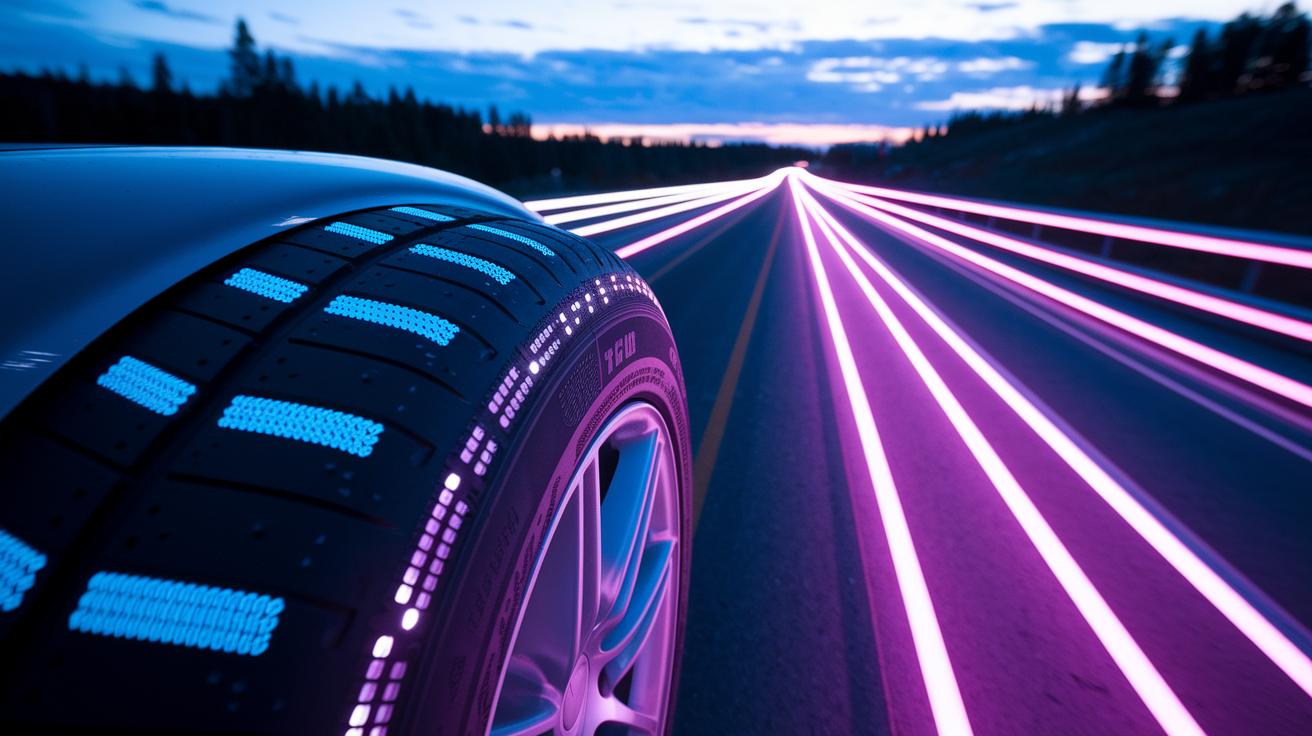


Ever wonder if your tires could chat? Imagine if they could tell you when they're too cold or too warm, or even when the grip on their road (tread wear means how fast the tire's surface is wearing away) is fading. That kind of insight could really boost safety on the road.
Experts expect the tire market to grow from $140 billion to almost $180 billion soon. Big names like Goodyear, Continental, and Michelin are busy designing tires that not only last longer but also help save energy. In this article, we'll dive into how these smart tire designs are making drives safer and greener, and what these new trends could mean for your next ride.
Industry Growth & Smart Tire Technology Overview
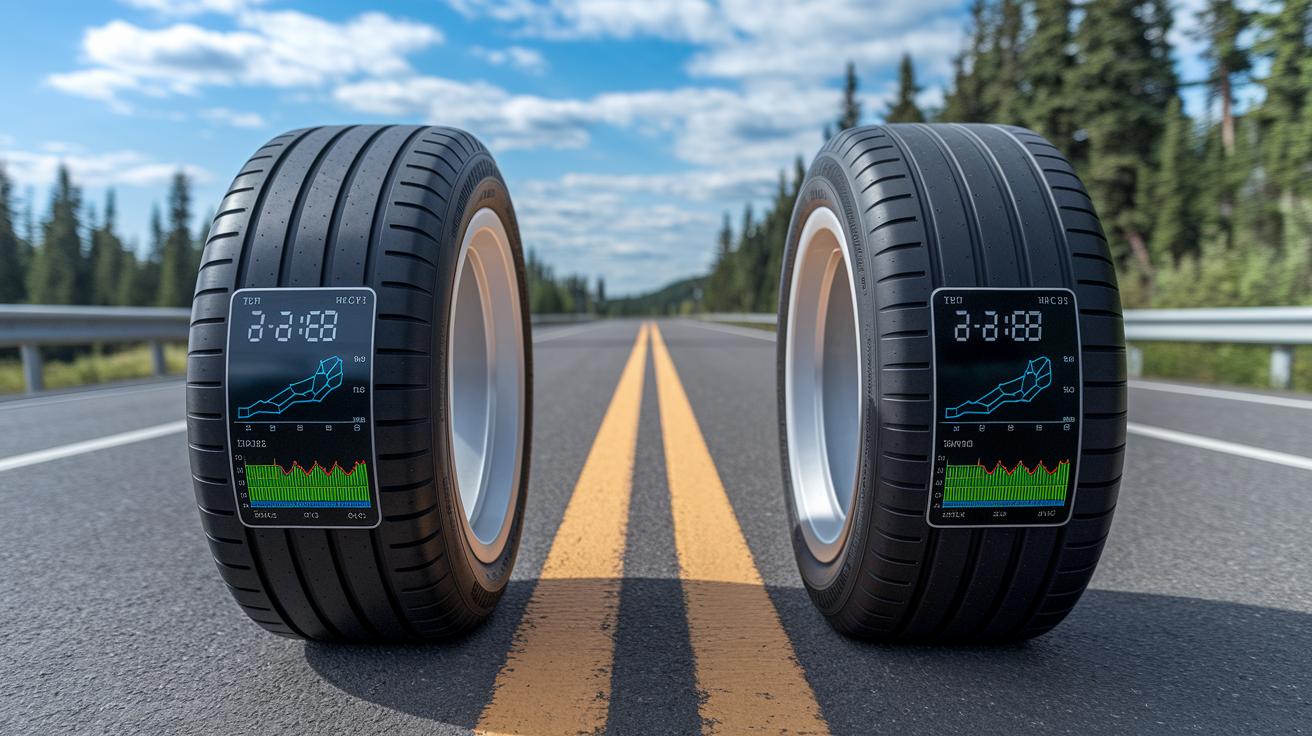
The global tire market is buzzing, valued at nearly $140 billion in 2023 and expected to hit about $180 billion by 2030. Smart tire tech is driving this growth, with built-in sensors that check tire pressure, temperature, and even how fast the tread wears (that means how quickly the tire's surface wears out). Goodyear and Continental are leading the way by offering real-time tire performance data, helping drivers and fleet managers keep safety and efficiency in check.
Tech advances are reshaping tire design too. With more electric vehicles on the road, tire makers like Michelin and Bridgestone are creating tires with low-rolling resistance (this helps improve battery range). Plus, stricter environmental rules and consumer interest are pushing the use of eco-friendly materials like bio-based rubbers and recycled components. Now, with smart sensors and IoT-connected wheels that share tire condition info, you can feel confident your vehicle is always performing its best.
- Electric vehicle growth driving demand for specialized tires
- Tighter emissions and sustainability rules
- Cool advances in wireless sensor tech and smart inflation control
- AI-powered tread checks and predictive wear models
- Cloud-connected platforms that track performance in real time
Emerging tech is revamping the tire world by merging smart sensors with green design. With these data-driven insights and connected wheels, the industry is set to not just meet, but exceed what drivers expect.
Real-Time Monitoring & Sensor Integration in Smart Tire Designs
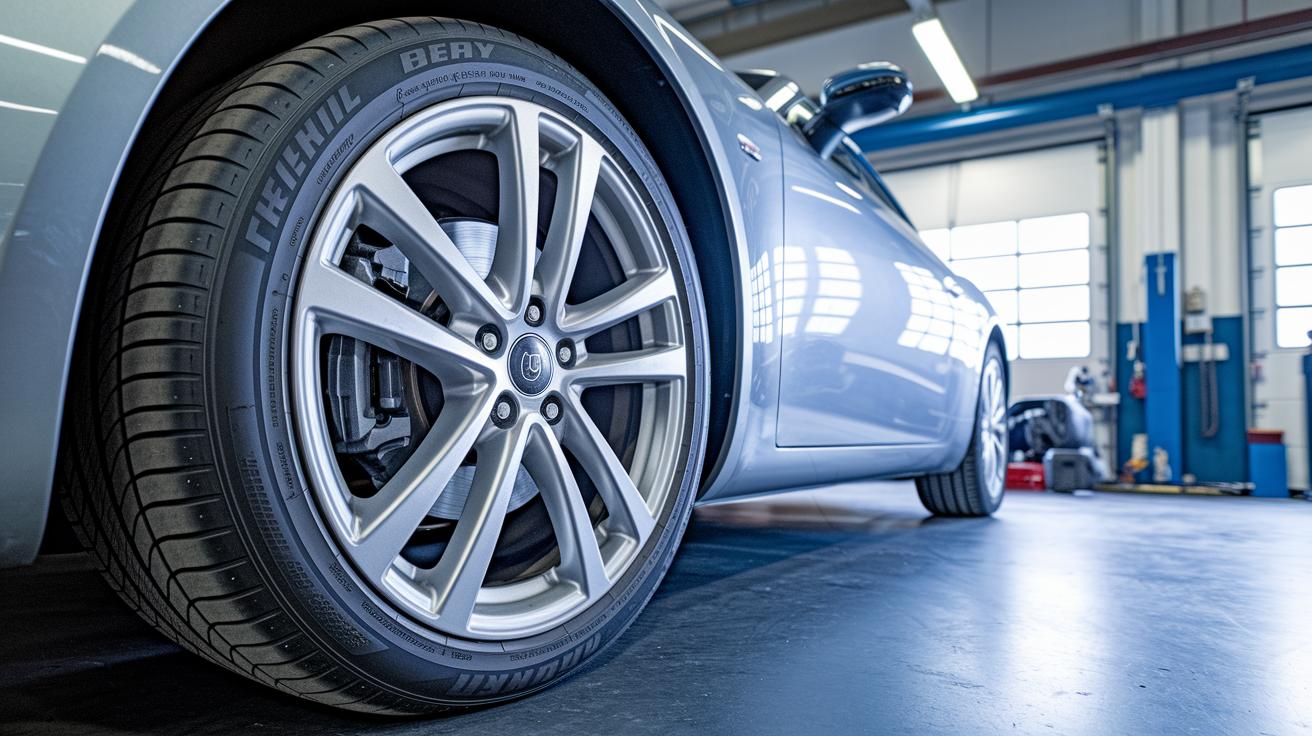
Smart tires come with little sensors that keep an eye on pressure, temperature, and vibration all the time. They work a bit like your car’s oil light, giving you a quick nudge if something isn’t right. Imagine a heartbeat monitor that tells you when your tire might need attention, small parts that make a big safety difference.
At their heart, these tire systems adjust pressure on the fly. For example, Continental’s ContiSense and Goodyear’s SightLine use smart sensor networks that are always checking and learning about your tire’s condition. It’s like adjusting your car seat for the best comfort during a long drive. Check out how sensor technology enhances tire safety features.
With this real-time monitoring, drivers get quick alerts and tips that help extend tire life and keep you safe. The constant flow of information catches issues early, preventing unexpected wear. All in all, these smart innovations create a smoother ride and more peace of mind every time you hit the road.
AI-Driven Diagnostics & Big Data Analytics in Smart Tire Performance
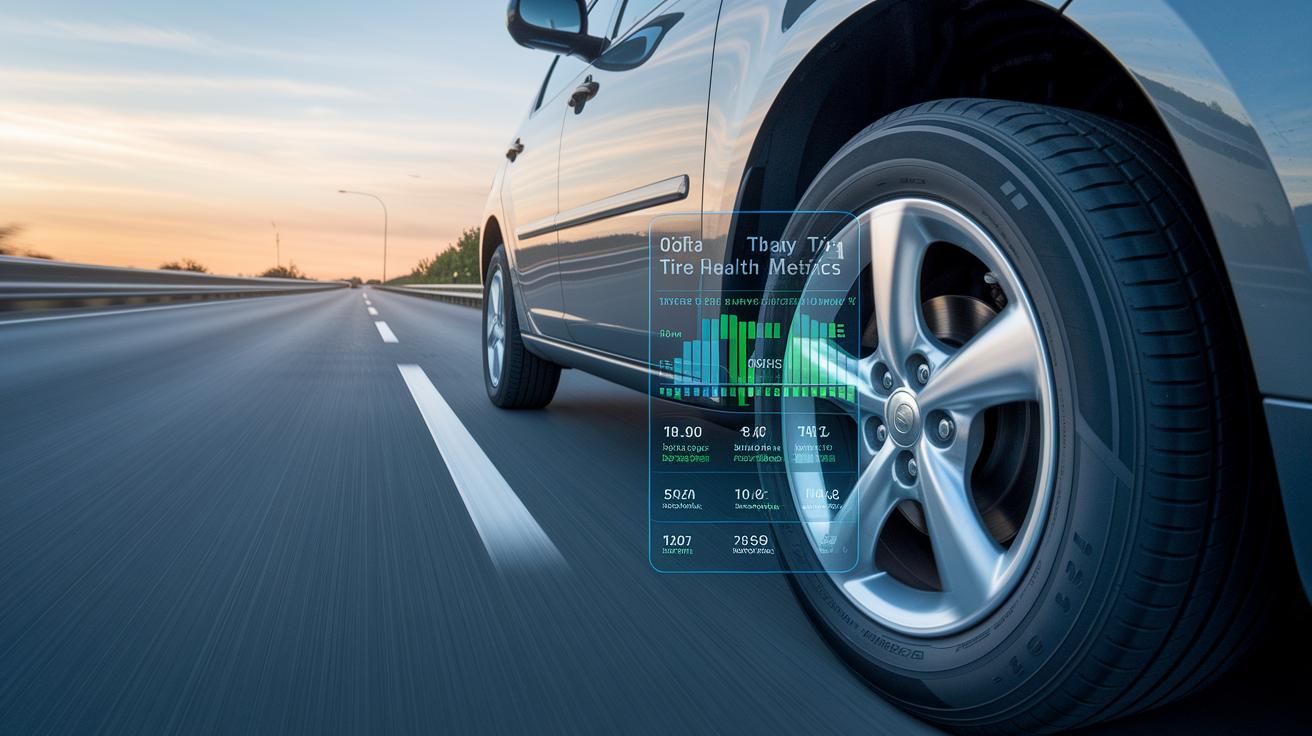
Imagine your tires getting a quick health check while you cruise down the road. AI is making that possible by reading sensor data and using machine learning (computers learning from lots of information) to spot early signs of wear. This smart system flags tiny issues before they snowball into expensive repairs. Automated rubber checks reduce unexpected downtime by about 25% by catching these hints early on. And with cloud dashboards, drivers and fleet managers can easily see tire performance and the complete life cycle, just like having your car’s report card at a glance.
| AI Capability | Performance Benefit |
|---|---|
| Machine learning analysis of sensor data | Helps predict tire wear and set up maintenance on time |
| Automated rubber composition analysis | Minimizes unexpected downtime with early wear detection |
| Cloud dashboard analytics | Gathers data for performance checks and full lifecycle insights |
When you blend these high-tech tools, managing tire performance becomes much more precise and proactive. Real-time data offers simple, actionable tips to extend tire life and boost safety, helping you feel confident every time you hit the road. In truth, this mix of smart analytics keeps your tires in tune with modern vehicle needs while dodging those pesky maintenance surprises.
Electric Vehicle Adoption & Sustainable Smart Tire Materials

Electric vehicles are becoming more popular, and tire makers are on the move to keep up. They now need tires with ultra-low rolling resistance (a fancy way of saying tires that make it easier for your car to roll, which helps extend the battery range). Many manufacturers are mixing bio-based rubbers (rubber made from natural sources) with recycled fillers. This blend can cut down a tire’s carbon footprint by about 30%, meaning you can drive further while helping the planet.
Material science is really making a difference in how tires work. For example, tiny particles called nanomaterials (extremely small substances that boost a tire’s grip and cut energy loss) are being added to rubber. Brands like Bridgestone with Enviro and Michelin with Bio-Tires are leading the way. These tires are built to handle the unique challenges of electric vehicles. They adapt to changes on the road and help save energy along the way, almost like having a tire that cleverly adjusts to keep you safe and efficient.
Tire companies are also turning to greener ways of making their products. New rules and more customers looking for sustainable choices are pushing them to use eco-friendly materials and energy-saving production methods. They’re setting up new lines that focus on performance without hurting our environment. It’s a win-win: drivers get high-quality tires that perform well, and we all take a step toward a cleaner Earth.
Industry 4.0 & Automation Trends in Tire Manufacturing
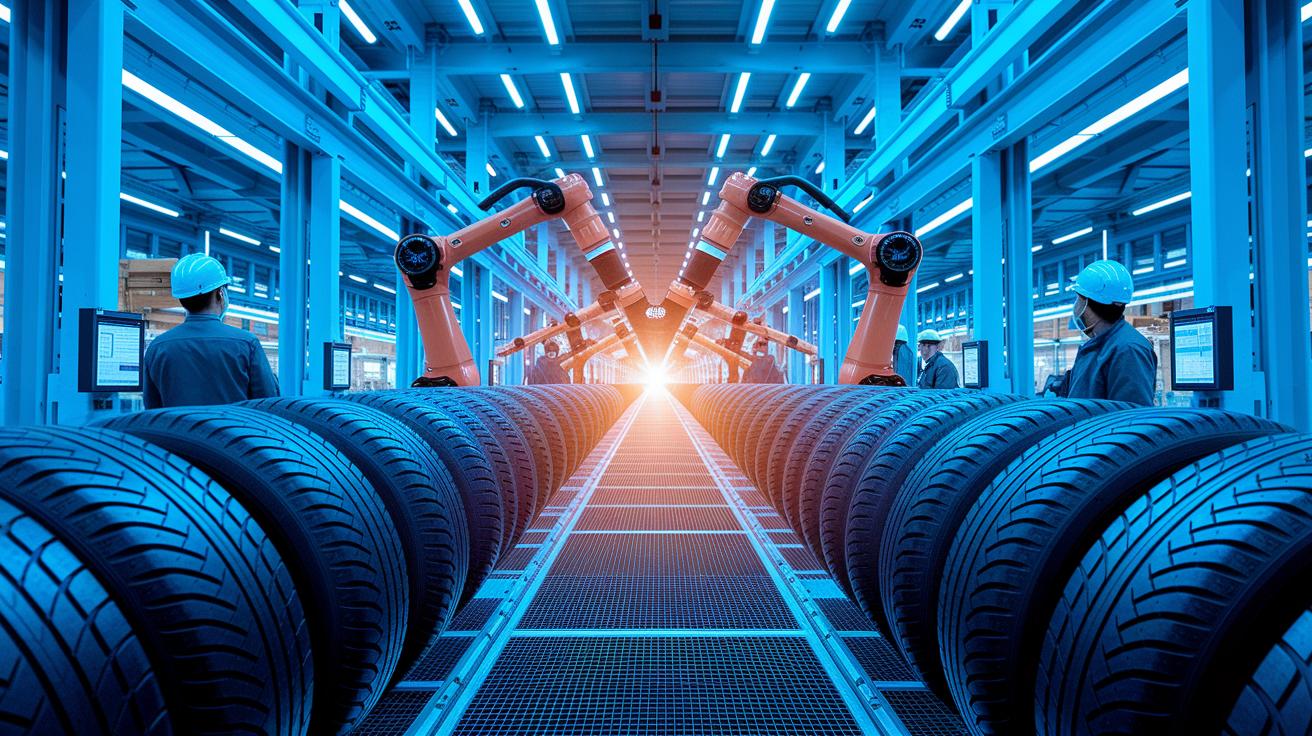
Tire factories are getting a cool high-tech update with helpful robots, smart software, and better security. Modern plants use AI-powered production lines to keep an eye on quality, which cuts waste by about 15%. Modular robot systems let plants switch gears quickly when making tires for electric cars. It’s a bit like having a smart co-pilot who knows just when to adjust the settings for a smoother ride.
AI-Driven Production Planning
Machine learning is the secret behind today’s production planning. Factories use it to set schedules, spot when equipment might need a little extra care (like a quick check-up), and use raw materials more efficiently. Think of it as a computer buddy that looks at tons of data on the factory floor and tells you the best time to order supplies or perform maintenance. This smart approach helps everything run smoothly, saving both time and money. One plant even cut its downtime by 15% just by letting the AI flag issues early.
Cybersecurity in Smart Factories
As factories get more connected through cloud systems, keeping digital threats away becomes extra important. With many manufacturers facing cyber-attacks, companies now focus on strict security standards and risk-mitigation practices. They use encrypted data transfers and tight access controls, sort of like a secure lock on your car that only lets trusted keys in. This extra focus on security helps protect the data that keeps operations running smoothly and ensures every tire meets modern safety standards.
Future Market Forecasts & Industry Shifts for Smart Tires
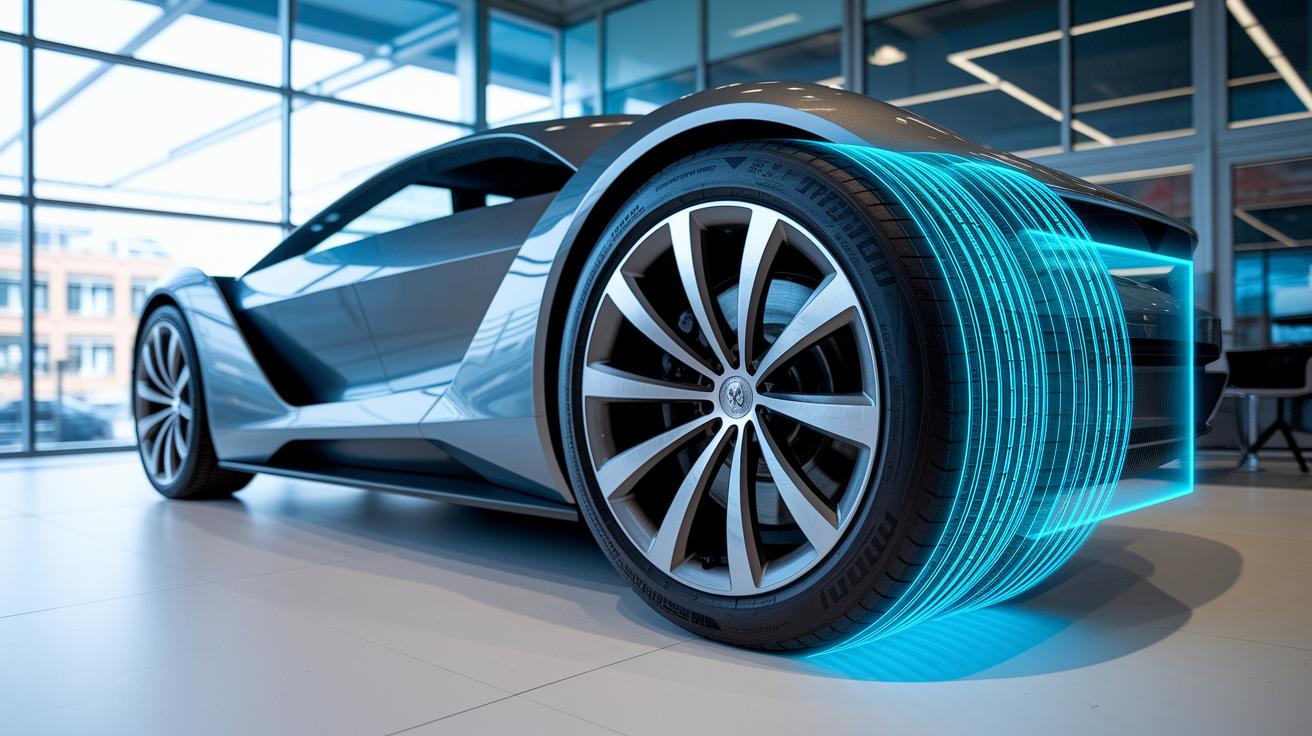
Smart tire makers are getting ready to grab 40% of the market by 2027. New tire ideas are taking shape fast. In 2025, look out for things like digital twins (a digital copy used for research and testing), blockchain for tracking a tire's history, and remote checkup tools that give live updates. These tools help us keep an eye on tire performance, making it easier to plan repairs before problems hit. Tire makers are shifting from old designs to smart, connected tires that boost safety and performance. Imagine being able to pull up your tire's history on your phone, making checkups nearly effortless.
Connected mobility is also on the rise. Think of it like a team effort between your tire data and your car's own network. This mix brings in data from telematics (tracking vehicle information), tire data, and the car’s system so drivers and fleet operators get alerts and updates when needed. It means fewer surprise breakdowns and a smoother drive overall. As these trends grow, expect tire systems that are not just smarter but more reliable. This new way of managing tire information is set to change how we think about keeping our vehicles in top shape.
Final Words
In the action, this article covered industry growth, sensor tech, AI-driven diagnostics, sustainable materials, automation in manufacturing, and future market forecasts. We showed how smart tire innovations and upcoming market trends are making driving safer and boosting tire performance. The discussion broke down key ideas, from quality tire selection to effective maintenance, in clear, everyday language. Enjoy the feeling of a secure drive backed by real progress, and keep an eye on these advances to keep your ride safe and reliable.
FAQ
What is the current state and growth outlook for smart tire technology?
The smart tire industry is growing fast, with market values expected to increase significantly by 2030. This growth is driven by advanced sensor integration and eco-friendly material innovations.
How do integrated sensor systems improve tire safety?
The integrated sensor systems boost tire safety by monitoring conditions like pressure, temperature, and tread wear in real time. This helps catch issues early and keeps tires performing reliably.
How does AI-driven diagnostics enhance tire performance maintenance?
The AI-based diagnostics enhance tire performance by analyzing sensor data to forecast wear and schedule maintenance. This proactive approach reduces downtime and keeps tires in top condition.
How are sustainable practices impacting smart tire development?
Sustainable practices are shaping smart tire development by incorporating bio-based rubbers and recycled materials. These innovations help lower carbon footprints and improve the overall efficiency of tire production.
What role does automation play in modern tire manufacturing?
Automation plays a big role in tire manufacturing by using robotics and AI analytics to monitor quality, optimize production schedules, and reduce waste. This leads to more consistent and efficient operations.
What future trends are set to shape the smart tire market?
Future trends in the smart tire market include the rise of digital twin technology, remote diagnostics, and integrated data systems. These trends promise better performance tracking and smarter maintenance strategies.

