


Ever thought your tires could do more than just carry you along? Smart tires come with built-in sensors and clever tweaks that help keep your car safe when the weather turns rough. They adjust things like the tire pressure and tread pattern (that's the groove on the tire that touches the road) when rain, snow, or ice makes the road slippery.
Imagine driving smoothly even when nature throws a curveball your way. In this post, we'll chat about how these smart tires handle extreme weather and why they might just be your best bet for a safer drive.
How Smart Tires Excel in Rain, Snow, and Extreme Temperatures

Smart tires really shine in the rain. Thanks to clever sensors and a bit of mechanical magic, they adjust on the fly. Researchers in Germany have even built early models that change their tire pressure and tread pattern when heavy rain hits, keeping your car stable on slick roads. It’s a bit like checking your tire pressure before a long trip, simple and effective in making sure you stay safe.
When snow and ice are on the menu, these tires take safety up a notch. Their flexible tread designs help push water and slush away from where the tire meets the road, cutting down the chance of hydroplaning. The adjustments give the tire a stronger grip on ice, so your ride feels steadier even on frosty roads. Ever notice how a smooth ride makes all the difference on a cold winter day?
Even with big temperature swings, smart tires keep you in control. They automatically adjust the pressure to stay in perfect contact with the road, staying flexible in the cold unlike regular tires that might harden. Experts say these innovations could last anywhere from 40,000 to 80,000 miles, and they might even outperform traditional tires in harsh weather. It’s like having a tire that’s always ready for whatever the road throws at you.
Smart Tire Sensor Technology for Severe Weather Adaptation

Imagine your car's tires having their very own little detective. High-tech sensors built right into the tires keep an eye on things like pressure, temperature, tread depth (how much tire surface is left), and the forces that keep you on track. It's like having a mini guardian for your ride that checks for things like water slipping under your tires (hydroplaning) or icy patches when it gets really cold. The sensor sends updates through tiny IoT networks, keeping you informed about what’s happening, no matter if it's raining, snowing, or sunny.
Digital tire monitoring systems take this care a step further. They gather all the data from the sensors and analyze it to offer you handy alerts when your tires need a little extra attention. It’s almost like having a remote mechanic who tells you when to adjust the pressure or perform routine maintenance. This smart tire system keeps your vehicle running safely and smoothly, even when the weather throws a curveball.
Adaptive Smart Tire Systems for Extreme Weather Performance

Automatic Pressure Adjustment Mechanisms
Modern adaptive tires come with built-in pressure sensors and valve systems that keep an eye on the road and adjust air pressure (psi, or pounds per square inch) in real time. Think of it like giving your tires a quick check before you hit the road. When conditions like rain or ice show up, the system quickly tweaks the pressure to help your tire grip better.
Dynamic Tread Adaptation Technologies
These tires also feature advanced tread technology that changes tread depth and pattern as you drive. They use ideas from 3D sipes (thin cuts in the tire surface that enhance grip) and micro-pump grooves found in winter tires. Added materials, like a special water-moving coating, help push away water, slush, and ice, keeping you safer on slick roads.
Comparing Smart Tire Performance in Extreme Weather to Conventional Tires

Smart tires give you a whole new way of comparing them to regular winter tires when the weather goes wild. Regular tires use silica-infused compounds (that’s a mix which keeps the rubber soft in cold weather) to help shorten stopping distances on ice by as much as 30%. They’ve been pushed through over 40,000 km of testing at Nokian’s center to prove they work well in snow and storms. But smart tire prototypes can adjust in real time, changing how they grip when the temperature shifts suddenly. They react instantly to new road conditions, making them a clever upgrade. Both tire types last between 40,000 and 80,000 miles, but smart tires add that adaptive edge for extra safety and convenience.
| Metric | Conventional Tire | Smart Tire |
|---|---|---|
| Stopping Distance on Ice | Silica-infused compounds reduce stopping distances by up to 30% | Real-time adjustments optimize braking performance on icy roads |
| Traction Adjustment Time | No real-time adaptation; static tread design | Instant changes in tread performance during rapid weather shifts |
| Temperature Resilience | All-season tires harden around 7°C, affecting grip | Keeps flexible in cold conditions for better handling |
| Lifespan | Between 40,000 km and 80,000 miles | Matches conventional lifespan with extra adaptive benefits |
| Durability in Testing | Tested for over 40,000 km at dedicated centers | Simulated and real-world tests show reliable performance |
When you look at these numbers, smart tires really push the bar for performance. They adjust traction on the fly and keep a steady grip, even when the weather changes unexpectedly. With sensors that tweak the tire's behavior instantly, smart tires help maintain safety no matter what. Sure, traditional winter tires already offer good stopping power and durability, but smart tires mix trusted materials with modern tech to give drivers that extra boost of confidence when conditions are rough.
Smart Tire Certification and Testing Standards for Harsh Climates

Smart tires have to prove they can handle really tough weather. To earn special symbols like the Three-Peak Mountain Snowflake and Ice Grip Symbol, a tire must show at least a 25% boost in grip on snowy roads (good traction in snow) and strong ice braking. They aren't just tested on paper; manufacturers run both lab experiments and real on-road tests to be sure the tire can manage icy conditions safely.
The testing process includes strict lab tests that mimic cold weather using freeze-thaw cycles (repeated freezing and thawing) and real-world trials in stormy conditions. These tests check how the tire stands up to repeated hydroplaning and slush, ensuring it performs well when you need it most. Engineers also inspect the tires during each test to see that wear and performance remain steady over time.
Passing these tough tests means a tire earns its spot as a certified snow-performance tire, ready to take on harsh storms. This careful process gives drivers extra confidence, knowing their tires have been fully checked for durability and safe performance in bad weather.
Future of Smart Tire Systems in Extreme Weather Conditions
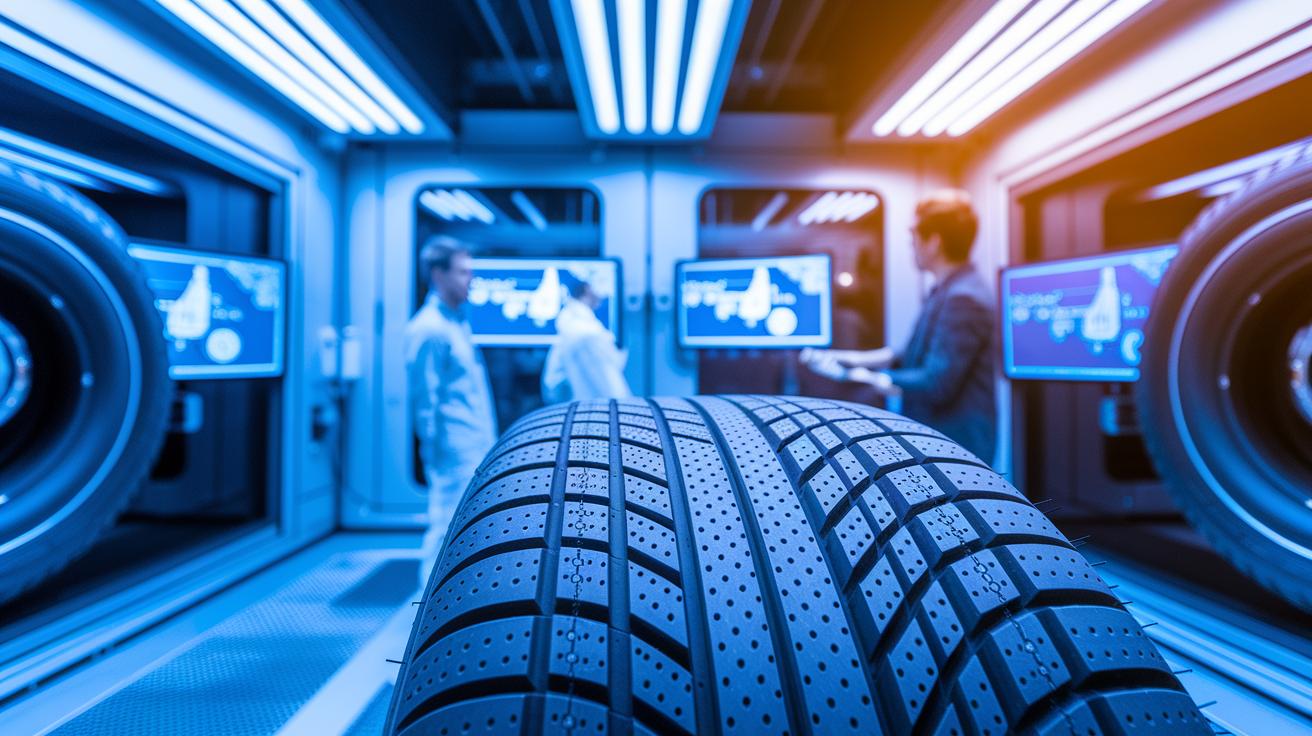
German research teams are pushing the limits of smart tire technology by adding AI-powered sensor arrays and tough moving parts. They are working on new tires that will check road and weather conditions in real time. They even use digital tools (think of them as computer simulations that show how a tire works) to see how tires react in really hot (50°C) and super cold (-20°C) weather. This helps them design tires that can handle both scorching heat and freezing cold. Their aim is to predict when tires need maintenance, ensuring that sensors and moving parts work well for up to 40,000 miles. One major challenge is making the moving pieces of the tread more durable.
Researchers are also exploring how smart tire technology can make driving safer. With connected tire tech, drivers could soon get quick updates on tire performance, alerting them before wear or weather issues arise. The combination of smart sensors, precise AI, and strong materials promises tires that outperform traditional ones. This ongoing work is steadily moving toward a real-world launch where adaptive tires adjust on the fly to extreme weather, making every journey a bit safer and more reliable.
Final Words
In the action, we explored how smart tires adjust their grip on rainy roads, manage icy patches, and stand up to severe temperatures. We looked at sensor technology that smoothly adapts pressure and tread design to boost safety. We also compared these advances with traditional options and touched on future research that could change the way we drive.
Overall, the discussion proves that smart tire performance in extreme weather conditions can bring more confidence and smooth rides to every driver. Stay safe and enjoy that reliable grip on every mile.
FAQ
Frequently Asked Questions
What temperature is too cold for performance tires?
The temperature considered too cold for performance tires is generally below about 7°C (44°F). Below this point, tire compounds can harden, reducing grip and overall performance on the road.
What is the 7 7 rule for winter tires?
The 7 7 rule for winter tires means keeping a minimum tread depth around 7/32 of an inch for safe traction. When tread depth drops below that, it’s time to replace them to maintain optimal winter performance.
Are performance tires suited for all weather conditions?
The suitability of performance tires varies with the weather. They excel on dry roads, but they may not offer the same level of grip in extreme cold or heavy rain, which can affect their handling.
Does extreme cold affect tire pressure sensors?
Extreme cold can affect tire pressure sensors because low temperatures cause tire pressure to drop. This change can trigger sensor alerts, prompting a need for adjustments to keep your ride safe.

