


Ever wondered if your tires might have a little story to tell? Modern cars now come with smart tire sensors that keep an eye on things like air pressure, how hot the tires get, and even how quickly the tire tread (the outer part that touches the road) is wearing down.
They give you a quick heads-up when something isn’t quite right, sort of like a friendly check-up on your way to work. This neat piece of tech helps make your ride safer and can even boost your fuel economy by making sure every tire is ready for the journey ahead.
In this post, we’ll take a closer look at how these systems work and explore why they can give your drive that extra bit of smoothness and confidence.
How Smart Tire Sensor Systems Work in Modern Cars
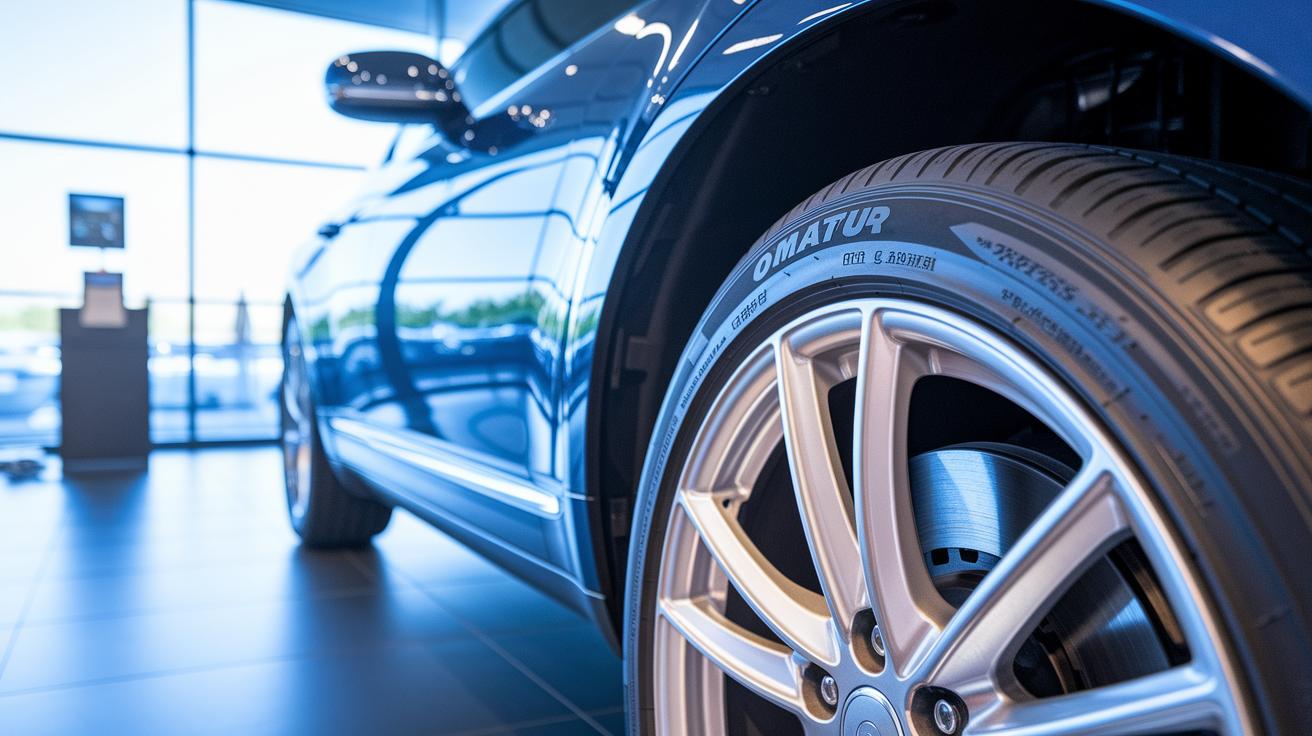
Smart tire sensor systems use built-in sensors to keep track of important tire details like pressure, temperature, weight spread, how fast the tire’s surface wears away (tread wear), and the depth of the tread. These sensors are built right into the tire and send quick updates to the car’s main computer so that any little change is noticed. Ever find it cool that some sensors can catch even a tiny drop in air pressure almost as fast as a radar scanning the road?
Inside the tire, these sensors work together to check on its condition. Pressure sensors make sure each tire is filled just right for good fuel economy and solid grip. Temperature sensors watch for extra heat because too much warmth can hurt your tire. Load sensors check how weight sits on the tire, and tread wear sensors see how evenly the tire is using up. Then, the system figures out the tire’s grip on the road and alerts the car’s computer if anything seems off.
When the car gets this live data, it can quickly adjust settings to give you the best traction and stability. The smart system also looks after each wheel so that if uneven wear or a small pressure drop happens, it sets up service before a big problem, like a blowout, can occur. It’s like having a tire guardian who watches out for early signs of trouble.
With careful monitoring and timely alerts, smart tire sensor systems help keep your drive safe and smooth by catching issues early.
Key Features and Benefits of Smart Tire Sensor Systems
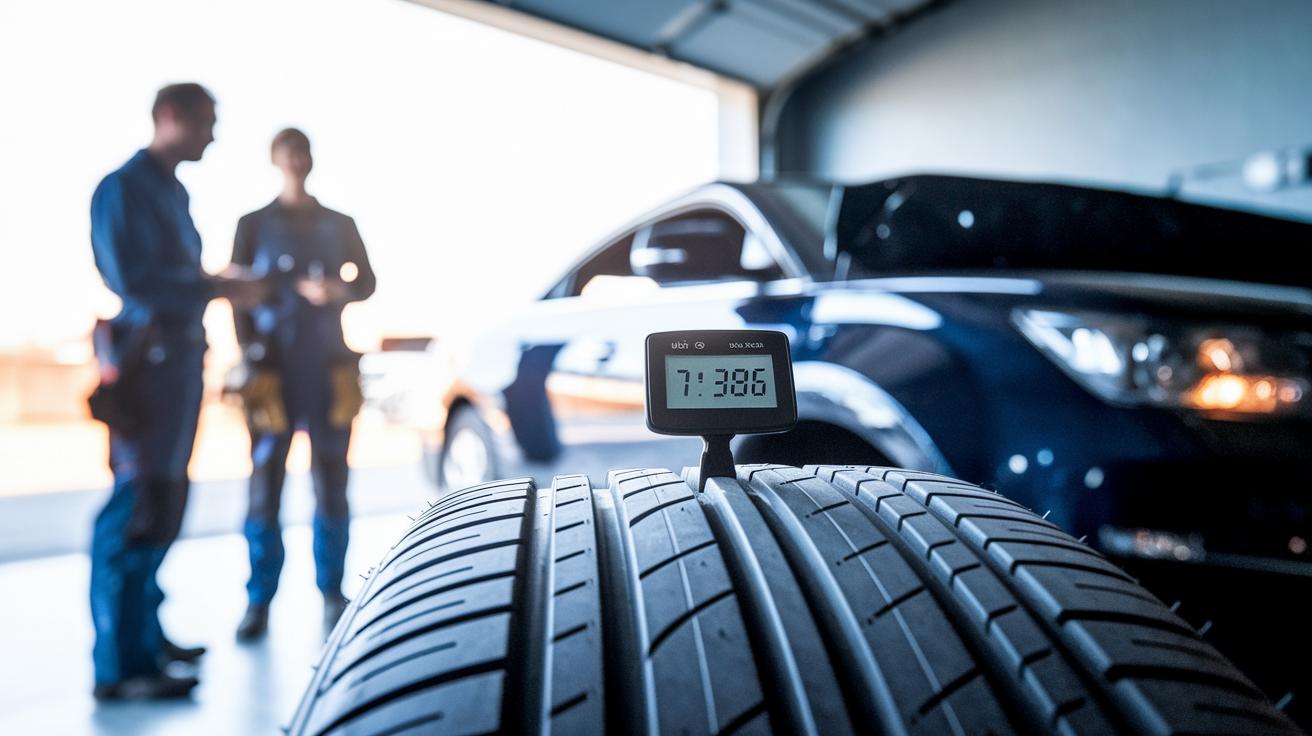
Smart tire sensor systems act like a little helper for your car. They give you a heads up when tire pressure is low or the tire surface (tread wear) starts to thin. It’s like having your own mini mechanic letting you know if something’s not right, so you can fix it before it becomes a problem.
Keeping your tires at the right pressure doesn’t just boost safety, it can also save you money on fuel. When tires are properly inflated, drivers can see around a 2–3% improvement in fuel efficiency at 75% of the recommended pressure and even 5–10% at 50% pressure. This careful monitoring helps cut fuel use and makes cars, including electric and self-driving ones, much more energy efficient.
These systems also help your tires last longer. When they spot uneven wear, they remind you to schedule maintenance ahead of time, which can prevent big issues like blowouts or skidding. This means you can plan for a service visit rather than getting caught off guard by a tire problem on the road.
When you compare the long-term savings to the initial cost of these sensors, it’s clear that investing in smart tire technology makes sense. Not only do they improve safety, but they also help you save money on fuel and tire replacements in the long run.
Integration of Smart Tire Sensor Systems with Vehicle Controls
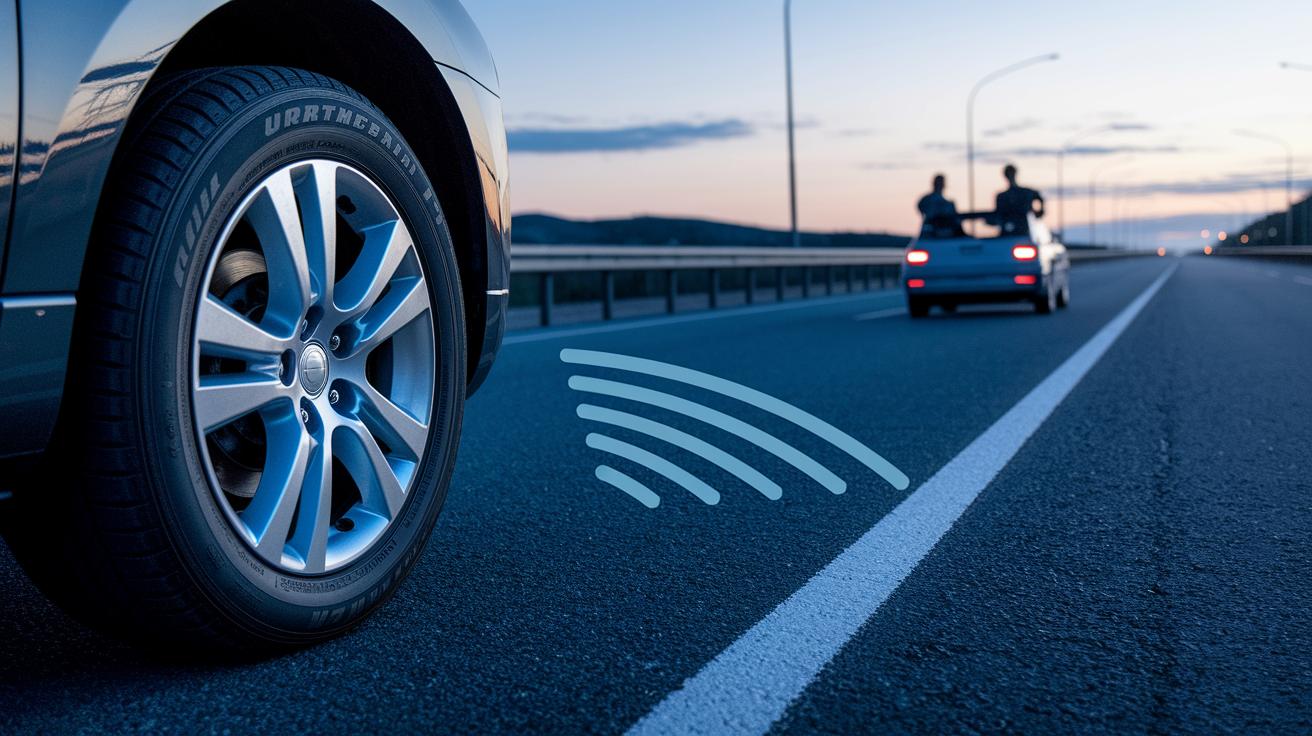
Smart tire sensors connect with your car's control systems using wireless tools like Bluetooth and special radio signals. Think of it like your tire texting your car with updates on its pressure, temperature, and tread wear (how fast the tire's surface wears out). This info heads straight to the car's computer, helping it adjust braking, acceleration, and cornering on the fly.
These sensors also team up with your car’s ADAS (Advanced Driver Assistance Systems, which help keep you safe) to smoothly adapt to changing conditions. When a sensor notices a slight drop in pressure or a change in grip, the built-in AI checks the real-time road data and adjusts traction accordingly. It’s like your tire is chatting with your car to make sure your drive stays safe.
On top of that, smart sensors can even connect with external traffic networks. Through full V2I integration (that's Vehicle-to-Infrastructure, meaning your car can talk with roadside systems), your vehicle fine-tunes its response based on real-time road conditions. This connected wheel-monitoring network keeps your ride steady and dependable.
Imagine your car quietly fine-tuning its performance with every sensor update. It’s like having a little team of helpers making sure your journey stays both safe and smooth.
Installation, Calibration, and Compatibility of Smart Tire Sensor Systems
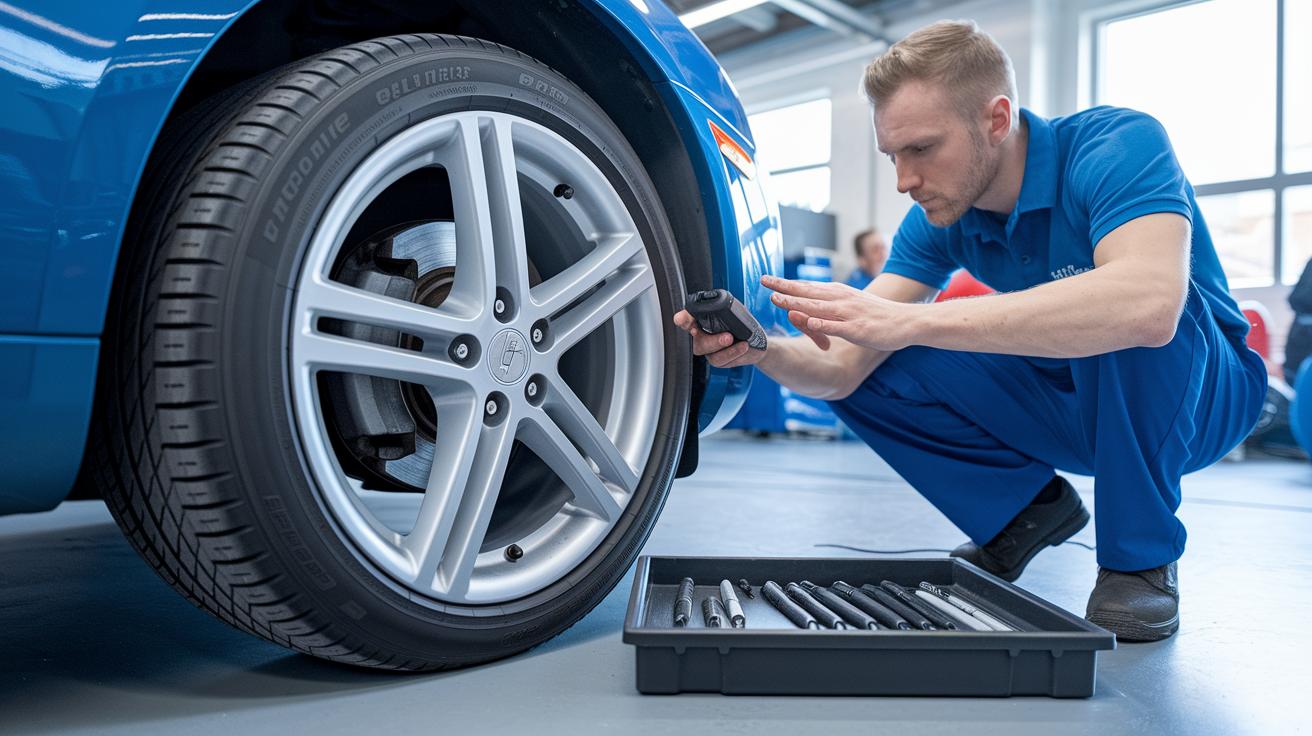
Getting your smart tire sensor system set up is pretty straightforward. First off, make sure your car has the tire pressure monitoring system (TPMS, which is a gadget that keeps an eye on your tire pressures) required since 2008. The sensor attaches to the tire rim and then pairs up with your car's control unit, kind of like checking your fuel gauge before a long drive. After any tire change or rotation, you’ll want to recalibrate the sensors. It’s a bit like resetting your phone after an update, easy but essential.
Next, technicians follow a routine process to check the tire pressures accurately. They use simple calibration methods to get clear, precise readings, which is important for spotting any problems early. But keep this in mind: if your wheels have a unique design, some sensors might not work perfectly with every vehicle.
Usually, the battery in these TPMS sensors lasts about 5 to 10 years. It’s a good idea to periodically check on the sensor's health to ensure everything is running safely and smoothly on the road.
Maintenance Best Practices for Smart Tire Sensor Systems
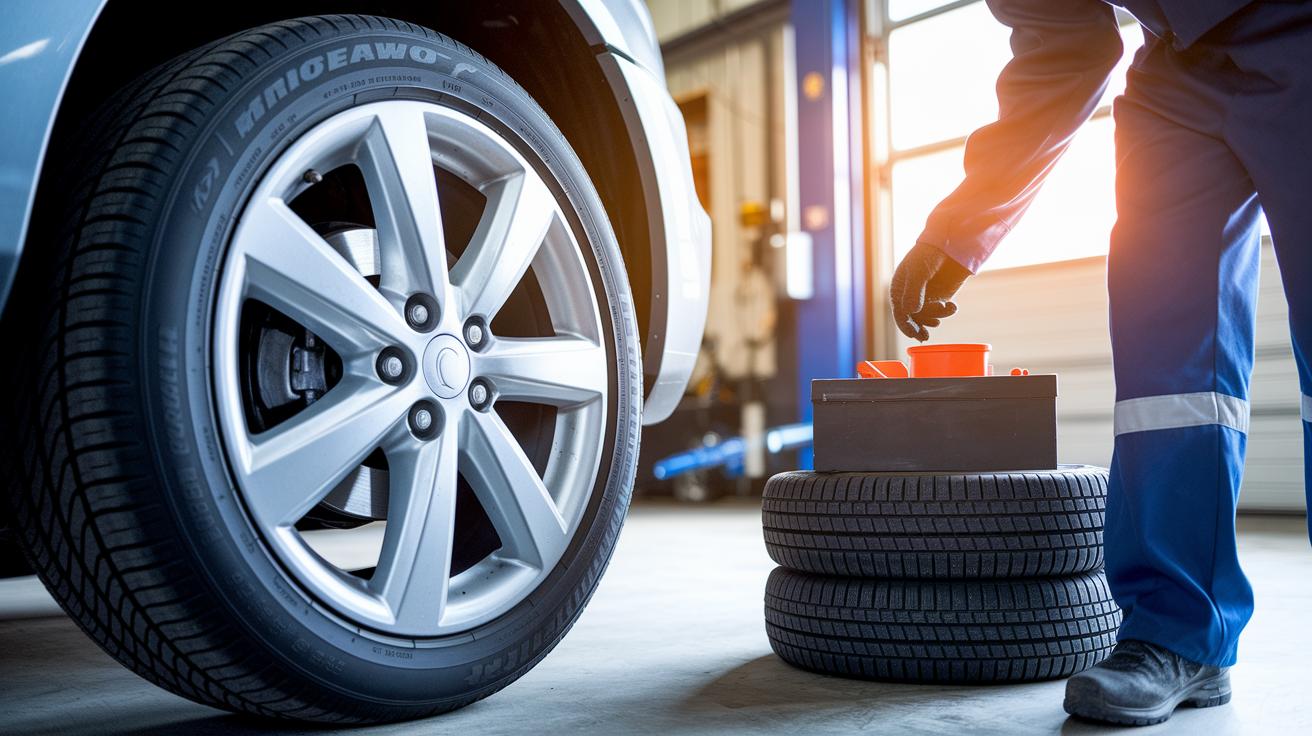
Keeping your smart tire sensors in great shape is kind of like giving your car a friendly checkup. A little routine care goes a long way by spotting small issues before they turn into big headaches.
Here are some easy tips to follow:
- Check the sensor battery every 12 months so your alerts keep working, like making sure your phone is charged.
- Look over the mounts for any rust (that’s corrosion) to keep the sensor secure and reading right.
- Update the firmware through your app or dealer tools to ensure your sensor gets the latest fixes.
- If you notice false alerts, recalibrate the system, kind of like resetting a gadget when it glitches.
- Keep your tires inflated to the recommended level so the sensor can read the pressure correctly.
Sometimes, automated diagnostics can even schedule a service for you before a little problem turns into a major one, like a blowout or uneven wear. Regular checkups and updates help stop unexpected sensor failures and help extend the life of both your tires and sensors. Enjoy your drives knowing your car’s ready for the road!
Comparative Evaluation of Leading Smart Tire Sensor Systems and Technologies
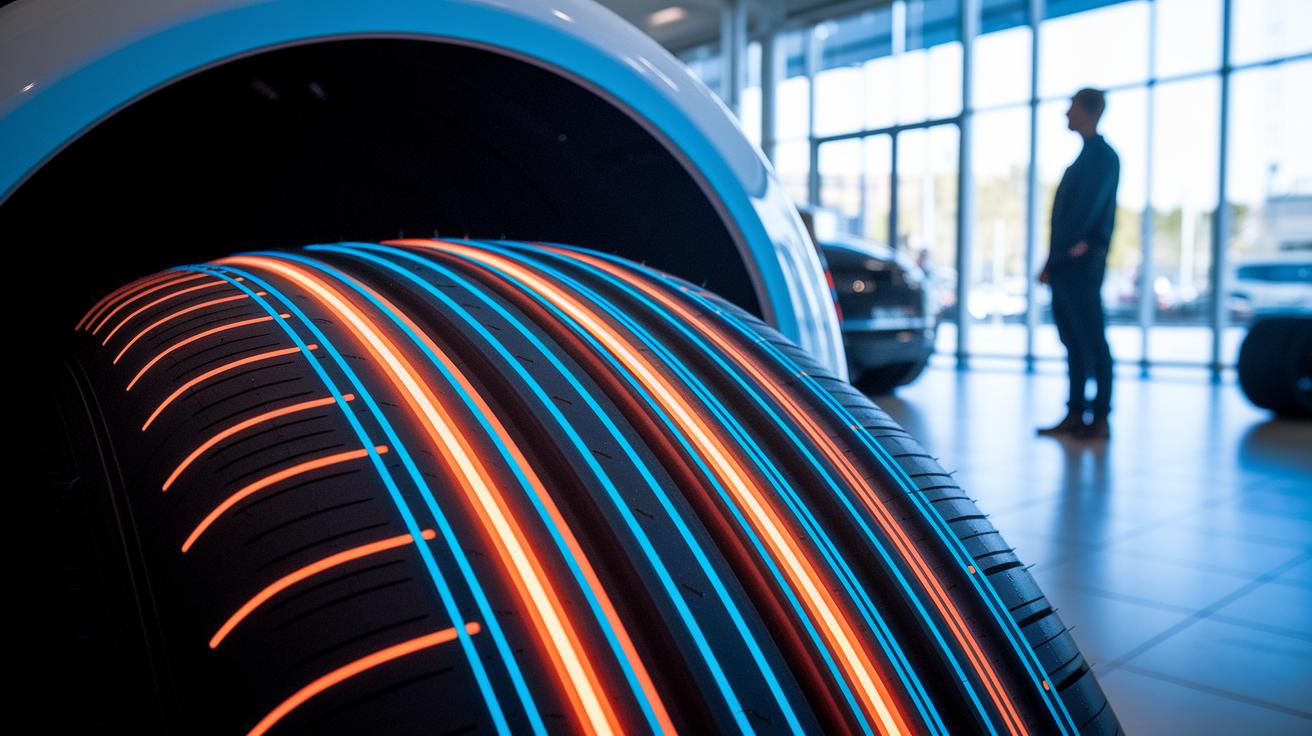
These smart tire sensor systems use state-of-the-art data processors that help make your ride safer and more efficient. Bridgestone’s Potenza SportTech uses AI to watch both pressure and temperature (that means it checks how much air is in your tire and how hot it gets). It’s really impressive.
Michelin’s Pilot Sport Connected sends tips straight to your car using IoT (a way your tire can talk to your car) to predict tire conditions. And then there’s Pirelli’s Cyber Tire, which chats directly with ADAS (advanced driver assistance systems) to help adjust things right away when the road changes.
Continental’s ContiSense stands apart by using a special kind of conductive rubber (rubber that reacts to contact with the road) to sense wet or bumpy surfaces, so your tires can adapt quickly. Goodyear’s SightLine is all about fleet performance, tracking tire behavior really closely. Hankook’s Smart+ iON focuses on lowering rolling resistance (making it easier for your car to move), which is perfect for electric vehicles.
Each model breaks new ground in tire diagnostics and caters to different needs, from everyday safety to fleet management or electric vehicle performance.
| Model | Manufacturer | Key Sensors | Primary Application |
|---|---|---|---|
| Potenza SportTech | Bridgestone | AI-driven pressure and temperature sensing | Autonomous vehicle performance |
| Pilot Sport Connected | Michelin | IoT-based predictive sensors | Predictive tire maintenance |
| Cyber Tire | Pirelli | ADAS communication sensors | Real-time driving assistance |
| ContiSense | Continental | Conductive rubber sensors | Road condition sensing |
| SightLine | Goodyear | Fleet optimization sensors | Fleet performance enhancement |
| Smart+ iON | Hankook | Sensors for low rolling resistance | Electric vehicle efficiency |
Future Trends in Smart Tire Sensor Systems for Modern Cars

By 2025, we’re seeing smart tire sensors get a big upgrade as more electric and self-driving cars hit the road. Imagine a tire that checks its air pressure and tells you if the road is wet, all thanks to sensors that mix data from GPS, accelerometers (devices that sense movement), and moisture sensors (which tell if it’s raining).
Next, cloud-based auto diagnostics will let entire fleets check their cars' health in real time. Machine-learning (computers learning to spot patterns) will help predict problems by catching early signs of tire wear or low pressure. Soon, safety rules might even push for these advanced sensors on commercial trucks and buses, making our roads safer and more energy-efficient.
Final Words
In the action, we explored how smart tire sensor systems work in modern cars, explaining key features and benefits that boost safety and efficiency. We also looked at how sensors integrate with vehicle controls and discussed proper installation and maintenance. A side-by-side comparison of top models provided real-world context, while future trends pointed toward even smarter technology ahead. Overall, smart tire sensor systems for modern cars deliver clear advantages that help keep vehicles safe and performance high. Stay positive and safe as you hit the road.
FAQ
What is the price of smart tire sensor systems for modern cars?
The price of smart tire sensor systems for modern cars varies based on features and models. Check with your dealer for current quotes to find options that fit your vehicle and budget.
How do you program a Bendix TPMS sensor?
The process to program a Bendix TPMS sensor involves pairing it with your vehicle’s control unit using a special tool. Follow the manufacturer’s steps for smooth pairing and reliable performance.
What does replacing a Bendix TPMS sensor involve?
Replacing a Bendix TPMS sensor means removing the old sensor, installing the new one on the wheel rim, and then programming it to sync with your car’s system using the correct tools.
What is SmarTire Diagnostic Software and how does SmarTire TPMS work?
The SmarTire Diagnostic Software checks sensor data while the SmarTire TPMS monitors tire pressure and temperature. Together, they help maintain optimal tire performance and safety.
How does Bendix smart tire troubleshooting work?
Bendix smart tire troubleshooting quickly identifies sensor issues by checking signals, battery life, and pairing status with your vehicle. It helps clear false alerts and keeps your ride safe.
Who is Cerebrum Sensor Technologies Inc?
Cerebrum Sensor Technologies Inc is a company that designs advanced sensor systems focused on real-time tire condition monitoring, aiming to boost safety and make driving more efficient.
What two things can modern cars use to monitor tire pressure?
Modern cars use built-in TPMS sensors along with external wheel pressure monitoring systems. Both tools provide timely alerts to help you manage tire care and safety.
How much does Costco charge for TPMS sensors?
Costco’s TPMS sensor pricing varies by vehicle and sensor type. It’s best to call your local Costco or visit their website to get the most up-to-date pricing information.
Do pre-programmed TPMS sensors work well?
Pre-programmed TPMS sensors work well if they match your car’s specifications. They simplify installation by quickly connecting to your car’s system without extra programming steps.
Are aftermarket TPMS systems reliable?
Aftermarket TPMS systems can be reliable and cost-effective. Look for reputable brands that meet your car’s needs to ensure you receive dependable tire monitoring.

