

Ever thought about your fleet's tires getting smarter? Imagine tiny sensors working like a helpful co-pilot, keeping tabs on tire pressure (that’s how much air is in your tire) and temperature (how hot or cool your tire feels) every few seconds.
This clever tech helps catch small issues early, so you avoid sudden stops and keep things running smoothly. Fleet managers can get updates in real time, saving time and money while making sure drivers stay safe. It's interesting to see how this innovation is changing the way commercial fleets are managed.
How smart tire technology enhances fleet safety, efficiency, and cost savings
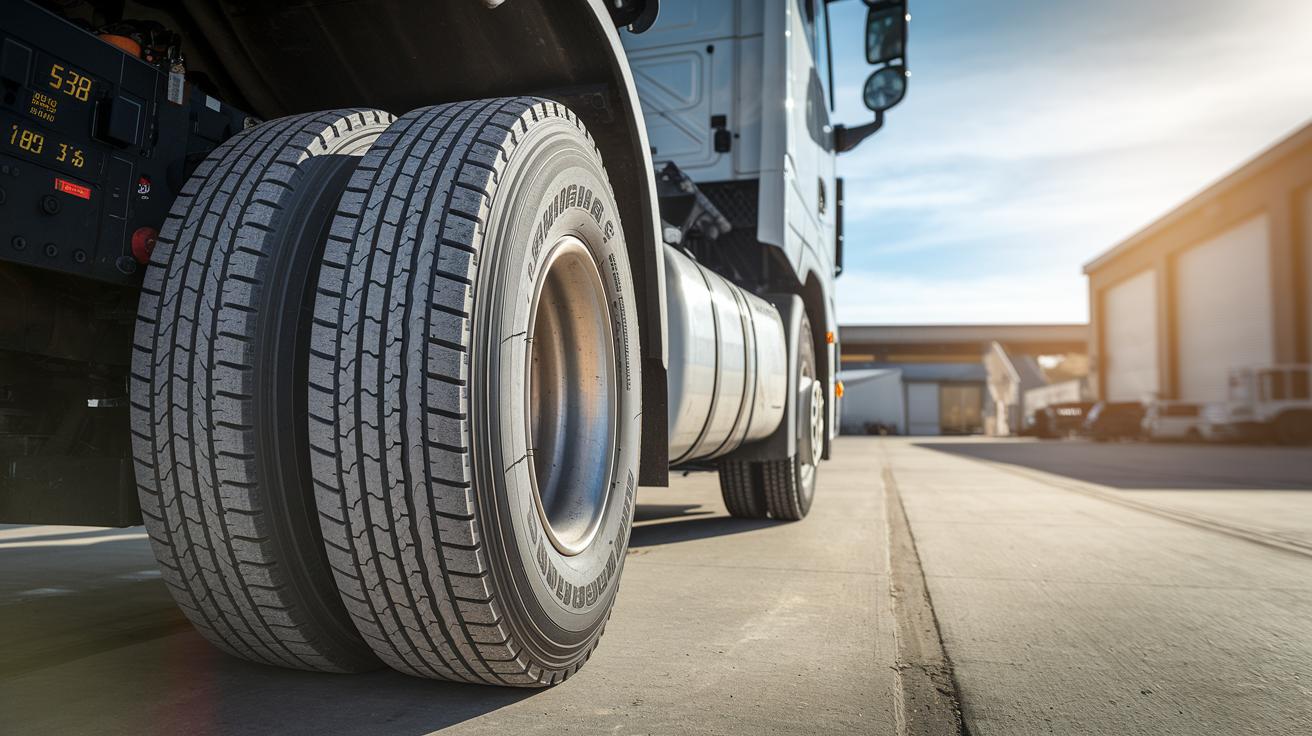
Smart tire tech is like having a trusty co-pilot for your fleet. Tiny sensors check each tire's pressure (how full they are with air) and temperature (how hot they get) every 4 or 5 seconds. They send this data straight to fleet managers in real time, so any small hiccup can be caught early, much like checking your fuel gauge before hitting the road. This early warning system can cut downtime by 30–50% and help tires last 20–40% longer.
Digital pressure monitors make it easy to keep tires properly inflated, boosting fuel economy by around 3%. Proper inflation means your tires work less hard (rolling resistance is the extra effort tires put in), which saves fuel and reduces wear. This smart technology not only cuts down on repair costs but also lowers safety risks. If you're curious about all the perks, there’s a handy link on the benefits of smart tires for fleet management.
And here's another bonus: real-time alerts and constant monitoring make vehicles safer on the road. Instant updates help prevent costly repairs and unexpected roadside stops. With connected wheel sensor systems, fleet managers get a clear picture of tire conditions, making scheduled maintenance simpler and more efficient. When you have accurate data like this, it's easier to make decisions that save money and keep everyone secure.
Integrating smart tire technology into commercial fleet systems

Smart tire sensors work hand in hand with fleet management systems, giving managers quick updates on tire health, how vehicles are used, and driving behaviors. These sensors send data every 4–5 seconds over wireless signals so that even a small change in tire pressure or temperature is recorded almost immediately. But when things get busy, or if there’s interference, the readings might not be perfect, kind of like when a guitar is just a bit out of tune. Getting the sensors calibrated just right and using the right gear helps keep the data solid and reliable.
Mixing these new sensors with older fleet systems means you might have to update a few protocols and offer practical training for drivers and maintenance techs. Without a common format for the data, the system might have trouble keeping up with the constant stream of information, which can sometimes lead to mistakes. With proper training, staff can interpret sensor reports with ease, ensuring both performance and safety. Upgrading older systems with the right steps for data integration and calibration makes these smart tire sensors a powerful tool to keep your fleet running smoothly and safely.
Operational benefits of smart tire technology in fleet management

Smart tire technology boosts fleet safety and efficiency by moving upkeep to a proactive, sensor-based model. It uses real-time alerts (alerts that show the tire's condition right away) and automated repair schedules. This approach can cut unexpected downtime by as much as 50% and even extend tire life by 20-40%. Imagine a system that picks up a small drop in tire pressure, much like you would notice your car’s check engine light before any real trouble shows up.
It also helps prevent sudden roadside issues by spotting problems early. Repairs get scheduled just when they’re needed, which keeps tires on the road longer. For example, construction fleets have seen safety improvements of up to 87% on site. Urban fleets have experienced up to a 90% drop in downtime because vehicles stay on the move. Plus, fuel efficiency rises by about 6% thanks to tires performing at their best.
These smart sensors and automated tools blend right into fleet maintenance, making operations both safer and more cost-effective.
Real-world case studies of smart tire technology in commercial fleets

Farming operations have seen a real boost from using smart tire systems. One farm using VF tires set up a connected wheel sensor to keep an eye on small changes in tire pressure. When the pressure dropped in humid weather, the system sent an alert so the team could make adjustments right away. This timely fix led to a 4.3% increase in corn yield. A manager even said, "We got better crop results when we checked our tire pressure more often , like the tires were giving us a little nudge."
Construction fleets have also found smart tire tools very helpful. One company used automated vehicle checks and remote analytics to spot tire wear on days with heavy loads. Real-time alerts let them plan maintenance during natural work breaks, which meant fewer disruptions from tire issues.
Urban delivery fleets are using smart tire tech to dodge unexpected delays. By keeping a constant watch on tire health, the team can tune up performance as needed. One operator mentioned, "We now catch small problems before they turn into big delays, keeping our vehicles running smoothly all day." This approach has shifted their work from fixing problems after they arise to planning service ahead of time.
| Fleet Type | Benefit | Metric |
|---|---|---|
| Agricultural | Boost in crop yield through timely tire adjustments | 4.3% increase in corn yield |
| Construction | Better maintenance planning during work breaks | Fewer tire-related interruptions |
| Urban Delivery | Fewer surprises with predictive fault detection | Planned service intervals based on tire condition |
Calculating ROI for smart tire technology in fleet management
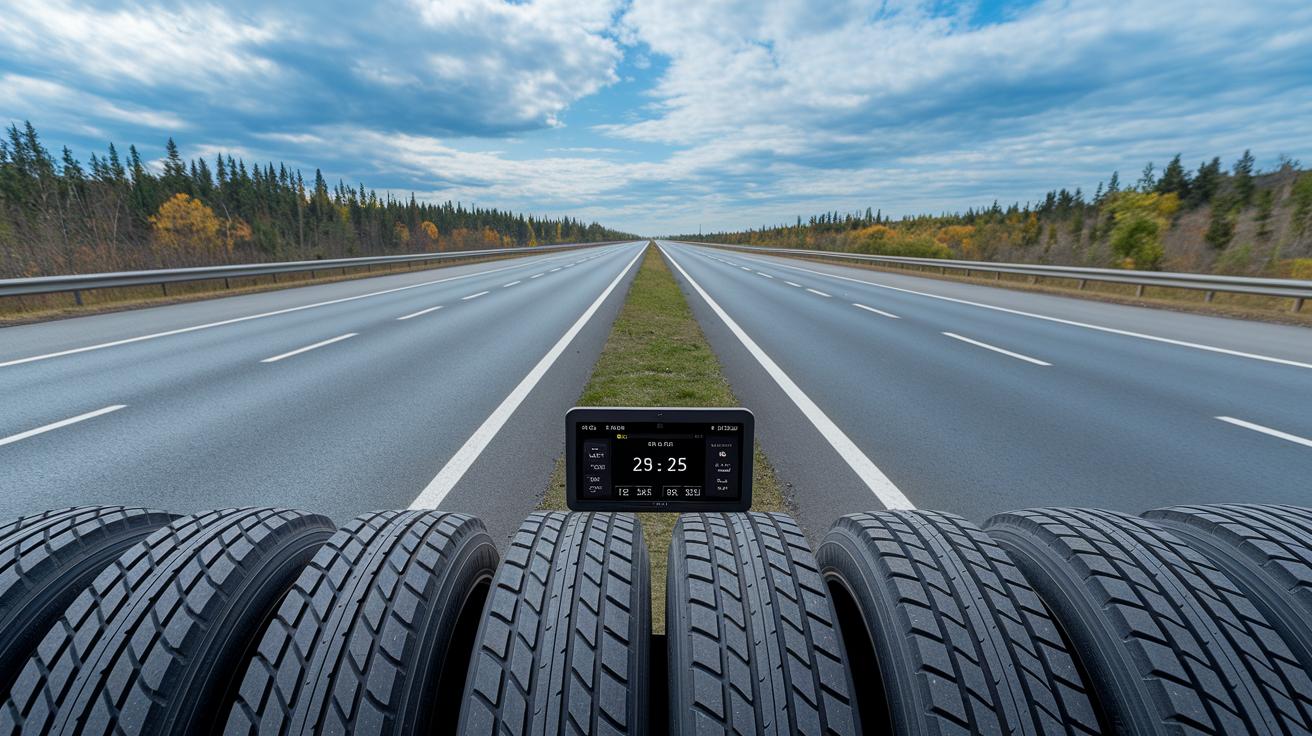
Smart tire technology can really help your fleet run smoother. It cuts downtime by about 30 to 50% and lets tires last 20 to 40% longer. Ever wonder how that adds up? Think of each minute of downtime costing you money. With fewer unexpected stops and longer-lasting tires, your maintenance bills drop. One way to see these savings is to take the percentage cut in downtime, multiply it by your hourly operating cost, and then add what you save on fewer tire replacements.
These smart tires don’t stop there. They also help improve fuel economy by around 3% for long-haul fleets. Picture it like this: you start with your usual fuel cost, apply that 3% gain, and suddenly your fuel expenses are lower. So if you pay a set rate per mile, multiply that cost by 0.03, and you can clearly see the fuel savings in action.
Plus, better tire systems boost safety and can lower your insurance premiums and repair costs. Fewer accidents mean you’re not paying as much when things go wrong. To figure out these benefits, you estimate how much your accident rates drop and multiply that by the average cost of repairs or insurance per incident. This simple math shows how regular tire checks and predictive fault detection not only keep you safer but also help manage overall fleet costs.
Overcoming challenges in deploying smart tire technology in fleets

Rolling out smart tire tech in fleets comes with a few bumps along the road. Sensors like the MS5803-14BA might show a little difference, about 0.18 PSI (a small pressure gap) from the true reading, which can add up when you have many vehicles. Rough weather and tough outdoor conditions can also throw off these sensor readings if the hardware isn’t built tough. On top of that, linking these new systems with older fleet computer setups can be a real challenge, often requiring custom software workarounds. And don't forget, drivers and maintenance crews need some extra training to understand the new data and alerts.
- Use rugged sensor hardware that can handle harsh weather and rough conditions.
- Check and recalibrate sensors regularly to cut down that 0.18 PSI gap and keep readings steady.
- Build a custom middleware solution that lets your new sensors talk with your old fleet management software.
- Train drivers and technicians so they can easily read and act on the sensor alerts and data.
Even small differences in sensor readings can affect your whole fleet if they aren’t managed well. By using high-quality hardware, sticking to regular calibration, and smoothly integrating new tech with your existing systems, you can confidently adopt smart tire technology. Plus, well-trained staff mean fewer surprises and safer rides overall.
Emerging trends in smart tire technology for commercial fleet management
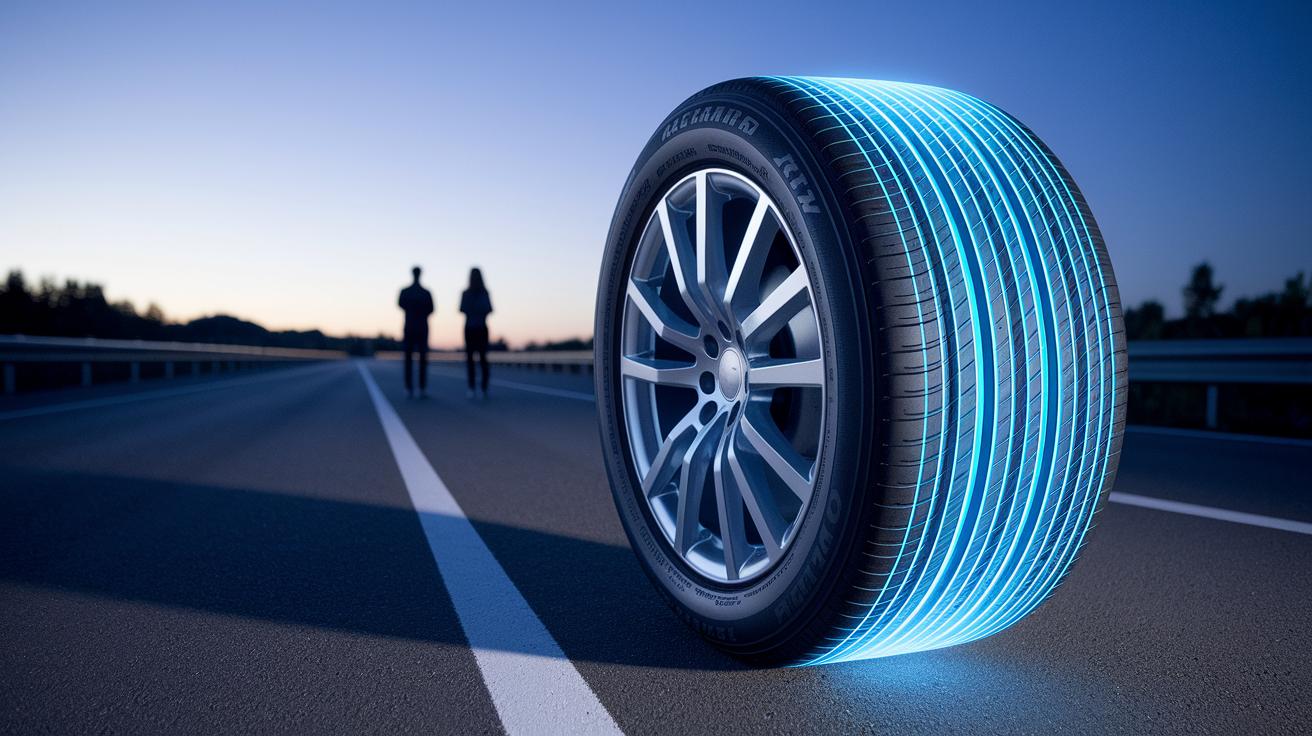
Smart tire tech is speeding ahead in a big way. Instead of just keeping an eye on things, today's systems let tires adjust their pressure based on how heavy the load is and the type of road they’re on. It's like your tires are having a little conversation with the road. And with augmented reality imaging, fleet managers can see clear 3D views of tire treads and sides (that means the outer parts of the tire) right from a distance.
Then there’s sensor fusion. That’s when data from different sensors gets mixed together to give a clear picture of how the tires are performing. Ever notice how a smooth ride can change your whole day? That’s what this tech aims for, making sure tires always work at their best.
New pressure equalization systems keep dual tires properly inflated automatically, which not only cuts down on wear but even helps save fuel. Plus, automated visual scanners and smart diagnostic tools now handle inspections and data checks, reducing the need for tedious manual work. And looking ahead, autonomous monitoring and mobile diagnostic platforms are ready to make tire care even easier.
With advanced predictive software working with fleet systems, managing tires will soon be smarter, quicker, and more reliable. In the end, this fresh wave of tire technology is set to boost both efficiency and safety for commercial fleets, paving the way for smoother journeys every day.
Final Words
In the action, we explored how advanced sensor systems and real-time monitoring boost fleet performance and safety. Each section dug into reducing downtime, improving fuel economy, and cutting maintenance costs with smart tire systems.
We also saw how proper integration and training can make a real difference. With smart tire technology in commercial fleet management, drivers gain peace of mind and fleets enjoy enhanced performance on the road. Stay safe and ride with confidence.
FAQ
What technology is used in fleet management?
The technology used in fleet management involves smart tire systems with embedded sensors that monitor tire pressure and temperature every few seconds, sending real-time data to help improve safety and reduce maintenance downtime.
Is the smart tire still in business?
The smart tire technology remains active in the market, with ongoing development driving improvements in fleet safety, cost savings, and operational efficiency for commercial fleets.
How do smart tires work?
The smart tire works by using embedded sensors that measure pressure and temperature, sending near real-time data to fleet systems to trigger predictive maintenance alerts and optimize tire performance.
What are the latest tire innovations?
The latest tire innovations include predictive tread wear alerts, digital pressure monitoring, and connected wheel sensor systems, offering real-time insights and improved fleet efficiency while reducing downtime and operating costs.

