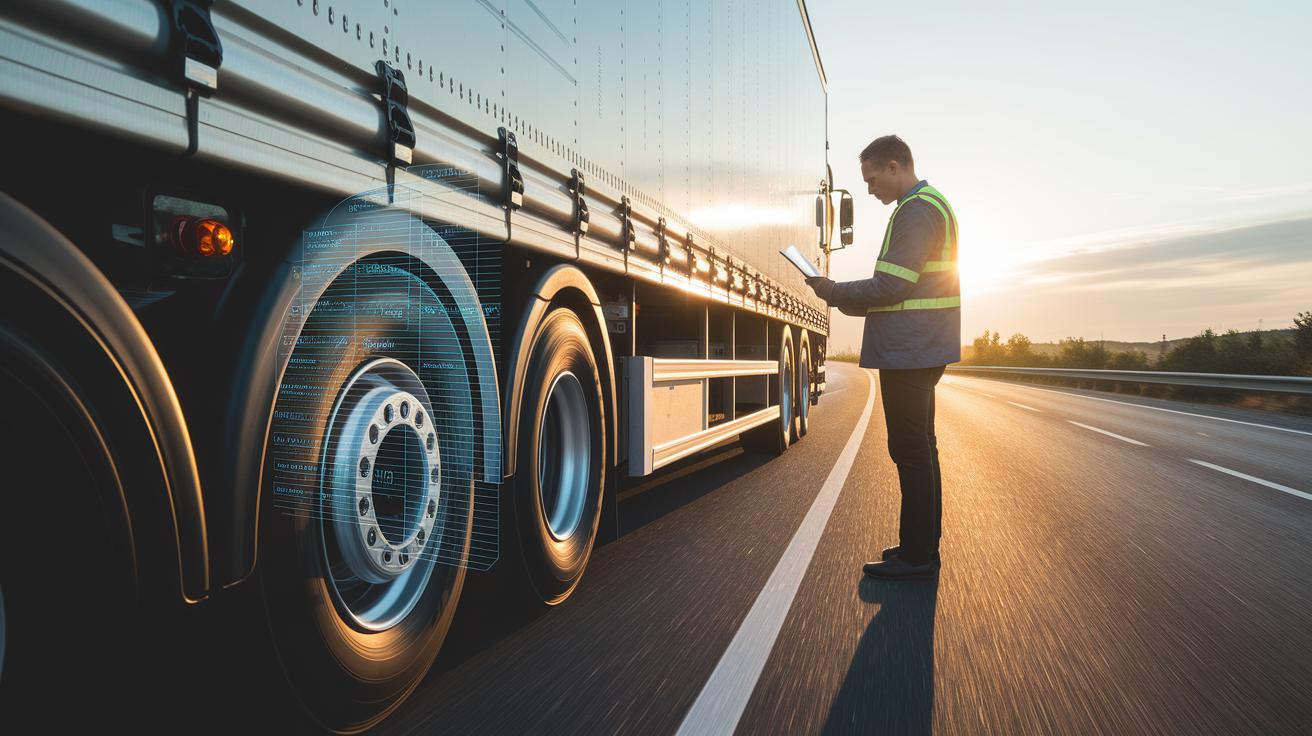


Ever wonder if a small tire change could make your fleet run smoother? Smart tire technology gives truck fleets an edge by sending real-time updates on things like pressure, temperature, and tire wear (how fast the tire’s surface fades away).
Imagine having a tire expert in the passenger seat, warning you about little issues before they turn into big, expensive repairs. This smart system helps shift from sudden, emergency fixes to regular, planned check-ups.
Sensor data streams right to your dashboard, making it easier to manage large trucks and keep everyone safe on the road.
How Smart Tire Technology Improves Efficiency, Safety, and Cost Savings in Commercial Fleets

Smart tire technology is like having a tire expert riding shotgun with you all the time. It goes beyond the basic tire pressure monitoring system by using built-in sensors that check pressure, temperature, and tread wear (which means how quickly the tire’s surface wears down) every 4 to 5 seconds. This continuous check helps fleet managers catch issues early, like noticing when tires aren’t fully inflated, which can lower fuel efficiency by 2–3% at about 75% of the recommended pressure or by 5–10% when it drops to 50%. It brings to mind how before these smart systems, unexpected tire failures could lead to costly delays and repairs.
The system also sends out predictive alerts to warn drivers about things like uneven tread wear and rising temperatures. These alerts not only boost safety but also cut downtime by 30–50% and help extend tire life by 20–40%. This means drivers feel a steadier, more secure ride while maintenance crews can plan fixes ahead of time instead of scrambling for sudden repairs.
What’s more, all this sensor data plugs right into digital fleet telematics and vehicle monitoring systems, showing up in real time on your dashboard. That way, decisions are made quickly and with confidence. For instance, keeping tires inflated at the optimal level can improve the fuel economy of big trucks (Class 8 trucks) by at least 3% according to EPA figures. In other words, using pressure sensor systems lets fleet operators shift from reactive fixes to scheduled maintenance, cutting costs and bumping up overall fleet performance.
Learn more about the benefits of smart tires for fleet management (https://tityres.com?p=2392).
Key Technologies and Sensor Capabilities in Smart Tires

Smart tires now pack advanced tech that goes far beyond old tire pressure monitoring systems. They come with an Adaptive Tire Management System (ATMS) that adjusts based on the load and road conditions, which is a clear step up from the old TPMS setup.
At the heart of these smart tires is the MS5803-14BA sensor. This sensor is very precise, it measures pressure accurately within 0.1 mbar (that's roughly ±0.18 PSI). Paired with small IoT modules, it sends fresh readings every 4 to 5 seconds, giving you real-time updates on pressure, temperature, and even how quickly the tire surface is wearing down (tread wear).
But these sensors do more than just check pressure. They also spot uneven wear and rising temperatures. This early alert system helps fleet managers catch small issues before they turn into serious safety hazards. For example, a slight rise in tire temperature or an odd change in tread wear might trigger a maintenance alert, so repairs can be done before things get dangerous. And, they’re built to last 5 to 10 years, recalibrating on their own thanks to smart, adaptive algorithms.
On top of that, thermal sensors are watching for any heat buildup around the clock. Their data flows into the vehicle’s telematics system, which is a big help for commercial fleets. Every piece of data fine-tunes tire performance, letting fleets adjust maintenance schedules, minimize downtime, and keep on the road safely. It’s a bit like having a tire expert riding along with every truck, always making sure each tire is in top shape.
Integrating Smart Tire Data into Fleet Telematics and Analytics Platforms
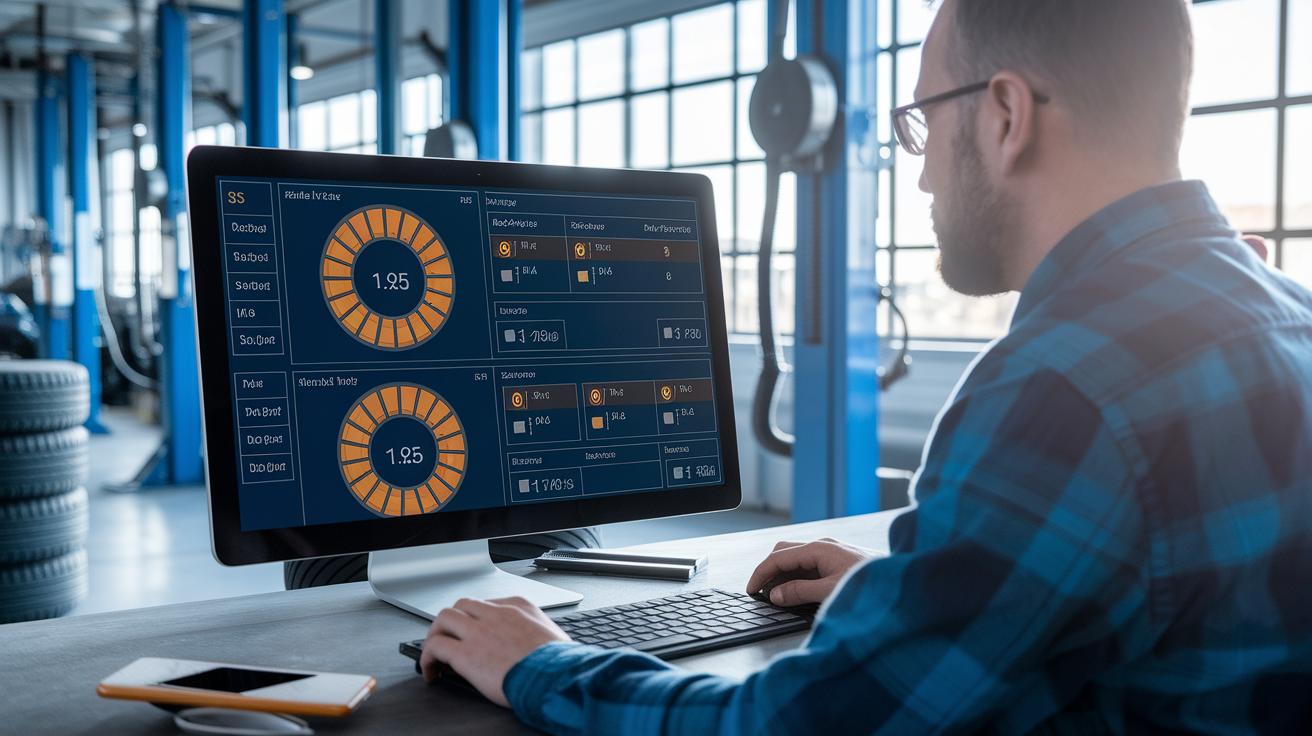
Smart tire sensors send important info straight to fleet management systems using cloud connections that work with platforms like Samsara and Verizon Connect. Data such as tire pressure, temperature, and tread wear (how quickly a tire’s surface erodes) is sent every few seconds and shows up on dashboards like real-time scorecards. These scorecards give fleet managers quick alerts when something seems off, like sudden drops or jumps in pressure. This lets them check things immediately before small problems grow into bigger ones.
The dashboards also study past data to spot trends. As vehicles gather more sensor info over time, the system gets better at predicting wear and potential risks. This helps fleet managers plan smart service windows based on condition checks, so they avoid unexpected breakdowns. In truth, having real-time monitoring and data-driven insights means managers can make clearer decisions about maintenance and when to replace parts, which keeps everyone safer on the road.
Smart Tire Implementation Strategies and Best Practices for Commercial Fleets
Deployment Planning
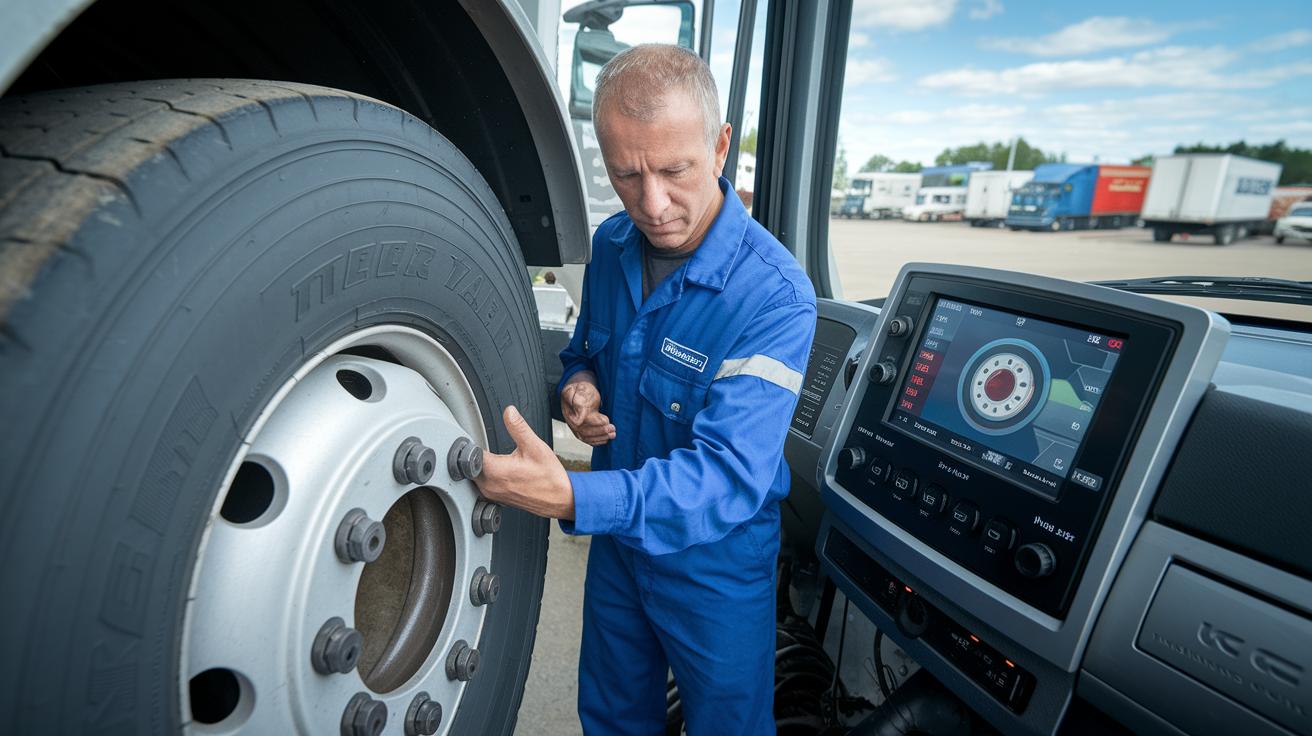
Start with a careful check of your fleet, almost like doing a pre-trip checklist for each vehicle. Look at what each truck needs and pick tire models and sensor kits that will work best. Make sure the sensor kits are set up right so that they accurately measure tire pressure, temperature, and tread wear (the rate at which a tire’s surface wears down). Even a small misstep in calibration can hide early signs of tire damage, and we all know how important it is to catch issues before they become big problems.
Data Configuration and Thresholds
Next, hook up your sensors to your digital fleet monitoring system. Think of this like setting up your car’s dashboard alerts to pop up when fuel is low. By choosing clear alert levels for pressure, temperature, and tread wear, any unusual changes will immediately catch your attention. Use easy-to-read dashboards to keep track of all the sensor information and set regular check-ins to catch every little detail. This steady monitoring makes it possible to plan maintenance ahead of time, cutting downtime almost in half.
Training and Maintenance Scheduling
Finally, make sure everyone, drivers and technicians alike, understands what each alert means and how to act quickly. It’s not just about spotting a warning light; it’s about knowing when to slow down, inspect a tire, or schedule a service. Equip your team with simple tools like a car maintenance tracker to log tire services and plan regular upkeep. This friendly routine not only keeps your fleet safer but also maximizes your return on investment and builds confidence on every road you travel.
Real-World Case Studies of Smart Tire Adoption in Fleet Operations
Construction Fleets
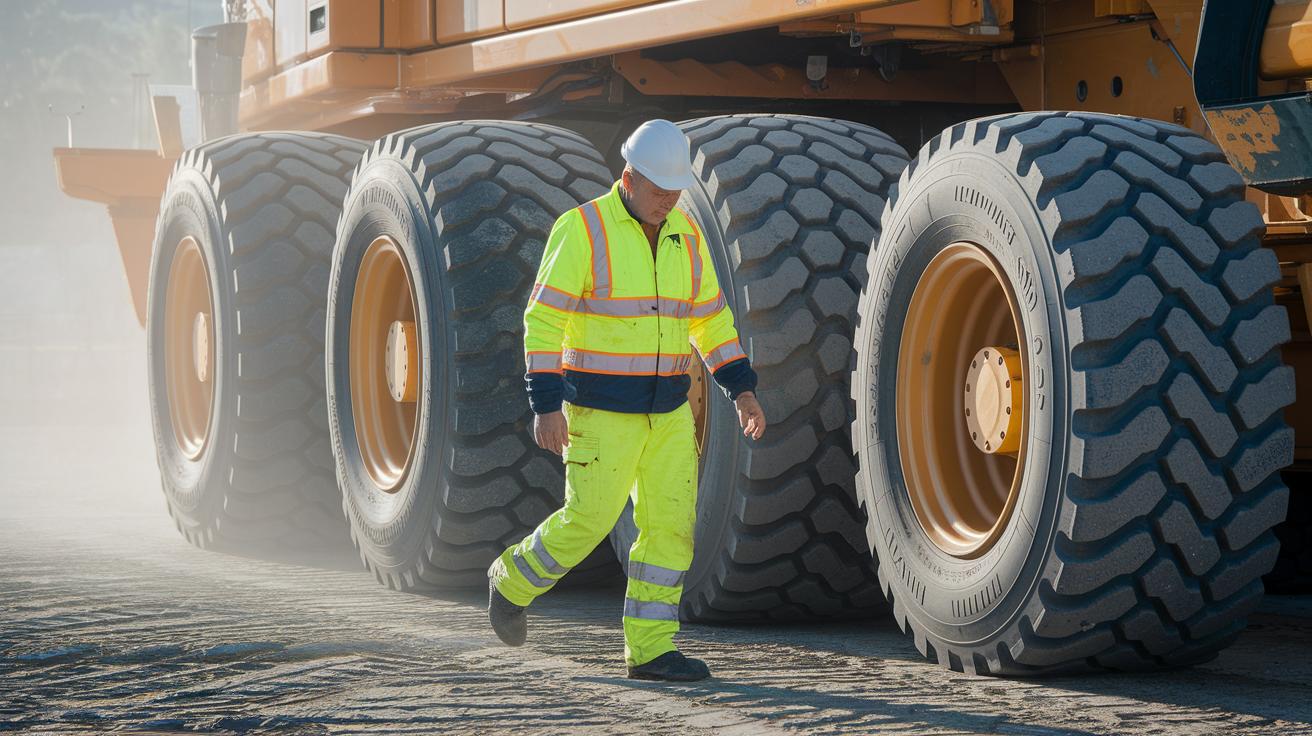
In construction fleets, smart tire systems are really making a difference. They use terrain-adaptive pressure control (a way to adjust tire pressure based on road conditions) that boosts safety by 87%. Imagine driving past a busy work site knowing that the sensors keep things secure, kind of like a pilot trusting his instruments in tough weather. This smart system helps avoid parts of 11,000 tire accidents every year, saving crews from expensive and dangerous mishaps while keeping maintenance planning on track.
Agricultural Fleets
Farmers are seeing big benefits from smart tire technology too. These advanced tire systems can carry 40% more weight at the same air pressure as normal tires, which helps lessen soil compaction and even bumps up crop yields by 9%. Picture a tractor rolling across a field with tires that spread the weight evenly, protecting the soil so crops can thrive. With sensors that check tire pressure and temperature all the time, farmers can keep their machines working at their best and avoid unexpected delays.
Urban Delivery Fleets
City delivery fleets are using smart tire systems to cut down on downtime and fuel costs. Daily automated alerts from these sensors lead to a 90% drop in vehicle downtime, keeping deliveries on schedule. Drivers also notice about a 6% improvement in fuel efficiency thanks to better routing and real-time tire updates. With such accurate monitoring, urban delivery vehicles steer clear of surprise tire problems, helping them run smoothly and save money.
Measuring ROI, Cost Savings, and Future Market Trends for Smart Tires
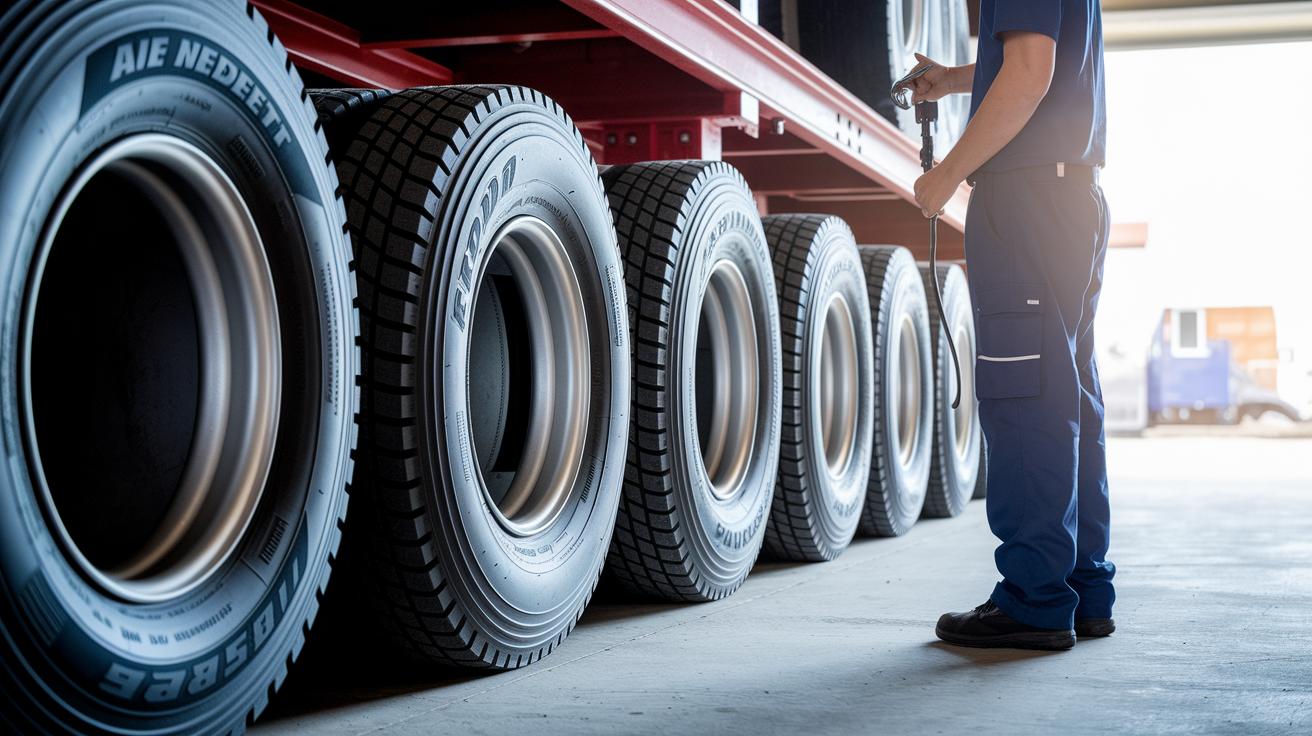
Keeping your tires properly inflated can save heavy trucks at least 3% on fuel, according to EPA numbers. Even a small dip in pressure can cause tires to work harder against the road (rolling resistance, which is the extra friction that makes your engine pull more), bumping up fuel use by about 4 to 11%.
Taking care of your tires with predictive maintenance (checking tire conditions before problems arise) can cut operating costs significantly. With smart systems that send alerts based on real-time tire data, fleets can reduce downtime by 30 to 50% and extend tire life by 20 to 40%. This means vehicles stay on the road longer and surprise repairs become a thing of the past.
The roadside-assistance sector is a big deal too. Valued at around US$24.34 billion in 2023, it's expected to grow to US$35.73 billion by 2030. This jump highlights how important preventive measures are becoming. Smart tire systems help lower the chance of roadside issues and make fleet management easier.
Looking ahead, experts say the global smart tire market could hit US$200 billion by 2033, growing about 7.8% each year. These numbers back up the idea that investing in advanced tire technology is a smart move for those managing large fleets, bringing clear benefits like improved cost efficiency and smoother operations.
Final Words
in the action our blog showed how advanced sensors keep track of tire pressure, temperature, and tread wear, helping fleets cut downtime and boost fuel savings. Smart tech drives measurable gains and cuts maintenance costs. We walked through setup steps, real-world use cases, and fleet telematics integration. It’s clear that smart tire technology in commercial fleet management offers a simple, effective way to keep operations safe and efficient. Here’s to smoother rides and a safer road ahead.
FAQ
What technology is used in fleet management?
The technology used in fleet management includes smart sensors that monitor tire pressure, temperature, and tread wear combined with digital telematics and cloud-based analytics to provide real‑time insights into vehicle performance.
Is the Smart Tire company still in business?
The Smart Tire company remains active, offering innovative tire sensor solutions for modern fleet management. For the very latest updates, it’s best to visit their official website.
How do smart tires work?
Smart tires work by using embedded sensors to continuously check pressure, temperature, and tread wear. They send this data to telematics platforms, helping fleet managers take timely action for improved safety and efficiency.
What are the latest tire innovations?
The latest innovations include adaptive tire management systems that adjust to different loads and real‑time analytics that offer predictive alerts, helping fleet operators boost safety, cut costs, and reduce downtime.

