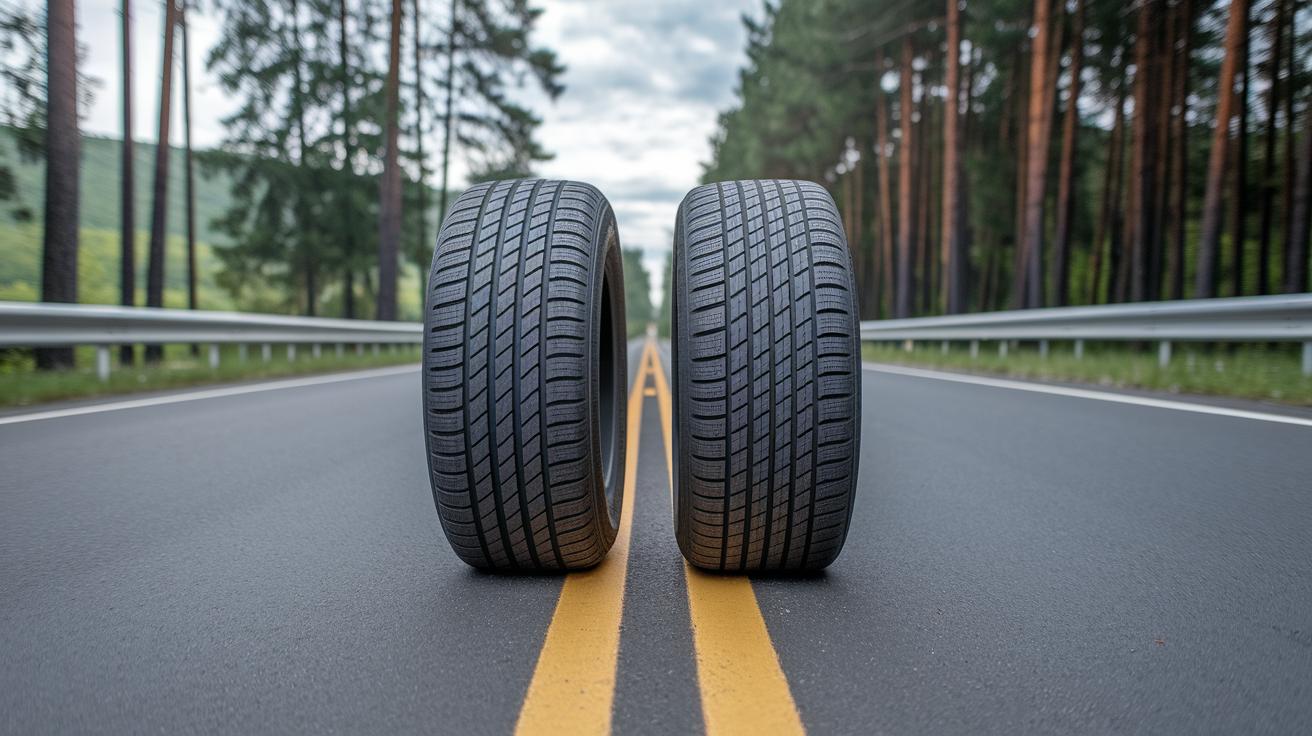


Ever thought about giving smart tires a try? Picture your tires checking their own pressure and temperature on the fly while you drive. It’s like having a friend alert you before something goes wrong. Smart tires send early warnings and fine-tune their grip so you get a smoother ride.
Studies even show that these tires can cut the time you spend waiting around by half and help your tires last up to 40% longer. Basically, the high-tech sensors and constant updates make smart tires a step above the old-fashioned ones.
Performance metrics overview for smart tires vs traditional tires
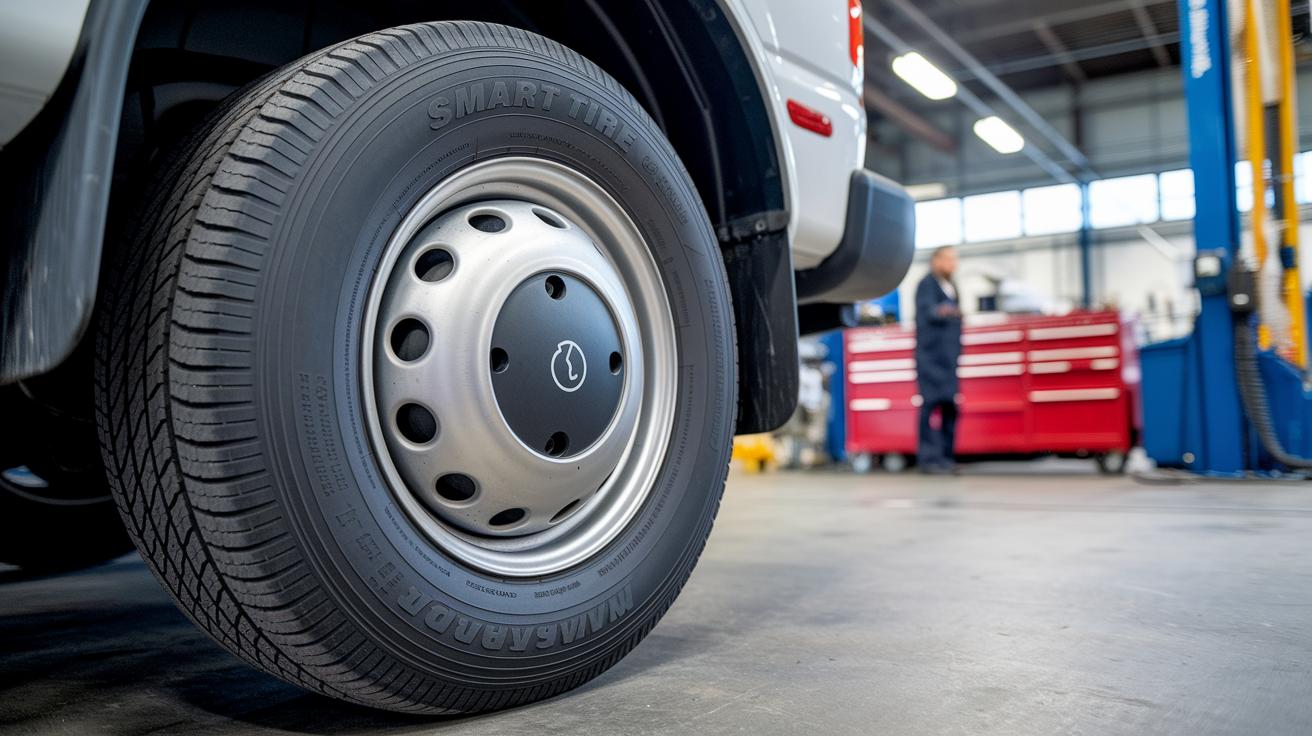
Smart tire systems now come with built-in sensors that send fresh updates every 4–5 seconds. Instead of the old tire pressure warning system that only buzzed when pressure was low, today’s systems constantly check tire pressure, temperature, and how fast the tire’s surface wears away. They not only alert you to potential issues early on but also fine-tune performance as you drive.
Fleet managers are really seeing the benefits of smart tires. One study shows that these tires cut equipment downtime by 30–50% and can last 20–40% longer than regular ones. And guess what? The smart tire market might hit US$200 billion by 2033 with a steady growth of about 7.8% per year. It’s clear these innovations are changing how we think about tire strength and efficiency.
| Performance Metric | Smart Tires | Traditional Tires |
|---|---|---|
| Fuel Efficiency | Keeps tires at the best pressure to save over 3% fuel on long trips; prevents about 0.2% fuel loss per PSI drop | Fuel use drops when tires are under-inflated |
| Downtime Reduction | 30–50% less downtime thanks to early alerts | No real-time updates |
| Tire-Life Extension | Lasts 20–40% longer with smart upkeep | Prone to uneven wear |
| Safety Gains | Warns early for low tire pressure and high temperature | Only basic alerts available |
All in all, smart tires really step up the game. With real-time sensor data (see How Do Smart Tire Sensors Work), they help boost fuel efficiency, cut downtime, extend tire life, and increase safety. Clearly, they leave traditional tires in the dust.
Fuel efficiency differences in smart tires vs traditional tires

Smart tires use built-in sensors to keep an eye on tire pressure and lower rolling resistance (the extra force needed to keep tires moving). For long-haul Class 8 trucks, this smart system can cut fuel use by more than 3%. Regular tires lose about 0.2% fuel efficiency for every PSI drop in pressure, so if a tire loses half the recommended pressure, you might burn through 5–10% more fuel.
Urban delivery fleets benefit too. With constant monitoring, smart tires can boost fuel economy by up to 6%. This means drivers can quickly decide if they need simple fixes, like rotating their tires, to keep everything running at its best.
Imagine noticing that a small change in pressure saves big on fuel. One driver mentioned, "A little tweak in tire pressure saved my rig money on every mile." It’s a real-time helper that makes a noticeable difference no matter what you’re driving.
| Vehicle Type | Savings with smart tires | Cost with traditional tires |
|---|---|---|
| Long-haul Class 8 | Over 3% fuel savings | 0.2% loss per PSI drop; 5–10% loss at 50% deflation |
| Urban fleets | Up to 6% improvement | Fluctuating losses with manual checks |
| Consumer vehicles | Optimized performance with continuous monitoring | Susceptible to inefficiency from under-inflation |
Handling and road grip evaluation for smart tires vs traditional tires
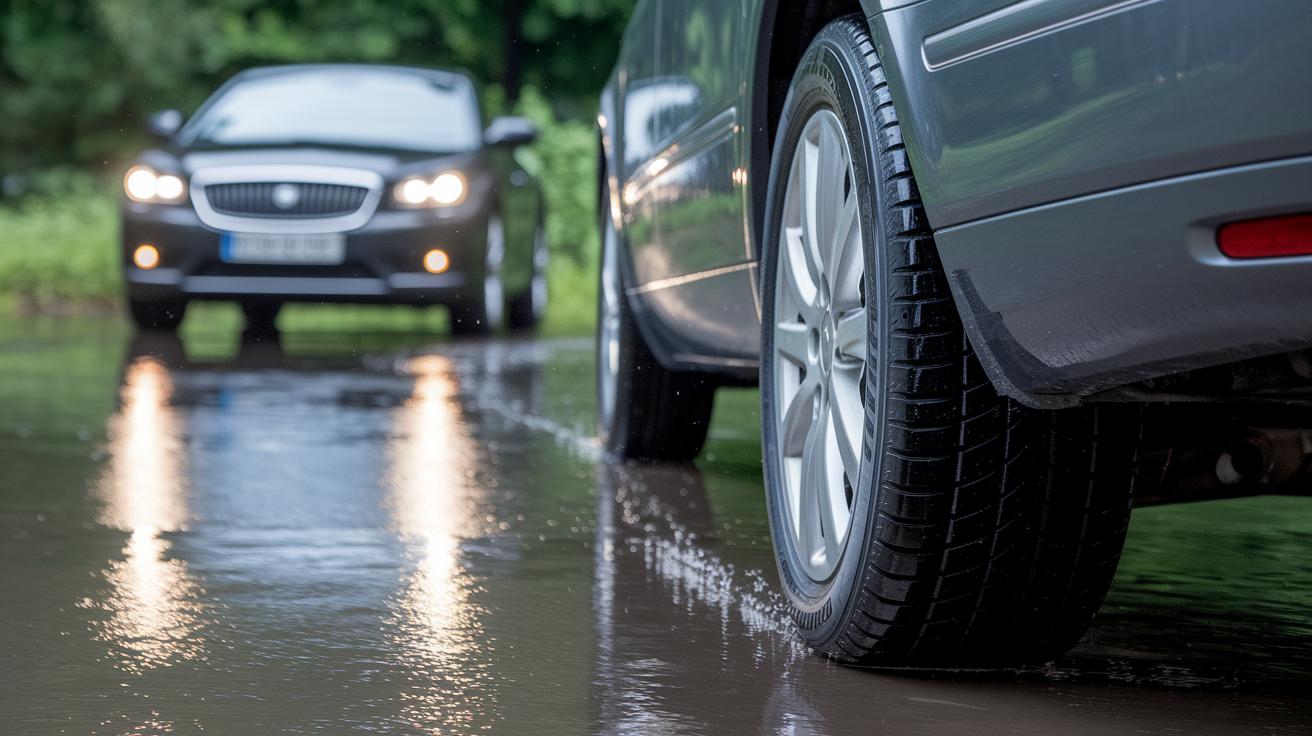
Smart tires come equipped with tiny sensors and special compounds (materials that change to match the road conditions) that adjust on the fly. So if you suddenly drive over an icy patch, these tires instantly react to keep your car steady. Picture riding along a wet road while your tires shift their grip to match each twist and turn, this is what smart tire technology does, unlike traditional tires that stick with the same fixed tread and compound.
These smart tires also send road condition details straight to your car, helping it fine-tune its suspension. For instance, a sporty car can tweak its handling when taking a sharp turn, which improves stability and steering. Meanwhile, conventional tires have no way to adjust in real time and rely solely on their original design.
Real-world tests show that smart tires generally offer better grip and control when compared to older designs. Their built-in sensors keep a constant check on how well they are holding the road, which means they maintain the best possible contact during tricky maneuvers. This improved performance gives drivers a reassuring sense of control and confidence that standard tires just can’t match.
Durability metrics and wear pattern analysis for smart tires vs traditional tires

Smart tires come with built-in sensors that check not just tire pressure but also temperature and tread depth (this means how quickly the tire’s surface wears away). This ongoing check helps catch problems like uneven tread wear early on. By spotting signs of over-inflation or under-inflation right away, these tires can last 20–40% longer than ones that only look after pressure.
These tire sensors work all the time to watch over every part of your tire. For example, they help stop the tire’s center from wearing out too fast if it’s over-inflated and keep the sides in good shape if it’s under-inflated. It’s like having a friend who keeps you posted on every little detail, so you can repair things before they turn into big issues.
On the flip side, traditional tires often hide wear problems until they become serious. Their basic systems only alert you about pressure issues and miss out on tracking temperature shifts or gradual tread wear. This missing information means that regular tires might not be as reliable as smart tires over time.
With its timely, sensor-driven alerts, smart tires give you a head start on maintenance. By fixing small problems early, they clearly outperform traditional tires when it comes to lasting longer and keeping you safe on the road.
Safety feature assessment in smart tires vs traditional tires
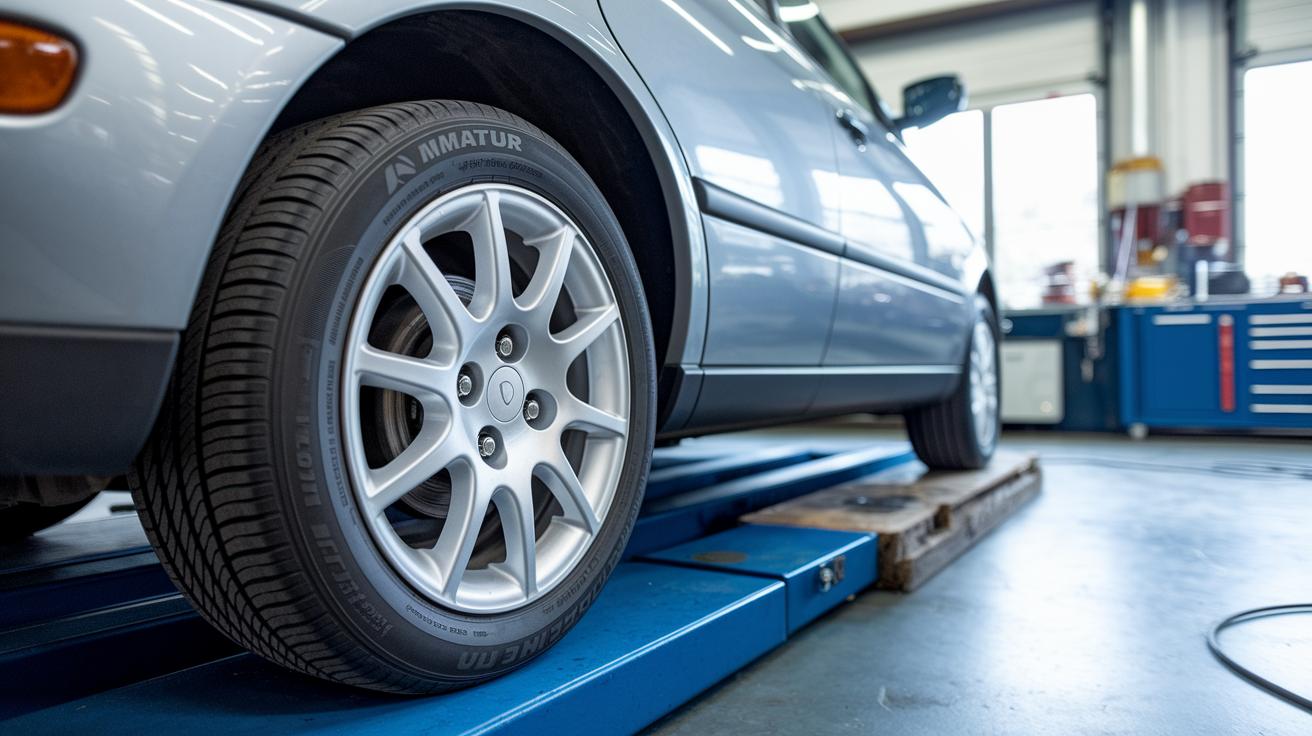
Smart tires come with built-in sensors that watch over your tire pressure, temperature, and tread wear (how quickly the tire surface wears down). Unlike basic tire alerts, these sensors send regular updates so you can spot issues before they turn into real problems. For example, a sensor might notice that the temperature is rising along with some small changes in the tread, kind of like giving your car a quick oil check mid-drive.
Some studies even show that using these smart tire alerts can cut accidents by up to 87%. I once heard about a fleet manager who spotted uneven tread early, preventing a risky situation on a busy day. This extra safety boost builds on the usual alerts and adds a techy twist that only smart tires can offer.
Plus, smart tires go well beyond simple pressure checks. They monitor several factors at once to give you a full picture of your tire’s health. Imagine a case where a small drop in pressure combined with a bit of overheating makes you pull over for a quick check, kind of like noticing a tiny leak before it becomes a big flood.
Challenges and maintenance strategies for smart tires vs traditional tires

Smart tire systems cost more upfront and need extra care compared to old-school tires. The advanced sensors in these smart systems often require recalibration or replacement more frequently than the typical TPMS sensors, which usually last about 5 to 10 years. In real-world use, these sensors might show slight differences, around 0.18 PSI instead of the lab-tested 0.1 mbar, especially when conditions are tough. This means extra attention is needed to keep everything running smoothly.
Keeping these sensors on track can feel a bit like juggling. Regular check-ups, similar to routine car maintenance, are important to catch any drift or misalignment early. Plus, with a constant stream of data, fleet managers might find themselves flooded with alerts. It’s crucial to set regular service intervals and filter out the noise so you’re not overwhelmed.
Compatibility can also be a challenge when new smart tire systems are added to existing fleet setups. Technicians need to be well-trained in how to calibrate these sensors and know the best maintenance tips. A review every 6 to 12 months can help spot issues before they turn into expensive repairs.
For vehicle owners and fleet operators, investing in diagnostic tools that work well with onboard systems can make a big difference. These tools help smooth out data management and keep tire performance optimized, reducing unexpected downtime and repair costs.
Final Words
In the action, this article compared how smart tires vs traditional tires: performance comparison stack up on fuel efficiency, handling, durability, and safety. We explored how real-time monitoring with integrated tire sensors helps extend tire life and improve driving confidence. The discussion showed clear benefits from advanced alert systems while keeping maintenance simple and straightforward. The insights provided aim to guide everyday drivers, fleet operators, and auto enthusiasts toward smarter, safer tire choices, making every ride smoother and more secure. Enjoy the road ahead with confidence.
FAQ
What should green car buyers know about EV cars and their green benefits?
The green car buyers guide explains that EVs run cleaner and help cut long-term costs. It covers key features, incentives, and maintenance tips that make these eco-friendly vehicles a smart pick for saving energy and fuel.
How long do smart tires last?
How long smart tires last depends on proper upkeep. They often extend tire life by 20–40% through real-time alerts that help you spot wear early and keep them performing well.
What company makes the best performance tires?
What makes the best performance tires depends on your vehicle and driving habits. Reading reviews and comparing fuel efficiency, grip, and durability can help you decide which brand meets your needs.
What is the 3% rule for tires?
The 3% rule for tires refers to how smart tire pressure management can boost fuel economy by over 3% in long-haul trucks by keeping tires at their ideal pressure levels.
Are EV tires better than regular tires?
EV tires are built to handle extra weight and quick torque. They use advanced compounds and tread designs that improve grip and energy use, making them a practical option for electric vehicles.

