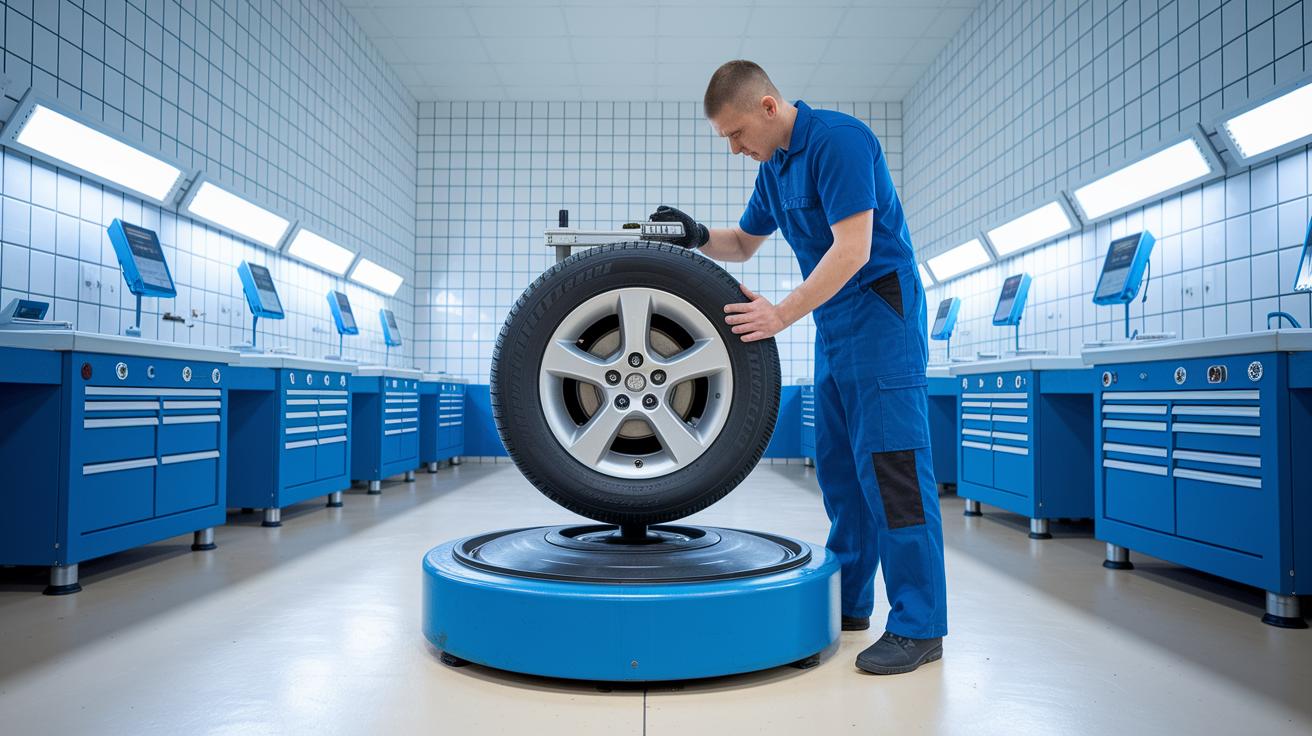


Have you ever noticed your steering wheel shaking when you're speeding down the highway? It might be because your tires have a tiny weight difference that throws them off balance. Static tire balancing fixes that by evening out the weight on each tire, kind of like adding counterweights on a seesaw to keep things level.
This method works great for simple wheel designs. It gives you a smoother ride without any extra hassle or expensive gear. In this post, we’ll break down how static balancing works and why it might be the right pick for a safe, calm drive.
Understanding Static Tire Balancing: How It Works and When to Use It

Static tire balancing is a simple way to even out the weight on your tire and wheel. It’s like checking a scale at home where one side tips lower than the other. Technicians put a clean tire on a balancing stand, spin it, and watch for spots that are heavier. When they find one, they add small clip-on or sticky weights (usually around 5 to 15 grams) on the opposite side to make things level.
Imagine a see-saw where one end weighs a bit more than the other, that extra weight can make your steering wheel shake when you drive above 50 mph. This process is straightforward and won’t cost a lot. It works best on older vehicles or with basic wheel designs where the imbalance is usually minor and only along one line.
Key benefits of static tire balancing include:
- Simplicity
- Affordability
- Quick setup
- Minimal equipment
- Effectiveness for small imbalances
These advantages make static balancing a solid choice for everyday drivers who want to cut down on vibrations and enjoy a smoother ride without needing high-tech equipment. On the other hand, dynamic balancing uses two sets of weights to fix both vertical and horizontal imbalances. It takes more advanced gear and is often used for modern deep-section wheels that need a bit more precision. For many basic setups, though, static balancing keeps your ride smooth without extra fuss.
Key Equipment and Machine Setup for Static Tire Balancing

A static balancer uses a tall, vertical spindle with a bubble-level (or an electronic sensor) to make sure your tire and wheel sit perfectly straight. Keeping it level is super important because it guides where the weight goes and keeps the readings consistent. It's kind of like checking that your car's dashboard is aligned before you start making adjustments.
You’ll need a few key tools for this job: weight pliers, precise steel or lead weights (tiny bits that help balance), a wire brush to clean the wheel rim, and weight holders. These tools help the technician add small weights and clear away any dirt from the rim, much like fine-tuning an engine before a long drive.
Setting up the machine also means calibrating it carefully. Always check that the bubble-level works correctly and that the spindle stays within a tolerance of plus or minus 0.5° (a tiny angle error). It’s a good idea to recalibrate every three months or after 500 cycles to keep the machine in top shape. These regular checks help catch small mistakes before they lead to a bumpy ride.
If you’re hunting for reliable balancing equipment, trusted providers are available through tire balancing services at https://tityres.com?p=2743. Getting your setup right and doing regular maintenance means you'll enjoy a smoother, safer, and more reliable ride.
Step-by-Step Static Tire Balancing Procedure
-
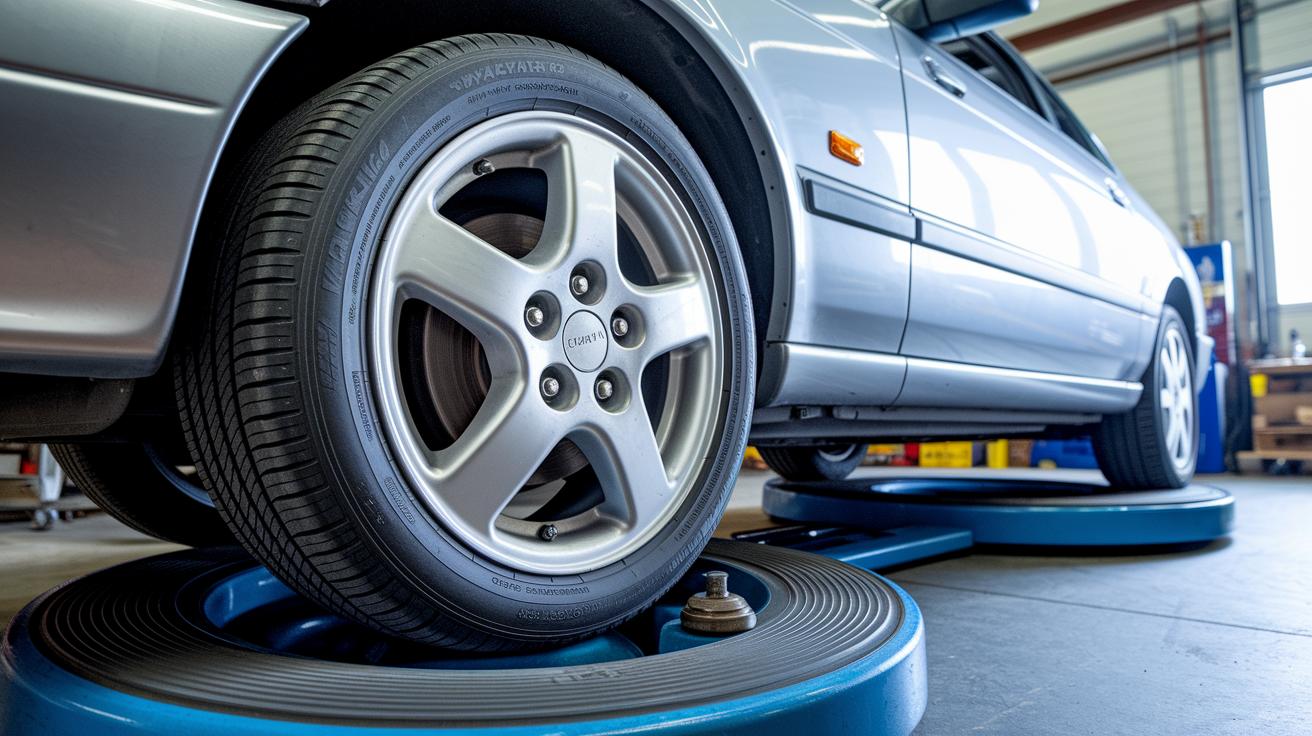
Start by putting a clean tire and wheel set on the balancer so it sits level. This is like setting up your ride – getting everything perfectly in place before you go.
-
Slowly spin the tire and let it settle on its own. As it turns, the heavy spot will fall to the bottom, much like a see-saw finding its balance.
-
Use some chalk to mark the heaviest, lowest spot on the tire. This little mark guides you on where to put a weight, like planning your next move in a simple game.
-
Add a small corrective weight on the side directly opposite the chalk mark, in 5-gram bits. These little pieces help balance the tire just like fitting puzzle pieces together.
-
Spin the tire again to check if it stops favoring any single lower position. If it still shows a heavy spot, go back and make another small adjustment, just like a quick tune-up at a pit stop.
-
Write down where you placed the weights on the tire. Keeping a log ensures you have a reference for future tire maintenance or rotations.
-
Do another spinning cycle and make sure the balance is stable throughout 2 to 4 full rotations. This extra check confirms that the weights are perfectly set.
-
Finally, double-check your balancer's sensor or bubble level to ensure it's properly calibrated. A quick calibration is like a short test drive, making sure everything is working right for your smooth ride.
Diagnosing and Troubleshooting Common Static Balancing Issues
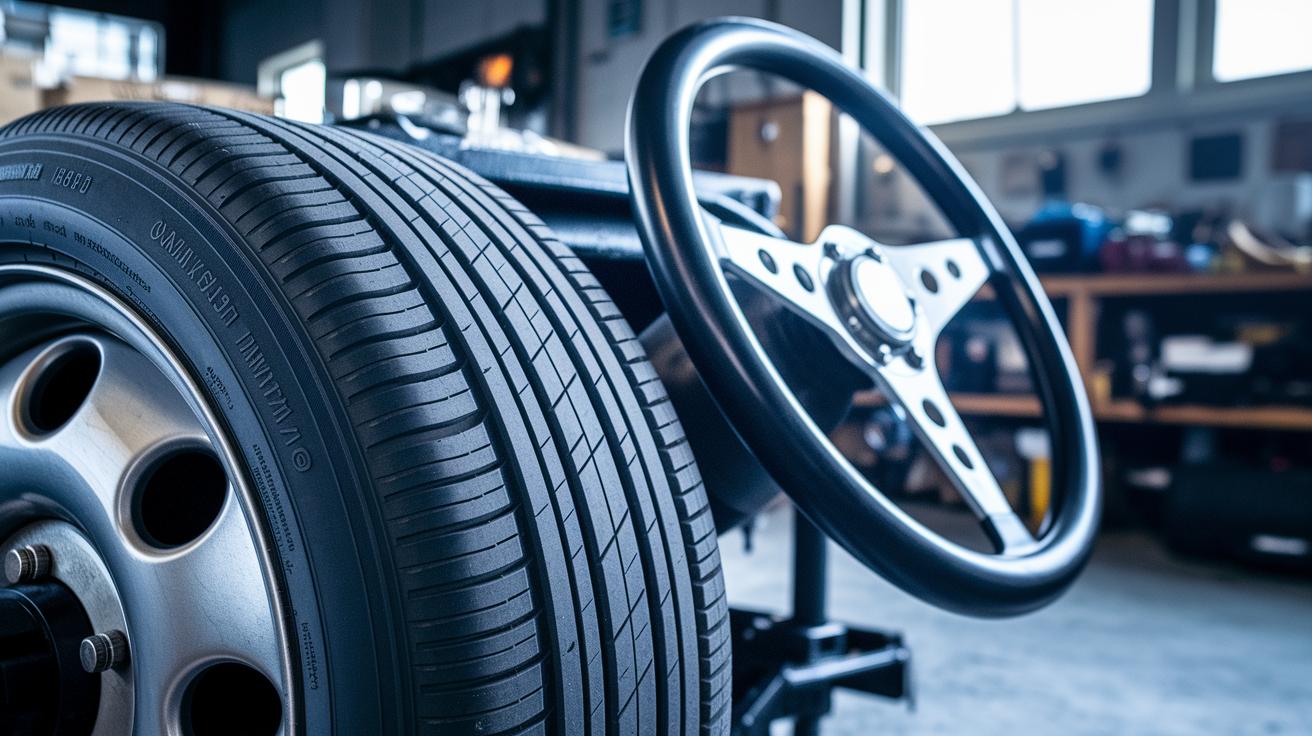
If you feel a vibration in your steering wheel, notice uneven tire wear, or experience a mild oscillation when cruising on the highway, it might be time to check your tire balancing. These signs often come from simple mistakes like misreading a level indicator or having some debris stuck on the rim. For example, if you spot issues like the ones discussed in this guide, it may be a good idea to clean the bead area (the part where the tire meets the rim) to clear off any buildup that could mess with the weight placement.
Sometimes the problem isn’t with your tires at all but with the machine doing the balancing. A small miscalibration of the bubble level or a weight that hasn’t stuck properly can easily throw things off. It’s always smart to double-check that the bubble indicator is lined up right and that your weights are firmly in place. And if you happen to see any rim runout (which is a slight wobble around the tire) using a dial indicator, that’s your cue to recalibrate the machine and ensure the weights are seated correctly.
After you’ve made these adjustments, take your car for a real-world test. Drive at speeds between 30 and 70 mph to make sure that the tire, once balanced while the car was stationary, now runs smoothly on the road. This road test is a key step in confirming that you’ve successfully fixed the issue.
Static vs. Dynamic Balancing Comparison

Static balancing fixes tire wobble in one direction, handling only the up-and-down (vertical) unevenness. Dynamic balancing, on the other hand, smooths out both the up-and-down and the side-to-side (lateral) shakiness, giving your ride a more even feel.
| Feature | Static Balancing | Dynamic Balancing |
|---|---|---|
| Imbalance Correction | Vertical only | Vertical and lateral |
| Cost Range | $500 – $2,000 | $5,000 – $15,000 (plus higher service fees) |
| Best Suited For | Vintage or narrow wheels in budget settings | Modern deep-section rims and high-performance vehicles |
Think of it this way: If you spend around $600, you can get a fix that makes your ride feel smooth and steady. But if you go for dynamic balancing, you’re paying a premium for that extra touch of precision. Which one suits your car’s needs really depends on your budget and the type of wheels you have.
Best Practices and Maintenance Schedule for Static Tire Balancing
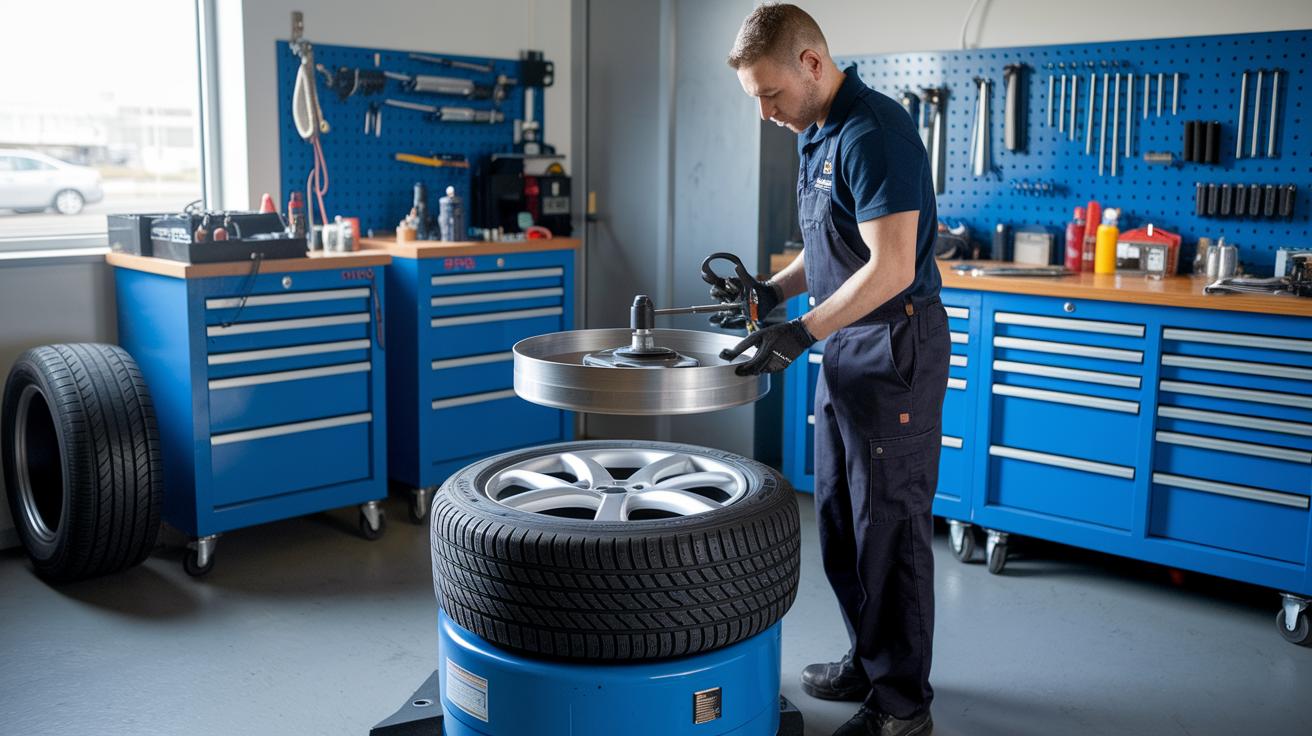
Ever notice how a smooth ride can lift your mood? Balancing your tires regularly really makes a difference. When you put on new tires, get them balanced right away. And then, every six months or about every 10,000 miles, have them checked to cut down on vibrations and keep your drive comfy.
Don't forget about your balancing machine, either. Make sure you calibrate it every three months. Check its bubble level and spindle bearings (these help the machine measure weight accurately) because a well-tuned machine stops mistakes in weight adjustments.
Also, treat your tools with care. Store your weights in a dry spot so they don’t rust, and give each rim a good clean before balancing. It helps to jot down where you put each weight and keep a record of all your service dates for next time.
After you finish balancing, take your car for a quick road test. If any vibrations stick around, you'll know there's more to adjust. Regular check-ups like these keep your ride as smooth and safe as possible.
Final Words
In the action, we broke down how to set up and perform static tire balancing. We covered the tools you need, step-by-step weight application, troubleshooting common issues, and even compared static with dynamic methods.
These tips help you pick the right tires and keep them in great shape. With clear steps and maintenance ideas, static tire balancing is a smart way to keep your ride smooth and safe.
FAQ
What is static and dynamic balancing?
Static and dynamic balancing differ in that static methods fix vertical imbalances using weights on one side, while dynamic methods adjust both vertical and lateral forces with two sets of weights for better overall balance.
What is dynamic wheel balancing?
Dynamic wheel balancing uses sensors to measure both vertical and lateral forces, then applies weights to the inner and outer rim areas to achieve a smoother ride and improved tire performance.
What is the cost for static tire balancing?
The cost for static tire balancing is lower since it uses a simple setup with clip-on weights, making it an affordable option for correcting minor imbalances on older or basic wheels.
How do I fix static tire balancing issues?
Fixing static tire balancing issues involves cleaning the rim, recalibrating the balancer, and applying small corrective weights in the right spot to reduce vibrations and improve ride smoothness.
What causes a static wheel imbalance?
A static wheel imbalance occurs when a tire develops heavier spots due to uneven wear, debris, or improper weight placement, leading to noticeable vibrations at higher speeds.
What do reviews say about static tire balancing?
Reviews typically mention that static tire balancing is simple, cost-effective, and quick to perform, though some note that modern or performance wheels might benefit more from dynamic balancing methods.
How can I find dynamic wheel balancing services near me?
To find dynamic wheel balancing services, check local tire shops or online review sites for centers using advanced machines that accurately correct both vertical and lateral imbalances for optimal performance.

