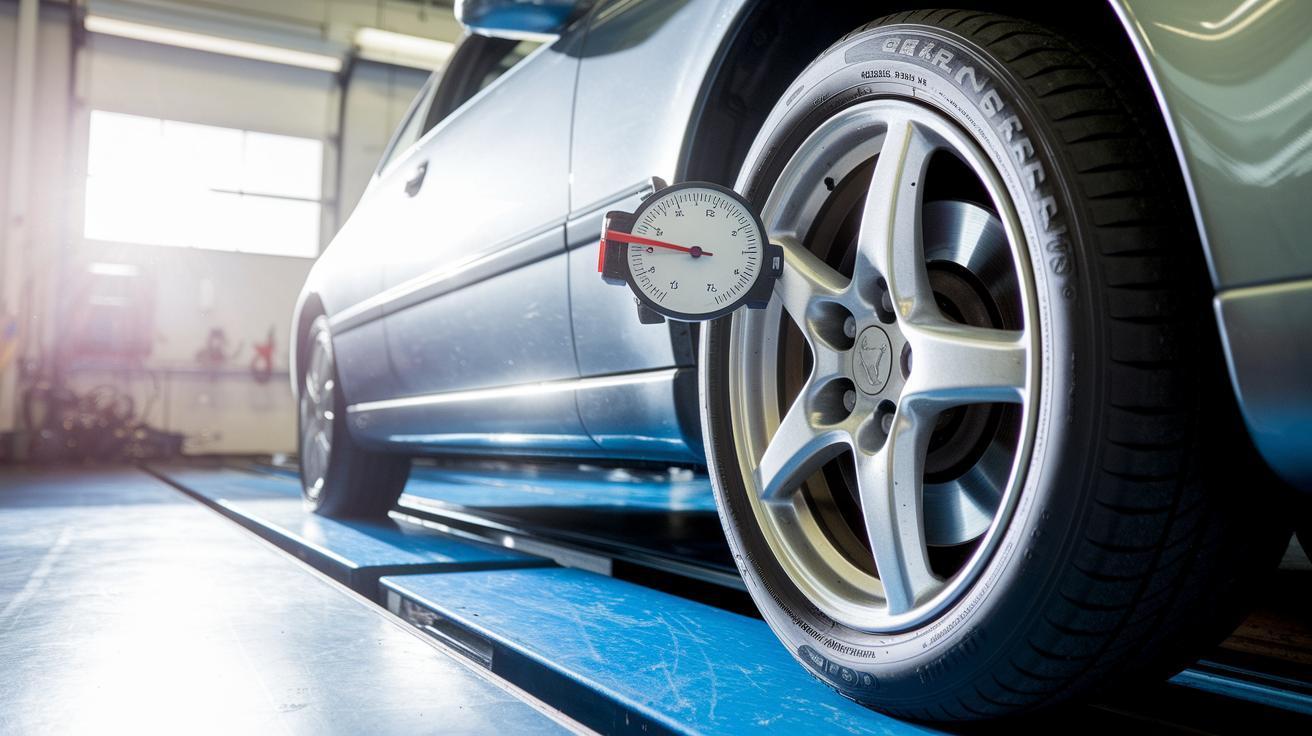


Ever notice your car doesn’t quite drive straight sometimes? It might be a small bump or a quick hit against a curb that nudged your wheels out of line.
When your wheels shift even a bit, your ride can feel off, and your tires may wear unevenly (that means the surface wears down faster on one side). I’ve seen it happen more often than you'd think.
So, what can you do? Try looking for these little hints early and fixing them fast. Keeping your steering smooth not only makes your drive more comfortable but also helps you dodge expensive repair bills later.
Diagnosing Common Tire Alignment Problems
Even a tiny misalignment can make your car feel off. If you notice your vehicle pulling to one side or the steering wheel not sitting straight, something’s not right. Bumping into curbs, hitting potholes, or small fender benders can slowly shift your wheels. That’s why it’s smart to keep an eye out for these early signs. Professionals check things like toe, camber (the tilt of the tire compared to the road), and caster using special tools to figure out the issue.
Regular checks on how your car feels while driving can really help avoid bigger problems. A steady vibration in the steering wheel at normal speeds might be a sign you need to look into it sooner rather than later. Even if the misalignment seems small, if your car isn’t tracking straight on the road, your tires could be wearing unevenly. Catching it early can save you money on repairs down the road.
- Steady steering vibrations at regular speeds
- Your car pulling noticeably to one side
- A steering wheel that isn’t centered when driving straight
- Uneven wear pattern on your tire treads
- Off readings for toe, camber, or caster during a professional check
Watching for these signs can help you fix alignment issues before they cause more serious damage. It’s all about keeping your ride safe and making sure your tires wear evenly over time.
Common Causes of Tire Alignment Problems

When you drive over a pothole or brush up against a curb, your tires can easily get thrown out of whack. Even a small bump can shift your wheel (which means the tire's angle, like the toe [how far your tire points inward or outward] or camber [the tilt of your tire]). At first, these little tweaks might not seem like a big deal, but over time they can lead to uneven tire wear and a steering wheel that feels off. Ever park too close and then feel your car pull to one side later on a smooth road?
Even a minor fender-bender or a bump into something stationary can throw your alignment off. Sometimes, even a low-impact hit can disturb the setup of your suspension. This means the wheels aren’t lined up with the center of your car anymore, and your steering wheel might not be centered when you drive straight. You might notice it with a slight vibration or by having to correct your steering more than usual.
And don’t forget, everyday rough roads and bumpy surfaces can slowly shift your car’s suspension over time. Each little jolt adds up until your wheels aren't straight. Spotting these signs early can help you fix the problem before it turns into a bigger, more expensive repair.
Recognizing Symptoms of Tire Alignment Problems
Keep an eye on your tires and how your car steers to catch issues early. Check your tires about every six months or after any rough driving. If you notice uneven wear or your steering feels off, it’s a good idea to get a professional alignment check.
Tread Wear Patterns
Look for signs like the edges of your tires wearing faster than the center (this is called camber wear), a sawtooth design on the side (heel-toe wear), or one side appearing smoother than the other (feathering). For example, after a long drive, take a moment to give your tires a quick look. Regular checks like this can help you spot problems before they become serious.
Steering and Vibration Signs
If your ride starts to vibrate when you’re driving between 45 and 60 mph, if your steering wheel feels off-center, or if your car begins to pull to one side, it might be time to act. Maybe you notice a slight pull during your everyday trip; in that case, book a professional checkup to get the alignment fixed. These small tune-ups keep your drive safe and smooth.
Risks of Leaving Tire Alignment Problems Unaddressed
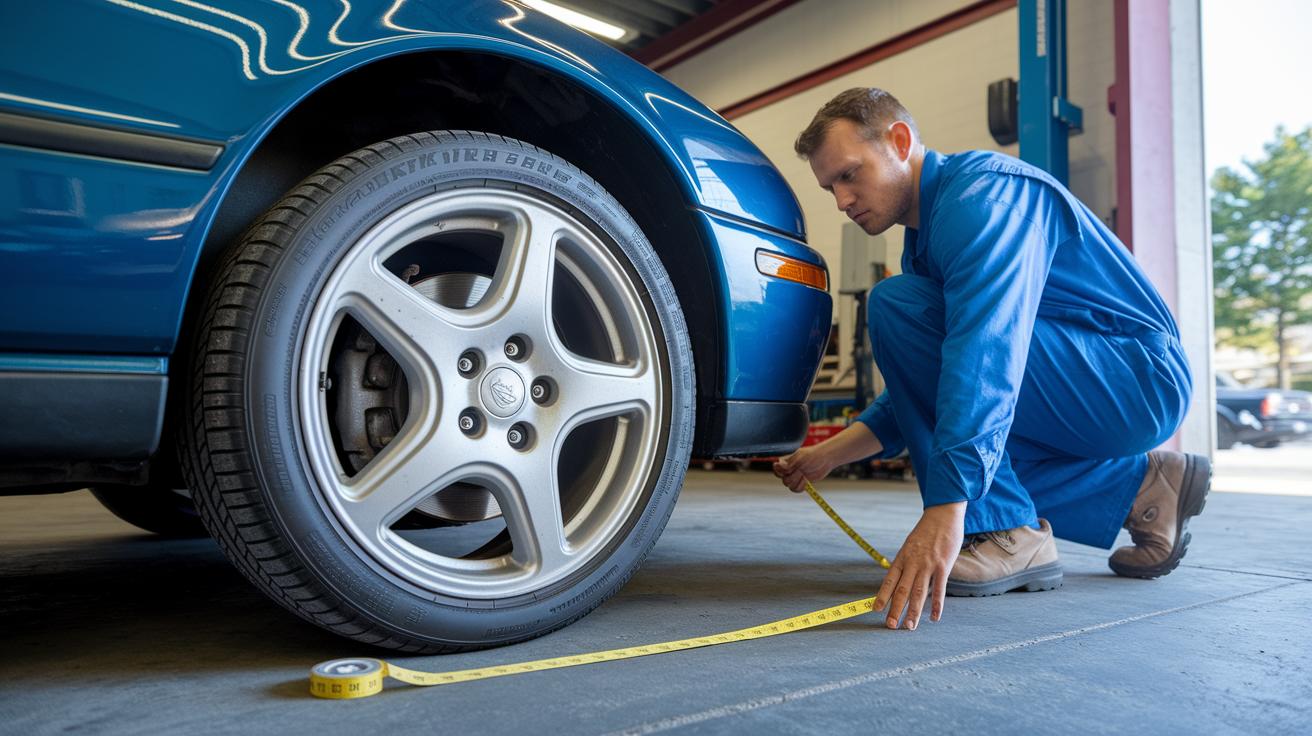
If you ignore alignment issues, your tires will wear out unevenly and much faster. This means the tire surface can start to erode early, so it's smart to keep an eye on them. Here’s a simple way to check:
- Step 1: Check your tire pressure and look closely at the tire surface for any odd wear. Think of it like a quick fuel check before a long drive.
- Step 2: Use a basic alignment tool (or even a measuring tape held against a wall) to see if your wheels are straight. This helps you spot if the wheels are off-kilter.
When your wheels aren’t aligned, your car might start drifting, which forces you to constantly adjust the steering. Here’s a quick method to test for this:
- Find a flat, straight road.
- Drive slowly at a steady pace and notice if the car leans to one side. It’s similar to noticing if a door seems a bit loose, you need to fix it to keep things running smoothly.
Poor alignment can also lead to higher fuel use and extra strain on components like your suspension (the system that keeps your ride stable). To save on costs:
- Check your wheels every six months and rotate your tires if needed.
- Tighten any loose suspension bolts and see a professional for a full alignment if you notice drifting.
A little attention now can save you a lot of hassle later on.
Professional vs DIY Solutions for Tire Alignment Problems
Professional shops use modern computerized machines to check your car’s toe, camber, and caster (the angles that affect how your wheels sit). They measure these angles very carefully and adjust your suspension so your car drives straight and true. Not only does this help with better handling, but it also makes your tires wear evenly, which can extend their life. These services usually cost between $75 and $200 based on where you live and your vehicle. With expert calibration and detailed readings, a professional shop can spot small issues that simpler tools might miss. Unlike tire balancing, which only fixes the weight spread of your tire, proper alignment corrects your car’s suspension setup. Even a tiny misalignment can lead to uneven tire wear and higher repair costs later on, so many drivers find that investing a little now can save them a lot of hassle in the future.
At home, DIY methods give you a quick way to check for early signs of misalignment. You might use simple tools like alignment gauges, string-and-tape setups, or even smartphone apps that help with basic toe adjustments. These methods are handy for a quick check, but they don’t offer the precision of computerized systems. It can be a good temporary solution to decide if you really need a professional check-up. Just remember that tire balancing is all about weight distribution, while alignment fixes issues with your suspension geometry. For a direct comparison, check out this guide on tire balancing vs alignment which shows how DIY fixes are useful for quick checks but can’t replace the thorough work done by a professional service.
Preventive Maintenance Tips for Tire Alignment Problems

After a tire change or suspension fix, it's a good idea to check if your wheels are set just right. One simple trick is the string method: run a string along the side of your car and measure the distance to your wheels. You can even use an alignment app on your phone to get quick readings. It’s a handy at-home check to see if everything lines up.
Winter can throw in a few surprises too. Potholes and icy roads can nudge your alignment off track. So after a rough drive or a hit, grab a straight-edge tool or your alignment app to take a quick look. This way, you can catch any issues early and keep your tires confident on slippery roads.
Sticking to your scheduled maintenance, like rotating your tires according to the manufacturer’s advice, also helps spot shifts before they become a problem. For more on the benefits of regular checks, check out the importance of tire inspections at tityres.com?p=3369.
Final Words
In the action, this article broke down key signs of tire alignment problems by highlighting wear clues and steering vibrations. It walked through how road bumps and curbs can tip your wheels off track and compared shop services with simple fixes. It also shared tips to keep your tires in top shape with routine checks and simple at-home tests. Keep an eye on these cues so you can take care of your ride and drive safely every day. Stay safe and enjoy the smooth ride ahead.
FAQ
Q: What are the symptoms of bad tire and wheel alignment?
A: The symptoms of bad tire and wheel alignment include uneven tread wear, off-center steering, vehicle pull to one side, and noticeable vibration when driving at speed.
Q: What causes wheel alignment problems?
A: Wheel alignment problems can be caused by hitting curbs, potholes, or even minor collisions that shift the toe, camber, or caster angles and disturb the suspension geometry.
Q: How do I know if I need an alignment or a tire balance?
A: You know an alignment is needed if your steering wheel is off-center or you experience pulling, while tire balance issues usually show as vibrations without directional pull.
Q: What are the dangers of driving with bad alignment?
A: Driving with bad alignment can lead to faster tire wear, reduced fuel efficiency, poor handling, and increased strain on your car’s suspension, potentially raising repair costs.
Q: What happens when your car is out of alignment?
A: When your car is out of alignment, you may experience uneven tire wear, a pulling sensation while driving, and difficulty keeping your vehicle going straight on the road.
Q: How do I fix car alignment issues?
A: Fixing car alignment issues typically involves visiting a professional shop where they use computerized equipment to adjust the suspension settings and realign your wheels to the proper specifications.
Q: How much does it cost to fix your alignment?
A: The cost to fix your alignment generally ranges from $75 to $200, depending on your location and the type of vehicle you drive.
Q: Is it okay to drive with alignment issues?
A: Driving with alignment issues is not recommended because it leads to rapid tire wear, reduces fuel efficiency, and may compromise your control over the vehicle, increasing safety risks.
Q: Can a wheel alignment be done wrong?
A: A wheel alignment can be done wrong if the adjustments are not accurately measured or set, which might not correct the issues and could even introduce new handling problems.


hello world
hello world
how ivermectin works
how ivermectin works
minoxidil mechanism fundamentals
minoxidil mechanism fundamentals
sildenafil cellular mechanism
sildenafil cellular mechanism
Understanding Onset With Food
Understanding Onset With Food
Understanding Sildenafil Duration
Understanding Sildenafil Duration
Absorption and Tmax
Absorption and Tmax
sildenafil in the body
sildenafil in the body
this guide to sildenafil uses
this guide to sildenafil uses
TadalafilCentral drug interaction guide
TadalafilCentral drug interaction guide
TadalafilCentral Indian brands guide
TadalafilCentral Indian brands guide