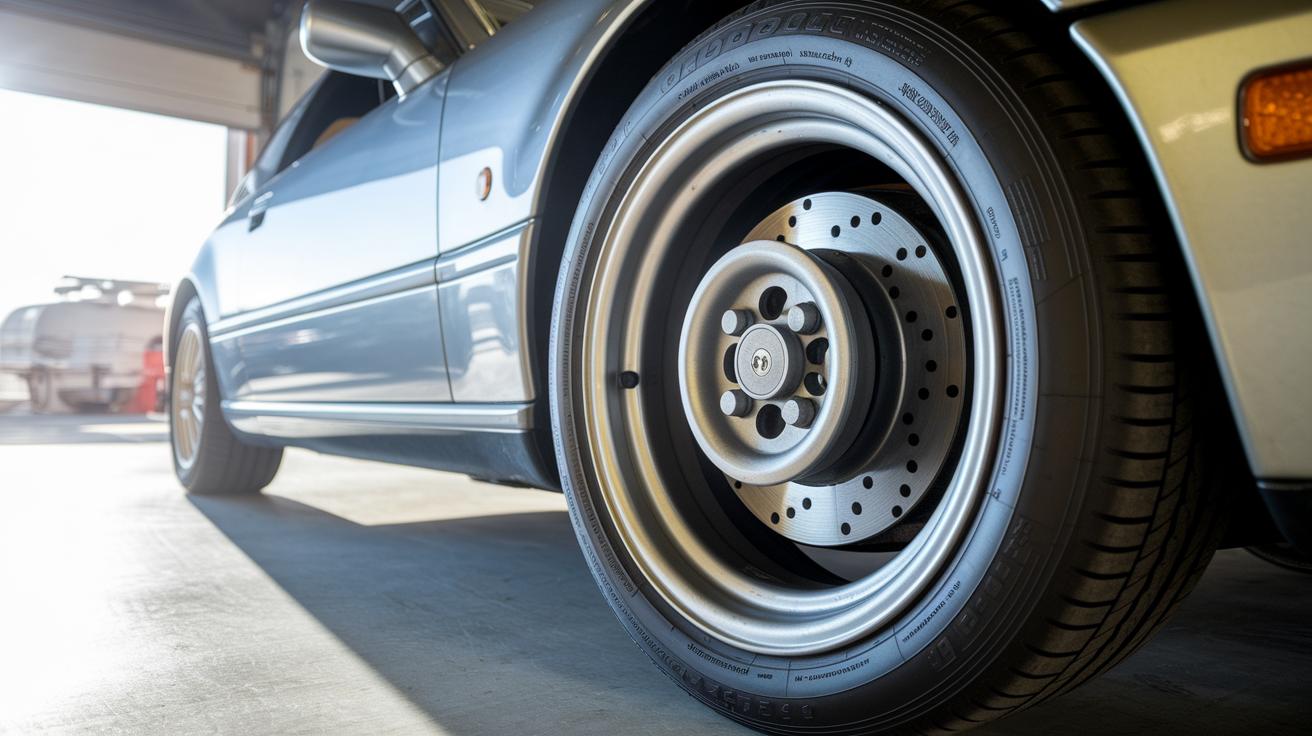


Have you ever wondered how little beads can keep your ride smooth and safe? These tiny tire balancing beads (small weights inside your wheels) work inside your wheels to spread the load evenly and cut down on bumpy vibrations. They move with every twist and turn, much like a friendly crew making sure everything runs smoothly. In this post, we'll take a closer look at how these small helpers work and why they can really change the game for a safer ride.
How Tire Balancing Beads Work for Automotive Balance

Tire balancing beads are tiny glass spheres with a special coating that helps keep your tire evenly balanced as you drive. They work smoothly with systems that check tire pressure (TPMS) and act like little helpers adjusting with every bump and turn. It’s like having a quiet crew inside your tire making sure weight is spread out just right.
When your car is parked, the beads settle neatly at the bottom of the tire. But the moment you start moving, they quickly spread along the inside wall. Imagine watching a fun GoPro clip where beads gather and then scatter as you step on the gas. This clever shift happens only when your car is in motion, giving a fresh twist to old-school wheel balancing. The steady movement of these beads cuts down on vibrations, which means a smoother ride, almost like enjoying the soft purr of a well-tuned engine.
By constantly adjusting as the wheel spins, these beads help boost the tire’s performance and can even double the life of tires on heavy trucks. That means fewer trips to the shop and less worry about constant wear. In short, these little beads provide an easy, cost-effective way to keep your ride stable and safe.
Tire Balancing Beads Installation Guide and Dosage

Before you get started, make sure your work area is neat and your tools are all set. First, take the wheel off your vehicle. This early prep is key to a smooth process. Then, give the inner area of the tire a good clean and check it over to see if there’s any wear or damage. Think of it like getting all your supplies in order before a small weekend DIY project. When you have your cleaning kit, centering sleeves, and balancing tubes ready, everything flows a bit easier. A little patience upfront now can keep you out of trouble later.
Here’s how to do it:
- Remove the wheel from your vehicle.
- Clean the inner bead area and look for signs of wear or damage.
- Put together the injector by connecting the injection pump, injector bottle, and balancing tubes.
- Inject the balanced beads into the tire using your assembled tools.
- Put the wheel back on securely.
- Take a gentle test drive at a low speed for about 1 mile so the beads can spread out evenly.
| Vehicle Type | Bead Usage (oz) |
|---|---|
| Motorcycles | 1–2 |
| Cars | ≈4 |
| Heavy Trucks | >10 |
After you finish these steps, give the tire a careful spin at a low speed to check that the beads have spread along the inner wall. This little test confirms that everything is working as it should. And don’t forget to inspect your TPMS systems (Tire Pressure Monitoring Systems, which check tire pressure) afterwards to make sure they’re working right. Taking these extra steps helps keep your ride smooth and maintains the benefits of your bead installation.
Tire balancing beads: Enjoy Smoother, Safer Rides

These little beads are made from rust-free, coated glass that keeps your tires balanced for life – so you won't have to keep going back to the shop. They’re also TPMS-safe (which means they're safe for your Tire Pressure Monitoring System) and have been shown to double the life of your steering tires, helping you save money while keeping your ride running smoothly.
They work by adjusting on the fly as your vehicle’s weight shifts, whether you’re driving a car, SUV, semi, or RV. As the load changes during your drive, the beads naturally move inside the tire to keep it balanced. This smart behavior helps reduce vibrations, giving you a smoother ride overall.
There’s just one thing to note. These beads work best when your vehicle is moving. When you’re stopping or driving very slowly, they tend to clump together, which can leave a little wobble until you pick up the pace and they spread out along the tire wall.
Also, if you take sharp curves or drive at very low speeds, you might see the beads gather back into a single heap. This temporary clump means that while they do a great job at high speeds, they might not completely balance your ride during slow or tight maneuvers.
Comparing Tire Balancing Beads with Traditional Wheel Weights

Performance Comparison
You know how those old clip-on or sticky weights only do their trick when your car is parked or crawling slowly? They fix a tire’s balance only when nothing much is happening. Over time, they might get rusty or even fall off, which can leave your ride shaking more than it should. Balancing beads, however, work on the go. They move around inside your tire to keep things even as you drive. It’s like they’re dancing around to smooth out bumps, so you feel fewer vibrations no matter what the road throws at you.
Cost and Maintenance Comparison
Now, let’s chat about cost. Sure, a bead kit might seem a bit pricier at first. But think about all those frequent shop visits just to reattach or balance traditional weights. That cost really adds up over time. In just one or two service cycles, the beads can pay for themselves. Over a long stretch of 50,000 miles, you save not only on repair fees but also on the hassle of constant maintenance. With balancing beads, you get a system that works with lots of tire types and takes care of itself. It’s a win-win for a smoother ride and lower costs in the long run.
Vehicle-Specific Applications for Tire Balancing Beads
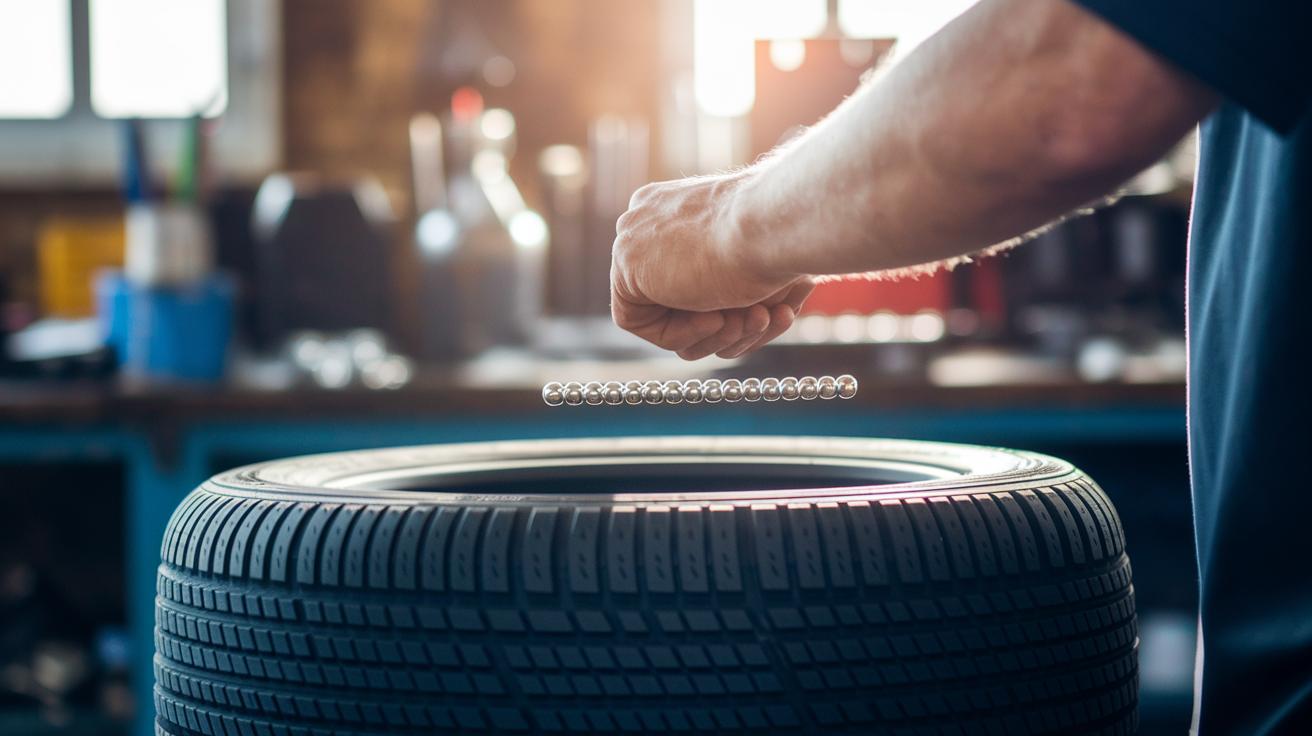
For your car or SUV, think of adjusting tire beads as adding just the right pinch of seasoning to your favorite meal. It's a small tweak that can help keep your tire pressure sensor readings steady and your ride feeling balanced. Check the dosage table in your installation guide for the perfect amount.
On a motorcycle or powersport vehicle, the beads work like a seesaw that always finds its balance. They help keep the front end stable during turns and bumps, making your ride smoother and safer. Look at the guide for the bead details, and imagine a seesaw that levels out perfectly every time.
For trucks, RVs, and heavy equipment, extra beads act at the axle to spread the load evenly. This setup is like fine-tuning a sturdy engine so it handles heavy work with ease, improving mileage and protecting the tire surface (how quickly the tire’s outer layer wears down). The installation guide has the dosage numbers, but just picture making small adjustments that let a big rig run smoother during long trips.
Troubleshooting Common Tire Balancing Beads Issues
Ever notice a constant vibration when you’re cruising down the highway, or see that your tire is wearing unevenly? That might mean the beads aren’t spreading out like they should. Often, this happens if not enough beads were added or if the tire wasn't spun fast enough during installation. A quick tip is to check the beads you added and ensure the tire spins at the proper speed for even distribution.
To get the best performance, make sure your injector is put together correctly and there aren’t any leaks when you inject the beads. It really helps to give the wheel-end a thorough cleaning before you start. Using a centering sleeve (that handy tool to keep things aligned) can also make a big difference. After the beads are in, give the tire a short spin so they settle evenly along the wall. This simple step often helps to reduce any clumping.
If the vibration or uneven wear continues even after these fixes, it might be time to call technical support. Take a look at your safety sheets and maintenance guides too, they’re full of extra troubleshooting tips to help you pinpoint and fix any lingering issues for a smoother, safer ride.
Long-Term Maintenance and Performance Optimization with Tire Balancing Beads

If you want a smoother ride, you’ll need to rotate your tires regularly. Experts recommend doing this every 6,000 to 8,000 miles. This helps keep your beads (those little balancing beads that keep your tires steady) spread out evenly. A quick look at each tire’s sidewall is like checking in on an old friend, you might spot early signs of uneven wear. Following the Eco Balance Installation Guide can also help your beads perform just as they should.
Keeping up with your tire rotation schedule and checking for changes not only makes your wheels work better, but it also stops extra wear before it starts. By giving your tires a quick look after each rotation, you can catch any minor imbalances before they turn into a bigger problem. This simple routine plays a big part in keeping your car running smoothly over many miles.
Using digital performance calculators is another handy trick. These tools tell you how well your beads are doing over time and even suggest when it’s time for a little top-up, kind of like a fuel gauge warning you to refuel. It’s an extra step that makes sure your ride stays safe and efficient.
In the end, these practices mean lower costs and better performance on the long haul. Fewer trips to the shop and steady, reliable performance save you money and time. Plus, with a veteran-owned family business proudly refining these products for over 25 years, you can trust that your tire balancing beads will keep you rolling smooth mile after mile.
Final Words
In the action, we explored how tire balancing beads work by explaining their glass sphere make-up and their shift from a quiet cluster at rest to a dynamic spread under motion. We ran through a DIY installation guide, detailed dosage tips, and even mapped vehicle applications. We talked through the upsides, like extended tire life, and addressed troubleshooting tips and long-term maintenance plans. This hands-on insight into tire balancing beads leaves you equipped with solid tips for safe and confident driving. Enjoy the ride and keep moving forward.
FAQ
What does a balancing beads for tires chart show?
The chart shows recommended bead amounts based on rim size and tire ply, helping you get the right dosage for dynamic balance.
How does a tire balancing beads calculator function?
The calculator estimates the proper bead dosage using tire size and vehicle type, making it easier to achieve effective dynamic balance.
How do tire balancing beads perform on passenger cars?
For passenger cars, tire balancing beads shift along the tire’s inner wall during motion, reducing vibrations and extending tire life.
Where can I find tire balancing beads, like at AutoZone or near me?
Many auto parts stores, including retailers like AutoZone, offer tire balancing beads. You can also search locally or online for nearby availability.
What makes the best tire balancing beads?
The best beads use coated, corrosion-free glass spheres that work with TPMS systems, providing lifetime balancing and extended tire wear benefits.
How do tire balancing beads compare to traditional wheel weights?
Tire balancing beads adjust continuously while driving for a smoother ride, whereas wheel weights only fix static imbalances and may need regular service.
How do tire balancing beads work for motorcycles?
Motorcycles use a smaller dose, usually 1–2 oz per wheel, to reduce front-end wobble by stabilizing the tire dynamically during motion.
Do tire balancing beads work, and how long do they take to show results?
Tire balancing beads work by moving inside the tire during driving. They typically need about a mile of driving to spread out and reduce vibrations.
What are the disadvantages of using tire balancing beads?
One drawback is that the beads only balance the tire while you’re driving; stationary imbalance or extreme cornering can still cause issues until the beads redistribute.

