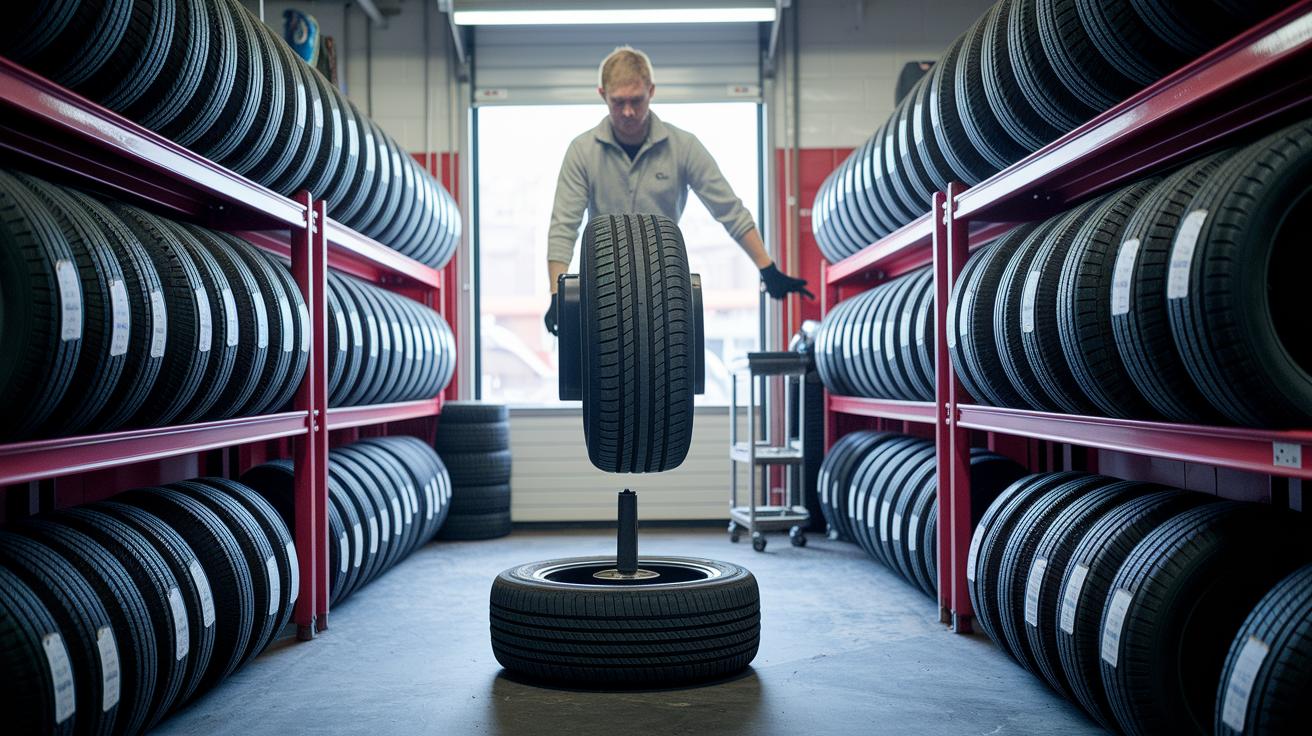


Ever wonder if you're spending too much on tire balancing? Getting it right means a smoother ride and safer trips without hurting your wallet.
In this guide, we'll break down what you might pay for each tire and for a full set. We'll cover basic services for smaller tires and extra work for bigger wheels. You'll also find tips to compare prices and score smart deals.
Let's take a closer look at the real cost behind steady tire performance that helps keep your car running at its best.
Tire Balancing Cost: Average Price Ranges per Tire and for a Full Set
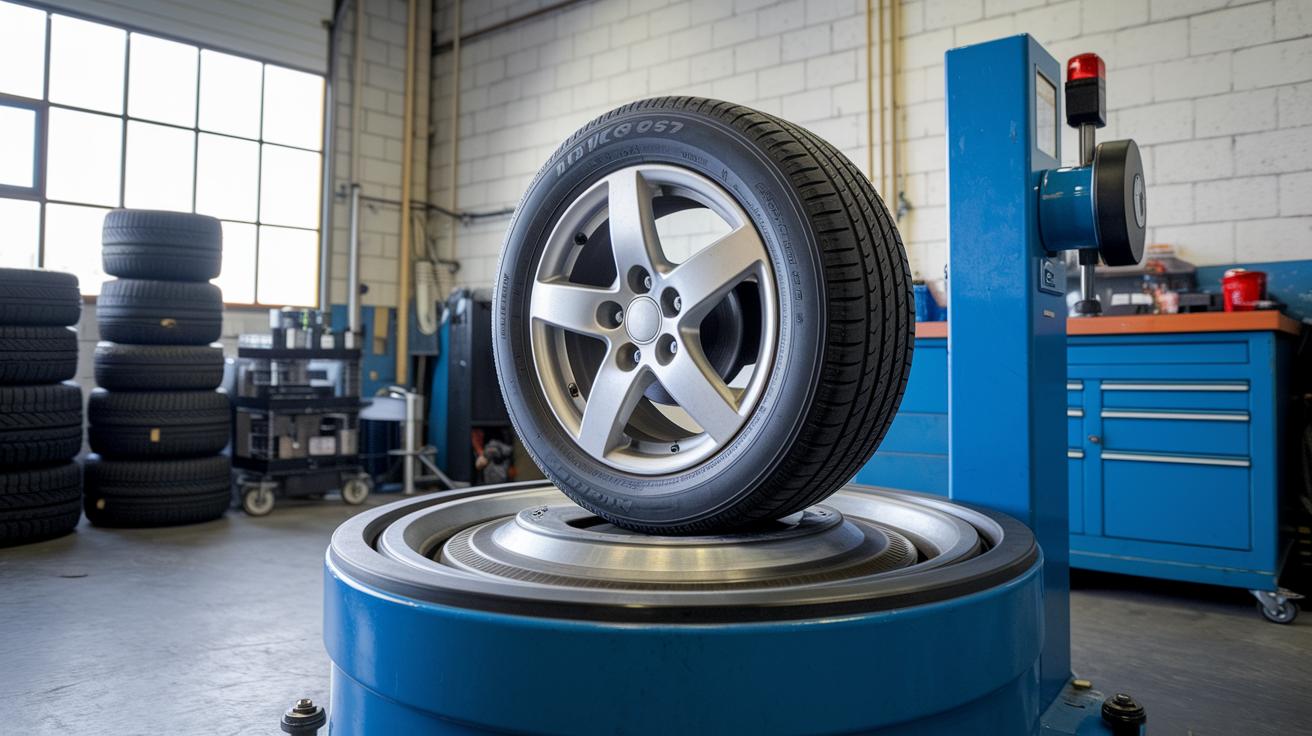
Getting your tire balanced usually costs between $15 and $50 per tire. For smaller car tires or steel wheels, you might pay closer to $15–$25 each. When you need all four tires balanced, expect the total to be around $60 to $200.
Some places offer a one-price deal for the whole set, usually from $40 to $100. This can make it easier to budget because you know the cost upfront without any surprises.
Prices can change based on the type and size of your tire. Bigger tires or low-profile tires (tires with a shorter sidewall that might need extra care) often cost between $30 and $60 because they need more work. Your location also plays a part; shops in busy cities usually charge more than those in quieter rural areas. It’s a bit like checking your fuel gauge before a trip, shop around, compare quotes, and ask if they have any service bundles. All in all, spending a little extra on proper balancing means safer rides, even tire wear, and less strain on your car's suspension.
Tire Balancing Explained: What Happens During Wheel Calibration

Tire balancing is all about making sure your tire and rim work together smoothly. We attach tiny alloy weights (small metal pieces) on clean rims to fix little differences in weight. Think of it like balancing a seesaw so everything stays even. This step is really important when you put on new tires or after any repairs to help your car run its best.
A computerized balancer spins each tire to spot any heavy spots. It’s almost like a quick check-up that tells the technician exactly where to put the weights. This high-tech process makes sure your tire spins evenly, giving you a smooth ride every time.
When your tires are balanced right, they wear evenly and your car feels much steadier on the road. It also means your suspension doesn’t have to work extra hard. Ever notice how a balanced set of wheels can make your drive feel like a quiet, confident cruise on a clear day?
Factors Affecting Tire Balancing Cost: Regional Variations and Tire Characteristics

The price to balance your wheels can change depending on where you live and your vehicle's details. Your location sets the base fee, but the type of shop you visit and any extra work, like cleaning or small fixes, may bump up the cost. And if you get services bundled together, like balancing plus mounting or tire rotation, you might end up paying less per tire.
| Factor | Cost Impact |
|---|---|
| Location | Urban: $30–$60 per tire; Rural: $15–$25 per tire |
| Shop Type | Dealers may charge more than local independent shops |
| Tire Size & Construction | Larger or low-profile tires (thinner sidewalls) can increase costs |
| Wheel Condition | If extra cleaning or minor repairs are needed, fees go up |
| Service Bundle | Bundling services like mounting or tire rotation lowers the cost per tire |
All these details together show that mixing services and keeping track of extra work can lead to more predictable pricing without rehashing details already mentioned.
Signs You Need Tire Balancing: Identifying When Costs Are Worth It

Catching tire issues early helps you avoid spending extra money later on. When your wheels aren’t balanced, you might end up facing extra charges for wheel tuning or even a fee for a quick balance check, especially if the shop just points out the vibration without fixing it right away.
- A shaky steering wheel when you drive at highway speeds
- Tires that show uneven, patchy wear
- Humming or thumping noises coming from the wheels
- Noticeably lower fuel economy
- Handling that feels slow or off-center
Waiting too long to balance your tires can make them wear out faster and may lead to more expensive repairs on other parts of your car. Addressing these signs early keeps your ride smooth and can save you money over time.
Tire Balancing Cost: Affordable, Smart Pricing

Keeping your tires balanced every 5,000 to 6,000 miles, or when you get a routine rotation around 6,000 to 12,000 miles, can really keep your car running smooth and save you from extra surprises later on. Lots of service spots even have special seasonal deals during wheel changes, so you might score a flat-rate balancing offer. It’s a bit like ticking off an easy car maintenance checklist: stay on top of it, and you’re less likely to face unexpected repair bills while keeping your ride in tip-top shape.
Regular tire balancing pays off over time. When your tires are balanced right, they can last up to 20% longer, and your engine won’t have to work as hard, which can help you get better gas mileage. This extra bit of care can prevent what might seem like a yearly auto upkeep fee ranging from $60 to $200 if you bundle it with other services. It’s really a smart move to keep both your wallet and your car happy.
DIY vs Professional Tire Balancing Cost Comparison

There are two ways to balance your tires: you can do it yourself or leave it to a pro. A DIY kit comes with a basic balancer and weights (these help even out your tire's weight) and costs between $100 and $300. If you love working on your car, that might sound great, you can save some cash. But, without proper know-how, the DIY route might not give you the accurate results you need.
Professional balancing, on the other hand, uses special equipment and skilled technicians to get it right every time. It usually costs between $15 and $50 per tire. Independent shops may offer a mount-and-balance deal for around $20 per tire, while larger dealers or big-box stores typically charge $30 to $60.
When you compare the two, the difference is clear. A DIY kit might seem cheaper at first, but if it's done wrong, you might end up paying more later for repairs. It’s like choosing between a home-cooked meal and one from a chef, the chef’s dish is consistently good and safe, just like a pro’s balancing can help prevent vibrations, uneven tire wear, and even suspension issues.
Your choice really depends on how you like to care for your car. If you’re the hands-on type who enjoys a little DIY challenge, a kit might work for you. But if you value precision and the peace of mind that comes with expert work, professional balancing is likely the better, hassle-free choice.
Tire Balancing Cost: Affordable, Smart Pricing

Start by checking out local service centers online and comparing their quotes. Look for prices that show extra charges like tax and shop fees. Often, you'll see a breakdown that lists every fee. For example, if a shop says it's $20 per tire, that price should cover everything, even the little extras. It's like giving your car a quick check-up before you head out.
Also, watch for local trends and special deals. Sometimes, independent shops offer packages that combine tire balancing with services like rotation or mounting. These bundled deals can save you money and hassle. And you might even find a seasonal offer, like a winter special that drops the rate to $15 per tire, complete with maintenance checks.
Tire Balancing Cost vs Tire Alignment Expense: Understanding the Distinct Fees
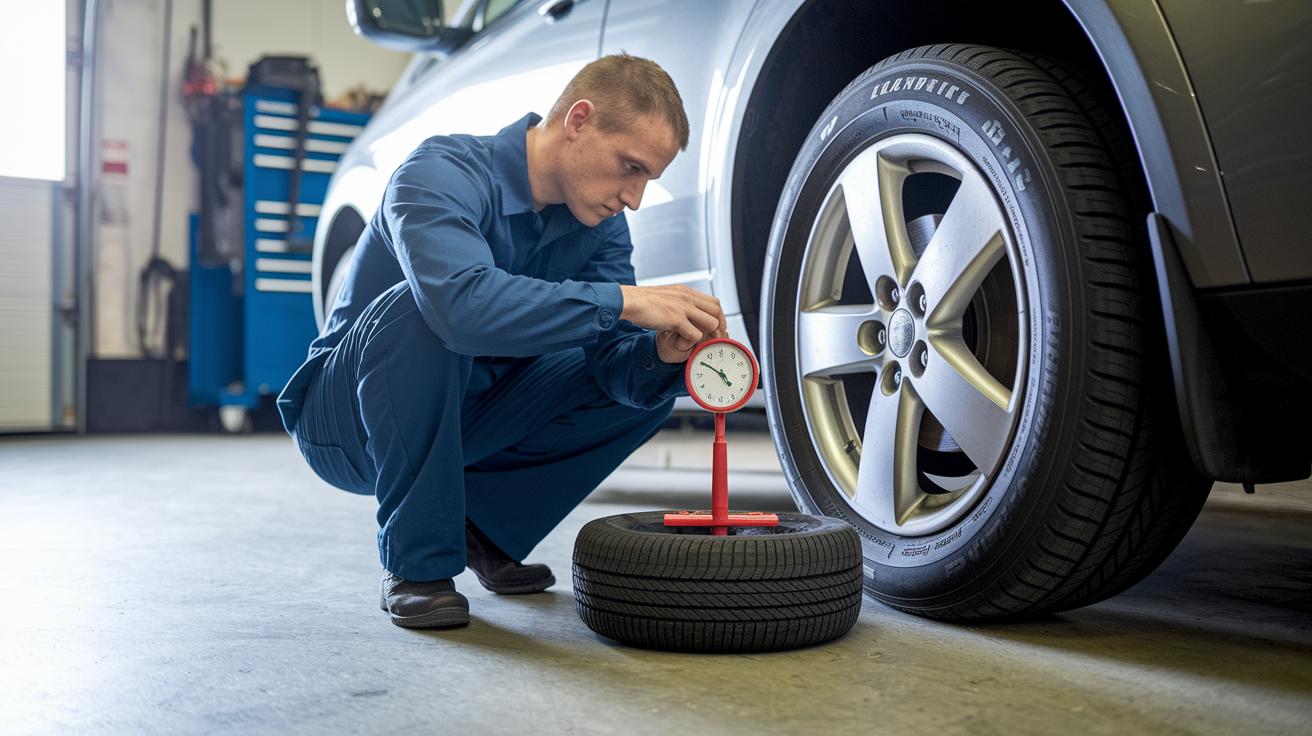
Tire balancing is all about fixing tiny weight differences to make your wheels spin smoothly. It usually costs between $15 and $50 per tire. This service helps cut down on shaky rides and stops your tires from wearing unevenly by making sure every wheel turns evenly.
Tire alignment, meanwhile, adjusts your car's suspension angles so it drives straight. It typically costs about $75 to $150 for all four wheels. That extra fee, usually between $60 and $100, reflects how alignment improves your car’s handling and safety by keeping the steering just right.
Many shops now offer package deals that include both balancing and alignment. This combo can save you money and time by bundling the work into just one visit. It’s like a full check-up for your car in one smooth stop. And really, who doesn’t love the convenience?
Final Words
In the action, we explored how tire balancing cost shifts with tire type, service location, and the choice between DIY and professional methods. We broke down price ranges for a tire and a full set, explained the wheel calibration process, and pointed out signs that your tires need a check.
Each aspect we covered helps you pinpoint the best service for smoother rides and even tire wear. Keep up with proper tire care and enjoy a confident, safe drive every time you hit the road.
FAQ
How do I find a tire balancing service near me?
Finding a service near you is simple. Searching online or using local directories helps you spot nearby shops offering tire balancing with competitive rates.
What are the average costs for tire balancing at major chains like Walmart, Discount Tire, Firestone, or Jiffy Lube?
The cost for tire balancing at major chains usually ranges from $15 to $50 per tire. Each provider may offer special rates or promotions that can affect the final cost.
How much does it cost to balance all 4 tires and how does this compare to alignment service costs?
Balancing all four tires typically costs between $60 and $200, while alignment services generally run an extra $75 to $150. Each service targets different aspects of your vehicle’s performance.
How do I know if my tires need balancing and is it worth doing?
Wobbling steering, uneven tire wear, or unusual noises suggest your tires need balancing. Addressing these issues not only improves ride quality but also helps extend tire life.
Are there any tire balancing services that offer free or extra-low-cost options?
Some shops offer free or low-cost balancing when bundled with other services like tire rotation. Check local deals or promotions to take advantage of discounted offers.

