


Ever wonder why your ride can feel so smooth sometimes? It might be because of a tire balancing machine. This handy tool fixes little uneven spots (where the tire isn’t balanced) on your tires, so your car runs evenly without any shakes.
By making smart, tiny adjustments, these machines protect your suspension (the parts that help cushion your ride) and keep your tires in top shape. Next, we break down how these machines work and how their accurate results make every drive a bit more comfortable.
Isn’t it amazing how a quick fix can feel like major peace of mind?
How Tire Balancing Machines Ensure Smooth, Vibration-Free Rides
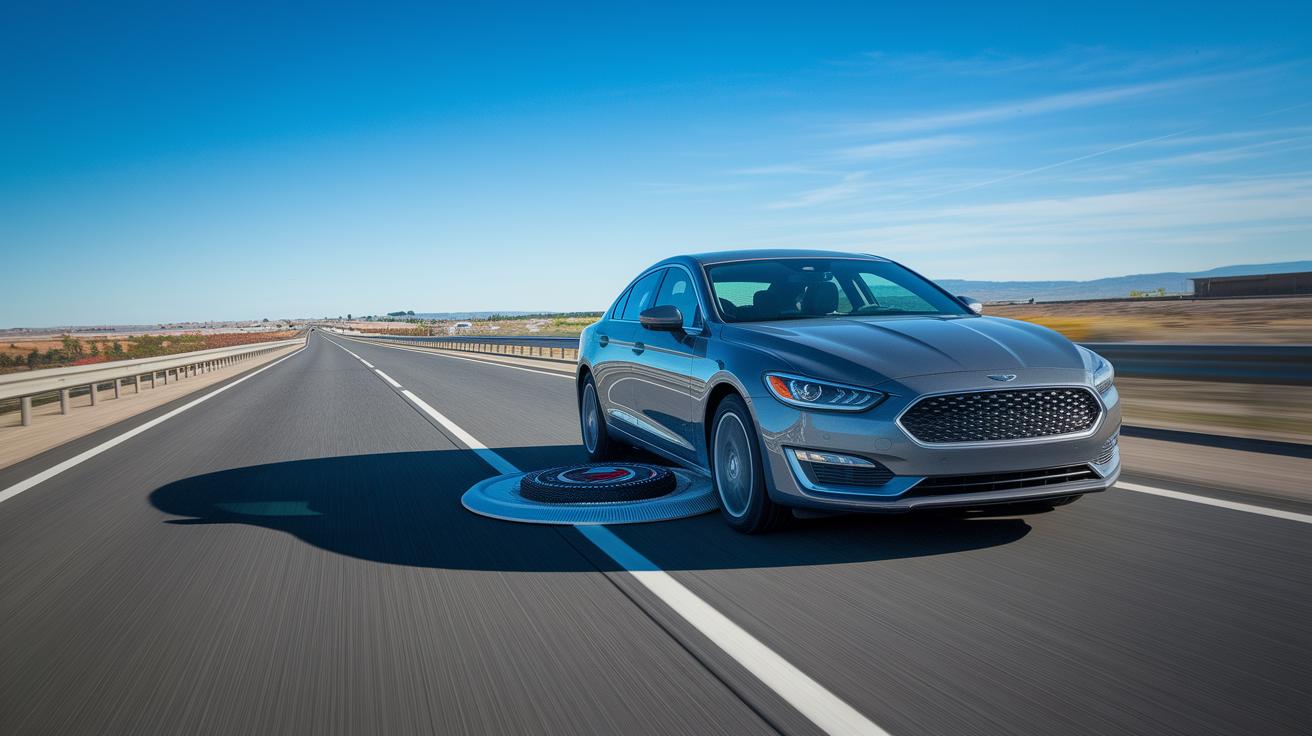
Imagine your car gliding down the road with none of those annoying shakes. That’s thanks to tire balancing machines, which fix any uneven spots on your wheels. When a wheel has a heavy spot, the machine places a small weight on the rim, kind of like sticking a tiny counterweight to stop a wobble. This static balancing helps keep your tires wearing evenly and saves your suspension from extra stress.
Some machines go a couple of steps further with what's called dynamic balancing. This method checks for both side-to-side and in-out force changes, then guides you on exactly where to put the weights. It's like having a digital buddy telling you the perfect spots to load up to get things just right. For newer vehicles, even a little bit of unevenness can be a big deal, so this extra care makes a real difference.
Then there’s road force balancing, an even more thorough check that mimics the real load on your tire while it's spinning. A controlled force simulates what your tires experience on the road, ensuring that every bit of pressure is fixed for the smoothest ride possible.
And here’s a cool twist: some high-end machines use tiny beads made of glass or ceramic that shift as the tire spins. These beads act like a self-adjusting system, keeping your ride as smooth as can be even when things change on the fly.
So, by blending static and dynamic adjustments with road force tests and even self-correcting beads, tire balancing machines work hard to keep your car comfortable, extend your tire life, and calm those unwelcome vibrations.
Tire balancing machine: Precise and Reliable Results
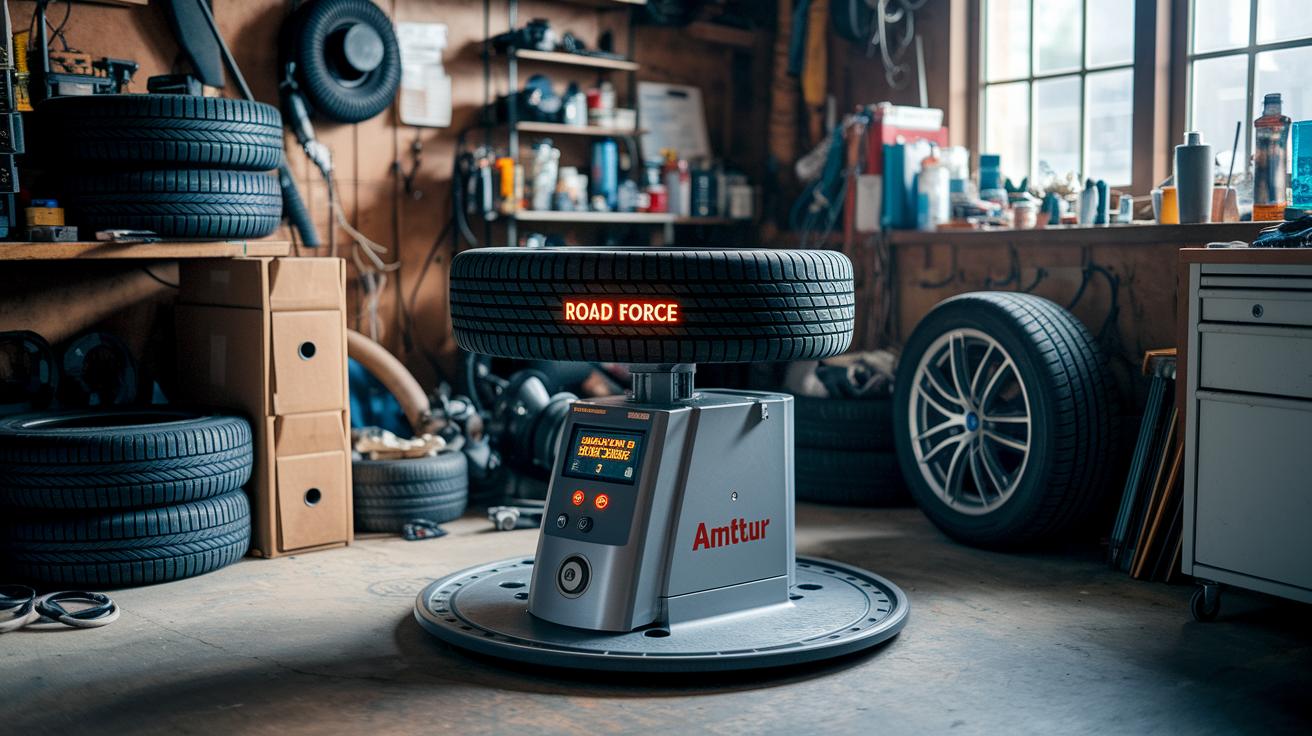
When you're picking a tire balancing machine, you want something that really takes care of your wheels. Think of it as a trusted helper that makes sure your tires are balanced (which means they spin evenly) using a motorized system made for hard work. Some machines even have a special road force feature (a way to check how your tire reacts on the road) so they can handle tougher jobs, while others boast a fast, premium wheel balancer that gets the job done quickly. Every model brings its own strengths to the table, making it easier for you to choose one that fits just right in your garage.
Take a peek at the table below. It lays out six top models, showing the machine type and its standout features. Whether you're handling a busy service lane or doing field work, these models are built to promise smooth, reliable results, like having a dependable car gadget that works perfectly with your budget and workspace.
| Model | Machine Type | Key Features |
|---|---|---|
| Weaver W-937-40 | Mid-volume computer balancer | Free $250 Light Truck Cone Kit; accurate weight placement |
| Weaver W-957-40 | Commercial computer balancer | Best-seller since 2007; includes $250 cone kit |
| Weaver W-987 | Laser guided balancer | Ultra HD LCD; tape-on weight mode; laser alignment |
| CEMB ER100 GT | Diagnostic balancer | World’s fastest diagnostics; touchscreen interface |
| CEMB C350 | Video diagnostic balancer | Heavy-vehicle focus; video measurement system |
| CEMB C130 | Portable balancer | Paired with SMT26 tire changer; field-service design |
Each of these models is designed with different needs in mind. Their mix of cool tech and easy-to-use features helps you find exactly the right match for your service work. In truth, having the right tire balancer means every ride feels smooth and safe, just the way you like it.
Operating Guide for Tire Balancer Systems: Step-by-Step Procedure
-
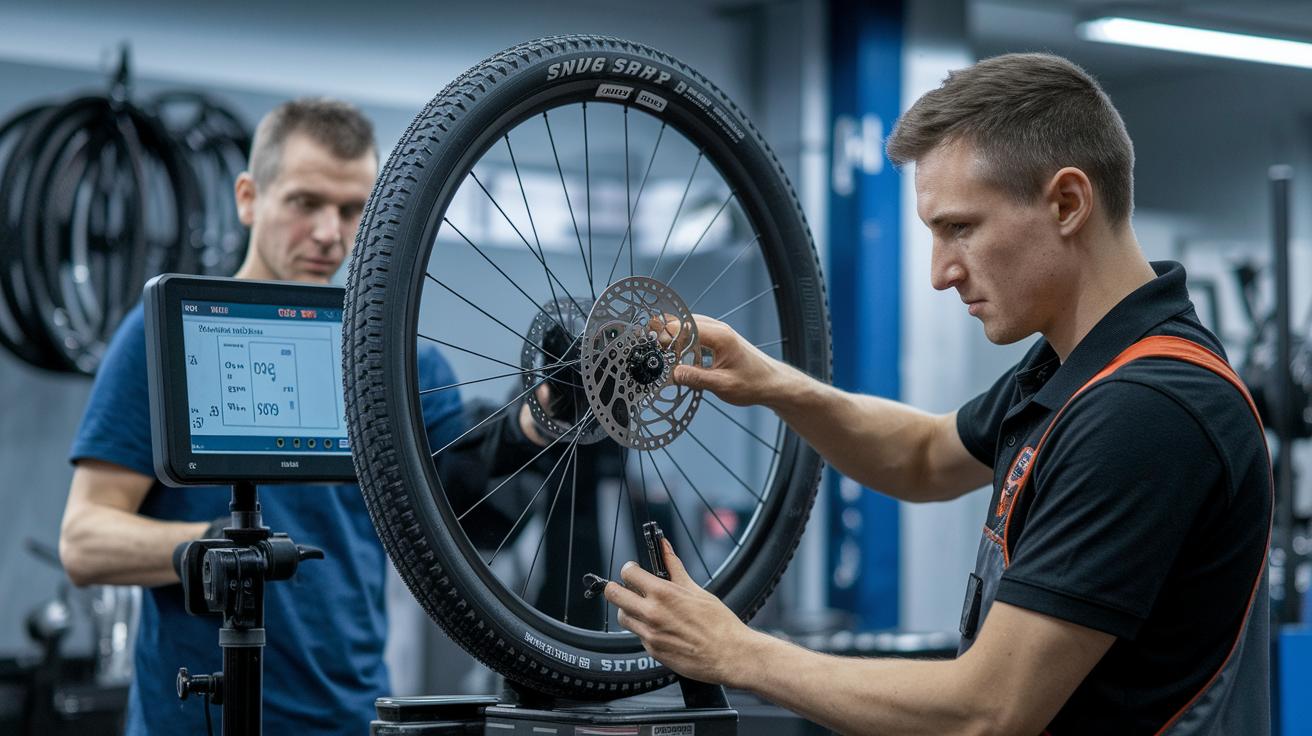
First, make sure the wheel is snug on the spindle and that the flange sits properly. (If you need more info on which spindle or flange to pick, check out "choosing the right tire installation equipment" at https://tityres.com?p=2350.) This step keeps the wheel steady so it doesn't wobble during testing.
-
Next, type in the tire's diameter, width, and rim offset into the digital screen. Think of it like setting a destination on your GPS, it tells the machine exactly what it’s working with.
-
Now, start the spin cycle. As the tire turns, the machine picks up differences in force. It’s almost like the machine is quietly “listening” to find even the tiniest imbalances.
-
Then, look at the screen to see the recommended weight and where to put it. The display works like a friendly guide, showing you exactly where to add extra weight.
-
Go ahead and attach the adhesive or clip-on weights where indicated. Following these clear steps helps balance the wheel, which means a smoother and safer ride.
-
Finally, spin the tire again to check that any remaining imbalance stays within the manufacturer’s allowed limits.
Also, remember to attach a calibration weight to the spindle every so often and run the self-calibration routine. This extra check keeps the sensors working right, ensuring every balance adjustment is spot-on.
Maintenance and Troubleshooting of Wheel Balancer Equipment

Keeping your balancing machine in tip-top shape means regular little check-ups that help it run better and last longer. Every day, take a moment to clean off the spindle and sensors to get rid of dust and debris. Also, have a quick look at the mounting flanges to make sure nothing looks damaged. It’s like giving your equipment a simple wash. (For extra cleaning tips, check out these guidelines: maintenance tips for tire installation equipment.)
Every month, don’t forget to oil the shaft bearings and inspect the sensor connectors and cables. This monthly tune-up helps keep moving parts smooth and responsive, lowering the chances of sudden errors during use.
Every three months, run a self-calibration routine with the factory weight (a standard weight provided by the manufacturer) and check that the run-out measurement stays accurate. This quarterly check-up is a quick diagnostic to ensure everything is functioning just right.
It’s also a smart idea to keep a few spare parts nearby, like sensor modules, drive belts, and a calibration weight kit. When error codes come up, like E1 for sensor misalignment, F2 for an over-speed cut-off, or C3 for calibration failure, take a look at the machine manual for clear, step-by-step troubleshooting tips. Following this schedule will help keep your wheel balancer precise and reliable, making every ride a little smoother.
Selecting the Right Tire Balancer Machine for Your Garage
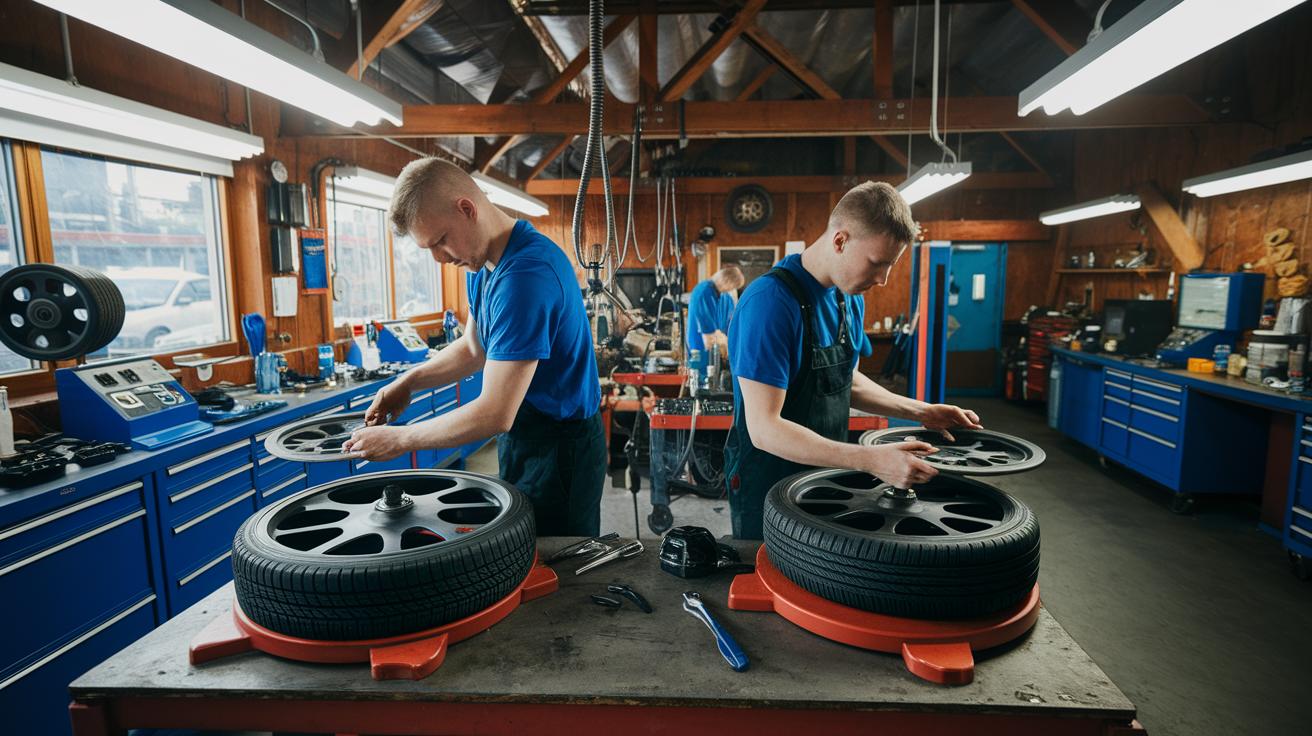
When you're checking out a tire balancer, start by thinking about how busy your shop is and the different types of vehicles you work on. For a small, low-volume garage, a basic static balancer can do the job. It costs about $800 to $1,200 and uses simple weights (little counterbalances to even things out) to balance the tire.
If you need a bit more precision for everyday cars, you might want to go for a dynamic or premium balancer. These machines come with computerized sensors and can place weights automatically. They usually cost between $2,000 and $5,000 and give you accurate results every time. And if your shop is always on the go with high-demand work, road force systems offer the best simulated load balance, though they start at around $7,000.
For those tight on budget, think about pre-owned balance equipment. Refurbished machines can run 30–50% less than new ones. Just be sure to check the calibration and warranty before you buy.
When you’re comparing models, take a good look at the technical details. Check the wheel diameter range (usually from 10" to 30"), the weight capacity (up to 150 lbs), and whether it runs on 110V or 220V. This way, you can pick the right match for your garage needs.
This guide helps you balance quality with cost perfectly, whether you need a portable unit or a more advanced system that fits your workspace just right.
Innovations in Tire Balancing Machine Technology
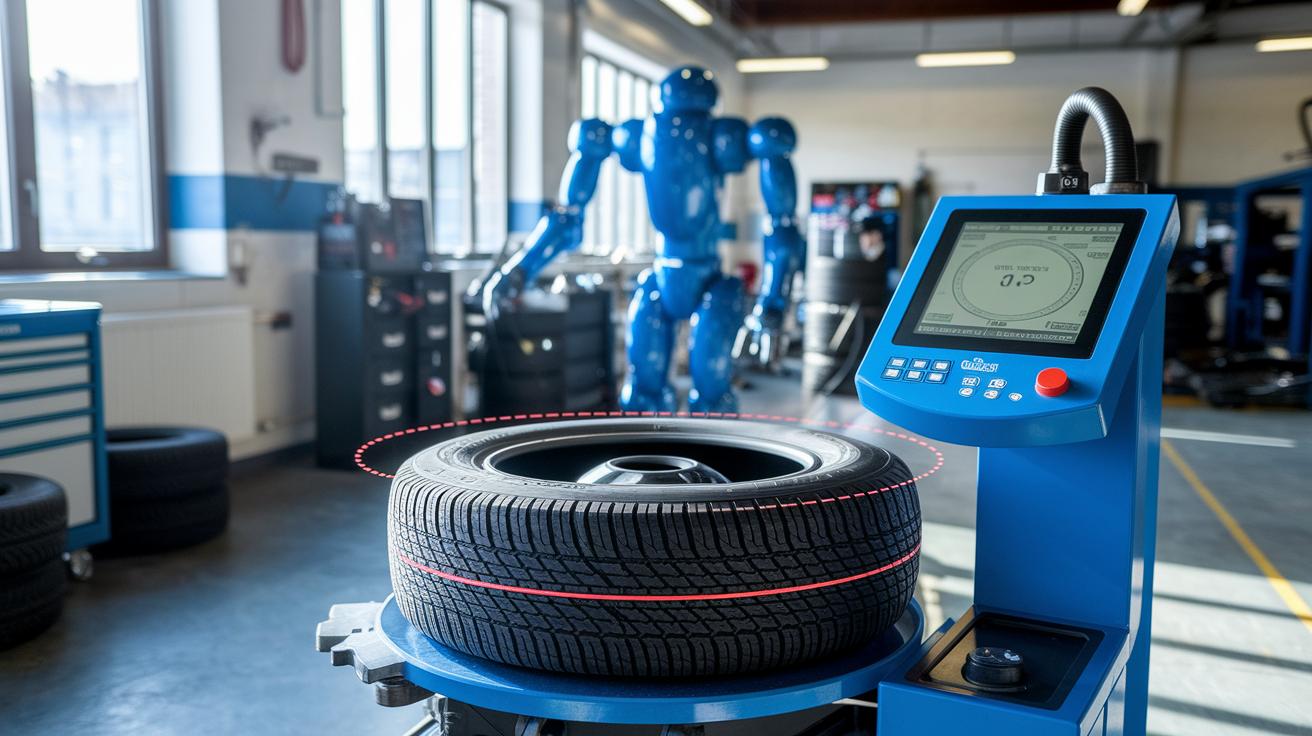
New tire balancing machines are now packed with smart, easy-to-use features that help you get tires balanced quickly. They come with a touchscreen that makes data entry a snap, cutting down on mistakes along the way. Machines like the ER85 EVO and ER70 EVO let you set up tests as effortlessly as tapping through your favorite app.
One cool update is Virtual Sonar, which automatically measures the wheel width (no more manual measuring!) and saves you time while boosting accuracy. Laser correction systems, like the ones in the ER65 EVO/SPOTTER, guide you to place weights with very small adjustments, so every bit counts.
Then there are on-vehicle finish balancers from the L88 series that let you finish up without having to remove the wheel – a real time-saver in busy shops. And if space is an issue, compact 3D balancers like the ER10 PRO come with an electromagnetic brake and a small footprint of less than 2 ft², perfect for field work.
Looking ahead, new trends like AI-powered predictive balancing, AR-guided weight placement, and systems that work with tire changers are making the process even smoother. These exciting advances are setting the stage for the next generation of balance systems, offering improved accuracy and overall efficiency.
Final Words
In the action, we explored how tire balancing machines work to give you smoother rides and improved tire wear. We broke down static methods, dynamic adjustments, road force tests, and even the role of balancing beads. We compared top models and offered a step-by-step guide for proper use, upkeep, and troubleshooting. Each tip aims to help you pick the right tire balancing machine so that every drive stays steady and safe. Keep rolling confidently with your tires performing their best.
FAQ
What is a tire balancing machine called?
A tire balancing machine, also known as a wheel balancer, is a tool that measures tire imbalances and helps add weights to reduce vibrations.
How does a tire balancing machine work?
A tire balancing machine spins the wheel to collect data on weight distribution, then suggests where and how much weight to add so the tire rotates smoothly.
What does a tire balancing machine with Road Force do?
A machine with Road Force simulates the tire’s load while spinning, detecting imbalances under conditions similar to real roads for a more accurate balance and a smoother ride.
How do you use a tire balancing machine?
Using one involves mounting the wheel securely, entering tire details into the system, spinning the tire to capture imbalance data, and then applying the recommended weights.
What are the key parts of a tire balancing machine?
Key parts include sensors that measure imbalance, spindles to support and spin the wheel, and weight applicators that help place the balancing weights accurately.
Where can I find a cheap tire balancer or one for sale?
You can find budget-friendly tire balancers through online auto equipment sellers or used equipment dealers, which offer a range of machines to fit different budgets and needs.
Can you balance tires at home?
Yes, DIY tire balancing kits are available for home use. They allow you to add weights to your tire, but keep in mind these kits may not be as precise as professional machines.
What is the price range for tire balancing and wheel balancing services?
Basic balancing machines cost around $800 to $1,200, while advanced dynamic systems run from $2,000 to $5,000. Premium road force systems usually cost over $7,000.

