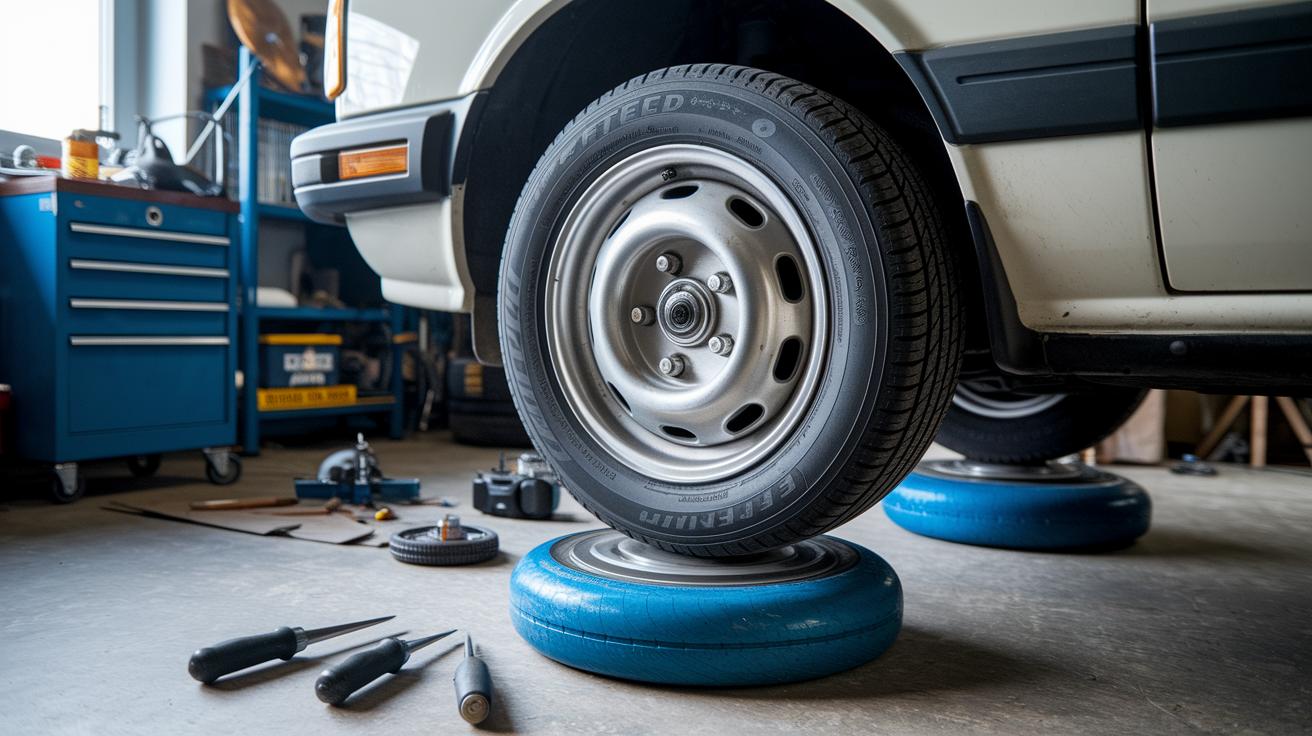


Ever notice your steering wheel start to shake when you hit 40 mph? It might not be just a random quirk. It could be your car telling you that your tires (the rubber parts that keep you gripping the road) need a little balancing. When you feel these shakes, it usually means the weight on your tires isn’t spread out evenly, which could change how your car handles. Keeping an eye on these signs early can help you maintain a safe and smooth ride. Let’s chat about what these vibrations mean and how to catch them before they turn into bigger issues.
Recognizing Critical Tire Balancing Symptoms in Your Vehicle

Vibration is the clearest sign that your tires might be off balance. When your tires aren’t balanced, you might notice a steady shake that travels through your steering wheel or even the whole car. As you speed up, especially once you pass around 40 mph, this vibration gets stronger. It’s like your car is giving you a nudge saying that there’s an uneven spread of weight on your tires and wheels that needs attention soon.
Catching this shake early can help you avoid bigger problems later on. Even if the vibration seems a bit mild at first, it’s a clear sign that your tires aren’t spinning in sync. This uneven movement can eventually mess with your car’s handling and might lead to more serious safety issues. So, if you feel any unusual vibration, it’s a good idea to get your car checked out right away.
- A light vibration below 30 mph that you may notice even though it’s faint.
- A slight shaking around 30 mph, hinting that something might be off.
- A noticeable vibration coming in at about 40 mph, showing that the weight isn’t evenly spread.
- A stronger, steady shake when you drive between 50 to 60 mph, which means the imbalance is starting to affect your ride.
- A severe vibration over 60 mph that could make controlling your car tricky, meaning it needs immediate fixing.
If your car has logged around 6,000 to 8,000 miles or if the shaking gets more intense as you speed up, it’s time to see a professional technician. A trusted expert can do a full check-up to figure out the issue before it turns into a bigger problem. For more details, check out the page on Vibration Issues After Tire Installation.
How Uneven Tire Wear Signs Reveal Imbalance Symptoms

When you notice that your tires wear down unevenly, it could be a sign that they're not balanced properly. In simple terms, the tire isn’t turning the way it should, and different parts are wearing out at different speeds. This unevenness can change how well your car sticks to the road and might put extra stress on parts like springs (which help absorb bumps), bearings (small parts that let wheels turn smoothly), and suspension joints (parts that keep your ride steady). Catching these issues early means you could avoid more expensive fixes and enjoy a smoother ride.
One sign to watch for is inner shoulder wear. This is when the inside edge of the tire loses its tread faster than the rest, showing that the weight might not be spread evenly across the tire. Another clue is outer shoulder wear, where the tire's outer edge wears down more quickly. This often happens when misalignment (when your wheels are not set straight) pairs with imbalance.
You might also see cupping, which looks like round dips on the tire surface. This usually means the tire is bouncing as you drive. And then there’s scalloping, repeated shallow grooves on the tire. This points to the tire not staying in good contact with the road.
A handy tip: check your tire tread depth every month with a tread gauge. This simple tool works like a ruler for your tires, letting you see any small changes early before they turn into bigger problems.
Steering Wheel Shaking Clues: Handling Symptoms of Tire Imbalance

Have you ever felt your steering wheel shake when you hit speeds between 45 and 65 mph? It might mean your front tires aren't balanced properly. This can make your steering feel a bit slow and turns or stops seem wobbly, which isn’t fun when you’re on the road.
| Symptom | Possible Cause |
|---|---|
| Wobble at high speeds | Front tire imbalance (uneven weight around the tire) |
| Shudder while turning | Weight shifting under load |
| Slow steering response | Uneven distribution of tire and wheel weight |
| Unsteady drive on straight roads | General imbalance in the front axle |
Try a simple on-road test to see if these symptoms match what you’re feeling. Drive on a smooth stretch and change speeds or directions a bit. Notice if the vibration stays the same or shifts like a fuel gauge reading. If it feels off, it might be time to chat with a technician.
tire balancing symptoms: Clear signs for smooth rides

When your tires aren't balanced, they create extra drag that can cut your fuel economy by about 3%. That means you might end up using more gas just to keep your car rolling the way it should. The extra drag makes your engine work harder, which burns more fuel. For a closer look at how unbalanced tires affect your fuel usage, check out Impact of Improper Tire Installation on Fuel Efficiency. Over time, those extra trips to the pump might be only the start of the problems.
If you let your tires stay unbalanced for too long, parts like your shocks, bearings, and suspension components face more stress than they were made for. This extra strain can wear them out faster, which can be a safety risk. Those constant vibrations aren't just annoying, they can make your ride less stable and more nerve-wracking over time.
- Extra fuel costs because of lower efficiency
- Costly repairs for suspension and similar parts
- Faster need for tire replacement due to uneven tread wear
Diagnostic Balancing Techniques to Resolve Tire Balancing Symptoms

Static balancing means putting weights on a tire that isn’t moving to even out its weight. On the other hand, dynamic balancing checks the tire while it spins to spot any wobble. Both methods help fix problems like vibrations and give you a smoother ride. Today, many shops use laser spin balancers that can find even the tiniest imbalance, sometimes as small as half a gram. It’s a good idea to have your tires checked every 6,000 to 8,000 miles and to take a quick drive after repairs to make sure everything feels right.
Inspection: A technician first looks over the tire and wheel to see if there’s any damage or uneven wear.
Spin Test: The tire is spun on a machine to check for any vibration or wobble.
Weight Placement: The right amount of weight is added to the rim to balance the tire correctly.
Road Test: A short drive is taken to see if the issue is gone and to make sure the fix works.
Final Check: The tire is spun one more time to confirm that everything is balanced perfectly.
If you like a DIY approach, keep your ears open for odd noises and notice any sudden changes in vibration while driving. If something feels off or your car acts strangely, it might be a good idea to have a professional take a look. Keeping up with these checks early on can help you enjoy a smooth ride and keep your vehicle in top shape.
Final Words
In the action, steady vibrations and uneven tire wear can shout out tire balancing symptoms. The post walked through signs like steering wheel shake and varied tread wear, plus simple testing steps you can try at home.
Breaking down these clues by speed and wear patterns shows how imbalance affects both handling and fuel economy. Keep an eye on these indicators and schedule a check-up when needed. Staying on top of tire care means you can always hit the road with safety and confidence.
FAQ
Wheel balancing vs alignment
Wheel balancing means adding small weights to balance the tire and wheel, while alignment refers to adjusting the angles of the tires so they point straight, helping your car drive smoothly.
Tire balancing symptoms noise
Tire balancing symptoms noise means you may hear humming, roaring, or clattering sounds from your wheels. These noises show that the tire’s weight distribution isn’t even and needs correcting.
Tire balancing symptoms Chevy
Tire balancing symptoms in a Chevy are similar to other vehicles—if you feel vibrations through the steering wheel or hear odd noises, it indicates the tires may need balancing to keep your ride steady.
Tire balancing cost
Tire balancing cost usually runs between $20 and $50 per axle, depending on the shop and your vehicle. This minor investment helps prevent uneven tire wear and improves your car’s performance.
Front tire out of balance symptoms
Front tire out of balance symptoms include vibrations in the steering wheel and uneven tire wear at driving speeds. If you notice a wobble or shaking, it’s a sign that the front tires need balancing.
Tire balancing near me
Searching for tire balancing near me brings up local auto shops and tire service centers that offer balancing services. Getting your tires balanced helps maintain a smooth, comfortable ride.
Rear tire out of balance symptoms
Rear tire out of balance symptoms show up as vibrations felt in the car’s back or seat, especially at higher speeds. Noticeable shaking indicates that the tires should be balanced for optimal performance.
Unbalanced tires noise
Unbalanced tires noise often presents as a consistent hum or thumping sound while driving. These sounds are a clear sign that your tires need the correct weight adjustments to eliminate the noise.
How do I know if my tires need balancing?
You can tell your tires need balancing if you experience vibrations in the steering wheel or car at certain speeds and notice unusual noises or uneven tire wear. It’s a cue to get them checked.
What are the signs of unbalanced tires?
The signs of unbalanced tires include shaking or vibrations felt through the steering, uneven tread wear, and odd sounds while driving. These indicate that weight distribution is off and needs correction.
What speed do you feel unbalanced tires at?
Unbalanced tires often create noticeable vibrations or a wobbly ride at speeds above 40 mph. If these signs appear when driving harder on highways, it’s time to have your tires balanced.
What happens if you drive with unbalanced tires?
Driving with unbalanced tires leads to uneven tire wear, increased vibrations, and potential damage to suspension parts. This condition may also lower fuel efficiency and compromise your overall driving comfort.

