


Ever wondered if the number on your tire is a helpful friend or a hidden foe? Many of us trust what we see on the tire or assume that all-wheel drive takes care of winter driving all by itself.
In truth, that’s not always the case. Here, we clear up some common myths about tire care that might be costing you money and, more importantly, your safety. Stick with me for a friendly chat about tire facts that can help keep your ride smooth and your wheels spinning safely.
Tire Care Myths Debunked: Truth Triumphs
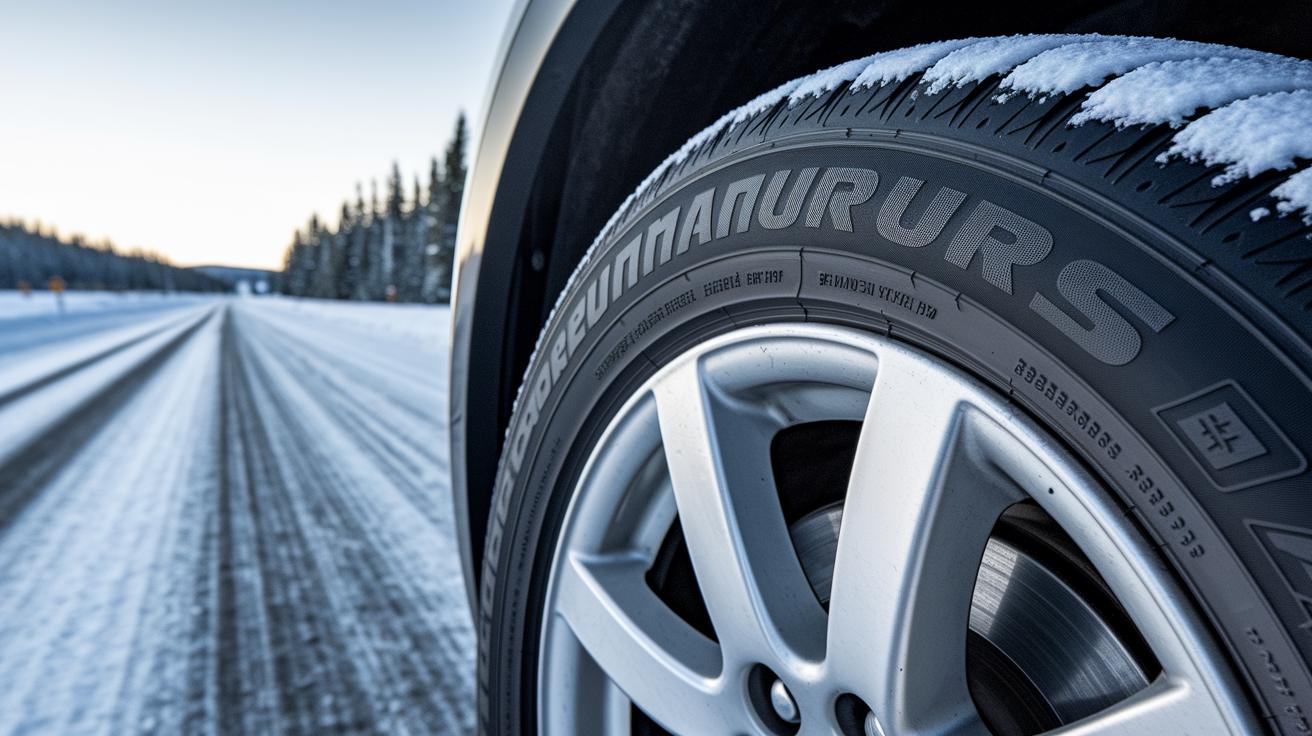
Your tire’s sidewall shows the highest PSI it can handle, but that number isn’t what your car really needs. Instead, check the label on your door jamb, near the fuel cap, or in your owner’s manual. Think of it as your car’s own little cheat sheet for getting the pressure just right.
Some folks believe that if your car has all-wheel drive, you don’t need winter tires. But tires made for summer or all-season driving can’t hold on to snow and ice like ones built for cold weather can. It’s like trying to walk on a slippery path in sandals – it just won’t work.
Many drivers assume that if a tire looks okay, it will work well. The fact is, modern tires can break down over time, even if they aren’t used much. They usually last between 6 and 10 years. It’s a bit like food that’s past its best-by date – it might look fine on the outside, but it won’t perform the way you expect.
There’s also a common mix-up about price. Expensive tires aren’t always better. In many tests, moderately priced tires do just as well on everyday roads. It’s like choosing a comfy pair of sneakers that fit perfectly instead of paying extra for a fancy brand.
Lastly, keeping your wheels properly aligned is key to making your tires last. If you see uneven wear on your tires, especially when the tread (the grooves that help grip the road) gets down to around 3 or 4 mm – remember, the law requires at least 1.6 mm – it’s time to think about replacing them.
Myth Versus Fact on Tire Inflation and Pressure

The number printed on your tire shows the highest pressure it can safely handle. But that isn’t the pressure your car really needs. You'll find the right number on your door frame, fuel cap, or in your owner’s manual. It’s kind of like having game instructions that help you play safe.
Tires lose a little air over time even when the weather is mild. That’s why it’s a good idea to check your tire pressure every month rather than waiting for a big weather change. I remember hearing a driver say, "I used to wait for cold snaps to check my tires, and then uneven wear cost me more money at the shop."
Pumping your tires with too much air isn’t a clever trick. It actually means less tire surface touches the road, which can lead to a bumpier ride, worse fuel economy, and a higher chance of a tire blowout. Think of it like wearing shoes that are too tight, they’re not only uncomfortable but can also hurt your feet.
So stick to the manufacturer’s guidelines for checking pressure, and you'll keep your tires in top shape for a safer, smoother drive each time.
Rotation Schedule Myths Questioned for Even Tire Wear

Some drivers believe that rotating your tires is optional, but that’s simply not true. In front-wheel-drive cars, the front tires handle most of the braking and steering work, which makes them wear out quicker. When they wear faster than the rear tires, the car's balance and handling can take a hit, and you might face uneven tire wear that hurts both mileage and performance.
Tire rotation isn’t a small chore you can easily skip. New tires should be rotated at the intervals recommended by the manufacturer, usually every 5,000 to 8,000 miles. Think of it like switching your shoes halfway through a long day so that neither pair gets worn out too fast. Sticking to a regular rotation plan helps keep each tire in good shape and makes sure your ride stays safe and predictable.
Here are some key points to remember:
- Regular rotation helps stop uneven wear from happening.
- Following a set schedule challenges the myth that some tires last longer without rotation.
- Skipping rotation can lead to imbalance and other issues.
For the best rotation intervals and patterns, check out trusted resources like tire rotation maintenance tips to keep your warranty intact.
Alignment and Balancing Myths Refuted for Proper Tire Maintenance

Getting your wheels aligned is more than just a nice-to-have, it’s essential for keeping your car’s suspension in check and your tires going straight. Think of it like tuning a musical instrument; even a tiny off-note can make a big difference. Modern cars rely on precise alignment to protect that suspension (the system that cushions your ride), and when things go out of line, one side of your tire can wear out quickly, much like a screw that's just a bit off-center can throw things out of tune.
Wheel balancing is just as key. It spreads weight evenly around your tire, stopping those nagging vibrations at higher speeds. I once heard someone say it feels like riding a bike with a crooked wheel, suddenly, everything feels shaky and unstable.
Misaligned or unbalanced wheels can cause your car to pull to one side or shudder when you step on the gas. Here are a few simple points to keep in mind:
| Tip | Why It Matters |
|---|---|
| Proper Alignment | Keeps your tires flat on the road and prevents uneven wear |
| Balanced Wheels | Ensures a smoother ride without distracting vibrations |
| Regular Checks | Help catch problems early so you can enjoy every drive |
Stick to regular professional checks, and your tires will wear evenly, which boosts both safety and performance every time you hit the road. Isn’t it nice to know you’re taking good care of your car?
Seasonal Tire Care Myths Debunked for Winter and Summer Conditions

Many folks believe that all-season tires can handle any weather, but that’s not really true. When the temperature dips below 45 °F, you actually need tires made with softer winter rubber to keep a good grip. Imagine trying to walk on a slippery floor in worn-out shoes – that’s how it feels to drive on the wrong tire.
Some drivers also think that if your car has all-wheel drive, you don’t need winter tires. The reality is, even an AWD car benefits from tires built for cold weather. These winter tires have the right mix of materials and tread patterns to cut through ice and packed snow, kind of like wearing the right boots on a frosty day.
Another common myth is that wider tires are always better. In snowy conditions, narrow winter tires work best since they can cut through the snow and reach the road more easily. While wider tires might be okay in deep, heavy slush, they can struggle on compacted snow or icy surfaces.
Lastly, don’t forget about the impact of the sun and heat. Long stretches in high temperatures can make all-season tires harder and less effective. It’s a smart move to store your off-season tires in a cool, dark spot so they stay in great shape when you need them again.
DIY Tire Care Myths Versus Professional Service
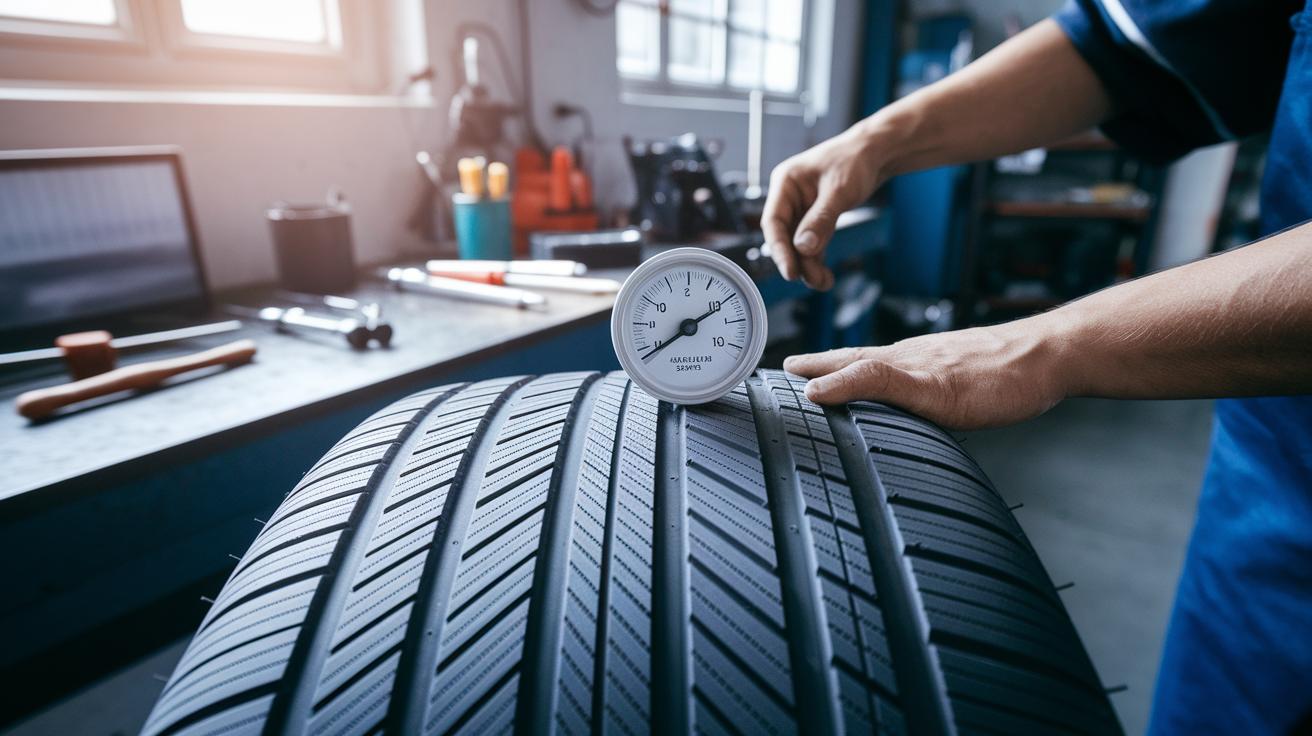
When you give your tires a quick look, you might not see problems hiding deep inside. Sometimes, damage like broken cords or worn-down material isn’t visible at a glance. Professional tools, such as tread-depth gauges that measure around 3 to 4 millimeters and careful pressure testers, catch these issues. Imagine checking your tires at home and thinking all is well, only to be hit with unexpected repair costs later.
Trying cheap, quick fixes on your tires can lead to uneven wear that might endanger your ride. It’s like using duct tape to patch a leaky tire instead of having a skilled mechanic take a proper look. Professionals check everything, from tread depth and tire pressure to rotation, balance, and alignment. This thorough inspection helps your tires last longer and keeps your drive safe.
Here are a few points to remember:
- Home checks might miss hidden internal damage.
- Experts use special tools to see what your eyes can’t.
- Quick fixes can hide uneven wear that makes driving unsafe.
- Technicians rely on precise gauges and testers to assess your tires.
Sometimes, inexpensive tires might seem like a bargain at first, but they can wear unevenly over time. The cost of constant replacements and repairs can really add up. When you’re in doubt, it’s best to talk to a trained tire professional. Just like choosing a home-cooked meal over fast food, quality really shows in the long run.
Final Words
In the action, we broke down common tire care myths, from the real deal on tire pressure and rotation needs to the quirks of alignment, balancing, and seasonal care. We even weighed DIY fixes against expert services. Each section offered plenty of clear facts to help you make better choices for your ride. Remember, tire care myths debunked here are meant to help you drive with confidence and safety. Stay informed and keep rolling safely on roads you trust.

