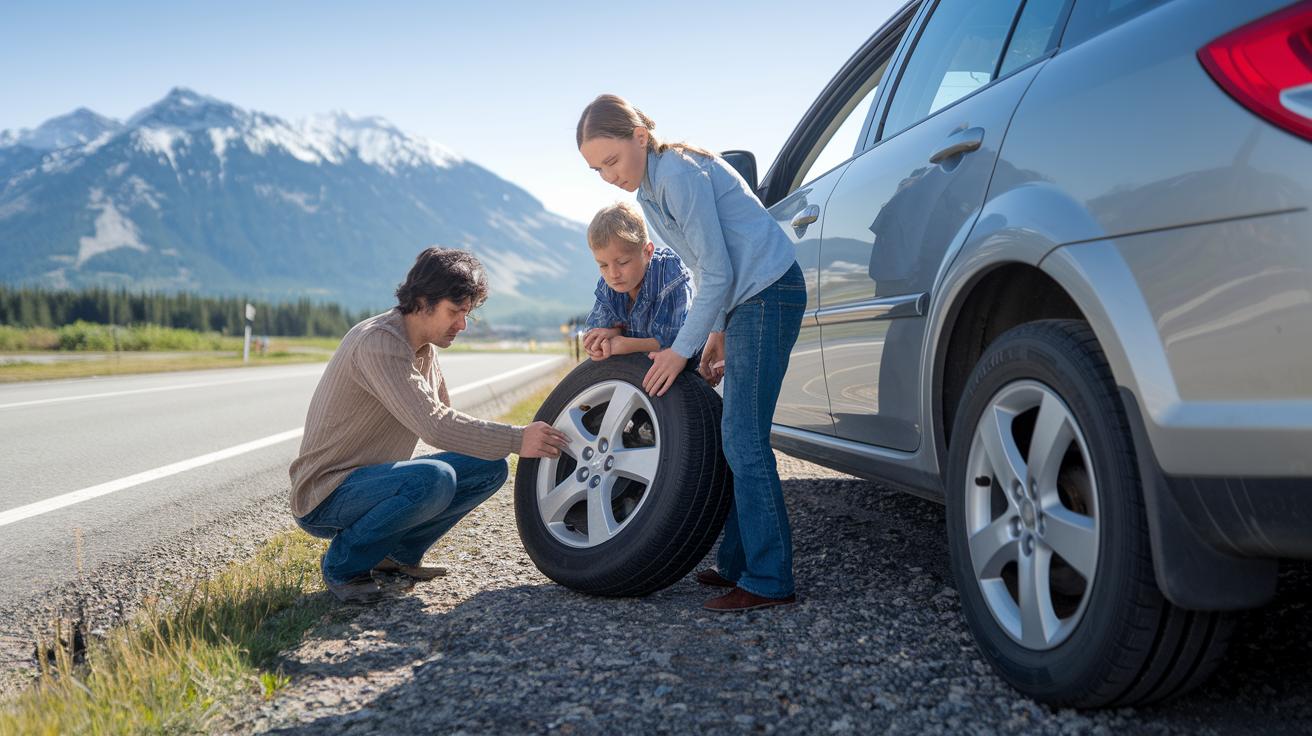


Ever think that a small tire issue could ruin your whole trip? A quick check before you leave can really save the day on long drives.
Imagine feeling that smooth ride, like the steady hum of your engine on a clear, open road. Keeping an eye on tire pressure (the air in your tires), tread depth (the grooves on your tires), and making sure your lug nuts (the bolts that hold the tire) are tight can make all the difference.
Sometimes, a simple penny test is all it takes to spot a problem before it turns into a big headache. It’s like giving your tires a little checkup so you can drive with confidence.
In this post, we'll share some smart and easy ways to take care of your tires, ensuring every journey is safe and smooth.
Comprehensive Pre-Trip Tire Care Checklist for Long Road Trips

Before you set off on your adventure, take a moment to give your car a little TLC. Start with checking your tire pressure when the tires are cold. Look at the sticker on your door jamb for the right number and use a good gauge. This quick check can help you save fuel and lower the risk of a sudden blowout.
Next, take a closer look at your tire tread. A simple penny test can tell you if the grooves are too shallow (if there’s less than 2/32" of tread, it’s time to think about new tires). While you’re at it, give the sidewalls a quick glance for any cuts, bulges, or debris that might cause trouble while you’re on the road.
It’s also smart to take a peek under the hood. Make sure all the lug nuts (the bolts that hold the wheel on) are tight and check that your spare tire is properly inflated. This is kind of like checking your car’s pulse to ensure everything is running smoothly.
And don’t forget your windshield wipers! If they’re over 18 months old, swapping them out can keep your vision clear, especially on rainy days. Top off important fluids like engine oil, coolant, brake fluid, and windshield-washer fluid. Finally, test all your lights inside and out, give those brake lights a squeeze, and go for a short, loaded test drive to spot any issues before you hit the long road.
- Check tire pressure while the tires are cold using the right gauge.
- Use a penny test to inspect tire tread; if it’s below 2/32″, consider replacing the tires.
- Look at the tire sidewalls for any cuts, bulges, or debris.
- Ensure lug nuts are secure and verify the spare tire’s inflation.
- Replace windshield wipers if they are older than 18 months.
- Top up engine oil, coolant, brake fluid, and windshield-washer fluid.
- Test interior and exterior lights, especially checking that the brake lights work.
- Take a short, fully loaded test drive to catch any potential problems.
Proper Inflation Techniques for Wheels on Extended Road Trips

Before you set off, take a moment to check your tire pressure using your pre-trip checklist. It’s best to do this when your tires are cold so you can match them to the manufacturer’s recommended PSI. Keep in mind that temperature changes can affect your tire pressure by 1 to 3 PSI for every 10°F shift. It’s a bit like how your car might need a few minutes to warm up on a cold day.
A reliable, well-calibrated tire-pressure gauge gives you the most accurate reading. And if you drive through areas where the altitude or temperature changes a lot, it’s a smart idea to check again. This extra step not only keeps you safe but can also help your car run more efficiently.
Tread Wear Monitoring and Rotation Tips for Tire Care on Road Trips

When you're headed out on a long drive, keeping an eye on your tire tread is a must. Try to check your tires every 500 miles or about once a week. A simple test works great: if the grooves aren’t deeper than 2/32 of an inch, it's a clear sign you might need new tires. Look for patterns in wear, like if the middle, edges, or even a feathered look appears. These signs often mean there might be an issue with your tire pressure or alignment. Fun fact: a small change in tread wear on a long drive can lead to big problems when it goes unchecked.
Rotating your tires is another smart way to extend their life. When you swap them around every 5,000 to 7,000 miles or before a big road trip, you could boost their lifespan by up to 20%. This routine helps all your tires wear evenly. Sometimes, switching them up with the changing seasons keeps performance top-notch too. If you spot that one area of a tire is wearing faster than the rest, it might be a hint to check your tire air pressure or alignment. Keeping a regular rotation schedule is like booking a trusted service appointment before any journey, it helps ensure a safer and smoother ride.
| Tread Depth | Risk Level | Action |
|---|---|---|
| Above 4/32″ | Low | Keep regular checks |
| 2/32″ to 4/32″ | Moderate | Plan a replacement soon |
| Below 2/32″ | High | Replace immediately |
Emergency Spare Tire Guidance and Troubleshooting During Long Road Trips

When a tire problem crops up on the road, a spare tire that's properly inflated can really save the day. Make sure your spare is either a full-size tire or a compact one, inflated and ready to go. If you run into a blowout or a puncture, pull over on a flat, safe spot, set your parking brake, and secure the car before getting underneath for any work.
Before you need it, find your jack and lug wrench and learn how to use them. It’s not as simple as changing a light bulb, so practice these steps ahead of time. For small punctures, a plug kit or sealant (a gooey substance that helps seal holes) can be a quick fix. Just keep in mind that these patch kits are only for short stretches until you can head to a repair shop.
It’s a good idea to check your spare tire’s air pressure (PSI) not only before leaving home but during your trip as well. A quick glance might just save you from a flat when you need it most. And if the damage on your tire is too much for a plug or sealant to fix, call roadside assistance instead of risking more problems by driving on it. This way, you stay safe and keep your trip smooth, ready for all those unexpected bumps along the road.
Wheel Alignment, Balancing, and Vibration Checks for Road Trip Tire Safety
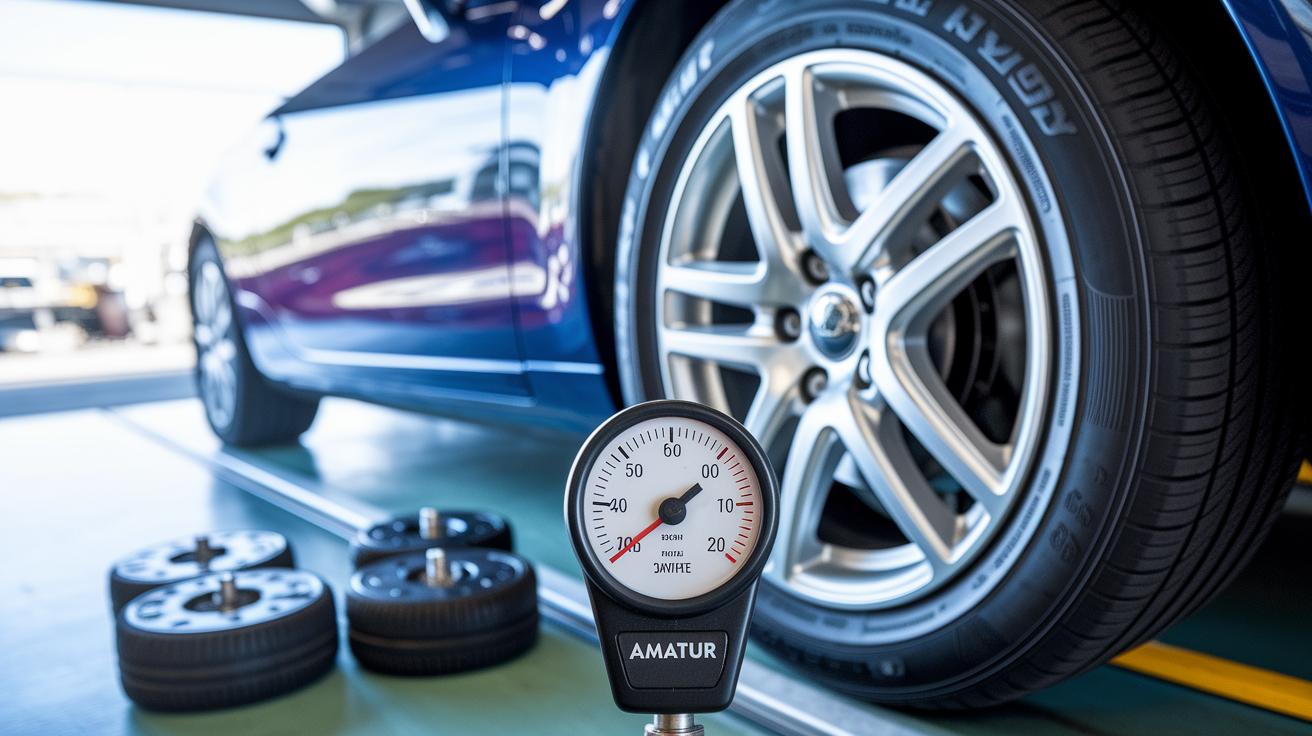
Ever feel a little tug on the wheel or a slight shake when you drive? That’s a sign your wheels might be off balance or not lined up right. When that happens, your tires can wear unevenly and your ride won't be as smooth. A quick check can prevent bigger headaches later. If you notice any drifting or odd noises, it’s a sure sign to get a professional alignment. Most experts say you should check your alignment every 10,000 miles or before a long trip.
Even if your tires seem fine, a little imbalance can cut their life by about 15% and even affect your fuel economy. Adding small weights during the wheel balancing process helps smooth out the spin by countering any heavy spots. It’s always a good idea to give your vehicle's performance a look over, especially when you're planning an extended drive.
When you’re unsure, remember to refer to the guidelines on why proper tire balancing after installation is so important. Taking care of these small issues not only extends your tire life but also gives you a steadier ride and better fuel efficiency. Keep an eye out for uneven wear or if your car consistently pulls to one side, they’re clear signs it's time for a check-up.
Selecting and Preparing Tires for Long Road Trips and Variable Conditions

When you're planning a long trip that takes you through different kinds of roads, picking the right tires is super important. Fresh all-season or all-terrain tires (tires made to handle both smooth highways and bumpy dirt roads) can really make a difference. Imagine cruising on the highway one moment and then winding down a country road the next – the right tires give you a steady grip all the way.
Matching your tires to your vehicle's weight and speed needs is a must, especially if you’re carrying a full load. It’s a bit like making sure you’ve got the right shoes for a busy day. When your tires are the perfect fit, your drive stays smooth and safe. Also, don’t let underinflated tires fool you; if they aren’t pumped up to the right pressure (PSI), they can heat up and wear out faster just when you need them most.
When you face extreme climates, choosing the right tire compound is extra important. For hot, sun-soaked areas, summer-rated tires can help keep things cool. And if a cold snap is on the way, winter-rated options might work better. By taking a little extra time to pick the right tires, you ensure they work hard for you no matter the road or weather.
Establishing a Tire Care Maintenance Schedule and Kit for Long Road Trips
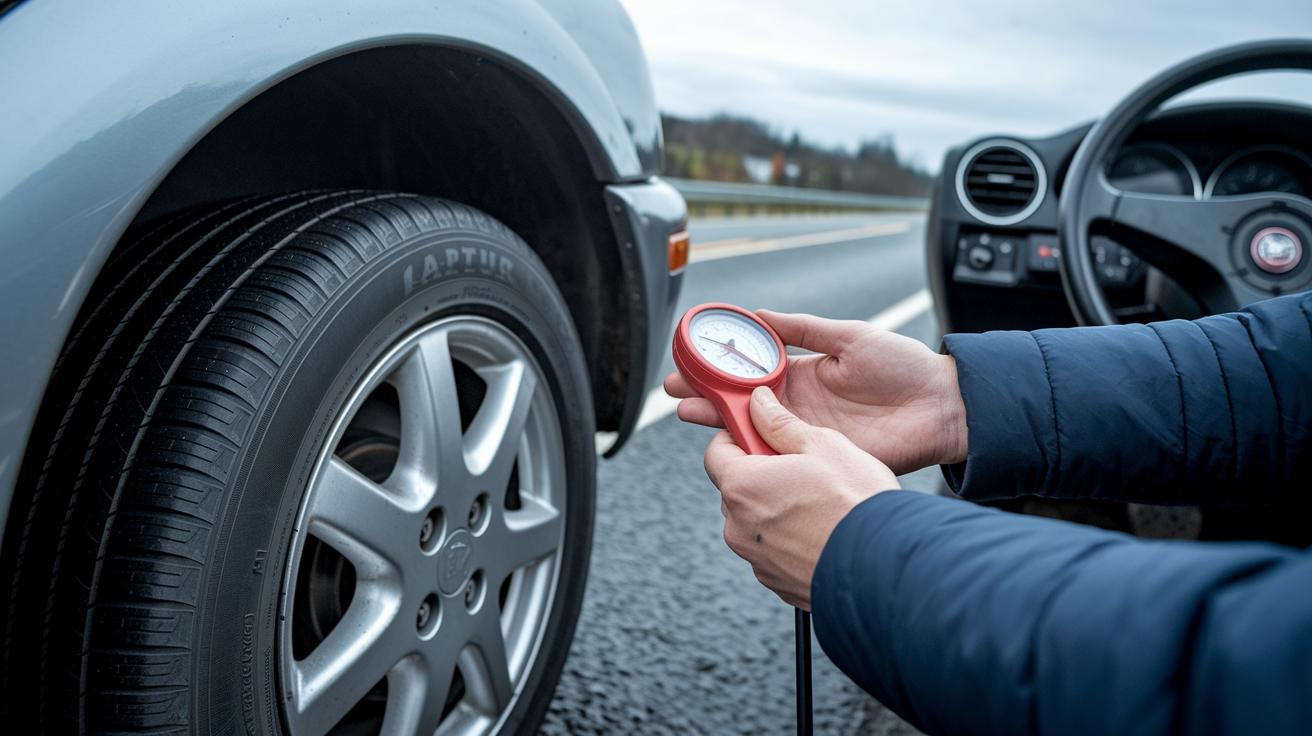
Start by making it a habit to check your tires often so they stay in good shape and you avoid any roadside surprises. Every 250 miles, pop the hood and check your tire pressure (that’s the PSI or pound per square inch, which tells you if the tire is properly inflated) using a reliable gauge. It’s a good idea to take a quick look at your tires during each fuel or rest stop, this way, you catch anything odd before it becomes a bigger issue. And once a week, do a simple tread test (this means checking the grooves in your tire to see if they’re wearing out) to spot early signs of wear.
A well-prepared tire care kit can really save the day when a minor glitch comes up. Consider packing these essential tools:
- Tire gauge
- Portable compressor
- Torque wrench
- Sealant
- Patch kit
- Jack
- Lug wrench
Keep a written record of each inspection and any refills you add. It’s also smart to have a list of trusted roadside assistance numbers and nearby tire shops handy, just in case you need a little extra help. With regular checks and your tire kit ready, you can focus on the journey ahead, enjoying every twist and turn with confidence.
Final Words
In the action, we broke down a handy checklist covering pre-trip tire care, proper inflation, tread monitoring, spare tire guidance, and wheel alignment basics. We explored how to inspect tire pressure, check tread depth, and verify lug-nut torque.
We also talked about choosing the right tires and setting up a maintenance kit. Keep these tire care tips for long road trips close by. They help boost tire performance, extend life, and give you that extra confidence every time you hit the road.
FAQ
What are the best tire care tips for long road trips and in California?
The best tire care tips for long trips mean checking your tire pressure when cold, testing tread depth with a coin, inspecting sidewalls, and verifying lug-nut tightness. This helps keep your ride safe, whether in California or elsewhere.
What do road trip safety tips and checklists include?
The road trip safety checklist means confirming proper tire pressure, testing lights and fluids, and doing a quick test drive with a full load. These actions help spot issues and boost your safety on the road.
What are summer driving safety tips for tire care?
The summer driving safety tips mean keeping your tires at the correct pressure, watching for signs of overheating, and checking fluids regularly. This routine helps combat high temperatures and keeps your drive smooth.
What driving safety tips should employees follow?
The driving safety tips for employees mean maintaining proper tire condition, performing regular visual checks, and keeping a tire care kit handy. These steps help work vehicles stay dependable and ready for the road.
What does a tire inspection checklist before a trip include?
The tire inspection checklist means you should check tire pressure, verify tread depth with a coin test, look for sidewall damage, ensure lug nuts are tight, and confirm your spare tire is ready to use.
What is the 7 7 rule for tires?
The 7 7 rule for tires means checking your tires weekly and rotating them roughly every 7,000 miles. This practice helps even wear, extends their life, and keeps you safer on every trip.
How should I prepare for a 12-hour drive regarding tire care?
The 12-hour drive prep means performing a full pre-trip inspection including proper tire pressure, tread depth, fluid tops, and a quick test drive. This helps reduce the risk of on-road issues.
Is it okay to spray WD-40 on tires?
The use of WD-40 on tires means that while it might clean them briefly, it can soften the rubber over time. It’s better to use a cleaner made specifically for tire care to protect your tires.
What does the 3% tire rule mean?
The 3% tire rule means that a 3% change in tire pressure or wear signals it’s time for an adjustment or checkup. This helps maintain safe performance and optimum tire condition.
How do tire care tips apply to long road trips in California?
The tire care tips for California trips mean you should check tire pressure when the tires are cold, inspect for local road hazards, and monitor temperature effects—helping you keep your drive safe and reliable.

