


Ever wondered if your tires are ready for your next journey? A few minutes spent on tire care can save you a lot of trouble later.
We have 5 easy tips to help keep your car steady and safe. Think of it like checking your ride’s pulse before taking on the highway.
One tip is to keep an eye on your tire pressure (that’s how hard the air pushes against the tire walls, which helps with grip on the road). Another is giving them a quick clean-up to remove dirt that might affect performance.
Each small step is like a little tune-up that makes your drive much safer. Ready to turn your regular checks into a smooth, worry-free ride?
Essential Tire Care Tips for Extending Tire Lifespan
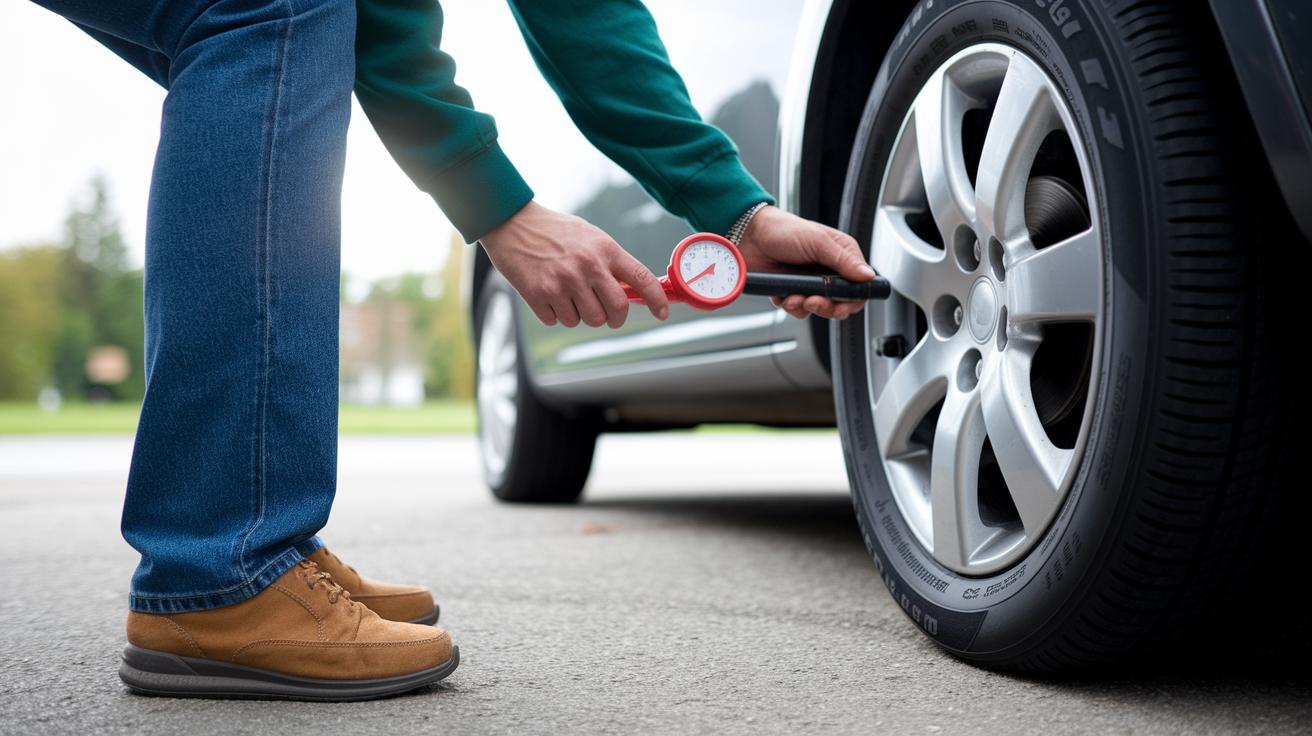
Make it a habit to check your tire air pressure once a month. Grab a trusted analog or digital gauge and do this in the morning when your tires are cool. Not having enough air (more than 25% below the recommended level) can be risky, so always compare your reading to the PSI listed on your car’s sticker. Think of it like checking your car’s heartbeat before a long trip.
Every 5,000 to 7,500 miles, swap your tires around. Rotating them, whether by moving from front to rear or using a cross-pattern based on your car’s layout, helps them wear evenly. It’s like giving your tires a fair pit stop to keep everything balanced and safe.
For a quick tread check, take a quarter and insert it head-first into the tread grooves. If you can see Washington’s face, your tread is getting low. Keep an eye out for the built-in wear bars too, as they signal when it's time for a change.
Don’t forget to inspect the valve stems now and then. Make sure the little caps are on because missing ones can lead to slow air loss over time.
Whenever you rotate your tires, it’s a good idea to get an alignment and wheel balancing check. This will keep your steering smooth and help prevent uneven wear.
Lastly, clean your tires with mild soap and water to get rid of brake dust and road grime. Use a soft brush and give them a good rinse. A quick wash can feel like that fresh start, readying your ride for safe journeys.
Mastering Tire Inflation and Pressure Standards
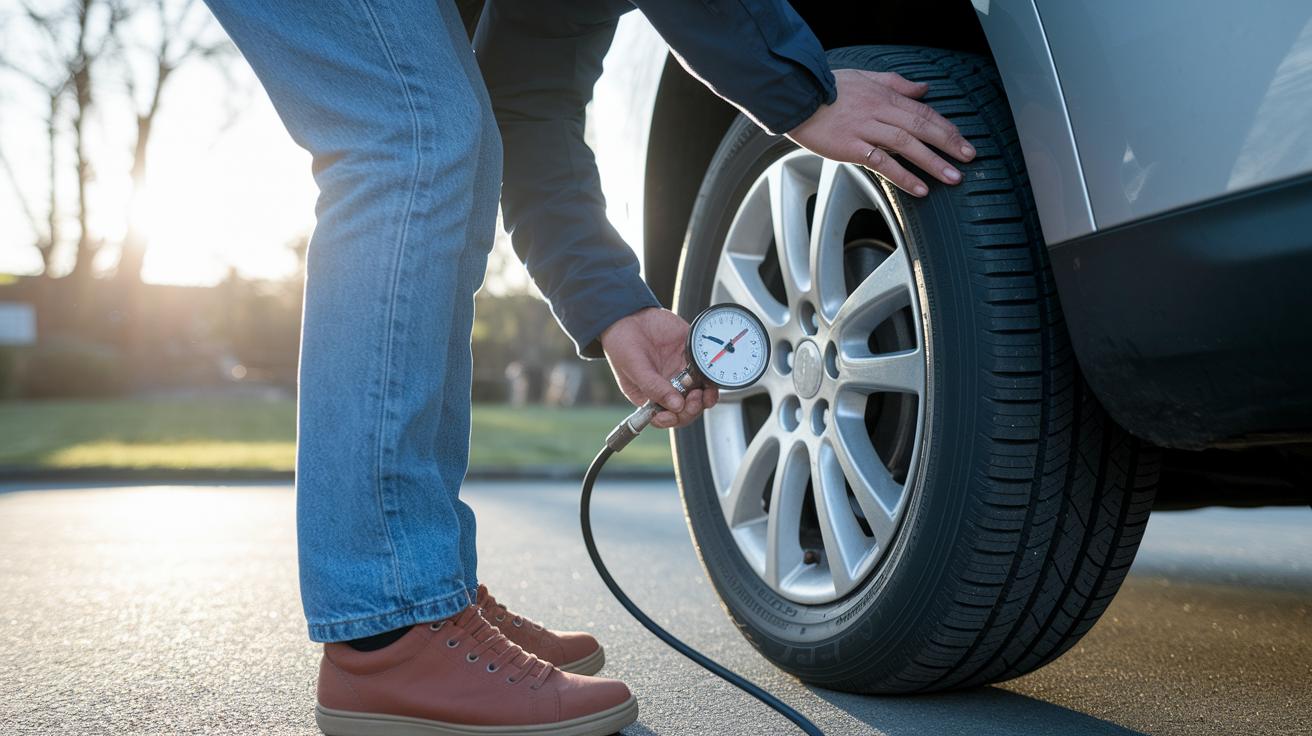
It's best to check your tire pressure once a month, preferably during the cool morning hours before you start driving. Grab an analog or digital gauge, press it against the valve stem, and wait for a steady reading, it’s a bit like watching an old clock settle into time. If the pressure reads lower than your vehicle's recommended level, slowly add air until it reaches the right PSI.
Underinflation by more than 25% could lead to tire blowouts, and overinflation can reduce the tire's grip on the road, especially in wet or slippery conditions. Always use the correct methods when filling air and check carefully with your gauge for a safe, steady reading.
Some service centers even offer a nitrogen fill for a fee. Nitrogen-filled tires tend to lose pressure more slowly, helping keep your tire inflation level more consistent over time.
Scheduling Tire Rotation for Even Wear

When you hit about 5,000 to 7,500 miles, it's a good idea to rotate your tires. This simple step helps even out wear and stops the edges from losing tread too fast. If you start noticing extra wear along the side of your tires, it might be time to rethink your rotation method.
Pick a rotation pattern that matches your car’s drivetrain. For a front-wheel-drive car, moving the front tires to the back can really balance things out. If you’re driving a rear-wheel-drive vehicle, try a cross-pattern to handle the different pressures on each tire. This way, every tire gets a fair shot at performing well.
Also, balancing your tires while you rotate them helps reduce vibrations and smooths out the ride even more. For a clear, step-by-step guide, check out the comprehensive tire rotation checklist for regular maintenance.
Inspecting Tread Depth and Rubber Condition
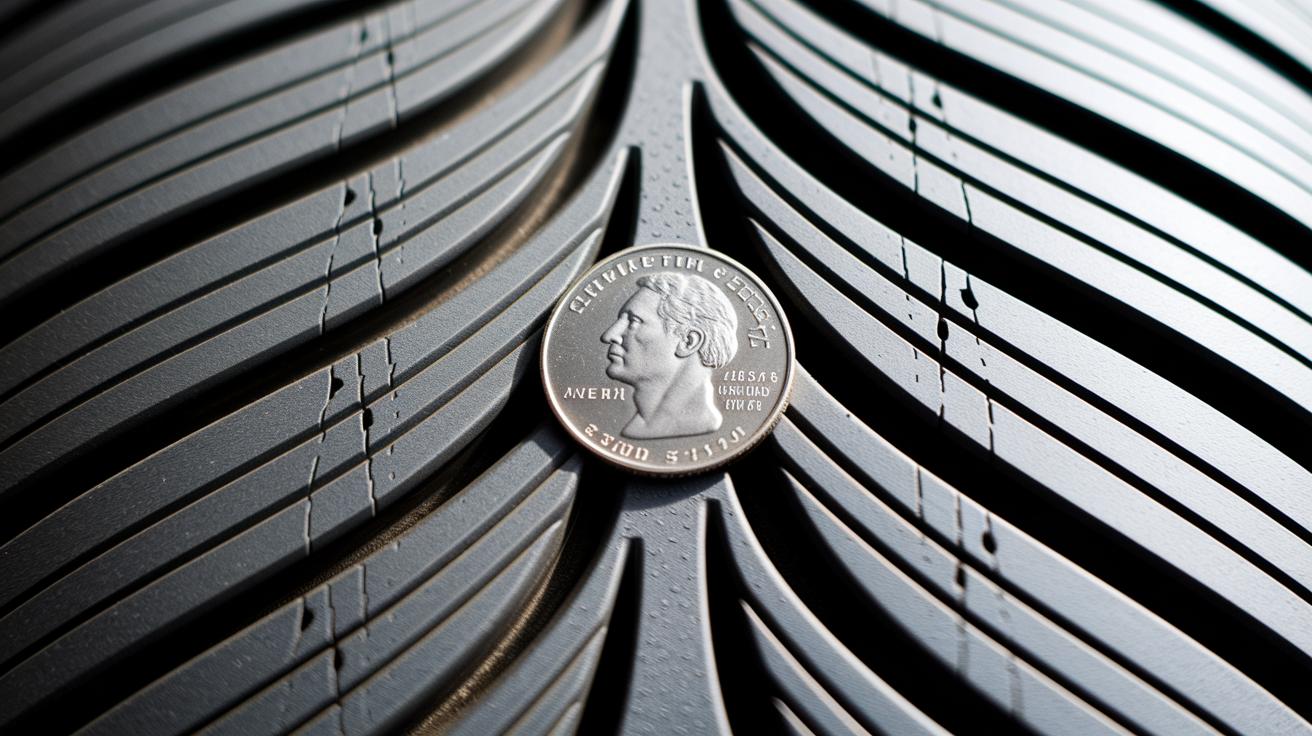
Keep your car safe by checking your tire tread regularly. Try the Quarter Test: hold a quarter with Washington's head facing down and press it into one of the tire grooves. If you can see his head, it means the tread is less than 4/32 inch deep. It's smart to change your tires long before they hit the 2/32 inch legal limit.
Another tip is to look for the wear bars – those little ridges molded into your tire's tread. When these bars line up evenly with the tire surface, it’s a clear sign that it's time for a new set.
Also, take a moment to inspect the inner, outer, and center parts of the tread for any uneven wear. Uneven wear might signal issues with alignment or tire pressure, which can affect how well you control your vehicle.
Ensuring Proper Alignment and Wheel Balancing

Make it a habit to check your car’s alignment whenever you notice it pulling to one side, the tires wearing unevenly, or after you hit a pothole hard. Alignment means setting the tire angles right (camber is the tilt, toe is how the tires point, and caster helps with steering smoothness) so the tires wear evenly. It’s like giving your car a quick tune-up, just as you’d tune a guitar for perfect notes.
Wheel balancing uses small weights to even out any heavy spots in your tires. If the tires aren’t balanced, you might feel the steering wobble or even notice early suspension problems. When that unexpected vibration hits, it could be time for a balancing check, like making sure your trunk is evenly packed so every tire carries its share.
Taking these simple steps not only helps your car steer better, but it also extends the life of your tires. Regular checks on alignment and balance make for a safer drive and a smoother ride, giving you one less thing to worry about on the road.
Cleaning Tires Safely with Nonabrasive Solutions
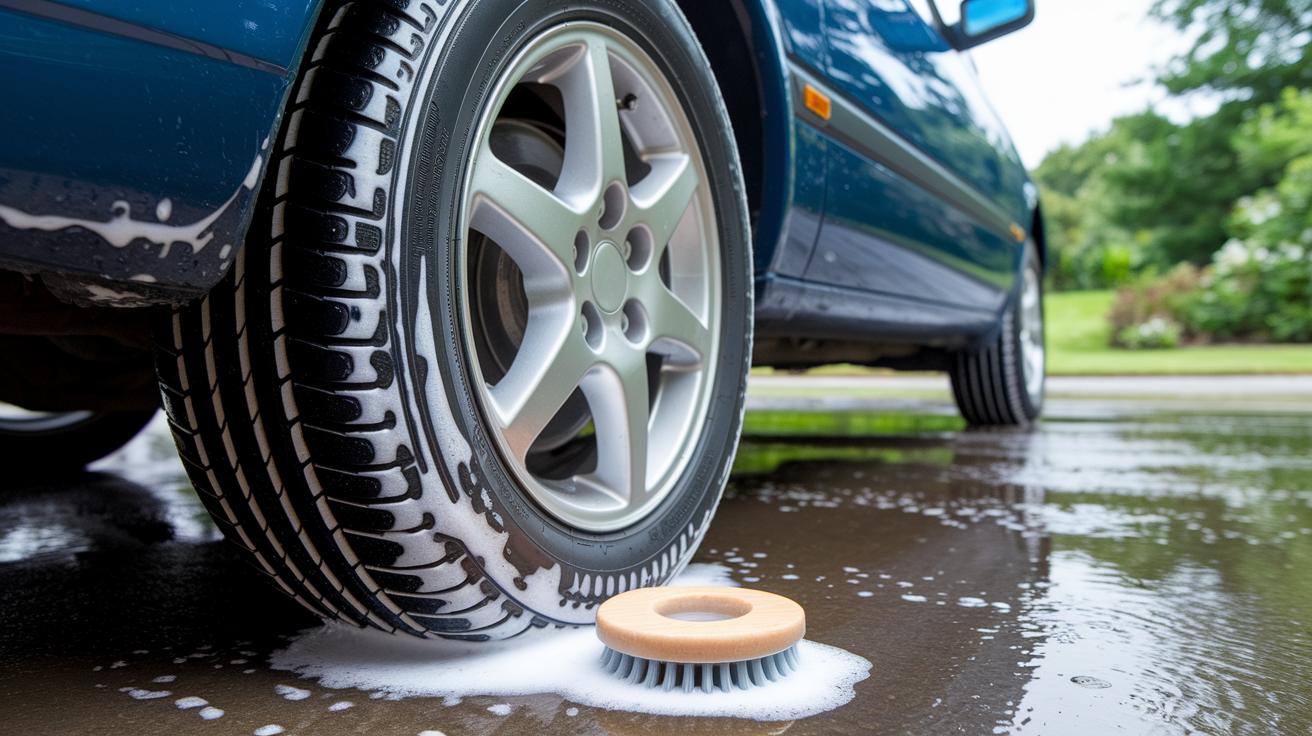
When you're ready to clean your tires, start by giving them a quick rinse to wash away loose brake dust, road grime, and any salt buildup from your drive. Next, mix a little mild car soap with water and use a soft-bristle brush (a gentle tool that cleans without scratching). Avoid petroleum-based cleaners because they can harm the tire's rubber.
Now, spread the soapy water over the entire tire, paying close attention to the sidewalls and the grooves where dirt can hide. Gently work the brush over the surface to lift off any stubborn grime. Once you’re happy with the cleaning, rinse off all the soap using clean water until nothing but water remains.
Finally, let your tires air dry on their own; this natural drying method helps keep the rubber flexible and ready for your next adventure.
This simple, step-by-step guide replaces any mixed-up tips you might have found elsewhere, giving you one clear path to keep your tires in great shape.
Safe Driving Habits to Protect Your Tires

Good driving habits can really help your tires stay in great shape. Try to dodge potholes, loose rocks, and sudden curb hits that can hurt the sidewalls and the tread (the part of the tire that touches the road). When you’re on rough or gravel roads, it helps a lot to slow down a bit, it’s like giving your tires a smooth ride instead of a bumpy rush.
Keep your acceleration gentle, brake gradually, and turn at a safe speed so your tires aren’t getting extra stress. Think of it as treating your tires like a friend who deserves a calm drive rather than a wild rollercoaster ride. A few small adjustments, like not overloading your car and staying clear of hazards, can really lower the risk of flats or blowouts. In truth, by avoiding common mistakes on the road and driving safely, you help protect your tires, making every trip a safer, smoother journey.
Quick Solutions for Flat Tires and Emergency Patches
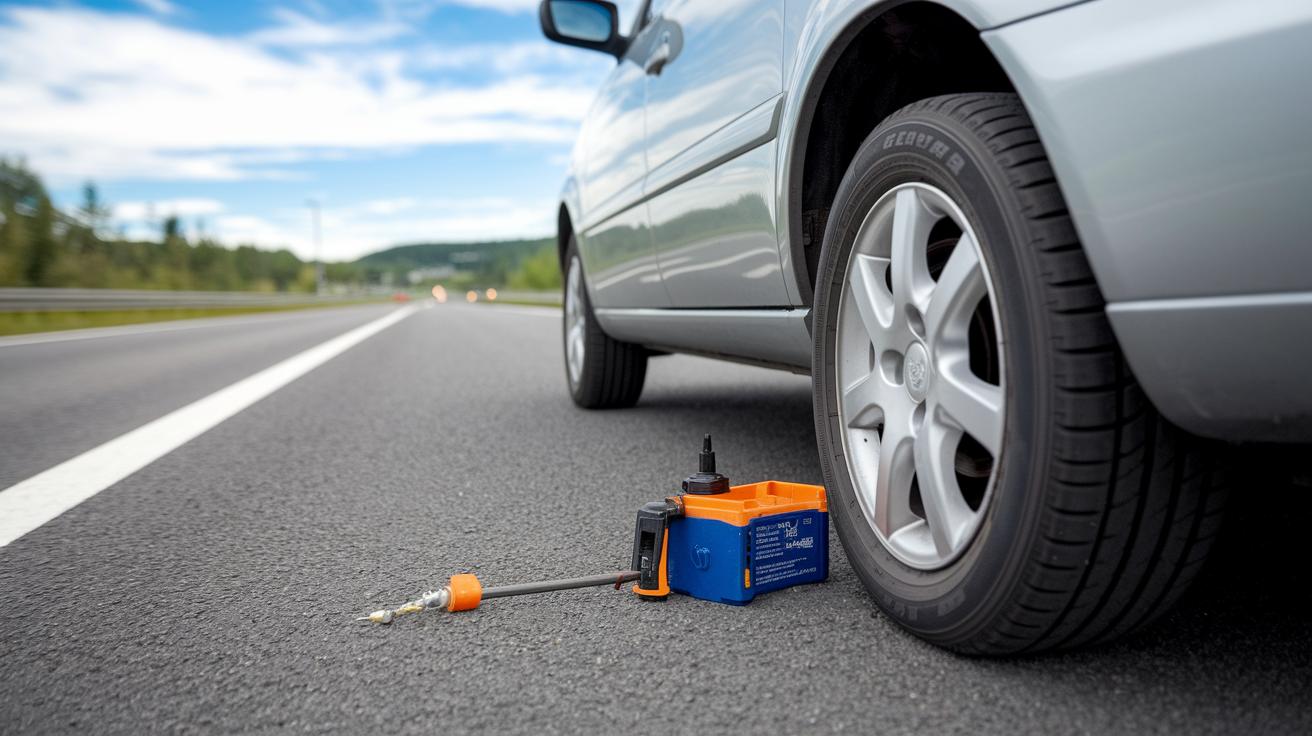
When you get a small puncture, a temporary plug acts like a quick bandage for your tire. It holds things together just long enough for you to safely make it to a repair shop.
For a more lasting fix, you need a permanent repair. This means taking the tire off and using an inner patch with a plug (kind of like sealing a leak from the inside out). It's a sturdier option that helps cut down the risk of a blowout.
But be careful if you're thinking about a DIY repair. A tiny mistake might lead to more damage, so it's wise to follow clear steps or let a professional handle it.
Always keep a compact repair kit in your car. Knowing the difference between a plug-only fix and a patch-plus-plug repair can really be a lifesaver when you need a quick solution to get you safely to a trusted service center.
Final Words
In the action, we reviewed several tips to keep your tires in top shape. We covered the importance of regular pressure checks, proper rotation, and safe cleaning methods that help maintain both performance and durability. We also took a closer look at how smart driving habits can protect your tires from unexpected wear. Using these tire care tips will give you the confidence to handle any road condition. Keep these simple steps in mind, and enjoy a smoother, safer drive every time.
FAQ
What is a tire care tips PDF?
The tire care tips PDF provides a handy guide that explains how to check air pressure, rotate tires, and clean them. It offers clear, quick steps to help keep your tires safe.
What does a tire maintenance checklist include?
The tire maintenance checklist includes steps like checking air pressure, inspecting tread depth, and looking for any tire wear. It simplifies routine checks to keep your tires performing well.
What are some of the best tire care tips?
The best tire care tips involve regular pressure checks, timely rotations, and keeping an eye on tread wear. This routine helps maintain traction and extends the life of your tires.
What tire care products should I use?
Tire care products such as mild automotive soap and a soft-bristle brush clean tires effectively without harming the rubber. They help remove road grime and preserve tire performance.
What does tire maintenance mean?
Tire maintenance means performing simple checks like air pressure, tread depth, rotation, and cleaning. It’s a regular routine to keep tires safe and extend their service life.
What does tire maintenance on a dashboard refer to?
Tire maintenance on a dashboard generally refers to the tire pressure monitoring system. It alerts you when tire pressure is low, prompting you to check and adjust it as needed.
How should I approach tire maintenance for a Nissan?
Tire maintenance for a Nissan follows routine steps like checking PSI, rotating at regular intervals, and inspecting tread wear. Always consult your owner’s manual for specific recommendations.
What are key tire safety tips?
Key tire safety tips include checking air pressure regularly, monitoring tread depth, rotating tires on schedule, and driving carefully to prevent damage and ensure safe performance.
How do I properly take care of my tires?
Proper tire care means checking pressure monthly, inspecting tread wear, rotating tires as recommended, and cleaning them with gentle products. This routine helps prevent premature wear.
What is the 7 7 rule for tires?
The 7 7 rule for tires suggests checking tire pressure and tread weekly and considering a rotation at around 7,000 miles. It’s a simple way to help balance wear and maintain safety.
What is the 3% rule for tires?
The 3% rule for tires refers to monitoring pressure changes. If a tire loses more than three percent of its pressure in a month, it may be a sign of a leak or damage that needs attention.
Can I spray WD-40 on my tires?
Spraying WD-40 on your tires isn’t advised because it can harm the rubber. It’s better to use products designed for tire care that clean and protect without degrading the tire compounds.

