

Ever thought a video game could boost your tire's grip on the road? It might sound strange, but tire design optimization works a bit like that. Engineers use computer models (digital tools that act like a test drive on your screen) to tweak and perfect tire designs before any tire is built for real.
They change the tread patterns and run tests that mimic everyday driving conditions right on the computer. This way, they see improvements instantly. It also means we can get safer and more fuel-efficient tires much faster without having to wait for pricey physical tests. It's a smart shortcut that could really change how we think about tire performance.
Fundamentals of Tire Design Optimization Technology

Computer models help improve tire performance without having to wait for expensive physical tests. Engineers use simulation tools like SIMULIA on the 3DEXPERIENCE Platform to test tire designs on a computer screen. It’s a bit like playing a video game with your car before you actually hit the road.
Virtual prototyping uses detailed computer models instead of building an actual tire and testing it on the pavement. Ever imagine an engineer tweaking a tire’s tread design on a computer and instantly seeing better grip on wet surfaces? This technique saves time and money while reducing the need for many physical prototypes.
This simulation-driven way of working brings five big benefits. First, it helps optimize the tread design, making tires grip the road better and drive safer. Next, it predicts how the tire wears under different loads, improving durability. It also cuts down on rolling resistance, which boosts fuel efficiency and lowers CO₂ emissions. Plus, it smooths out noise and vibrations for a quieter ride. Finally, it speeds up the whole process so better tires reach the market faster.
Advanced Simulation Methodologies in Tire Design Optimization
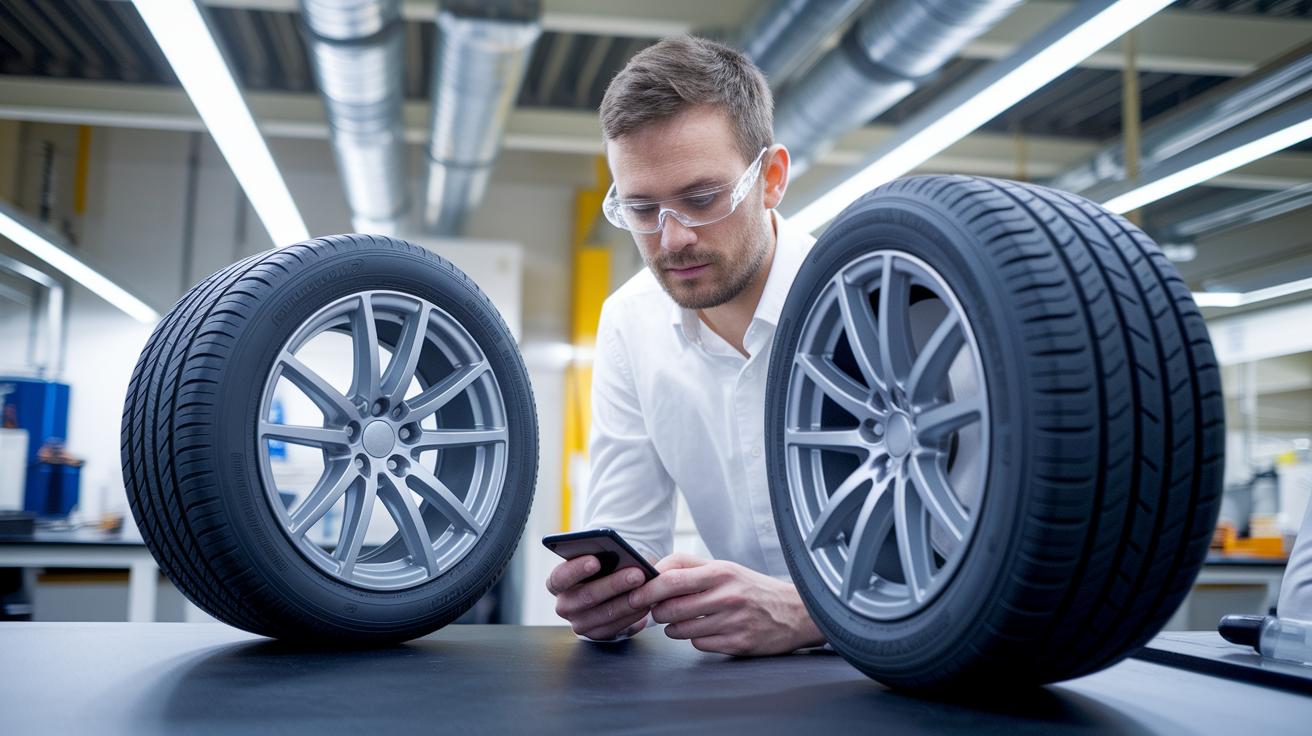
Multi-stage simulations help us perfect tire designs before we even build a real one. Engineers begin with a basic 2D axisymmetric model (a simple round shape used for checking how the tire mounts on the rim and inflates). This first step sets the stage for later, more detailed tests that fine-tune the tire's performance. Each phase builds on the last, adding virtual tests and dynamic contact checks to show how the tire behaves under different conditions.
- Create a simple 2D round model
- Test how the tire inflates and mounts on the rim
- Generate a 3D model by revolving and reflecting the 2D shape
- Analyze the tire's footprint with load transfers
- Run a steady state rolling simulation
This step-by-step method uses computer simulations that let engineers watch how a tire acts when it's inflated and placed on a virtual rim. When the inflation results are moved into the 3D tire model using dummy steps, engineers carefully set the load and boundary conditions to match the tire's correct pressure. By mirroring the half-footprint model, a full tire representation emerges that shows its rolling behavior just right. These digital tests help us understand and improve the tire design without relying on expensive physical prototypes.
In the end, using these computer-driven simulations cuts down on the need for extensive physical testing. It gives engineers clear insights into tire performance early on, boosting their confidence to make smart choices about improving grip (how well the tire holds the road), durability, and safety, long before the tire ever leaves the lab.
Material Innovation in Tire Design Optimization Technology
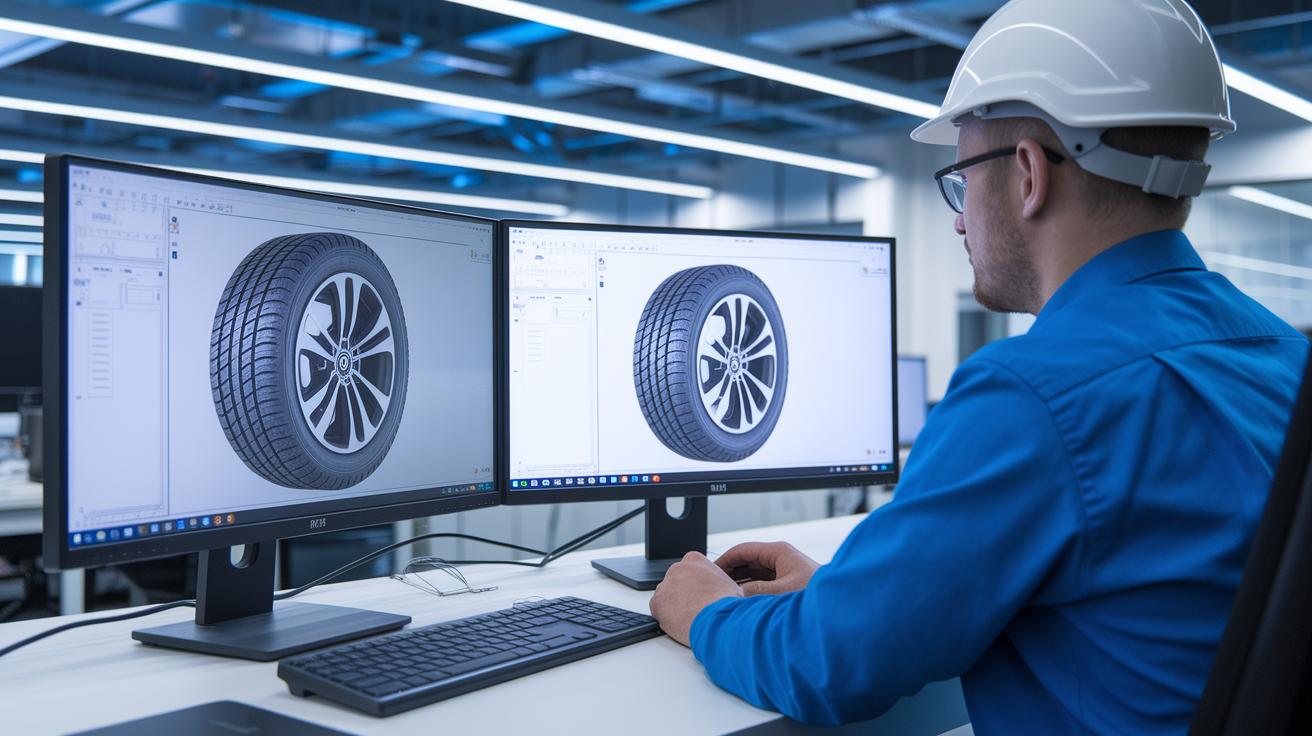
Engineers are now using computer models to see how new rubber blends handle real road conditions. They work with SIMULIA software to check how the mix performs under lots of different weights and temperatures. This digital testing lets experts look at how the rubber wears down over time (fatigue behavior) and how it deals with impacts without needing a ton of physical tests. It’s a fast way to get reliable feedback, so engineers can quickly make design tweaks without all the usual trial and error.
This approach brings clear benefits like tougher tires and shorter development cycles. Predictive wear analysis helps spot weak areas before a physical model is even made, which means improvements can happen right on time. By adjusting material properties based on simulated stress, the process cuts down on both time and extra costs. In the end, tires not only meet safety and performance needs but also keep a secure grip on the road, setting a new standard in high-quality, efficient tire innovation.
Multi‐Objective Algorithm Development for Tire Optimization Technology

Engineers are using smart computer tools that check several tire features all at once. They mix goals like grip (how well the tire holds the road), efficiency (how little energy it wastes), durability (how long it lasts), and safety into one easy simulation. Every change to the tire is looked at from many different angles so that the final product performs well in every way.
One really cool part of this approach is how it makes tricky simulations feel simple. With just one license, engineers get access to all the multiphysics simulation features in a single go. Cloud-based tools offer a flexible space for testing out complex design ideas quickly and smoothly. Engineers build their models with integrated software that brings different analysis methods together, which makes checking each design tweak a breeze.
They use a step-by-step process, running one simulation after another to fine-tune tire performance. In each cycle, they adjust different design parts and compare what works best. These repeated tests keep looping until the tire meets all the performance goals. This continuous process within one system means less reliance on physical testing and more confidence that every tire part meets high standards.
Performance Metrics in Tire Design Optimization Technology

Engineers run computer simulations to check five important measures that show how a tire will perform. They test design tweaks that lower rolling resistance (energy loss) so your car uses less gas and puts out fewer CO₂ emissions. They also check noise, vibration, and harshness to keep your ride quiet and smooth. Durability tests predict how quickly a tire might wear out, while tread footprint analysis helps improve grip on the road under different conditions. And virtual prototyping speeds things up, meaning better tires hit the market faster.
Each measure comes from its own kind of simulation. This lets engineers see how design changes affect performance without building a real tire each time. They get clear insights on fuel efficiency, sound control, wear patterns, road grip, and overall design speed. All these details give them the confidence to choose designs that boost performance all around.
| Metric | Simulation Approach | Performance Impact |
|---|---|---|
| Rolling Resistance | Virtual tests that find energy loss | Better fuel efficiency and fewer CO₂ emissions |
| NVH | Tests for sound, vibration, and harshness | A quieter, smoother ride |
| Durability | Wear prediction and stress tests | Longer-lasting tires |
| Traction | Tread footprint contact analysis | Improved grip and safer handling |
| Innovation Speed | Virtual prototyping cycles | Faster design improvements and quicker market entry |
Digital Twins and Real-Time Monitoring in Tire Design Optimization Technology

Imagine a digital twin as a mirror of how a tire behaves on the road. Using cloud-based simulation platforms, these models collect live data from tire sensors to show how the tire grips and wears in real time. It’s like watching a mini-version of the tire in action as conditions change.
Engineers get a steady stream of sensor data that flows into a virtual world. Here, simple predictive tools help fine-tune tire design settings, much like checking your tire pressure before a long drive. Data gathered from real roads makes sure every test feels just like being behind the wheel.
These virtual setups can also mimic the end-of-life of a tire. In truth, by looking at how a tire behaves after many miles, designers can predict when its wear might become an issue. This smart, simulation-based method leads to better maintenance planning and tire designs that last longer and perform better.
Final Words
In the action, we explored how advanced simulation workflows and material research work together to boost tire performance, safety, and drive quality. Each section broke down the crucial steps, from virtual prototyping to digital twin methods, used to enhance tire longevity and overall performance. The step-by-step breakdown showed how tire design optimization technology can reduce testing hassles while giving us better insights into performance and durability. It’s clear that smart designs and simulation techniques keep our rides safe and smooth. Stay safe and keep driving confidently.
FAQ
Tire design optimization technology PDF
The tire design optimization technology pdf is a guide that explains how simulations refine tire designs before a physical model is built. It details steps to boost tread grip, durability, and fuel efficiency.
Tire design optimization technology free
The tire design optimization technology free resource offers access to simulation methods that improve tire performance. It covers virtual steps to enhance grip, durability, noise comfort, and overall efficiency without extra charges.
What is the new technology in tires?
The new technology in tires uses advanced simulation and virtual testing to refine designs. It improves areas like grip, durability, and fuel efficiency before a tire is fully produced, making rides safer and smoother.
What is the magic triangle of tire technology?
The magic triangle of tire technology represents the balance among grip, durability, and rolling resistance. Optimizing these three areas leads to a safer tire with better performance on various roads.
What are the biggest innovations in tire technology?
The biggest innovations in tire technology come from simulation-driven design, virtual testing, material improvements, multi-objective algorithms, and digital monitoring. These methods speed up design adjustments and enhance performance across the board.
What is the all season tire technology?
The all season tire technology uses advanced tread designs and rubber compounds to perform reliably in different weather conditions. It provides consistent grip and durability, helping drivers stay safe year‐round.

