


Ever notice how the summer sun can change your tire pressure without you even realizing it? As it heats up, the air inside your tires expands a bit, it can increase by 1 to 2 PSI (a simple measure of pressure, like pounds per square inch) for every 10°F rise. This extra pressure might catch you off guard if you don’t check your tires regularly.
Our guide is here to share easy tips on setting up your tires to handle hot weather. Stick with us as we walk you through some smart, simple methods to keep your tires safe and your ride smooth, even when the heat is on.
Essential Installation Adjustments for Tires in Hot Climates

Hot weather makes the air inside your tires expand, which pushes up the tire pressure. For every 10°F increase, your tire pressure can jump by about 1 to 2 psi. This extra pressure can lead to over-inflation, so it's really important to keep an eye on your tires when it's hot out.
Heat can also put extra stress on your tire material and affect your car's overall safety. That's why it's best to check your tire pressure when the tires are cool, either before a long drive or at least once a month. Think of it like checking your gas tank before hitting the road; you want to be sure everything is just right.
- Check the outdoor temperature and note the current psi.
- Work out how much pressure might go up (about 1 psi for every 10°F). So, if it's 30°F warmer than usual, you might add around 3 psi.
- Adjust the tire pressure by letting air out or pumping more in until you reach the level recommended in your owner's manual or on the driver’s door sticker (for example, 32 psi).
- Wait about 30 minutes for the tires to cool down, then check the pressure again.
- Write down your readings and repeat this check every month to catch any shifts caused by changing temperatures.
Your vehicle’s manual gives you the ideal tire pressure for safe, smooth driving, so it’s good to look at it before making any changes. And if you're ever unsure about how to adjust your tires, getting a second opinion from a professional tire service is a smart choice. Their expertise helps ensure your tires hold the right psi, which can prevent uneven wear or even tire problems when it’s extremely hot.
Tire Compound and Design Selection for Extreme Heat
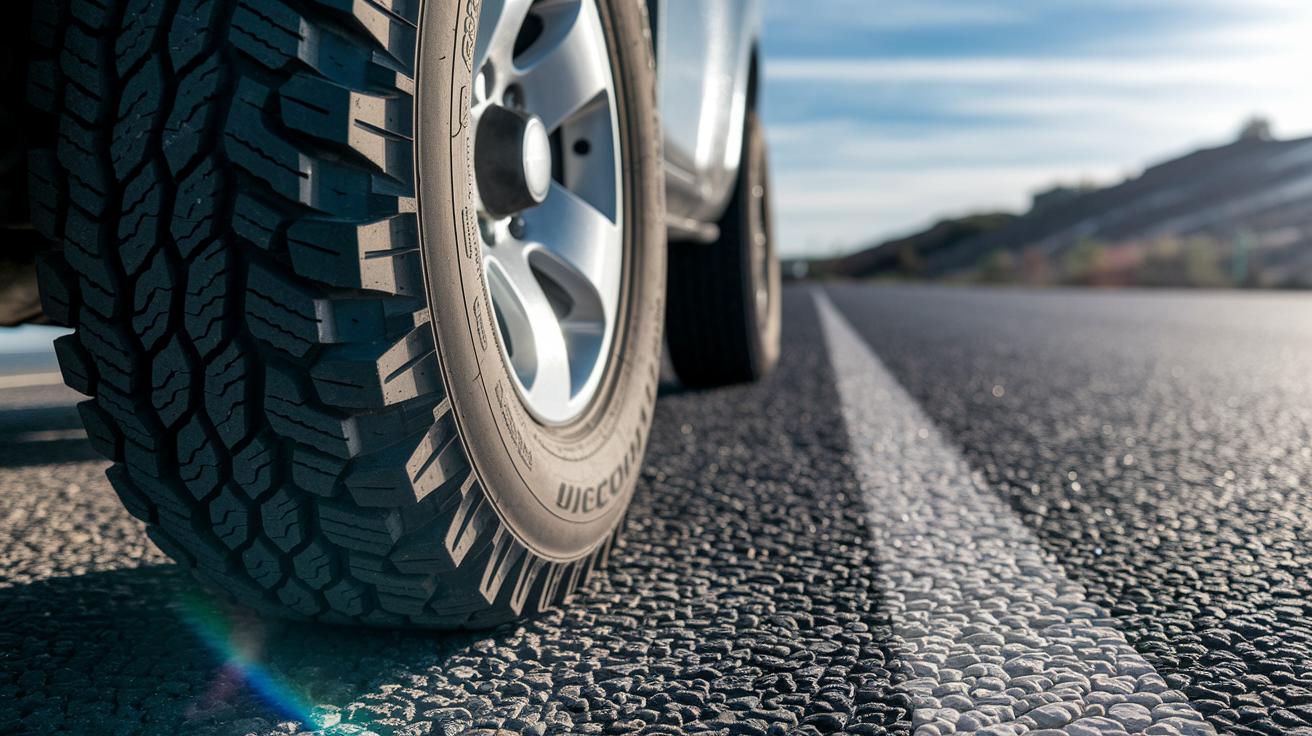
When you're shopping for tires, it's all about what’s under the hood of their design. Summer and all-season tires are built with special rubber (the mix of chemicals that forms the tire) that helps them stand up to heat and avoid cracking. These tires have smart technology that boosts grip on hot roads, and their tread designs keep you in control no matter how sunny it gets.
When the pavement sizzles, tires engineered to handle high heat keep things cool by resisting expansion and slowing down wear and tear. In simple terms, these tires work hard so you can drive safely even when it feels like you’re on a griddle.
| Compound Type | Heat Resistance Rating | Durability Features |
|---|---|---|
| Summer Compound | High | Improved grip and resistance to cracking |
| All-Season Compound | Moderate | Balanced performance with heat tolerance |
| High-Performance Compound | Very High | Optimized tread design and enhanced endurance |
| Eco-Friendly Compound | Moderate | Efficient fuel use with decent heat resistance |
Picking the right mix helps your car stick to the road and actually makes your tires last longer. With tires built to beat the heat, you’re looking at smoother rides and less worry about early wear, no matter how high the temperature climbs.
Best Practices for Physical Installation on Hot Pavement

Working in extreme heat really changes how your tires mount. When the asphalt gets hotter than 140°F, the tire beads might not settle the right way and the sealant can cure too quickly or unevenly. Taking your time at every step makes a huge difference in keeping your installation safe and secure.
Pre-Installation Inspection
Before you start, take a close look at your rims and tires. Check for any cracks, chips, or debris that could stop the tire bead from seating properly. Think of it like giving your tires a quick health check-up before you hit the road.
High-Temp Lubrication Techniques
Using the right lubricant is key in hot weather. High-temperature-grade lubricants (that is, those made to work well when it’s really hot) stop the tire bead from slipping before it's ready. Just apply the lubricant right where the tire meets the rim, so the seating goes smoothly without messing up the tire’s rubber.
Precision Torque and Bead Seating
Stick to the manufacturer’s torque guidelines, especially when the heat has softened the sealant. If you over-tighten, the bead might get misshapen and cause problems later on. Once the bead is in place, steadily and evenly tighten the lug nuts to let the sealant set perfectly. This careful balance keeps your tire locked in, even when the pavement is scorching.
Post-Installation Maintenance for Tire Stability in Warm Environments

Taking care of your tires is easier than you might think. Rotating your tires every 5,000 to 7,000 miles helps keep them wearing evenly. This is important because the front tires often work harder from steering heat. It also makes your ride smoother and safer.
Doing regular tread checks is super helpful. For example, you can use the penny test, if you can see all of Lincoln’s head in the groove, it’s time to think about new tires. And don’t forget to check your tire pressure often. Keeping the right pressure helps your tires handle heat better.
After driving on hot pavement, take a close look at your tires. Look for any signs of bulges, cracks, or exposed steel (the inner layers of the tire that you can’t see when they’re in good shape). These can be signs of trouble that might lead to a blowout. If you spot any damage, get it fixed right away.
Regular maintenance like this not only makes your summer drives safer but also helps your tires perform well in hot weather over time.
Professional Equipment and Safety Standards for Hot Climate Tire Installation
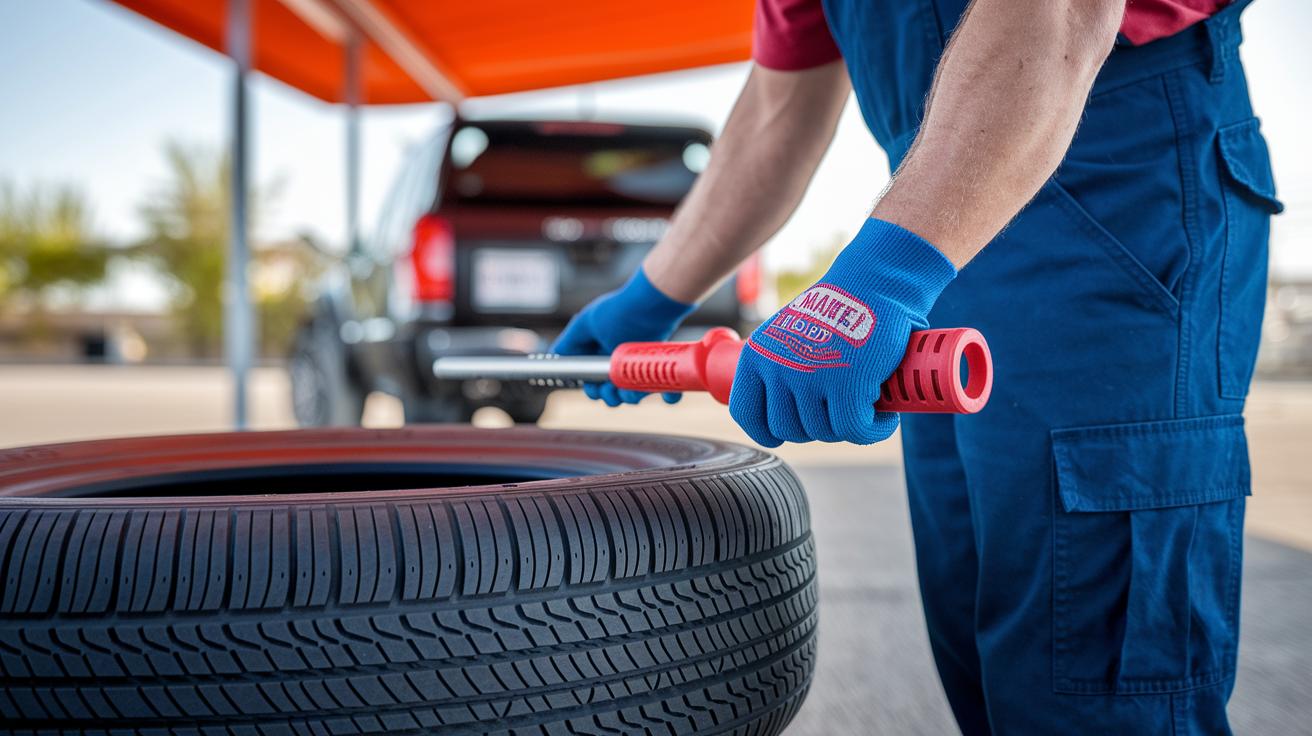
If you’re in areas like Phoenix or Peoria, you might notice that local centers have really stepped up their game for installing tires in extreme heat. They’ve started using mobile units packed with special tools like heat-rated torque wrenches (tools that help tighten bolts just right even when it’s scorching) and dynamic balancers (machines that keep the tire steady) capable of handling temperatures above 110°F. This reliable gear makes sure your tire mounting stays spot-on even under intense heat.
Safety is a big deal at these facilities. The installers work in shady spots and always wear proper protective gear, think gloves and safety glasses, while keeping an eye on the mounting surfaces' temperature. And there’s more good news: new centers in Avondale are set to have climate-controlled bays that help reduce the risk of any mishaps from overheated surfaces. By following a simple, step-by-step tire installation guide (https://tityres.com?p=1447), they uphold top-notch equipment standards and vehicle safety protocols. This careful process not only minimizes mistakes but also keeps tire performance steady on even the hottest days.
Final Words
in the action, we explored how rising temperatures affect tire pressure, the need to adjust inflation, and the role of heat-resistant rubber compounds. We broke down key mounting techniques, maintenance checks, and the value of using professional equipment. Each point ties back to keeping your ride safe while navigating high ambient heat. Using tire installation considerations in hot climates gives you clear steps to maintain tire performance and durability. Keep moving forward with the confidence that comes from knowledge and solid practices.
FAQ
What is the 3% rule for tires?
The 3% rule for tires means tire pressure may rise roughly 3% for every 10°F increase. This guide helps adjust inflation to avoid excess pressure and keep your tires performing safely.
What temperature is too hot for a tire?
The temperature becomes too hot for a tire when pavement or ambient heat pushes conditions around 140°F or higher, risking accelerated wear and dangerous pressure increases that could affect safety.
Should tires be under inflated in hot weather?
The notion that tires should be underinflated in hot weather is misleading. Maintaining the cold tire pressure recommended in your vehicle’s manual is key to safe and even tire performance in heat.
How do I protect my tires in extreme heat?
The best approach to protect your tires in extreme heat is to frequently check pressure when the tires are cool, look for any signs of damage, and consult a professional for tailored maintenance tips.

