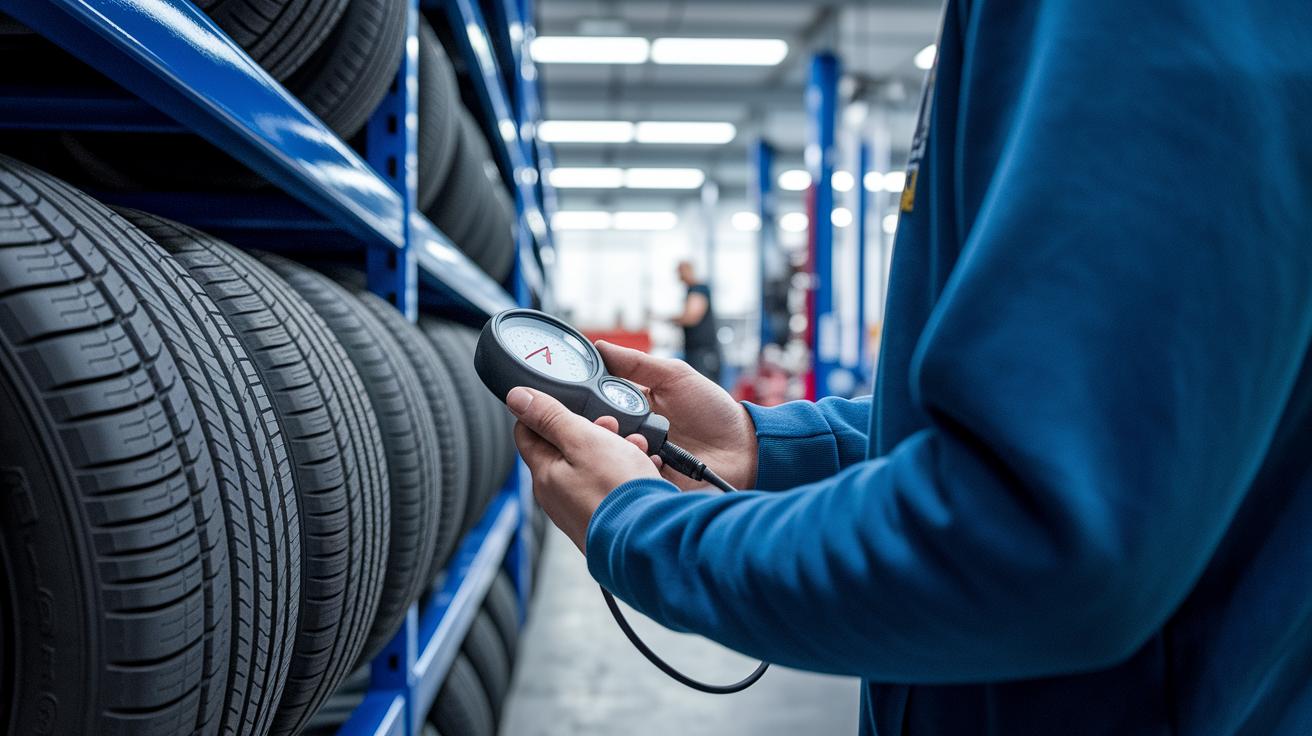


Have you ever thought a simple tire check might keep your wallet happy and spare you some hassle?
Keeping your tires in good shape is easier than you might believe. A quick check every month can smooth out your ride and even help your car use fuel more wisely, all while cutting down the chance of an unexpected breakdown.
Just take a minute to look at your tire pressure, check how the tread is wearing (that’s the part that touches the road), and maybe give them a little spin around with a rotation now and then.
It’s a small effort that not only keeps you safer on the road but also makes your car run better day after day.
Essential Tire Maintenance Checklist for Every Vehicle
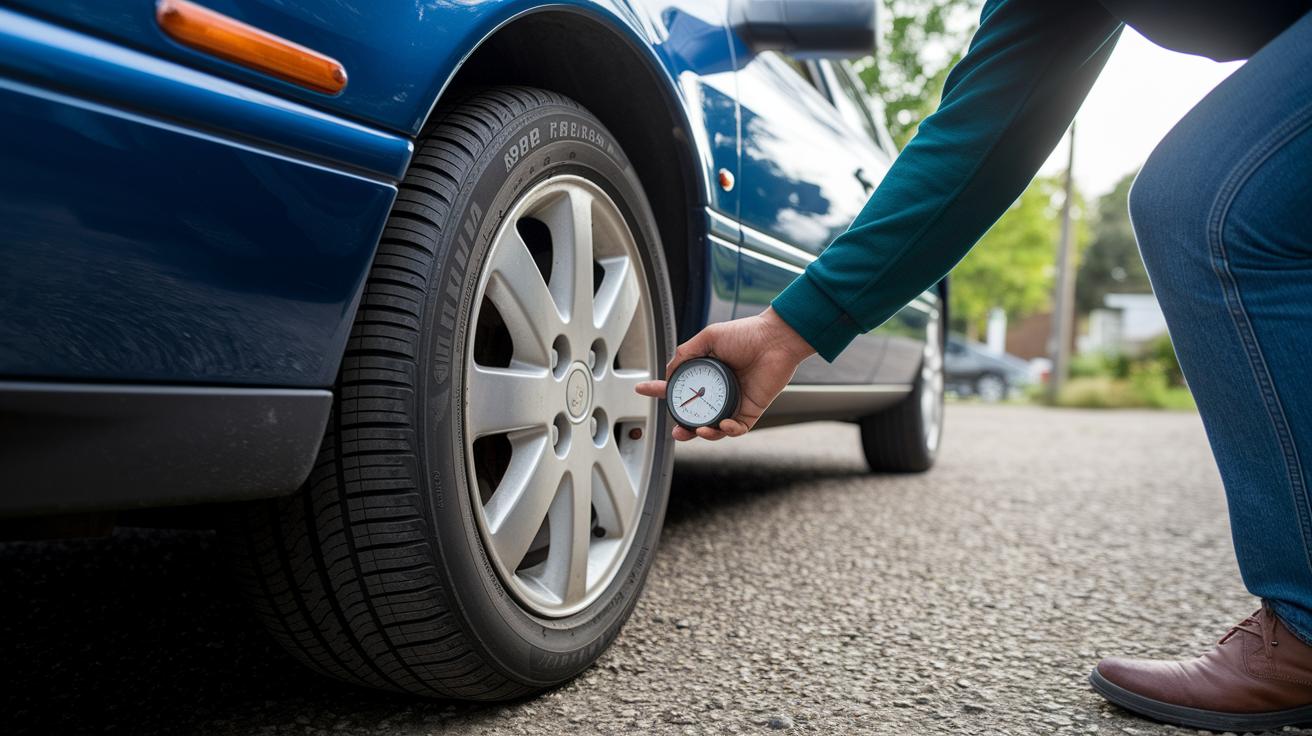
Checking your tires regularly is one of the simplest ways to keep you safe on the road and help your car save fuel. When you give your tires a quick look, you set yourself up for a smoother ride and less hassle down the road. Plus, keeping your tires happy means they last longer and your car runs like a champ.
Watching tire wear closely not only looks after your safety but also saves you money in the long run. When you monitor things like tire pressure and tread wear (how quickly a tire’s surface erodes), you avoid extra wear that can lead to unsafe driving and wasted fuel. It’s really worth paying attention to your tires.
• Check tire pressure every month with a reliable gauge, and adjust it based on your vehicle’s placard PSI.
• Use the penny test to check tread depth; if you see all of Lincoln’s head, it’s time for new tires.
• Give your tires a visual once-over for any uneven wear, punctures, cuts, bulges, or sidewall damage.
• Rotate your tires every 5,000 to 8,000 miles or at each oil change to keep wear even.
• Have your wheel alignment and balance checked at least once a year, or sooner if you notice vibrations or steering issues.
• Inspect the valve stems for corrosion and replace them if needed; keeping a record of your maintenance can help a lot.
Setting a small monthly reminder, either on paper or in your calendar, can really help keep your tire care on track. Writing down each check, like tire pressure and tread depth, makes sure your tires stay in good shape while taking the stress out of unexpected problems. A simple reminder each month means you can get back on the road with a lot more confidence.
Tire Pressure Check in Your Tire Maintenance Checklist
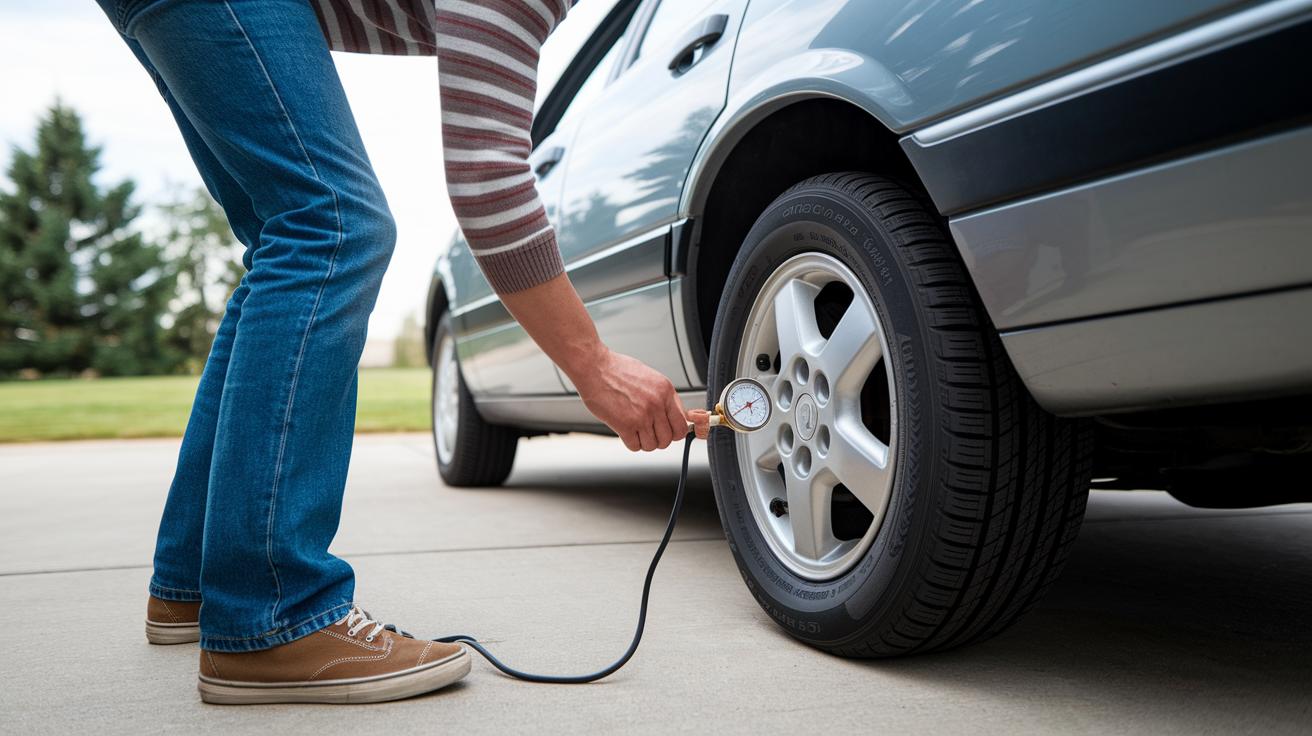
Keeping your tires properly inflated makes your ride smoother and helps your tires last longer by preventing extra heat and uneven wear. It also keeps your tires gripping the road well, which is key to safe driving.
Check your tire pressures at least once a month or every 2–4 weeks. Quick tip: set a reminder on your phone so you never miss a check, much like planning a pit stop before a long drive.
Use a good, calibrated tire gauge and compare the reading with the PSI listed on your vehicle’s door placard. When the numbers match, it's like your car is giving you a thumbs up for a safe journey.
Take a moment to inspect your valve stems and caps. Look for any signs of rust or damage that could cause slow leaks. Keeping them secure and clean is like making sure the lid on your favorite jar is on tight.
Tread Depth Assessment and Wear Indicator Inspection Checklist

Keeping your tires in top shape is key for safe driving. When your tires have plenty of tread, they stick to the road and help push water aside, lowering the chance of sliding on wet surfaces. This good tread means your tires are working their best, preventing hydroplaning (when water makes you lose grip) and giving you a steady hold even in rainy or slick conditions. It’s all about having a solid grip no matter what the weather throws at you.
One simple way to check is the penny test. Just grab a penny and tuck it into one of the tread grooves with Lincoln’s face turned down. If the whole head is visible, your tread has worn down to about 2/32 of an inch, which means it’s time to think about new tires. You can also find the molded wear bars in your tire, those little raised lines that mark the 2/32" level. If they’re even with the tire’s surface, that’s a clear sign your tread has hit its minimum safe depth.
It’s also smart to look for any uneven wear. If one part of a tire seems to wear out faster than another, you might be facing alignment or balance issues. And don’t forget to regularly check for bulges, cuts, or cracks on the sidewalls, especially before long trips or as the weather gets colder. Taking a few moments to inspect your tires can really help keep your drive safe and smooth.
Tire Rotation Schedule and Service Options in Your Maintenance Checklist
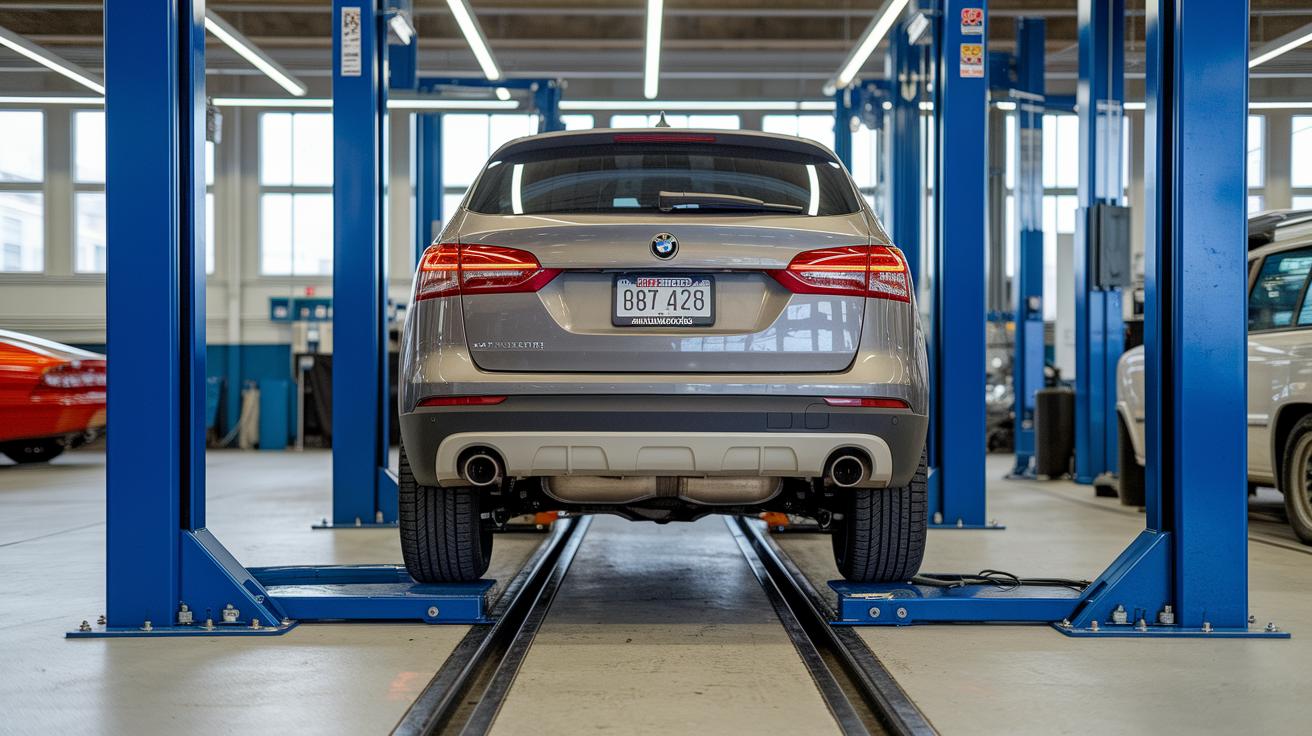
Regular tire rotations help keep your wheels balanced and extend their life. When you change the positions of your tires, you even out wear and reduce the chance of trouble spots that could damage them later. It’s like giving your tires a chance to share the load evenly, whether you’re changing oil or hitting a certain number of miles. This simple routine not only helps your car perform better but also gives you steadier traction on the road.
| Rotation Pattern | Vehicle Type | Recommended Interval |
|---|---|---|
| Front-to-Back | Directional Tires | 5,000–8,000 mi |
| X-Pattern | Non-Directional Tires | 5,000–8,000 mi |
| Rearward Cross | RWD Vehicles | 6,000–8,000 mi |
When it comes to rotations, you can either roll up your sleeves and do it yourself or let a pro handle the job. Some drivers enjoy the DIY route because it gives them a deeper look at their vehicle, even if it means picking up a few extra tools. Others prefer in-shop or mobile services, where experts handle everything and save you some time, even if it costs a bit more with added fees like labor or travel. Either way, including tire rotations in your regular care plan is a smart move to keep both your tires and your ride running smoothly.
Tire Maintenance Checklist: Alignment, Balancing, and Valve Stem Checks
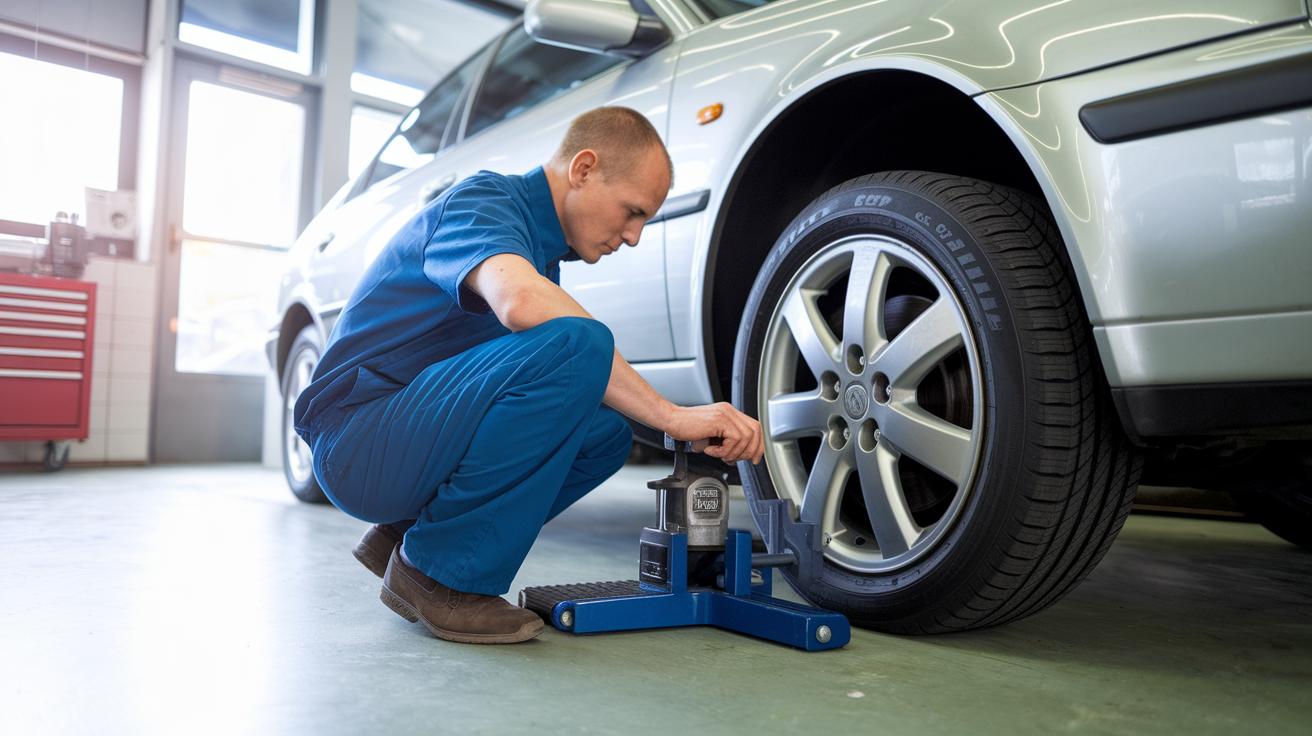
Keep your wheels in line so steering stays smooth and your tires wear evenly. Check your alignment every year or anytime your car starts to pull to one side, it’s just like making sure your bike rides straight.
Make sure to rebalance your tires after you've had them put on or every 10,000 miles. This helps stop annoying vibrations that can put extra strain on your suspension, kind of like the wobble you’d get from a misaligned bike wheel.
Every month, take a moment to examine your valve stems for any rust or cracks. This simple step can keep slow leaks from starting, much like a quick look over your bike’s tires before a ride.
| Maintenance Task | Recommendation |
|---|---|
| Alignment | Check annually or if the car drifts to one side |
| Balancing | Rebalance after installation or every 10,000 miles |
| Valve Stem Inspection | Inspect monthly for rust or cracks |
Recording, Scheduling, and Printable Checklists for Tire Maintenance
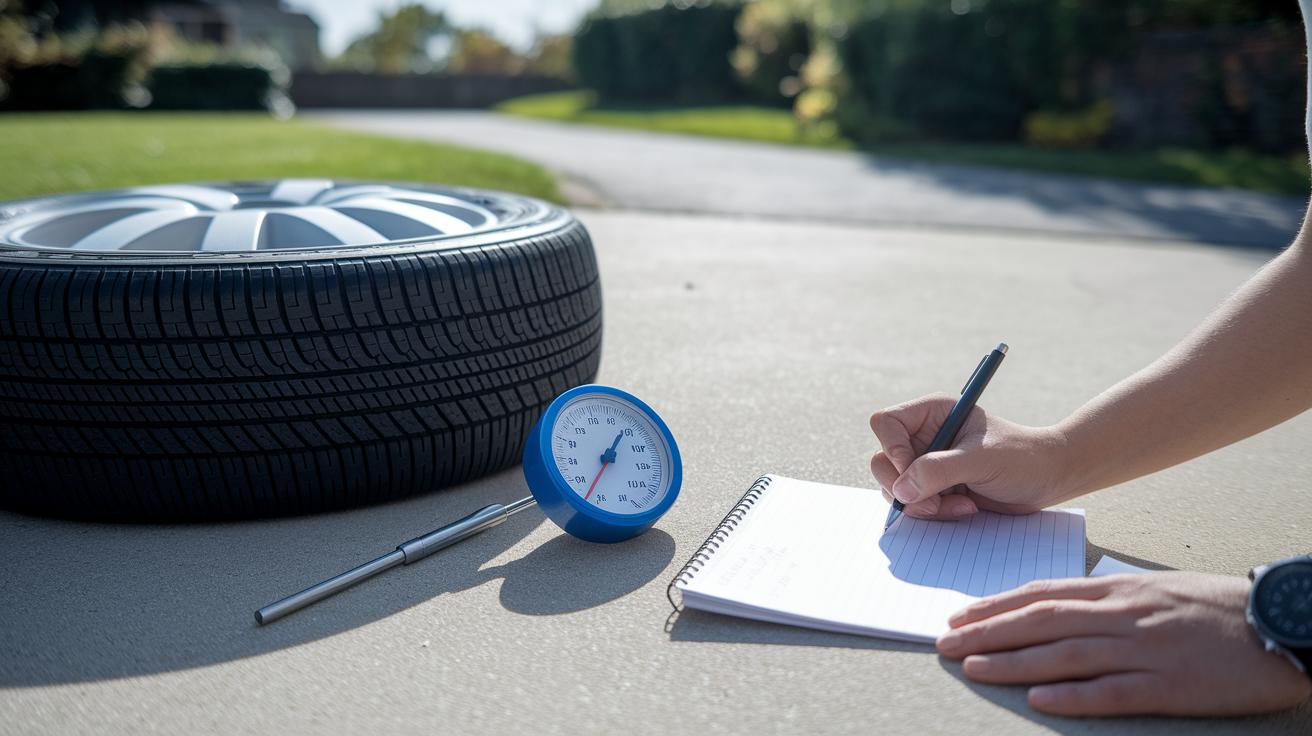
Keep a simple log of your tire pressure, tread checks, rotations, and alignment dates. After each check, jot down a quick note like "Pressure 32 psi on 04/22" so you can see how things change over time. Don't forget to record any repairs, like if you had to patch or plug a tire, and keep track of your spare tire’s condition. Whether you use a digital tool or a printed sheet, keeping this list helps you stay on top of your tire care.
Set up reminders for your tire checks every 5,000 miles, and have a quick monthly inspection, too. You might set a smartphone alert that pops up with a note like "Time for your tire check!" or simply use a printed checklist. Also, keep a list of local service centers for rotations, balancing, and alignments. This makes scheduling an appointment a lot easier when you need it.
Final Words
In the action of staying on top of tire care, we covered key steps like checking tire pressure, assessing tread depth, rotating tires, and verifying alignment and balance. We also talked about keeping records and setting clear reminders for each task. A well-managed tire maintenance checklist helps keep your vehicle safe and your tires lasting longer. Keep these small tasks in mind, and every drive will feel smooth and secure. Enjoy the open road and drive with confidence.
FAQ
Where can I find a free tire maintenance checklist PDF?
The free tire maintenance checklist PDF offers a handy guide that outlines key tire care steps like checking pressure, monitoring tread depth, and scheduling rotations to keep your ride safe.
What does tire maintenance mean?
Tire maintenance means taking regular care of your tires through simple tasks such as pressure checks, tread monitoring, and rotations to keep your vehicle running smoothly and safely.
What does tire maintenance on dashboard refer to?
Tire maintenance on dashboard refers to alerts or indicators that warn you about issues like low tire pressure, prompting a quick check so you can address any problems without delay.
How is tire maintenance handled on a Nissan?
Tire maintenance on a Nissan follows the manufacturer’s guidelines by checking pressure, monitoring tread depth, and rotating tires regularly, helping to maintain peak performance and safety.
How can I find tire maintenance near me?
Searching for tire maintenance near me connects you with local service centers offering professional tire checks, rotations, balancing, and repairs so you can keep your tires in great shape.
What are some tire safety tips?
Tire safety tips include checking your tire pressure and tread depth often, rotating tires on schedule, inspecting for damage, and replacing worn tires to help drive safely and avoid unexpected issues.
What is the proper maintenance of tires?
The proper maintenance of tires involves monthly pressure checks, tread depth measurements using simple tests like the penny test, routine rotations, and visual inspections for wear or sidewall damage.
What is not proper tire maintenance?
Not proper tire maintenance skips basic checks such as monitoring pressure and tread, neglecting rotation schedules, and ignoring signs of tire damage, which can lead to increased wear and reduced safety.
Can I spray WD-40 on my tires?
Spraying WD-40 on your tires is not proper care because it can harm the rubber and lower traction; it’s best to stick with products made specifically for tire maintenance.
Is the penny test for tires accurate?
The penny test for tires is an accurate method for a quick tread depth check. If you see Lincoln’s head fully, it means the tread is worn and you may need to think about a replacement.

