


Have you ever thought about how your tires keep you safe on the road? Behind the scenes, smart machines and careful techniques turn raw materials into tires you can trust. They mix up to 25 parts using advanced rubber mixing (a process that blends materials for extra grip) to create tires that stick well to the road and last a long time.
Each step in tire-making works together to give your car a smoother ride and better safety. It may sound like magic, but it’s really a smart mix of science and engineering that helps you feel secure every time you hit the road.
Comprehensive Overview of Tire Manufacturing Technology Processes
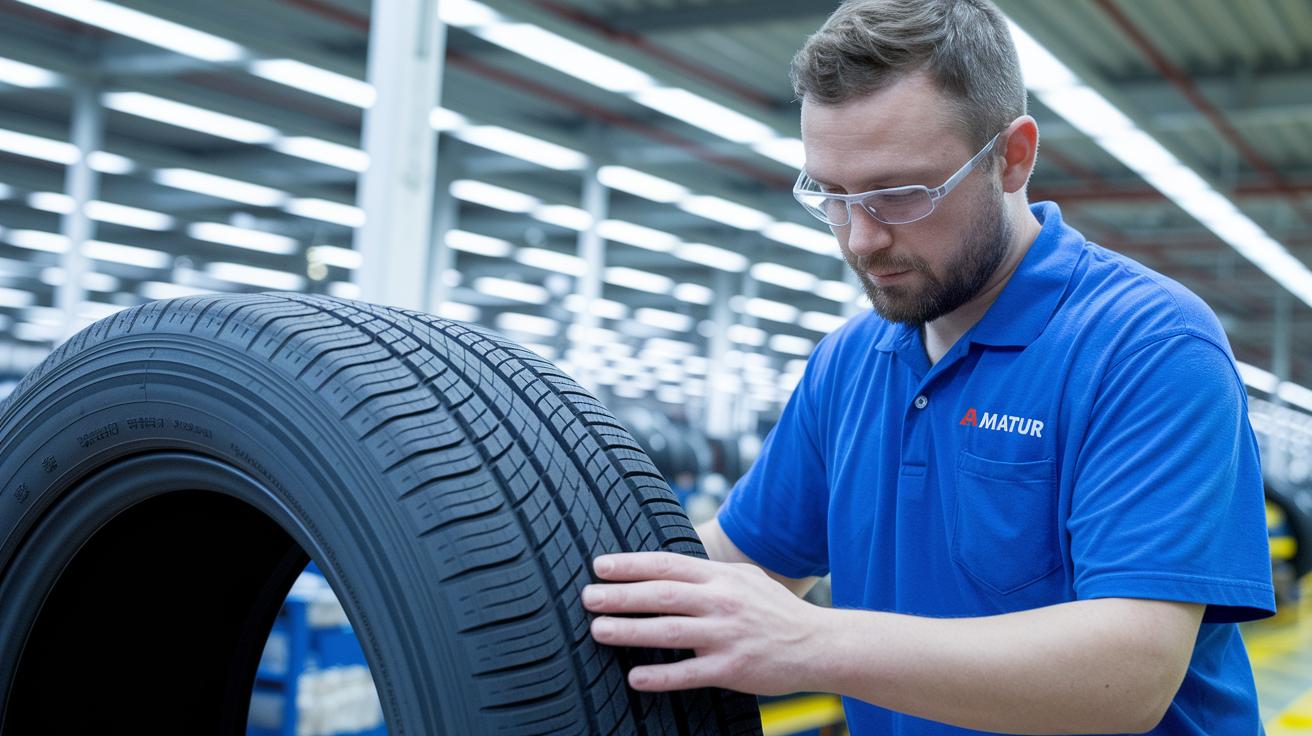
Modern tire making combines smart machinery and careful techniques to create tires that are safe, reliable, and built for everyday driving. Today’s process mixes thorough research, straightforward materials science, and skilled equipment to produce tires that handle all kinds of roads. It’s like putting together a puzzle, where every layer plays its own part.
Tire makers blend as many as 12 different rubber compounds and assemble about 25 parts in a single tire. They use both synthetic and natural rubber, along with helpful additives such as carbon black (which makes the tire tougher), silica (for better grip), and plasticizers (to keep the tire flexible). The machines used in building the tire work hard to turn these raw materials into a product that boosts your car’s safety and performance.
- Composite rubber mixing
- Component fabrication (like steel cords and textiles)
- Green tire building
- Vulcanization and molding
- Final inspection and trimming
By stitching together these steps, from mixing high-tech rubber compounds to crafting key parts, assembling the tire, and curing it in precise molds, the process creates tires with great grip, long-lasting durability, and efficient performance. Every part of this journey helps keep safety and performance in perfect balance, ensuring that the tire can handle different roads and driving styles while meeting strict quality standards.
Advanced Rubber Compounding Techniques in Tire Manufacturing Technology
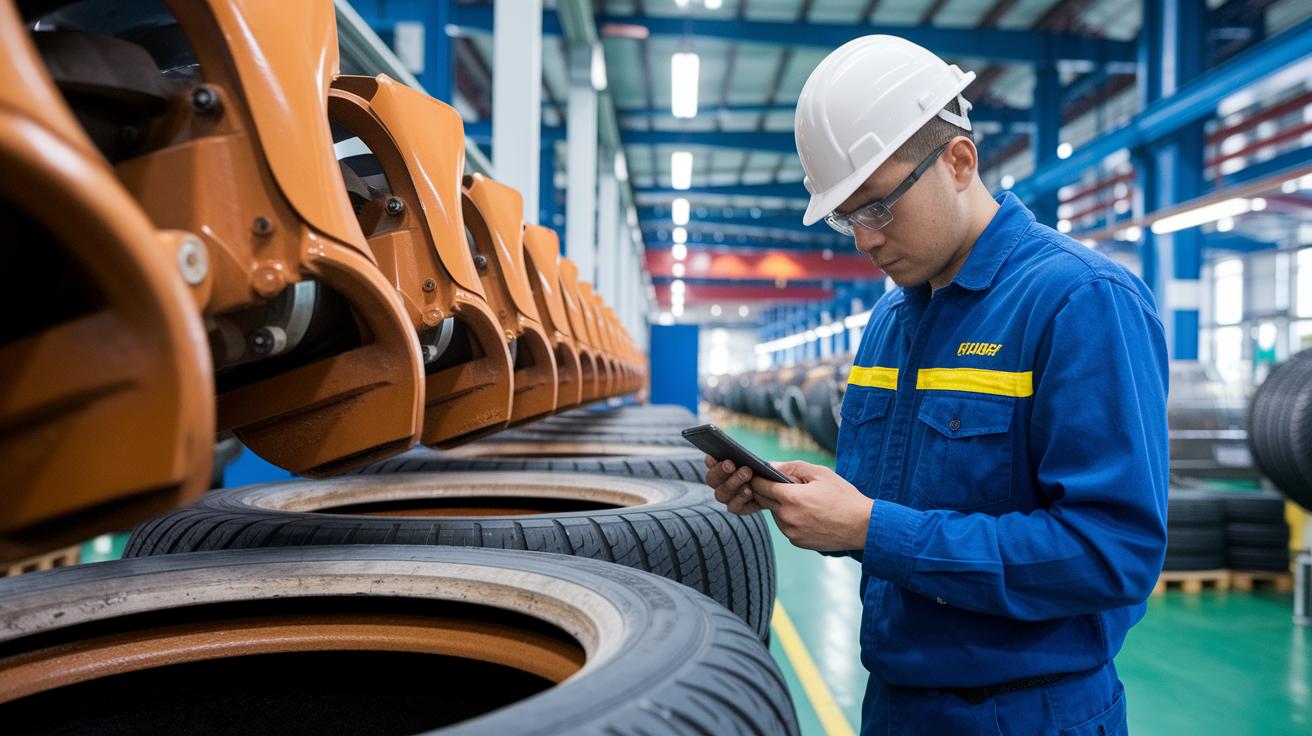
When tire makers pick raw rubbers, they look for materials that hold up well and come from good, ethical sources. They often choose eco-friendly natural rubber from places like Southeast Asia, Africa, and South America because it’s strong and kinder to the environment. New green programs now help track where the rubber comes from, making the whole supply chain more efficient. One expert even said, "Before hitting the road, advanced tracking of rubber origins now lets manufacturers confirm eco-friendly practices at every stage."
The way manufacturers mix rubber has improved a lot. They now use smarter methods with careful temperature controls to get the perfect blend. They add things like refined carbon black (a processed form of carbon that helps with durability) and new silicones to give the tires better grip on wet roads. Even the formulas for plasticizers (chemicals that help keep the rubber soft) have advanced so that the tires stay flexible even when it’s really hot or cold. One producer mentioned, "Our new mixing techniques reduced energy loss during curing, resulting in a compound with superior durability."
Today, tire makers use multiple compound blends to do more than just balance grip and rolling efficiency. In special labs, up to 12 different compounds are tweaked to boost both performance and fuel efficiency. Regional differences in the rubber, like variations in climate and local production, also shape these blends. This careful process gives drivers tires that perform reliably while saving energy on every drive.
Automation and Precision Equipment in Tire Manufacturing Technology

Today, tire making relies on smart machines and digital systems that help ensure every tire is dependable. High-tech tools like tire builders and exact molds work together to form that perfect green tire with tiny layer accuracy. These clever systems let factories produce tires that perform really well no matter the road or weather conditions.
Robotic Assembly Lines
Robotic arms now play a key role in tire assembly. They carefully place layers of rubber and steel cords (the strong threads that reinforce tires) to build each green tire the same way every time. They follow clear, step-by-step instructions that mimic what a person would do, only faster and more consistently. It’s like watching a neat little orchestra where every robotic arm plays its part to ensure safety and high performance.
Precision Molding Technology
Next, we have state-of-the-art molds that shape the tire during the heat-fixing process (vulcanization, which keeps the rubber strong). These well-controlled molds work at just the right temperature and pressure, stamping the tire’s tread pattern evenly and clearly. This process not only gives the tire its grip on the road but also builds overall durability. With perfect control, each groove helps with better traction, improved water flow, and a firmer hold on wet roads.
Digital Manufacturing and CAD/CAM Integration
Digital tools are also changing the tire production game. Engineers use digital twins and simulation models to keep an eye on the process in real time and quickly make changes when needed. By feeding live data into the production line, any issues can be fixed right away, helping to prevent defects and boost overall quality. If you’re curious about how digital tools are shaping tire production, check out the latest at https://tityres.com?p=443. This blend of smart machines and digital insights makes sure that every tire is made with care and performs reliably on every drive.
Innovations in Vulcanization and Tire Curing Technology

Modern vulcanization works by using high heat (usually between 140 and 160 °C) and pressure in a mold to help rubber molecules link together. This turns a soft, raw tire into a tough, bouncy one ready for the road. It's a bit like cooking your favorite meal where just the right heat and timing transform simple ingredients into something great.
Today’s curing chambers come with zoned temperature controls and programmable pressure settings. This means different parts of the tire get the exact treatment they need. For example, one spot might need a little extra heat for better stretch, while another part benefits from tighter pressure to lock in the tread pattern.
Newer curing systems have modular chamber designs that heat up and cool down really fast. This speeds up production and can cut energy use by about 15%. With quicker cycles and precise control, manufacturers can reduce mistakes and meet modern safety standards, ensuring tires perform reliably on any road.
Quality Control and Smart Factory Integration in Tire Manufacturing Technology
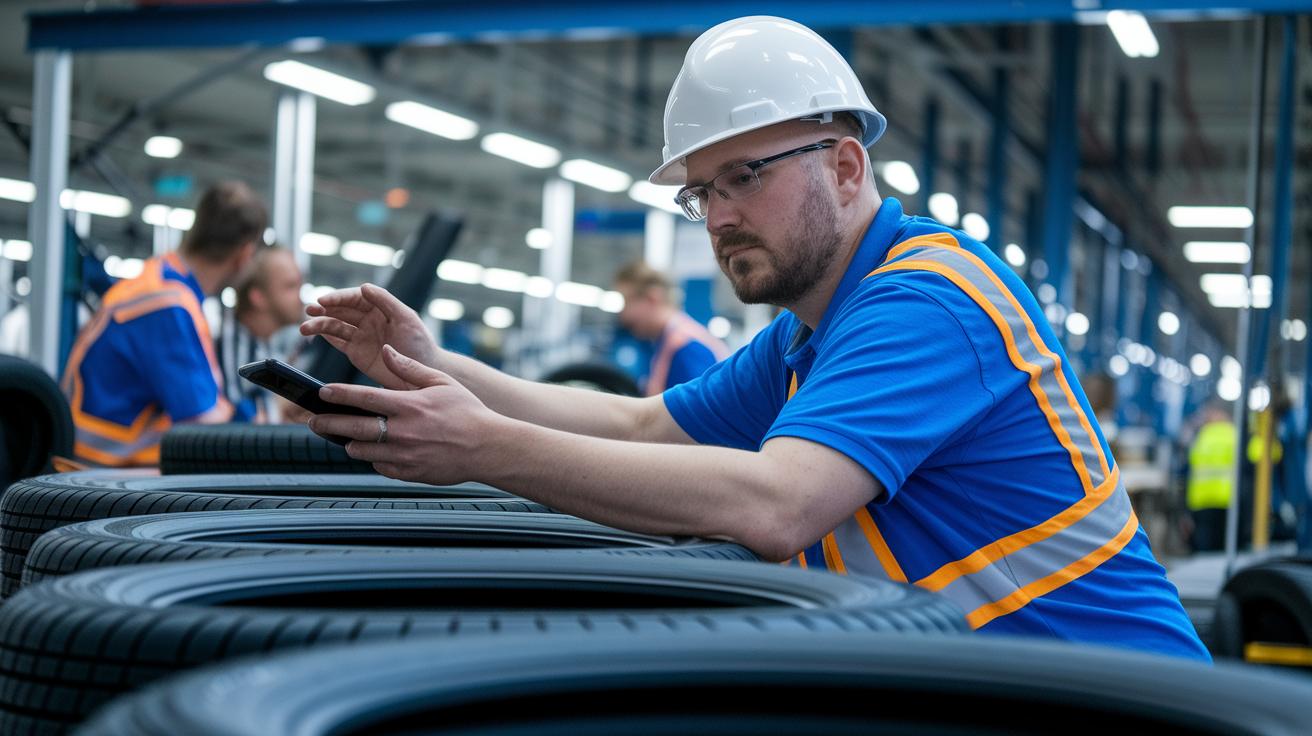
Keeping a close watch on quality is key to making tires that are safe and reliable. Tire makers use both hands-on checks and digital data to catch even the smallest issues before the tires leave the factory. Automated inspections help spot tiny surface problems and hidden defects inside, while constant reviews keep the process running smoothly.
Manufacturers also use smart
Sustainability and Future Trends in Tire Manufacturing Technology

Lately, tire makers are turning more eco-friendly by using better natural materials and creative tire recycling techniques. They mix in things like bio-based rubbers and recycled fillers (eco-friendly rubber parts) to cut a tire's carbon footprint by around 20%. It’s like blending new and recycled parts into one tire that works well and helps the planet.
They’re also tweaking how they make tires to use less energy. By using waste-heat recovery systems (which capture leftover heat) and lean manufacturing techniques (streamlined production methods), energy use per tire drops by about 10%. Real-time production data helps them fine-tune each step, making the process smoother and saving energy along the way.
Looking ahead, the future is bright with new tech like digital twins and machine-learning. In simple terms, they use computer models and smart AI tools to test things virtually. This speeds up research and development, optimizes resource use, and gets the industry ready for tougher environmental rules and changing market demands.
Final Words
In the action, we shared how tire manufacturing technology works from mixing compounds to final quality checks. We touched on the precise rubber compounding, automated building, advanced curing, data-driven inspections, and sustainable practices that combine to deliver performance and safety. We listed steps like composite rubber mixing, component fabrication, green tire building, vulcanization, and final inspection. This high-tech process helps create tires that keep you safe on the road, making every drive smooth and reliable. Stay confident knowing these smart practices boost both safety and quality.

