


Ever thought a small bottle of lube could change how you mount tires? Tire mounting lube helps a tire slide onto a rim as smooth as butter. It cuts down on friction (that rubbing effect), which speeds up the job and keeps your tire safe. A tiny bit prevents unsightly scuffs and gives your work a cleaner look. In short, a little lube makes mounting tires fast, easy, and hassle-free.
Essential Guide to Tire Mounting Lube
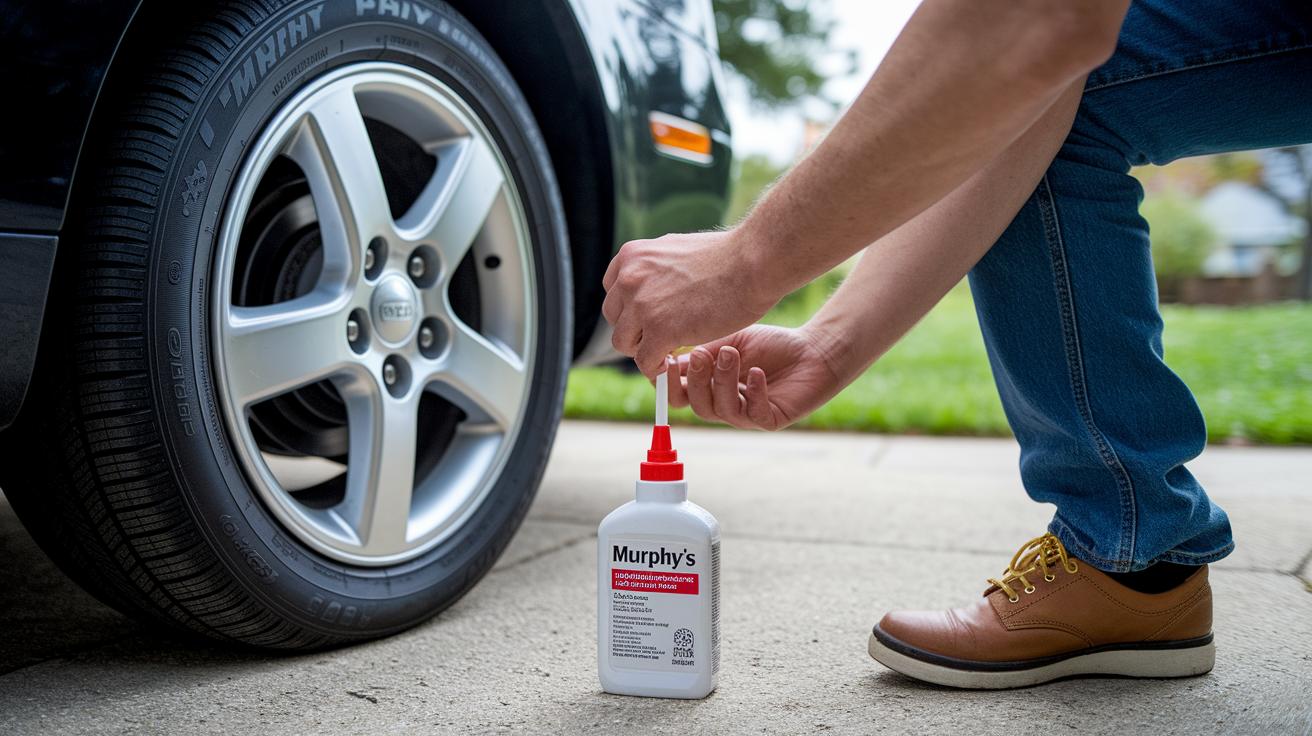
Tire mounting lube is a special liquid that helps your tire slide onto the rim without any fuss. It works by reducing friction (that annoying rubbing between surfaces), making sure the tire seats nicely on the rim. Some drivers swear by Murphy’s mounting compound, one bucket can last up to 20 years! Others keep it simple with a mix of Dawn dish soap and water, which works well for both car and truck tires. A few even try talcum powder or silicon spray, but these can leave extra residue behind.
Using the right lube not only speeds up the installation but also boosts safety. A thin coat of lube cuts down on friction between the tire bead and the rim, so you’re less likely to see scuff marks or damage. It’s like adding just the right pinch of spice to a favorite dish, small effort brings big benefits. This smooth action means fewer issues during inflation and creates a better seal, which helps to keep air leaks at bay.
With the proper tire mounting lube, mounting your tires becomes a lot less of a hassle. Whether you’re tackling the job at home or are a seasoned pro, the smooth process builds confidence and keeps everything moving safely along. So next time you’re getting ready for that drive, remember: a little lube goes a long way.
Comparing Top Tire Mounting Lubricant Types

When getting your tires mounted, you’ve got a few go-to lube options to help things slide on smoothly. One popular pick is Murphy’s compound. It’s a petroleum blend that gets mixed to a kind of fiberglass-like feel, which helps the tire bead stay in place without leaving too much gunk behind.
Another easy fix is a dish soap mix, you just combine water and Dawn soap. This mix works great when sprayed on smaller tire jobs, making the process quicker and less messy. Then there’s talcum powder, a dry, mineral powder that leaves no chemical trace, though it might not seal as snugly as other options.
And don’t forget about silicon spray. It uses silicone oil to create a water-resistant film, but sometimes it can be a bit stubborn to clean off later.
| Lubricant Type | Ingredients | Pros | Cons |
|---|---|---|---|
| Murphy’s Compound | Petroleum blend | Works well, low mess | Costs a bit more |
| Dish Soap Mix | Water + Dawn soap | Cheap and rinses easily | Not as thick |
| Talcum Powder | Mineral powder | Dry use, leaves no chemicals | Doesn’t seal well |
| Silicon Spray | Silicone oil | Makes a water-resistant film | Tough to clean off |
If you’ve made your own dish soap mix, try to stir it every few months. Keeping the mix even is key for getting the best performance every time you hit the shop.
Effective Application Methods for Tire Mounting Lube
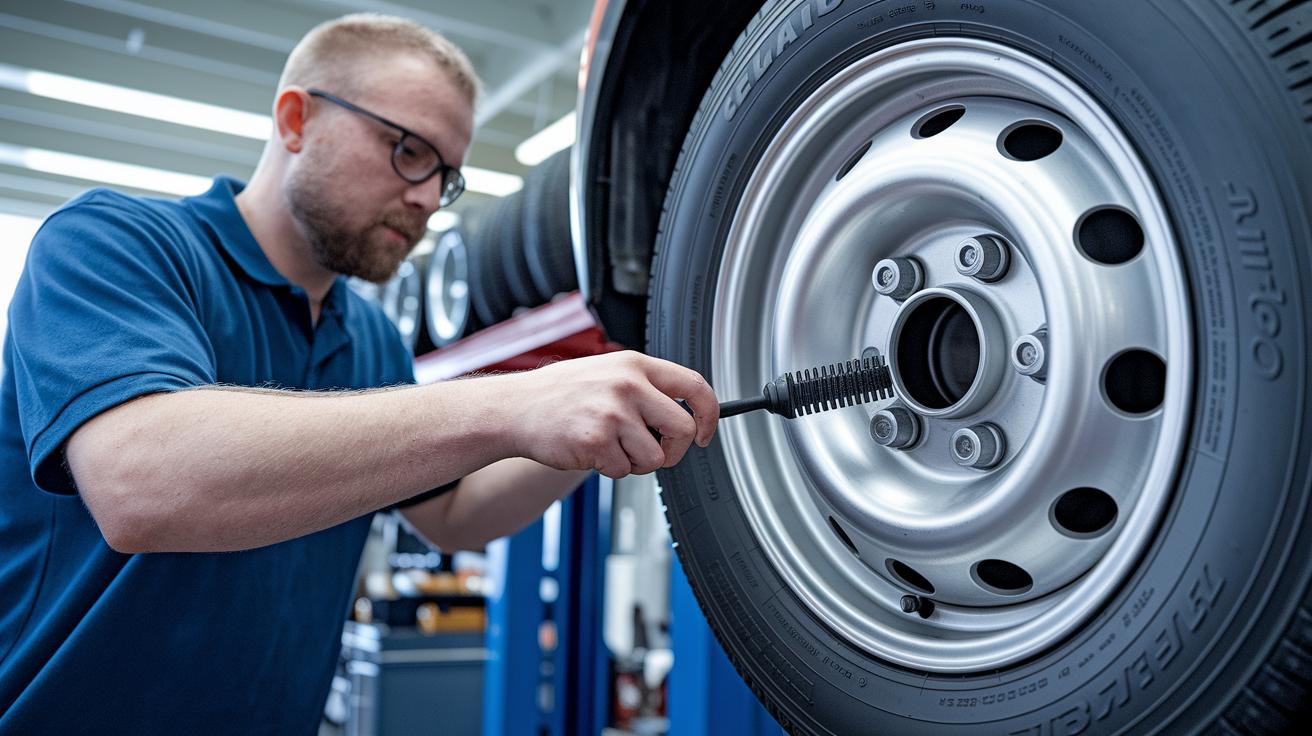
When you're using tire mounting lube, having the right tools makes a big difference. A lot of mechanics like using a special lube brush to spread the lube evenly along the tire bead (the edge of the tire) and the rim flange (the outer part of the wheel). This brush helps you control how much lube you apply so you don't end up with too much in one spot. Some folks prefer a spray-on lube that comes out of a sprayer made just for this purpose, giving you a smooth, even layer every time. If you need a tool upgrade, check out tire installation tools for options that can help speed up your work and keep things consistent.
Once you have your tools, there are a few simple steps to follow for the best results. First, give the tire bead and rim a light, even coat of lube with your brush. If you're using a spray, set it to a fine mist so you don't apply too much, which can cause the bead to slip. Always wipe off any extra lube to keep the surfaces clean and avoid any slippery buildup. And remember, if you're using a homemade mix, stir it up every three months so it stays at the right thickness and works well every time.
Key Benefits of Quality Tire Mounting Lube

A good tire mounting lube works like a trusty assistant when you’re setting your tires. It cuts down on rubbing (friction) so your tire can seat smoothly, and it fits well with all tire types. Even a light, even layer makes it easier for both high-performance and heavy-duty tires to lock in place, even when air pressure is on the lower side. This means less chance of scratches or minor bumps during installation. Try this tip: spread the lube gently, just like a painter preps a wall, so everything lines up perfectly.
Using the right lube also helps you get the job done faster. It improves the seal to keep air where it belongs, avoiding leaks. Whether you’re in a busy shop or working in your own garage, a careful, measured application saves you time and extra work. Remember, using just enough lube is key. Too much can cause its own set of problems, especially with tubeless tires. In short, less is more, just enough lube makes for a safe and speedy mounting.
Safety Tips and Cleanup for Tire Mounting Lube

When you're working with tire mounting lube, it's super important to be safe. Grab your nitrile gloves and safety glasses to keep your hands and eyes protected from any chemicals. Once your tire is mounted, take a moment to rinse off the bead and rim areas with water mixed with a gentle detergent. I remember one time after mounting a tire, I wiped the rim down with soapy water to clear off any extra lube that could make things slippery. This smart step keeps you safe and ensures your tire setup stays in great shape.
After you're done, store your lubricants in sealed containers and keep them out of direct sunlight so they don't break down. If you mix your own lube, give it a remix every 90 days to keep the right consistency. Also, make sure to dispose of any used lube following local environmental rules to help avoid contamination. Think of it as giving your car a little extra TLC, a tidy workspace makes a big difference. For more tips on keeping everything in top order, check out preventative car maintenance.
Selecting the Best Tire Mounting Lubricant

When you're shopping for a tire mounting lube, start by keeping a few important things in mind. Look for one that leaves almost no residue and cleans up easily. It should help your tire bead (that’s the part that seals against the rim) sit perfectly without making a mess. You want something that works well with your applicator too.
Price matters as well. High-performance lubes can run between $20 and $50 per gallon, but mid-range options like Murphy’s Compound offer great results without costing too much. And if you’re buying in bulk for industrial needs, you might snag a price close to $15 per gallon. This good mix of performance and cost makes it a reliable choice every time you mount a tire.
| Product | Price/Gallon | Performance Rating | Residue Level |
|---|---|---|---|
| Murphy’s Compound | $30 | 8/10 | Low |
| Brand X High-Perf | $45 | 9/10 | Very Low |
| DIY Soap Mix | $5 | 5/10 | Medium |
Before you make your final pick, check with local suppliers for their current inventories and prices. Big retailers often have special deals or bulk discounts. Keeping an eye on these options ensures you get a lubricant that meets your performance needs and pairs perfectly with your tire installation setup.
Troubleshooting and Advanced Tips for Tire Mounting Lube

Sometimes, using tire mounting lube can be a bit tricky. If you don’t use enough, the tire bead (that’s the edge of the tire that fits snugly against the rim) might not settle down right, which could lead to air leaks or even small damages. On the flip side, using too much lube can leave a sticky film that's hard to wash off. It’s really all about spreading a thin, even coat so the rim stays protected and the tire seats perfectly without causing extra mess.
New synthetic lube formulas have come along that perform great at high speeds, making them popular for racing and commercial uses. There are also eco-friendly options that wash off easier, so you get both strong performance and a cleaner environment. Factors like the fluid’s thickness (viscosity) and its flow behavior under stress (shear properties) play a big role in how well the bead seats. Paying close attention to these details helps you choose a lube that works smoothly across different tires and situations.
Final Words
In the action, we covered how tire mounting lube makes mounting smoother and safer. We talked about products from Murphy’s compound to simple DIY options, broke down their pros and cons, and showed how proper application protects beads and rims. The tips on applying, cleaning, and storing help you get the most out of each use. Keeping it simple with the right tire mounting lube can save time and boost safety. Stay confident on the road with these smart, effective choices.
FAQ
What are tire mounting lube alternatives?
Tire mounting lube alternatives include DIY mixes like water with diluted dish soap, silicon sprays, and talcum powder (a mineral powder). Each option creates a thin lubricating film but may need extra cleaning.
Where can I buy tire mounting lube?
Tire mounting lube is available at auto parts retailers such as AutoZone, O’Reillys, and local supply stores. Checking nearby stores helps you find the best product with low residue and good performance.
How can I make tire mounting lubricant at home?
Creating your own tire mounting lubricant is simple using a mix of water and diluted dish soap. This do-it-yourself solution works well for smaller tires and helps achieve proper bead seating.
What is the best tire mounting lube?
The best tire mounting lube, like Murphy’s compound, offers reliable bead seating and low residue. Reviews highlight its long-lasting performance, making it a trusted choice for both home garages and professional shops.
Can WD-40 be used to mount a tire?
Using WD-40 to mount a tire is not advisable. Its formulation can interfere with proper bead seating and bond. It’s best to stick with lubricants specifically designed for tire mounting.
What type of lubricant should be used when mounting a tire?
Lubricants meant for tire mounting, such as petroleum-based compounds or diluted soap mixtures, are ideal. Avoid heavy greases or extra chemical additives that can lead to bead slippage or stubborn residue.
What is a tire mounting lube brush used for?
A tire mounting lube brush evenly applies a thin coat of lubricant along the tire bead and rim flange. This tool helps secure the tire during installation and aids in smooth removal without extra mess.

