


Ever notice how some rides seem way quieter than others? It’s all thanks to tire noise reduction tech, which is just a fancy way of saying that the tire’s design is tweaked to lower the constant hum, even on bumpy roads.
Think about it like tuning an old radio for clearer sound. Small changes in the tire’s pattern work together to cut out those annoying noises. In this post, we’re taking a closer look at how clever tread designs and smart choices in tire design give you that smooth, quiet drive every time.
Tire Noise Reduction Technology: Quieter Rides Ahead

When you're cruising down the road, tire noise reduction tech works to quiet the sounds that usually fill the air. It's like setting up a system to handle every little noise, from the road surface (whether you're on smooth pavement or bumpy gravel) to how your tires are pumped, not to mention the engine, transmission, and even the car's shape. Most roads give off a sound that sits between 55 and 70 decibels. So, having features designed to cut that hum really makes a difference.
A big part of this is the tread design. Imagine the tire's tread as a cozy scarf wrapped around your wheel. This pattern does double duty: it grabs the road for a good grip and breaks up sound waves, which cuts down on vibrations. Plus, the sidewall works like a little shock absorber, softening bumps from uneven roads. And then there's pressure modulation, it adjusts the air inside the tire much like tuning a musical instrument to keep those distracting noises away.
All these tricks fall under what many call quiet performance engineering. They mix smart design choices with small, practical fixes. In fact, experts have found that even a tiny tweak in the tread's block layout can improve how the tire manages ambient sound, kind of like switching the radio to a clear station. These design elements are key to turning a noisy drive into a smooth, peaceful ride.
Acoustic Tread Patterns in Tire Noise Reduction Technology

Tire designs do more than just give a car its grip, they work hard to quiet the noise from the road. Manufacturers mix blocks of different sizes and space them out just right to break up sound waves before they get into your car. Picture each block as a little noise sponge, much like when a pebble drops in a pond and creates gentle ripples. Ever notice how a live band sounds when the background chatter is turned down? That’s what a smart tread pattern can do.
Take Continental ContiSilent™ Technology as an example. They use soft foam inserts inside the tire and arrange the tread blocks to catch and spread out sound waves. Pirelli Noise Cancelling System™ and Michelin Acoustic Technology are on the same page, using special tread designs to split apart noise frequencies as they hit the pavement.
These clever designs do more than just lower the volume, they smooth out your ride by cutting down vibrations. Engineers use simple aero acoustic ideas to fine-tune every part of the tread. With little foam pockets built in, even extra sound gets soaked up, so your ride feels noticeably quieter on all types of roads. It’s all down to the care put into each groove and block.
Advanced Compound Materials for Tire Noise Reduction Technology

New tire compounds are really changing the game. Clever mixes of flexible elastomers (special stretchy materials) and polymer blends work like a sponge for sound, soaking up vibrations so your ride feels calm and quiet. Think of it as a tire that turns bumpy road energy into a gentle warmth, kind of like a cozy sweater on a chilly day.
Take Hankook’s i Sound Absorber Technology for electric vehicles, for example. They add a special layer inside the tire that targets low-frequency noise and soaks up vibrations. This design uses a mix of fillers to not only silence the tire but also make it tougher over time. It’s a bit like having great shock absorbers in your car that keep the ride smooth even on rough patches.
Innovative acoustic polymers and improved rubber compounds are big parts of this process. They absorb vibrational energy and change it into heat, which cuts down on the noise you hear. These next-generation compounds are built to tune the tire’s tiny molecular structure, boosting its performance while still keeping that soft, quiet hum away from the road.
And there’s more, tire makers are now using eco-friendly methods in their formulas. Engineers are coming up with designs that give you long-lasting performance and consistent noise reduction. Imagine each tire working as a quiet, efficient barrier that turns the road’s rumbles into just a gentle whisper under your wheels.
Leading Innovations in Tire Noise Reduction Technology
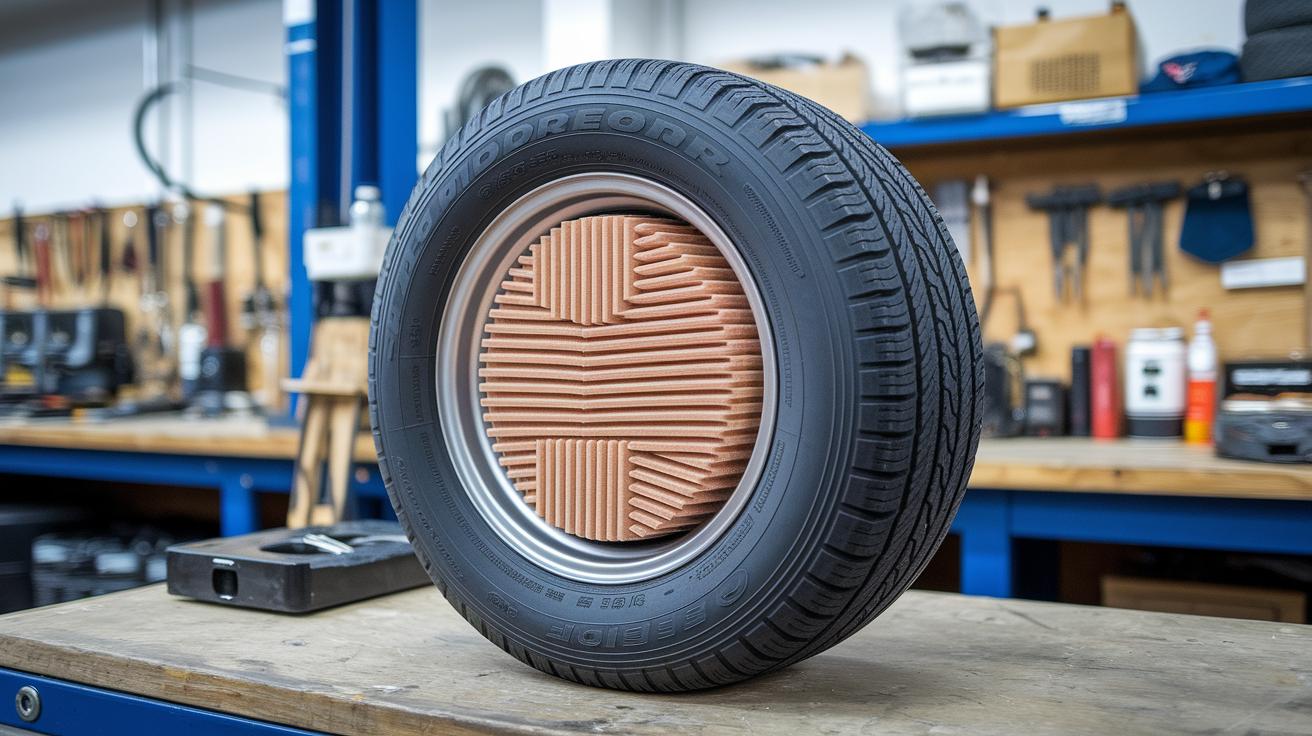
Today’s tire makers are busy finding clever ways to keep your ride extra quiet. They mix smart ideas like acoustic damping (techniques to lower sound) and sound suppression (methods to cut noise) so your drive feels smooth. It’s like having noise-cancelling headphones for your tires, where each part works on a specific kind of noise.
Continental ContiSilent™ leads the pack with its foam insert that traps and soaks up sound waves. Bridgestone QuietTrack puts together a multi-layer noise barrier that keeps unwanted sounds away, making it perfect for luxury rides. Hankook i Sound Absorber uses an internal resonator with modern acoustic polymers (materials that reduce low rumbles) that many electric vehicle drivers love. Pirelli Noise Cancelling System™ uses a tuned chamber to disrupt sound vibrations smartly, while Michelin Acoustic Technology adds a foam-backed liner that absorbs noise from road impacts.
These quiet features do more than cut down the decibels, they change the whole driving experience, letting you focus on the gentle hum of your engine. It’s a mix of science and design that turns a noisy journey into a calm ride. Ever notice how a well-tuned speaker makes your favorite song sound so clear? That’s the idea behind these tire innovations.
| Technology | Manufacturer | Key Feature | Target Noise Reduction (dB) |
|---|---|---|---|
| Continental ContiSilent™ | Continental | Foam insert system minimizes low to mid frequency noise | ~4 dB |
| Bridgestone QuietTrack | Bridgestone | Multi-layer noise barrier for enhanced comfort | ~3 dB |
| Hankook i Sound Absorber | Hankook | Internal resonator with acoustic polymer enhancements | ~5 dB |
| Pirelli Noise Cancelling System™ | Pirelli | Tuned attenuation chamber disrupts sound waves | ~3.5 dB |
| Michelin Acoustic Technology | Michelin | Foam-backed liner for absorbing road impact noise | ~3 dB |
Each system tackles different road noises in its own way. For example, Hankook’s mix of innovative acoustic polymers is like discovering a new secret ingredient in a family recipe, quiet performance truly has become an art in tire design.
Testing and Evaluation Methods for Tire Noise Reduction Technology

Engineers run lots of tests to make sure tire noise reduction really helps keep things quiet. On busy roads, they perform pass-by tests, which measure how much noise tires make when your car zooms by at a set speed. This gives a clear idea of how the tire will work on your everyday drives.
In a lab, they use a roller drum rig test that mimics real road conditions and picks up the sound levels inside the tire. With a baseline range of 55 to 70 decibels (a way to measure noise), even small improvements can be spotted easily. And, they use computer simulations to see how sound waves move through different parts of the tire, so they can tweak designs like the tread pattern and sidewall before any tires hit the road.
Surface vibration mapping is another neat tool that shows how vibrations spread when the tire meets the road. Together, these road and lab tests prove that even minor design changes can make your ride a lot quieter.
Common testing methods include:
- Pass-by noise measurement
- In-cabin eardrum-level recording
- Roller drum rig testing
- Computational acoustic simulation
- Surface vibration mapping
Future Trends in Tire Noise Reduction Technology
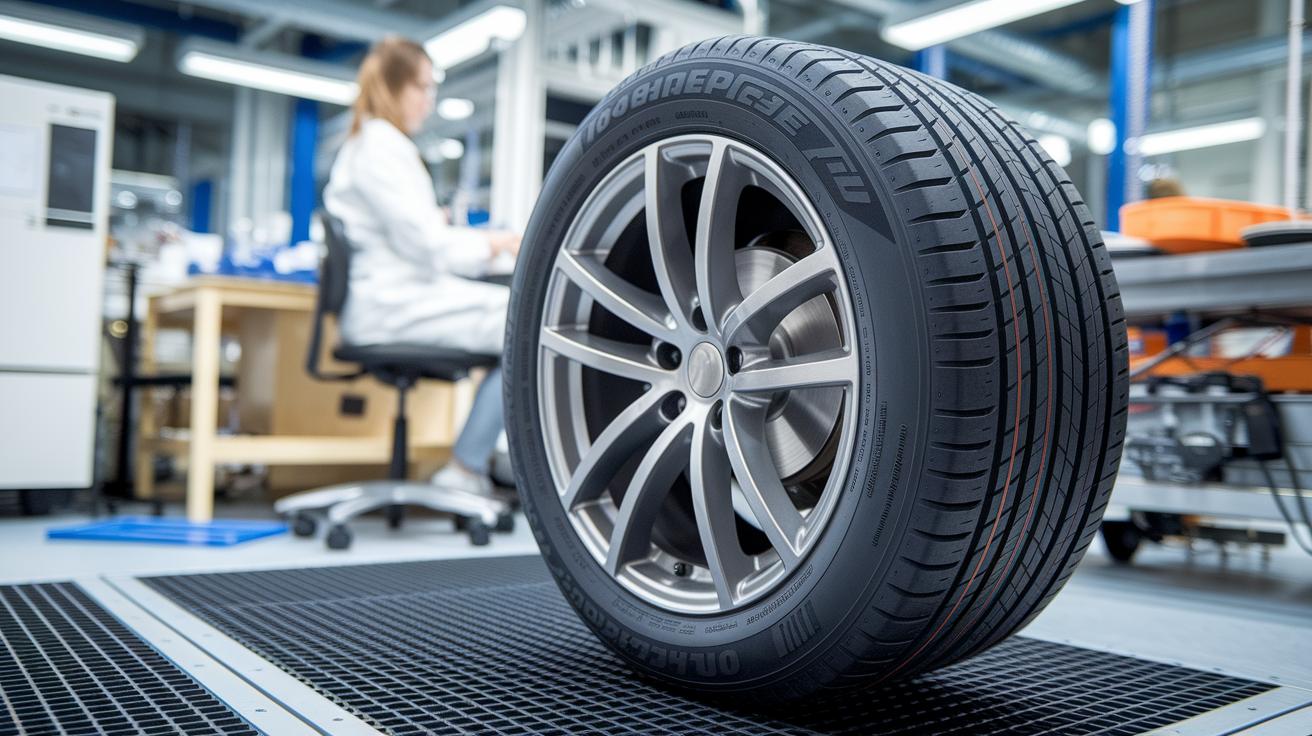
Looking ahead, tire noise reduction is taking an exciting turn thanks to fresh research breakthroughs. Engineers are trying out active damping systems that adjust on the fly to cancel unwanted sounds. Imagine a tire that quiets its own hum much like noise-cancelling headphones lower street noise.
Scientists are also testing acoustic sensors built into tires. These sensors check the sound levels in real time (kind of like glancing at a car's fuel gauge). The data then helps smart control systems fine-tune the tire’s performance. Over 60 tire brands around the globe, including some popular in the UAE, are already exploring these live solutions.
Engineers are using computer simulations that mimic real road conditions to test and perfect these new features before they hit the market. This lets them adjust everything from tread patterns (the part that touches the road) to the inner layers that help reduce noise. In truth, these advanced techniques mix clever material choices with on-the-spot sound control.
By mixing active damping with smart sensors, future tires promise much quieter rides. Every journey could feel smoother, calmer, and more relaxing.
Final Words
In the action, we broke down how modern tire designs blend smart tread, advanced materials, and proven testing methods to cut down on road noise. This guide shed light on engineered quietness features, lab testing methods, and emerging trends that make each drive smoother and safer.
Our exploration showed how tire noise reduction technology can help create a quieter cabin. With these innovations, every trip feels a bit more comforting and reliable. Enjoy the calm on the road!
FAQ
What is tire noise reduction foam and how does it work?
The tire noise reduction foam is a layer of acoustic material installed inside tires to absorb vibrations. It lowers the sound produced when tires roll over the road, creating a quieter cab environment.
What are Michelin noise cancelling tires and how do they function?
Michelin noise cancelling tires use special acoustic designs and foam-backed liners that absorb vibrations and dampen sound waves. They help lower road noise, resulting in a more comfortable ride.
How does Pirelli noise cancelling technology work in tires?
Pirelli noise cancelling tires feature tuned attenuation chambers and innovative tread designs that break up and absorb sound. This design lowers vibration levels from the road for a quieter drive.
Which tires are known for excellent noise reduction?
The best noise reduction tires combine quiet tread patterns, engineered materials, and effective design features. Brands like Michelin, Continental, and Pirelli offer models that significantly lower road hum.
Do noise reducing tires really work?
Noise reducing tires work by using specialized compounds and tread designs that dampen vibrations. They effectively lower the sound level from road contact, making for a quieter driving experience.
How can road noise from tires be reduced?
Road noise from tires can be reduced by maintaining proper tire inflation, choosing tires with optimized tread patterns, and using advanced materials. These factors help absorb vibrations and lessen noise levels.
Which cars have noise cancelling technology?
Many modern vehicles, especially luxury and electric models, come equipped with noise cancelling technology. These systems work alongside advanced tire designs and cabin insulation to reduce unwanted road noise.
What Michelin tires feature acoustic technology?
Michelin incorporates acoustic technology in models such as the Primacy Tour A-S, Defender2, CrossClimate2 M+S XL, Premier LTX, and Pilot Sport 4S. Each uses specialized foam inserts and design tweaks to quiet road noise.

