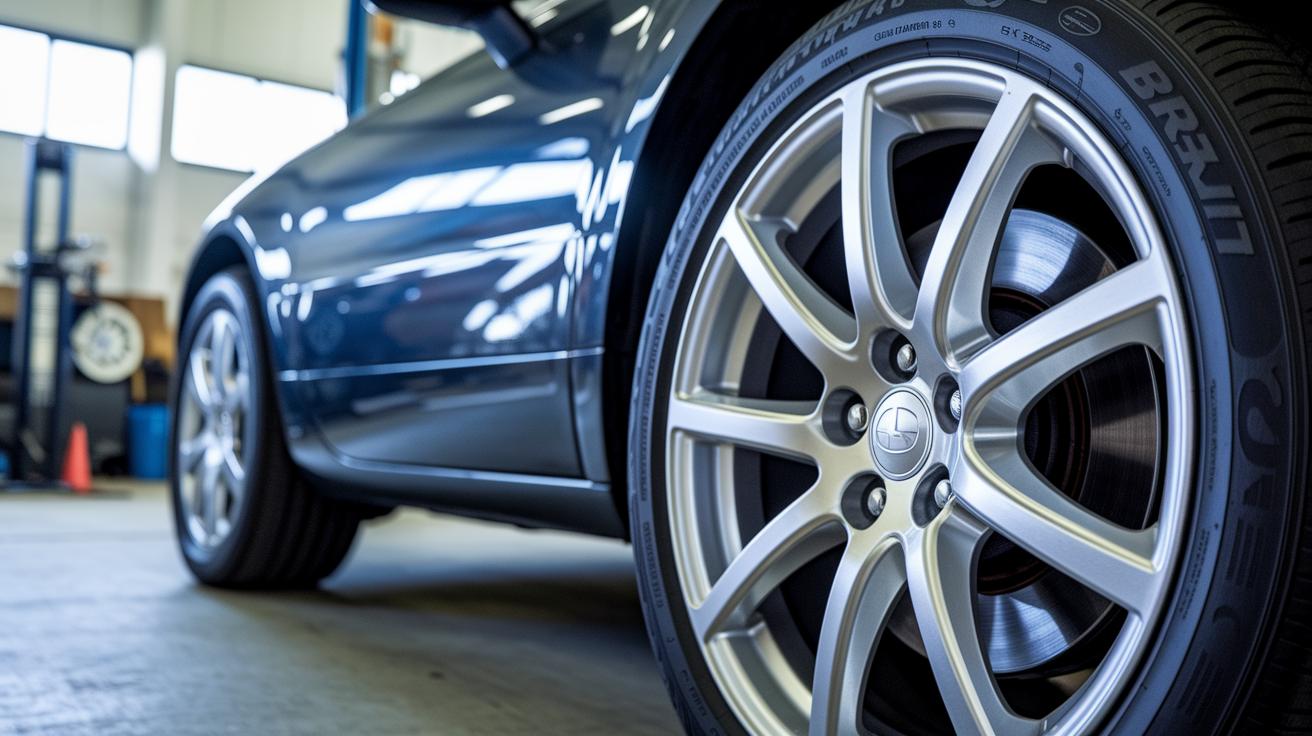


Ever wondered if your car could give you a heads-up before something serious happens? Tire pressure monitoring does just that by keeping a close watch on the air in your tires. It works like a good buddy, letting you know when a tire’s pressure drops so you can fix it right away. Instant alerts from this little system help your brakes and steering work better. Next, we'll take a closer look at how it works and why it’s so important for keeping you safe on the road.
Core Principles of Tire Pressure Monitoring Technology
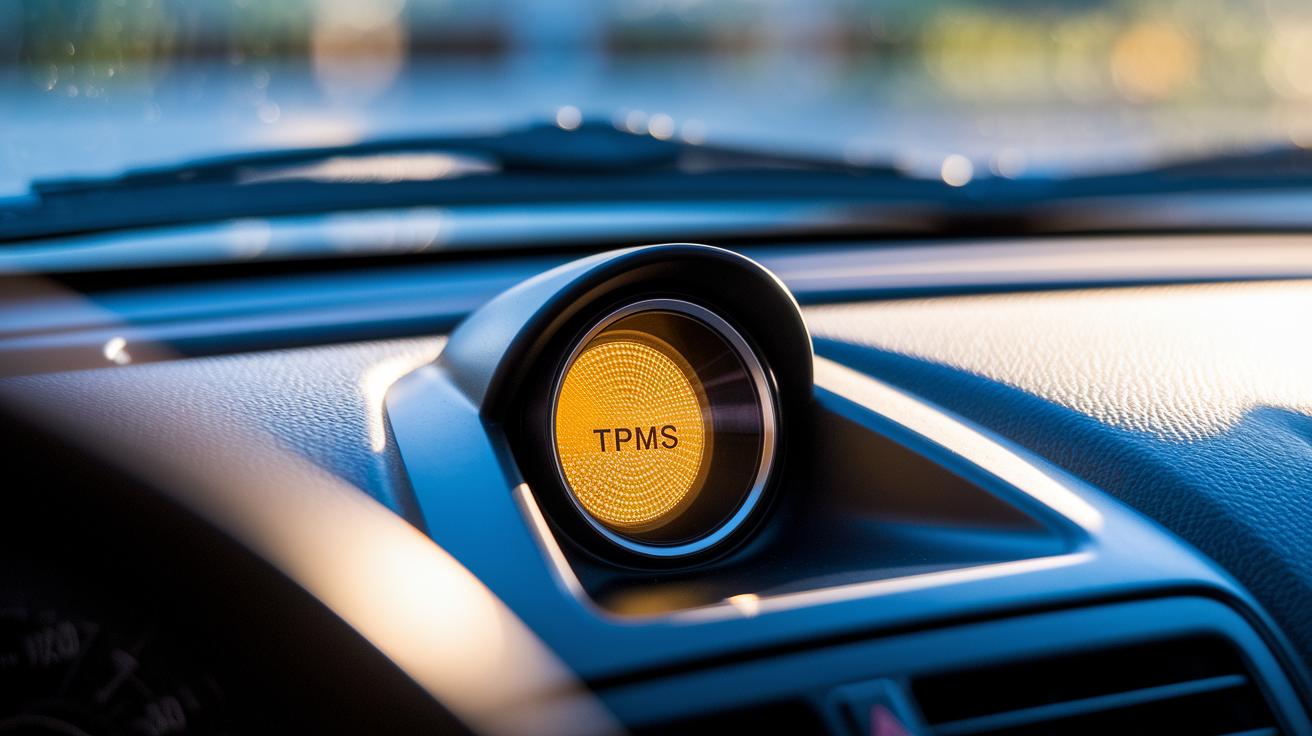
TPMS is like a little helper that watches over your tire pressure all the time. If one tire loses more than 25% of its set pressure, a warning light appears on your dashboard. It usually shows up as a yellow horseshoe with an exclamation mark. So think of it as a quick nudge that tells you, "Hey, check that tire now before it turns into a bigger issue."
There are two main types of TPMS. The first type, called a direct system, has a small sensor built into each tire. This sensor measures the air pressure in real time and sends the info straight to your car’s computer. It’s a bit like getting an instant text from a friend when something’s not right, and it’s usually accurate within about ±1 psi. The second type, known as an indirect system, uses your car’s ABS sensors to guess the pressure by comparing how fast each wheel spins. While this method is easier on the wallet, it might mix things up if your tires are different or if the sensor isn’t perfectly tuned.
Real-time alerts from TPMS are a big deal when it comes to keeping you safe on the road. When your tires stay properly inflated, your brakes work better, your car handles more smoothly, and you even use less fuel. In short, these alerts help you catch problems early so you can fix them before they lead to a tire blowout.
Key points to remember:
- TPMS lets you know when tire pressure drops more than 25% from what’s recommended.
- Direct TPMS sensors give you live, accurate readings, while indirect systems use ABS data to estimate pressure.
- Quick alerts mean you can keep your car running safely by making timely adjustments.
Direct vs. Indirect TPMS Designs
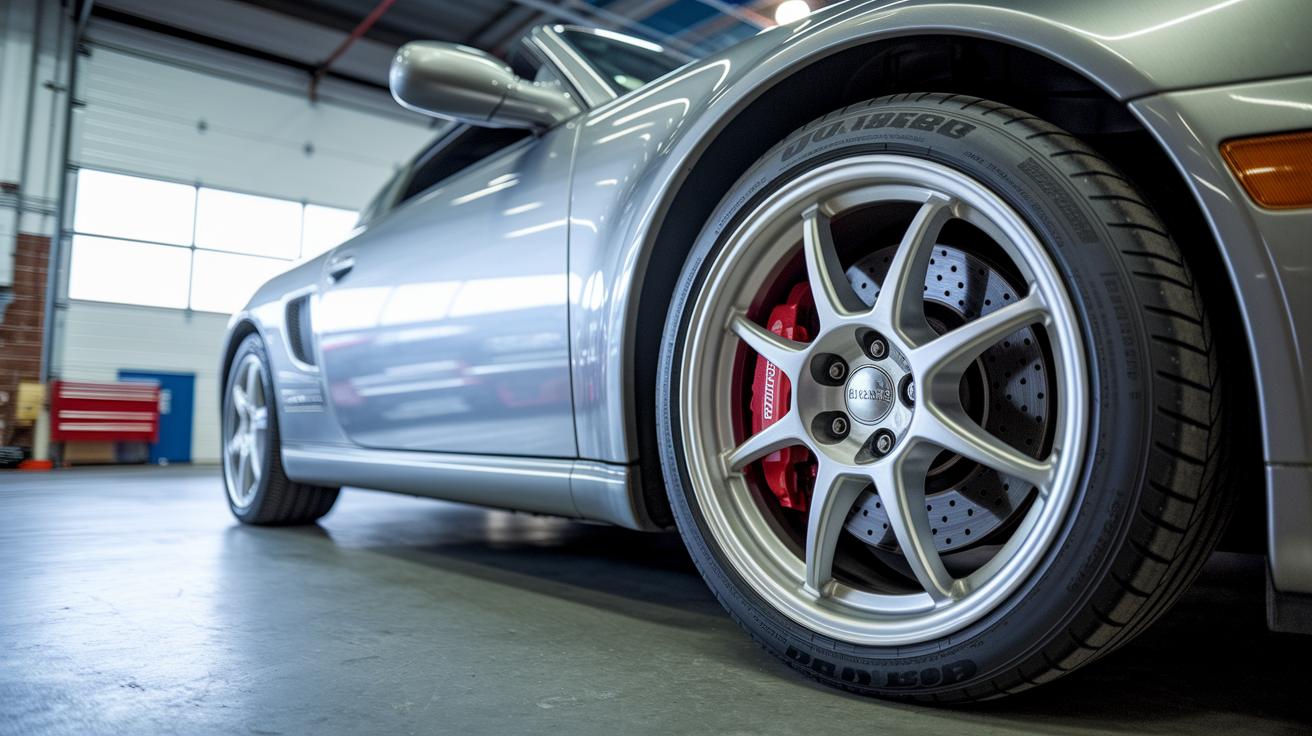
Direct TPMS sensors on each wheel share tire pressure readings with about ±1 psi accuracy. After you rotate or replace your tires, you’ll need to recalibrate them. Sometimes, you even need a special valve-stem kit to keep everything working right. And in some cases, these sensors team up with smart tire tech to deliver handy tire care tips as soon as you make a change.
Indirect TPMS, on the other hand, works a bit differently. It uses data from your car’s ABS system (that’s the anti-lock brake setup) to spot pressure differences by comparing how fast each wheel turns. This approach saves some cash, but the readings can be less spot-on, especially if your tires have different sizes.
Calibration and Digital Adjustment Methods for TPMS
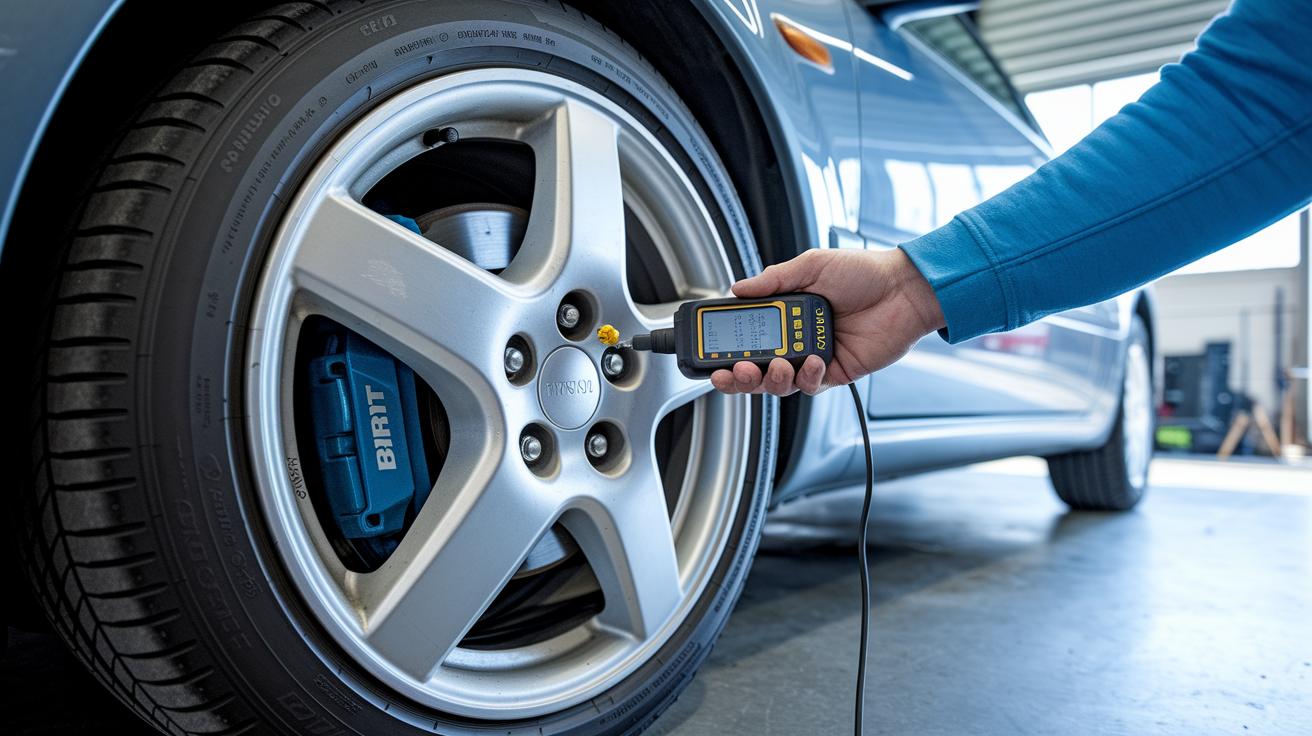
Calibrating a TPMS sensor means matching it to the correct tire, which is really important after you rotate or replace your tires. Think of it like rebooting your computer, you follow a set process to make sure all your settings line up right.
Manual relearn methods can be as simple as turning your car on and off a few times or pressing a button here and there to let the car know which sensor goes with which tire. Nowadays, you can also use digital methods. With an OBD-II scan tool (a gadget that plugs into your car’s computer), the sensor data resets automatically. This smart way of tuning makes it easier to hit the road without long waits. After a tire rotation, a quick digital signal from the sensor can update its readings, much like syncing your phone to a new network.
Remember that TPMS sensors work on batteries that usually last between 7 and 10 years. When these batteries start to wear out or get drained by harsh conditions, the sensor might not read correctly. Sticking to the calibration guidelines helps every sensor work its best, giving you accurate readings and a safer drive.
Maintenance, Troubleshooting, and Sensor Lifespan for TPMS
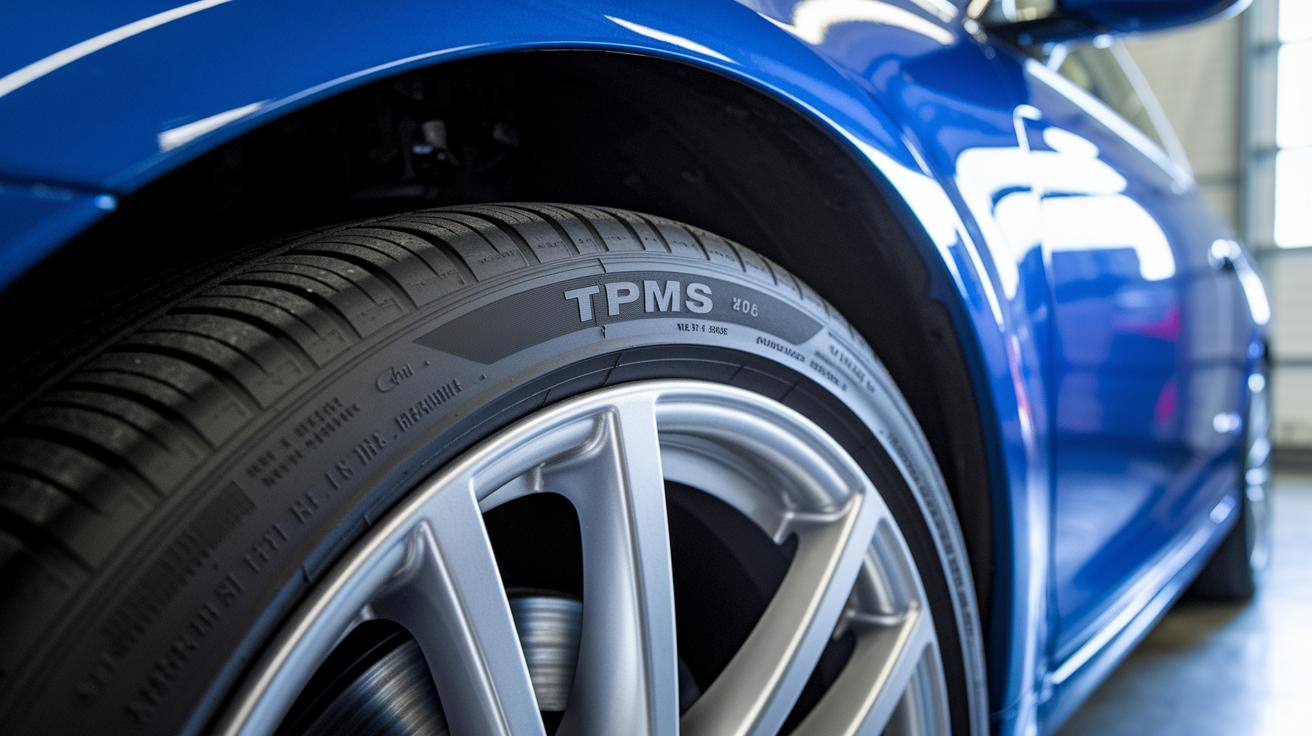
When you see that TPMS light flashing, it's like your car is giving you a little heads-up, maybe a sensor glitch or a small hiccup in its chat with the computer. And if the light stays on steadily, it could be warning you about a slow leak or even a puncture. Basically, it's saying something’s not quite right with your tire pressure.
Start with a quick look at your tires. Think of it as your car gently nudging you to check things out. Next, take a peek at the sensor’s battery (that little power source you can’t change). It usually lasts about 7 to 10 years, but really harsh weather or a tough bump on the road might cut that short. When you see any strange alerts, it’s smart to have a pro take a look.
A mechanic can help out by replacing the sensor, using a valve-stem service kit (that’s a tool that fixes the little part where air goes in and out of your tire), or running through a relearn process to get everything back in sync. Regular checks like these are just like giving your car a health check-up so it stays safe and dependable.
- Look over your tires for any visible damage or punctures.
- Check that the sensor’s battery isn’t past its prime.
- If something seems off, ask a professional to recalibrate or replace the sensor.
For even more tips on keeping your system in top shape, check out their preventative car maintenance page.
Regulatory Requirements and Safety Impacts of Tire Pressure Monitoring
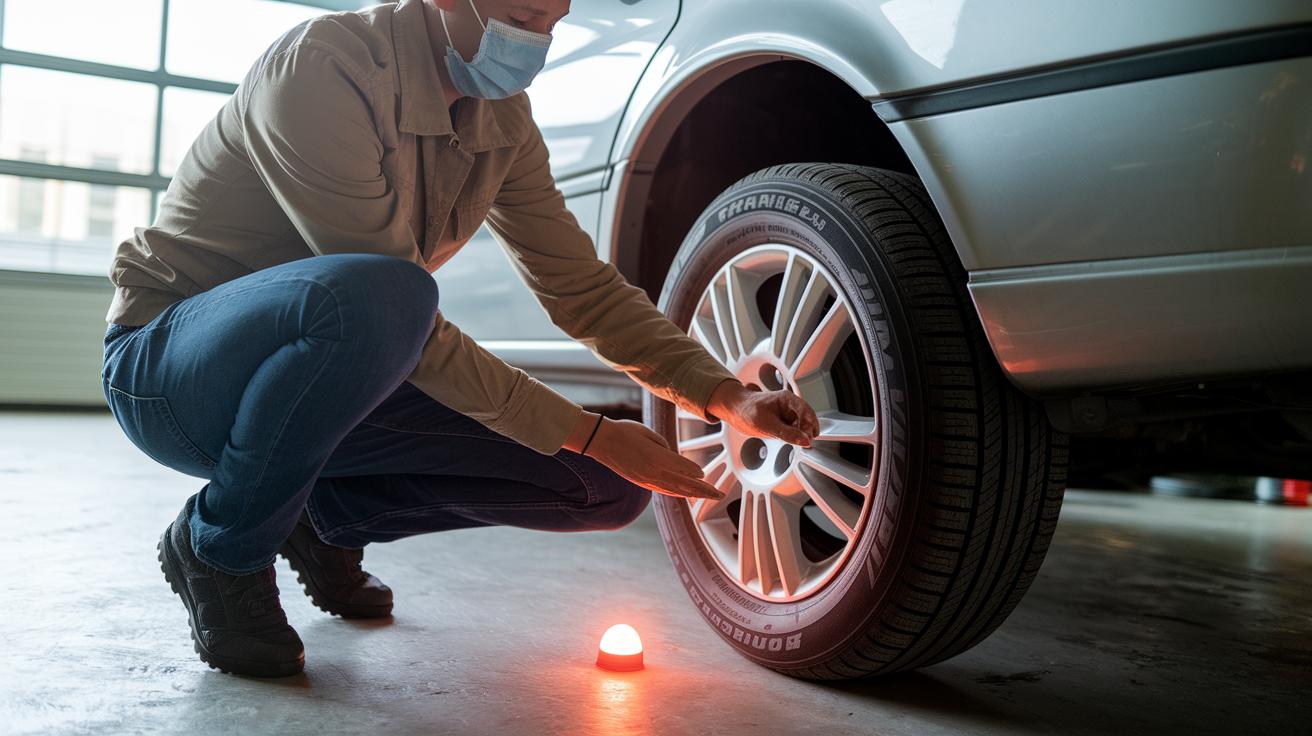
Since 2007, all U.S. cars are required to have tire pressure monitoring systems. This simple system lets you know if a tire isn’t filled to the right level, giving a quick alert if any tire is too soft or too hard. It’s like having a little helper checking your tires so you can drive with more confidence.
When your tires are at the proper pressure, you enjoy better braking and smoother handling. This means your chances of a sudden blowout go down, making your ride safer and steadier. I always feel more at ease knowing my car is set up right for the road ahead.
A well-kept TPMS helps reduce the extra drag (rolling resistance) that tires experience. In plain terms, this can boost your fuel economy and lessen the wear on your tires. Studies show that vehicles with good TPMS are 5-10% less likely to have tire-related accidents, which is great news for everyone on the road.
Regular checks on your TPMS help keep these safety benefits in play and ensure you meet federal rules. Next time you have a break, take a minute to inspect your tire pressures, you’ll be taking a small step that goes a long way toward a safer drive.
Integration of Tire Pressure Monitoring Technology with Vehicle Diagnostics and Future Trends
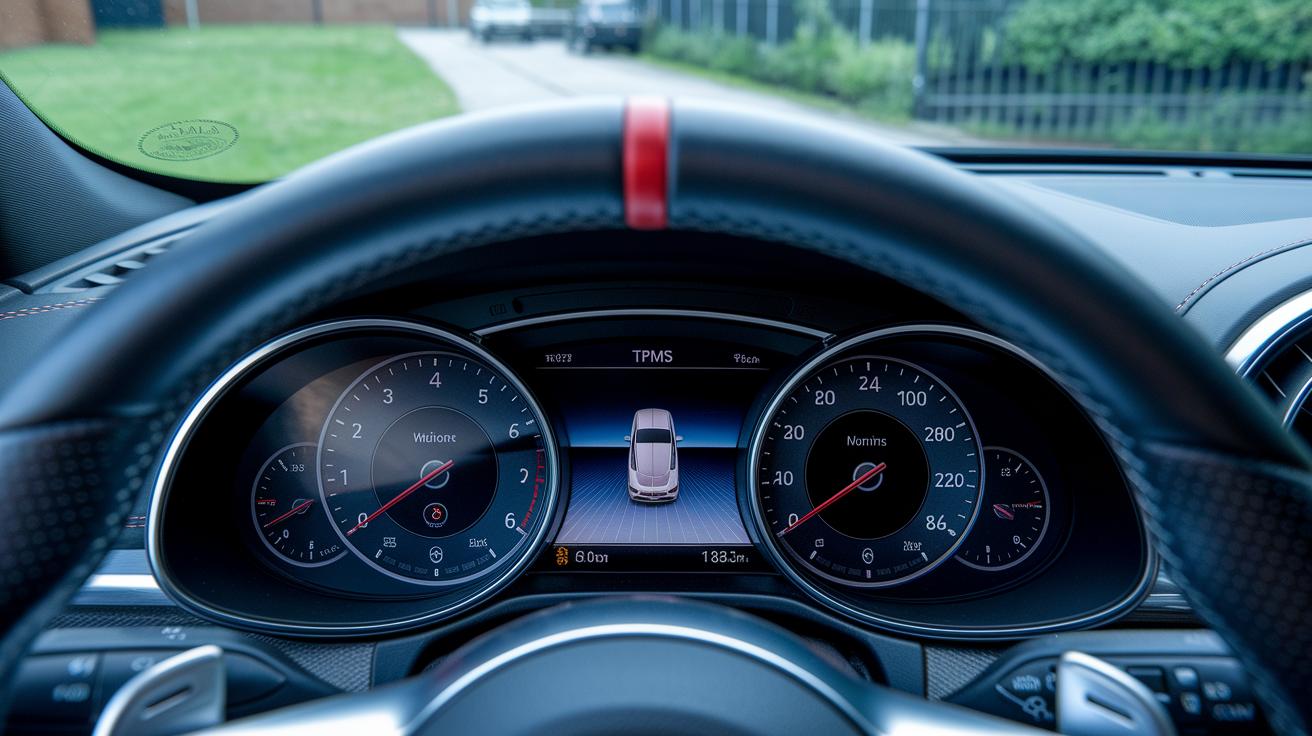
Today’s cars use tire pressure monitoring systems (TPMS) that seamlessly work with your car’s onboard diagnostics. It’s kind of like checking your phone for the weather, glance at your dash and you see fresh tire info, which is a friendly nudge that your ride is in good shape.
The latest TPMS units even update themselves wirelessly. Imagine your car doing a quick self-check and getting updates on its own, without you needing to visit the shop. These clever systems keep an eye on how your tires behave (like how soon the tire’s surface wears down) and can alert you if one seems a bit off. It’s like having a helper that nudges you when something might need attention.
Ever heard of Bridgestone DriveGuard? It’s a run-flat system that lets you drive even when a tire loses air, letting you travel up to 50 miles at 50 mph. This shows that TPMS isn’t just about measuring pressure, the technology is growing to play a bigger role in keeping your vehicle in top shape.
In short, the mix of live tire data, smart self-checks, and remote updates is paving the way for exciting future trends in tire pressure monitoring. It’s all about making sure you and your car enjoy a smooth, safe ride.
Final Words
In the action, we explored how tire pressure monitoring technology helps keep your ride safe and performing smoothly. We talked about two main systems, compared sensor designs, and touched on calibration and maintenance tips. The discussion also covered regulatory standards and how these systems integrate with vehicle diagnostics for better safety. All these elements work together to give you real-time alerts and peace of mind on the road. It's exciting to see how smart tech is making safe driving a part of everyday experiences.
FAQ
What is the tire pressure monitoring system technology?
The tire pressure monitoring system technology uses sensors to check tire air levels and alerts you if pressure drops or rises significantly, helping you maintain proper tire inflation for safe driving.
What are the two types of TPMS?
The two types of TPMS are direct and indirect. Direct systems use sensors in each tire to give real-time readings, while indirect systems estimate pressure using data from speed sensors.
Where are tire pressure sensors located?
Tire pressure sensors in direct systems are usually mounted on the valve stem inside the tire, while in indirect systems, the car’s ABS sensors help infer tire pressure.
Can I replace TPMS myself?
Some TPMS sensors can be replaced on your own with the right tools, but proper recalibration is needed, so getting professional help can be a safer option.
What does the TPMS light mean and can I drive with it on?
The TPMS light means one or more tires have incorrect pressure. You can drive briefly, but it’s best to check and adjust your tire pressure soon for safe driving.
How do I reset my tire pressure monitoring system?
Resetting the TPMS typically involves cycling the ignition, inflating the tires to the recommended level, or using a reset button or OBD-II scan tool, depending on your vehicle model.
What is the best tire pressure monitoring system?
The best tire pressure monitoring system offers quick alerts and precise readings. Direct systems are known for their accuracy, while indirect systems can be more cost-friendly for everyday drivers.
What is the cost of a tire pressure monitoring system and its sensors?
The cost of a tire pressure monitoring system varies by type. Direct systems are generally pricier due to individual sensors, while indirect systems and their sensors tend to be more budget friendly.
What is a TPMS sensor?
A TPMS sensor is a small device that measures the air pressure in your tire. In direct systems, it directly reads the pressure, ensuring your car stays informed about tire health.

